
ZED DEALS™ retweetledi
ZED DEALS™
16.1K posts


ZED DEALS™
@UyoOf
#Marine #Offshore #Vessels #TankerVessels #oilrig
Nigeria Katılım Şubat 2018
5.6K Takip Edilen2.3K Takipçiler

ZED DEALS™ retweetledi

ZED DEALS™ retweetledi

ZED DEALS™ retweetledi

ZED DEALS™ retweetledi

ZED DEALS™ retweetledi

ZED DEALS™ retweetledi

ZED DEALS™ retweetledi

ZED DEALS™ retweetledi
ZED DEALS™ retweetledi

❤️🇮🇷 WATCH: This is the moment Iran's IRGC started launching the 72ND ROUND of Operation True Promise 4
English
ZED DEALS™ retweetledi

ZED DEALS™ retweetledi

Reunions with good friends 🥹🩷
English
ZED DEALS™ retweetledi

An attempt by an F-16 to shoot down a Shahed-136 off the coast of the UAE
English
ZED DEALS™ retweetledi

🇮🇷🇱🇧🇵🇸🇮🇱⚡Thousands of Israeli are leaving Jerusalem, West Bank, Tel Aviv and all occupied territories amid ongoing Iranian and Hezbollah missiles and drones threats.
English
ZED DEALS™ retweetledi

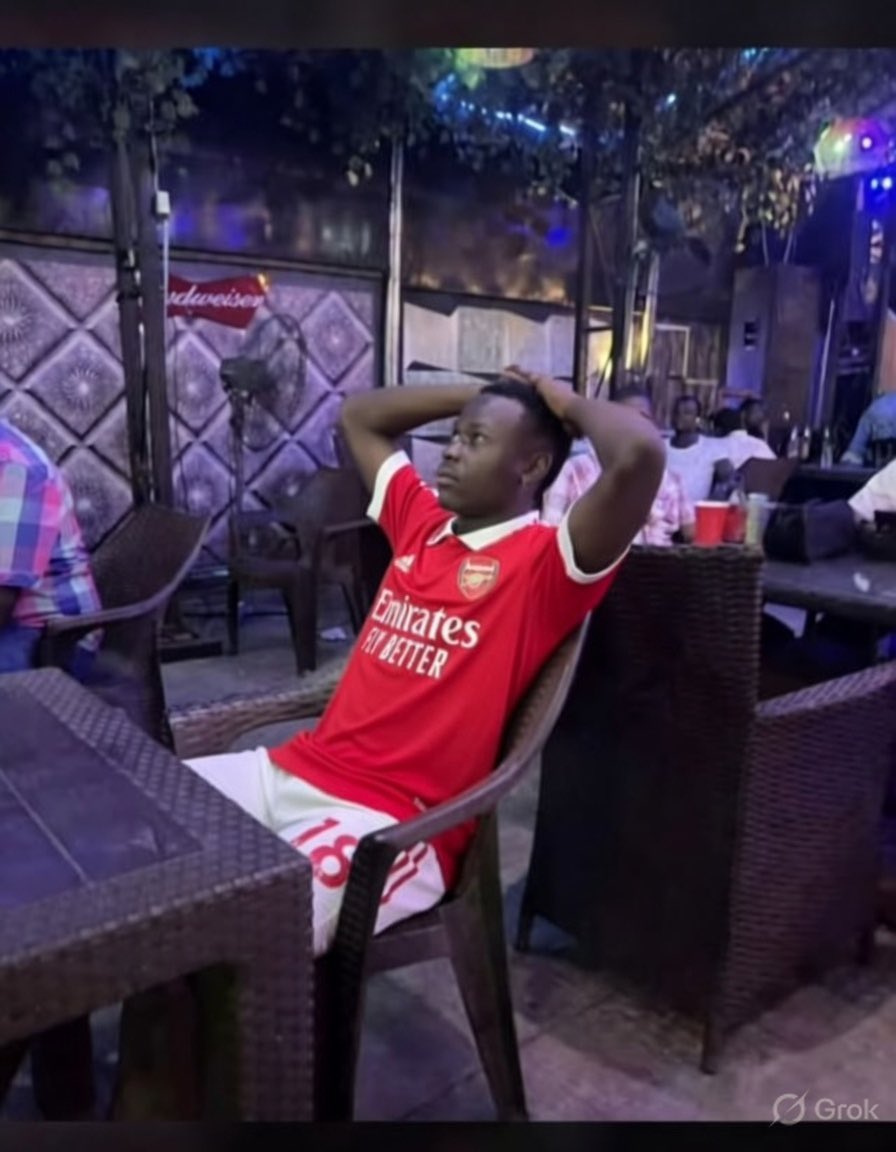
When this man arrived home, his wife and daughter surprised him with a birthday celebration. What a wonderful thing he truly gained in life
English
ZED DEALS™ retweetledi
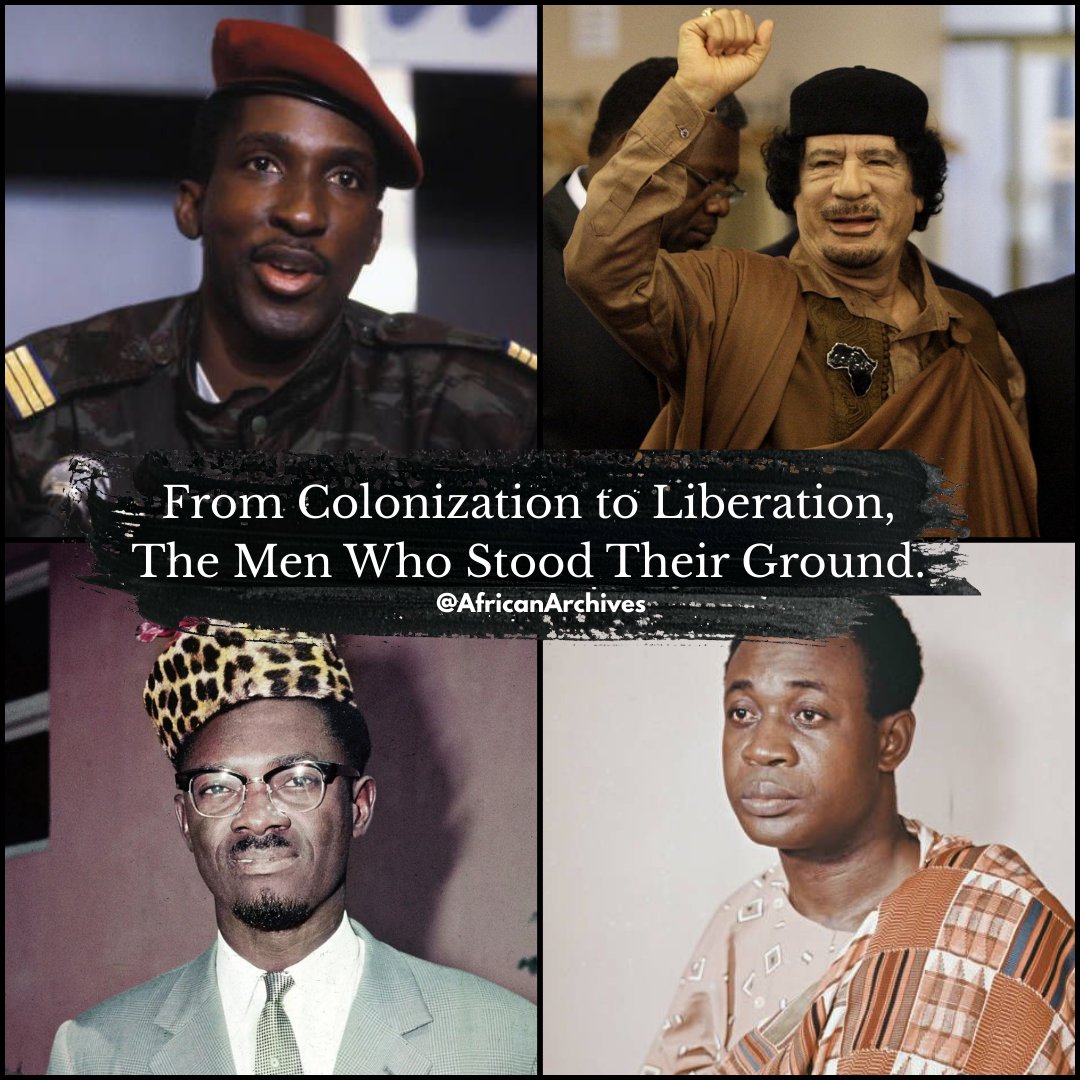
This figures represent different moments, ideologies, and paths—but all played significant roles in Africa’s political transformation during the 20th century.
Thomas Sankara emerged in the 1980s as a bold and unconventional leader of Burkina Faso. He emphasized self-reliance, economic independence, and social reform—encouraging local production, rejecting excessive foreign dependence, and advocating for women’s rights and environmental responsibility. His leadership style and vision continue to inspire conversations about governance and development across Africa.
Muammar Gaddafi led Libya for over four decades and positioned himself as a major voice in African and global affairs. His rule was marked by both ambitious continental initiatives—such as calls for African unity—and significant controversy. His legacy remains complex, reflecting both influence and debate in discussions about leadership and power.
Patrice Lumumba became a defining symbol of African independence at a critical historical moment. As Congo’s first Prime Minister in 1960, he advocated for true sovereignty and national unity following colonial rule. His time in leadership was brief, but his ideas and vision left a lasting impact on liberation movements across the continent.
Kwame Nkrumah was one of the most influential architects of African independence. Leading Ghana to freedom in 1957, he became a central figure in the Pan-African movement, calling for political unity among African nations as a path toward long-term strength and independence.
Although their approaches differed, these leaders were all shaped by the same historical forces: colonialism, the struggle for independence, and the challenge of building nations in a rapidly changing world. Their leadership unfolded during a time when Africa was not only gaining political freedom but also defining its place on the global stage.
English