NZ Vaping Alliance

24.3K posts

NZ Vaping Alliance

NZ Vaping Alliance

@VapingAlliance

The NZ Vaping Alliance provides commentary on e-cigarette use & vaping community issues.

New Zealand Katılım Ekim 2015
4.1K Takip Edilen4.8K Takipçiler
Sabitlenmiş Tweet
NZ Vaping Alliance retweetledi
Charles A. Gardner, PhD
Charles A. Gardner, PhD@ChaunceyGardner·
Australia: "...we have pursued one of the most draconian anti-smoking policy agendas in the world, with disappointing results. Our smoking rates are now higher than New Zealand, USA & Sweden, [and] our tobacco black market is the worst in the world. austaxpayers.substack.com/p/legalise-vap…
Charles A. Gardner, PhD tweet media
English
1
10
33
299
NZ Vaping Alliance retweetledi
Smoke Free Sweden
Smoke Free Sweden@SmokeFreeSweden·
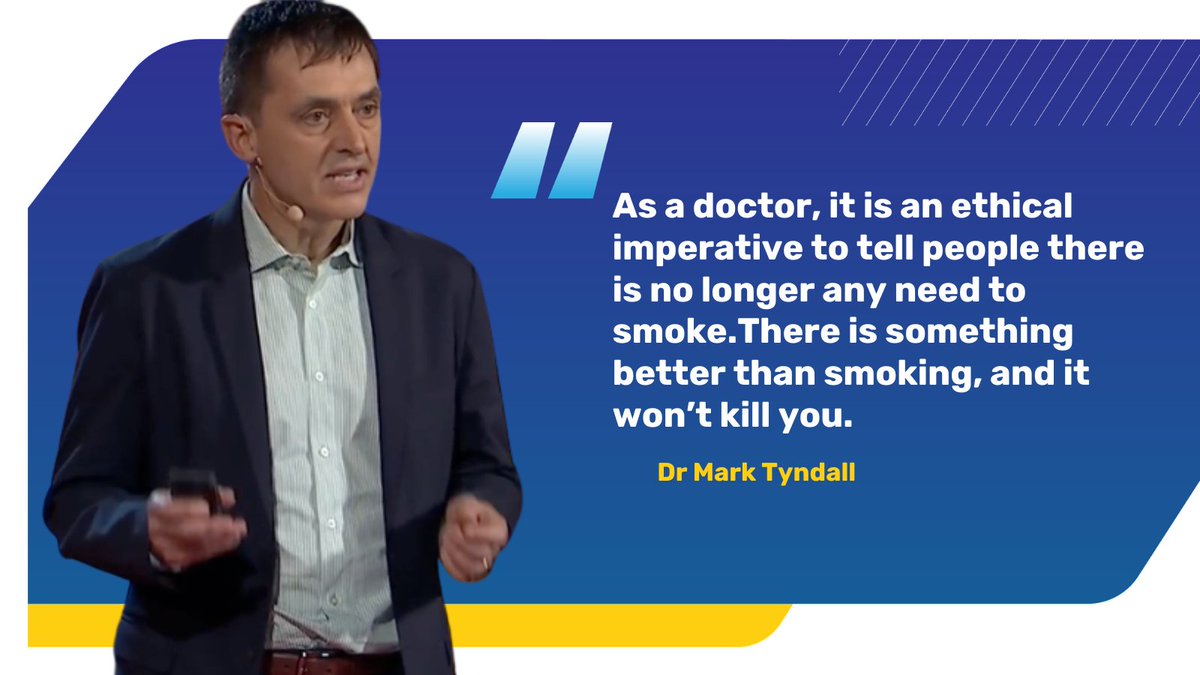
While the UK and Sweden lead the charge toward a smoke-free future, the EU is "stepping backwards". In 2025, UK vaping consumption officially overtook traditional cigarettes. Sweden is already on the brink of becoming smoke-free, boasting Europe's lowest tobacco-related disease rates, after boosting access to safer nicotine products. Public health expert @DrMtyndall says it’s an ethical imperative to provide smokers with alternatives that are 95% safer than combustible tobacco. Read more: smokefreesweden.org/2026/03/27/eu-…
Smoke Free Sweden tweet media
English
0
11
20
314
NZ Vaping Alliance retweetledi
Dustin Dahlmann
Dustin Dahlmann@dustindahlmann·
New evidence confirms what many already see: vaping can be an effective tool for smokers looking to quit tobacco. Harm reduction works — and science keeps reinforcing it. A positive step toward better public health outcomes. #HarmReduction #Vaping eurekalert.org/news-releases/…
English
0
17
25
265
NZ Vaping Alliance retweetledi
Dr Mark Tyndall
Dr Mark Tyndall@DrMtyndall·
Maria on the Consumer panel at World Nicotine Congress
Dr Mark Tyndall tweet media
Rights4Vapers@rights4vapers

Well @DrMtyndall makes a valid point when it because to illegal trade and taxation. Less tax would lower the illicit trade. How many would agree?

English
0
7
15
311
NZ Vaping Alliance retweetledi
Christopher Snowdon
Christopher Snowdon@cjsnowdon·
Australian TV news poignantly combines an explanation of the Laffer Curve with videos of tobacco shops being firebombed.
English
5
23
101
6.7K
NZ Vaping Alliance retweetledi
Alan CMA
Alan CMA@Algore09algor·
#selection-667.0-1011.211" target="_blank" rel="nofollow noopener">archive.is/ZsT27#selectio@jamomartin @drjoesDIYhealth @Anne_Ruston @Mark_Butler_MP The warning from British American Tobacco that it may eventually leave Australia should alarm policymakers far beyond the tobacco industry itself. Not because a cigarette company might exit the market, but because of what that exit would represent: the near-total collapse of the legal tobacco market. According to BAT’s global corporate officer, Kingsley Wheaton, Australia is on track to become the first developed nation where criminals effectively control the cigarette trade. His claim may sound dramatic, but the numbers being discussed in policy circles suggest it is not entirely unrealistic. Estimates now suggest roughly 75% of cigarettes sold in Australia are illicit. Legal packs can cost around $50, while black-market cigarettes sell for about $15. That price gap alone explains why the illicit market has exploded. When the difference becomes that extreme, the incentives for smuggling and organised crime become enormous. The government’s tobacco excise policy was originally designed to reduce smoking while generating revenue. At one point, it raised around $17 billion annually. Today, revenue is projected to fall to about $5.5 billion. In other words, excise has continued rising while revenue has collapsed. That is a clear sign the legal market is shrinking, and consumers are moving elsewhere. Criminologists such as James Martin have been warning about this trajectory for years. If the illicit share continues to grow toward 90% of the market, legitimate retailers may simply stop selling legal tobacco altogether. At that point, the entire system effectively becomes a criminal enterprise. This is no longer just an economic problem. It has become a public safety issue. Across Australia, particularly in Victoria, the illicit tobacco trade has been linked to hundreds of violent incidents, including firebombings, extortion and turf wars between criminal groups. Retailers selling tobacco products have increasingly become targets because control of distribution networks now carries enormous profits. This is the unintended consequence of pushing a legal product into extreme price territory while demand still exists. High taxation can reduce smoking, but only up to a point. When prices become too high relative to income and enforcement capacity, black markets inevitably expand. This pattern has been seen repeatedly with alcohol prohibition, narcotics and other heavily restricted goods. What makes Australia unique is the scale of the imbalance. While cigarette prices have been driven to some of the highest levels in the world, the country has simultaneously restricted access to lower-risk nicotine alternatives such as vaping. That policy combination has removed legal pathways for smokers to move away from cigarettes while creating massive incentives for illegal supply chains. Instead of shrinking the nicotine market, the policy environment appears to have shifted it underground. Critics of the tobacco industry will understandably treat BAT’s warning with scepticism. Tobacco companies have their own commercial interests and history. But dismissing the message simply because of the messenger would be a mistake. The core issue being raised is not about protecting tobacco companies. It is about whether public policy has inadvertently created one of the most lucrative illicit markets in the developed world. If projections suggesting nine out of ten cigarettes could be illicit by 2030 prove even partly correct, the consequences would extend far beyond tobacco control: Billions in lost tax revenue Expansion of organised crime networks Increased violence linked to distribution control Loss of regulatory oversight over product standards At that point, the government would effectively lose control over the entire supply chain. None of this means reducing tobacco taxes is a simple or politically easy solution. Public health concerns remain valid, and smoking continues to cause enormous harm. But what the current situation demonstrates is that policy outcomes must be measured by real-world results, not just intentions. When excise rises, but revenue collapses When legal markets shrink while illicit ones explode When organised crime profits from the policy environment
English
3
18
37
1.8K
NZ Vaping Alliance retweetledi
Dr Joe
Dr Joe@drjoesDIYhealth·
Australia’s smoking rates fell for decades. But that’s changed – and here’s why watoday.com.au/national/austr… "..booming black market trade, which has funnelled billions of dollars into the hands of criminal syndicates, is driving up smoking rates for the first time in decades". The total fail that is government/big public health policy
English
3
20
44
3.1K
NZ Vaping Alliance
NZ Vaping Alliance@VapingAlliance·
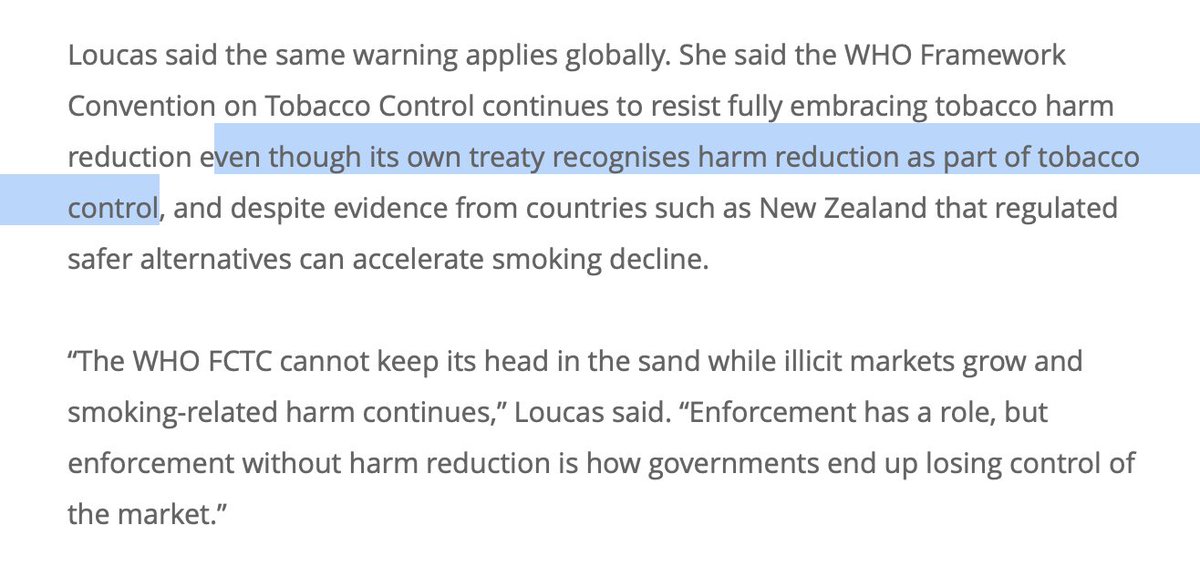
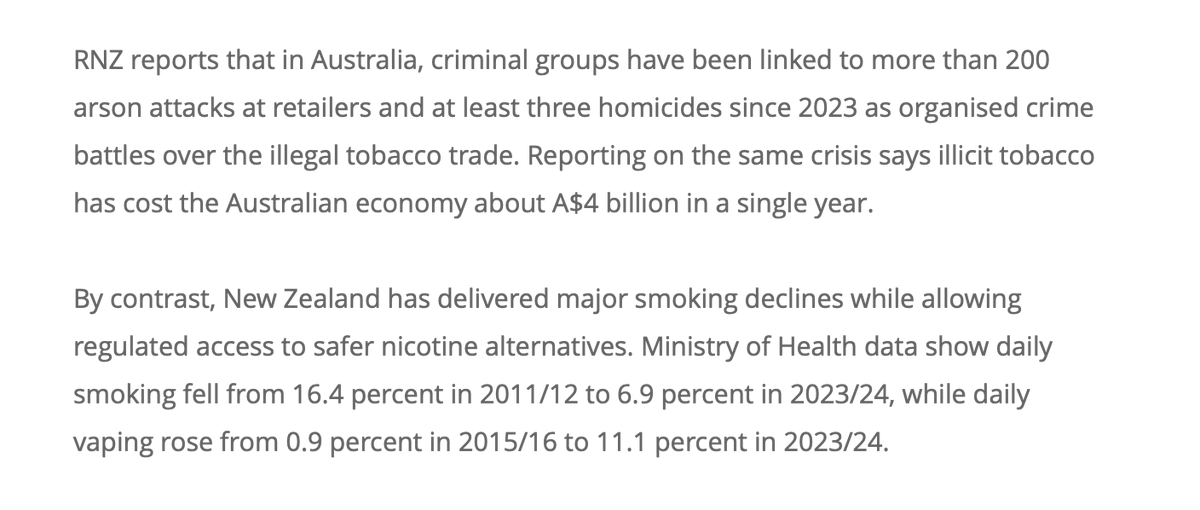
Wouldn't it be nice if tobacco control activists in Australia (that's what they are now) realised they created this mess by trying to ban everything. @caphraorg highlights the risk of following Australia see: scoop.co.nz/stories/GE2603…
NZ Vaping Alliance tweet media
English
1
8
26
256
NZ Vaping Alliance retweetledi
Charles A. Gardner, PhD
Charles A. Gardner, PhD@ChaunceyGardner·
US adult smoking has fallen to a 100 year low, below 10%. Teen smoking has been there for several years now: near nil, also an all-time low. And yet, old-school tobacco control "experts" are more alarmed NOW than in any previous decade... Alarmed about their jobs?
2FIRSTS@2FIRSTS

U.S. Adult Smoking Rate Falls to Historic Single-Digit Low of 9.9%, Study Shows Shift in Nicotine Use Patterns 2firsts.com/news/us-adult-…

English
3
9
35
938
NZ Vaping Alliance retweetledi
Lance Churchill
Lance Churchill@LanceChurchill·
Black marketers must be quaking in their boots: "Criminal gangs cashing in on Australia's illicit tobacco boom will face tougher penalties and expanded police surveillance powers in a fresh crackdown on the black market." abc.net.au/news/2026-03-1…
English
7
12
31
591
NZ Vaping Alliance retweetledi
Charles A. Gardner, PhD
Charles A. Gardner, PhD@ChaunceyGardner·
As evidence grows, showing that nicotine vapes are far safer than cigarettes, the number of Americans who are wildly misinformed about those relative risks grows too. Industry is not misinforming the public. Public health is misinforming the public.
UTSW Dermatology@UTSWDerm

Is vaping more harmful than smoking? More Americans incorrectly think so. New research from UTSW by Wu, Thomas, & Gerber shows how public perceptions of e-cigarettes have shifted, with implications for smoking cessation. 📖:academic.oup.com/ntr/advance-ar… #HealthResearch

English
1
13
33
931
NZ Vaping Alliance retweetledi
Alan CMA
Alan CMA@Algore09algor·
This section of @JulianHillMP’s speech tries to walk a careful political line, but in doing so it reveals the core contradiction at the heart of Australia’s tobacco policy. Assistant Minister @JulianHillMP acknowledges something many policymakers have avoided admitting for years: extremely high tobacco excise has contributed to the growth of the black market. That point alone undermines the long-standing narrative that ever-increasing taxes could continue indefinitely without serious unintended consequences. But the speech then immediately shuts down the logical policy discussion that follows from that admission. If excise has helped create a massive price gap that fuels illegal supply, it is not unreasonable to ask whether the taxation model has reached its practical limits. Dismissing any discussion of adjustment as “surrender” avoids confronting that reality. The argument that price is the “single most effective lever” also relies heavily on historic trends rather than current conditions. Yes, smoking rates fell over previous decades as taxes rose. But the policy environment has changed dramatically. Cigarettes in Australia are now among the most expensive in the world, and yet illicit tobacco is estimated to account for more than half of the market. At that point, the relationship between price and behaviour becomes far more complex because many smokers simply switch to illegal supply instead of quitting. Another weakness in this argument is the framing of the issue as a binary choice between high taxes or surrendering to organised crime. That ignores the third option that many other countries have adopted: integrating Tobacco Harm Reduction into tobacco control strategies. The most striking line in this section is the suggestion that debating past policy choices “doesn’t help much now.” In reality, understanding how policy created the current situation is essential if governments want to avoid repeating the same mistakes. Ignoring those lessons risks turning enforcement into an endless cycle: tougher laws, bigger crackdowns, and a black market that continues to grow.
Alan CMA tweet media
English
3
3
9
115