Victor T.N.

598 posts

Victor T.N.

Victor T.N.

@VictorTN_83

The world is changed by our actions, not by our opinions

Greece Katılım Mayıs 2015
262 Takip Edilen100 Takipçiler
Sabitlenmiş Tweet
Victor T.N.
Victor T.N.@VictorTN_83·
Poucas coisas mostram tão escancaradamente a limitação intelectual de alguém quanto a atitude de rotular outrém como forma de argumentar.
Português
0
0
0
0
Victor T.N.
Victor T.N.@VictorTN_83·
@GlennLuk @robert_baiguan It may not need quantum. They can simply leapfrog silicon chips and EUV machines. The Chinese are researching multiple approaches, for example, bismuth oxyselenide transistors and non-binary AI chips. If that happens, ASML and TSMC would become obsolete all at once.
English
1
0
6
534
Glenn
Glenn@GlennLuk·
I think semiconductors will look more like combustion engines. EVs were a leapfrog. I just don't see that in silicon chips. More of a "catching up to the frontier" than leapfrogging based on a new paradigm. Leapfrogging potential exists for true non-commercialized SOTA tech like quantum computing.
English
1
2
34
5.9K
Robert @Baiguan
Robert @Baiguan@robert_baiguan·
China will almost certainly do an "EV" on semiconductor. When that happens, the shock to the existing silicon economy would be a magnitude greater than the previous shock to the global auto industry. But even if this were to happen, it wouldn't affect today's market sentiment at all. People can't see that far. People can't imagine what they can't imagine. Unknown unknowns can't stop people from YOLOing all the way
Jukan@jukan05

One of Korea’s leading semiconductor scholars, Professor Seokjun Kwon of Sungkyunkwan University’s Department of Chemical Engineering, said in an interview with Korean media today that China could secure advanced semiconductor manufacturing equipment approaching extreme ultraviolet, or EUV, lithography tools by around the mid-2030s, despite being blocked from accessing them by U.S. export controls. He said, “We should neither overestimate nor underestimate China’s technological capabilities. We need to assess them coldly and objectively.” Professor Kwon especially warned that Korea should not take the long-term potential of China’s semiconductor industry lightly. He said: “During periods of industrial transformation, technologies that once seemed unlikely to be used can suddenly emerge. That is what disruptive innovation is. China’s electric vehicles are a representative example. China chose EVs as a way to overcome the long-established ‘moat’ built by the U.S. and Japan in internal combustion engine vehicles, and as a result, it has developed world-class technological capabilities. There is no reason the same thing cannot happen in semiconductors. Across China, Huawei fabs and industry-academia cooperation centers are simultaneously developing EUV alternative light sources, optical systems, and PR, or photoresist, materials. If one of these technologies survives, China could quickly move onto a growth curve backed by its enormous domestic market. A crisis could emerge in which Chinese semiconductor equipment, materials, and technologies begin to have a global impact.” Professor Kwon was particularly concerned about the possibility of China developing next-generation lithography technology. “Today, everyone says that cutting-edge processes below 5nm are impossible without EUV. But precisely because of that, EUV, monopolized by the Dutch company ASML, is also an environment highly susceptible to disruptive innovation. China’s accelerator-based light source technology could become the next-generation technology after EUV. A prototype could emerge as early as the mid-2030s. If that happens, even if SMIC remains around ten years behind TSMC and Samsung Electronics, it could eventually enter the single-digit nanometer process regime, meaning advanced ultra-fine process technology.”

English
7
28
254
33.6K
Titila
Titila@Alitasotnas·
@rvitoria A meta ser em 3% é irreal para um país emergente, simplesmente não faz sentido.
Português
2
0
0
88
Rafaela Vitoria
Rafaela Vitoria@rvitoria·
É importante lembrar que modelos econômicos na são perfeitos. A inflação média no Brasil nos últimos 20 anos foi de 5,5% (e a Selic média 10,5% para contexto). É difícil acreditar que as empresas estariam ancoradas em 3% porque essa é a meta e está no Focus (3,5% no caso). A credibilidade é um ponto importante sim. Mas credibilidade para uma meta de 4,5% pode ser diferente da credibilidade para 3%. E isso tem relação com nossa realidade fiscal. Na melhor das hipóteses, o ajuste será gradual, o que dificulta ainda mais a tarefa de levar a inflação de uma meta de 4,5% para 3%. O custo está sendo muito elevado, o custo do estoque da dívida já está em 13%aa, e gera despesa com juros de 8% sobre o PIB. Isso não pode ser ignorado. A mudança da meta para 3% foi um erro, eu apoiei na época e hoje vejo que o custo tem sido muito mais elevado que o benefício de uma inflação menor para a sociedade. Precisamos discutir esse tema com base no resultado da nossa própria experiência. E o que é viável ser ajustado.
Felipe Camargo@CamargoFelipe1

Muitos economistas e analistas do mercado financeiro brasileiro acreditam que mudar a meta de inflação abriria espaço para mais cortes da taxa Selic. Eles não entendem como a inflação funciona. As empresas atualizam seus preços/quantidades produzidas com base em uma expectativa de demanda futura + uma inflação média esperada, ancorada pela meta. No momento em que a meta é elevada, a inflação esperada sobe proporcionalmente e a inflação realizada converge para um nível mais elevado. Se o argumento é baseado na "credibilidade da meta", então não é necessariamente a mudança na meta maior que vai dar essa credibilidade, mas sim a capacidade do banco central de domar a demanda agregada. E essa demanda não tem nada a ver com a meta escolhida, ela é meramente uma combinação ótima entre estímulos fiscais e monetários. Quer saber mais então leia um post do meu antigo blog em português, abaixo.


Português
35
24
297
56.1K
Victor T.N. retweetledi
Brad Lyons
Brad Lyons@blyons151·
In August I wrote a thesis I never published. The funds I was warning were key Crossover Research clients, so I stayed quiet. Since then, 𝗦𝗼𝗳𝘁𝘄𝗮𝗿𝗲 𝗺𝘂𝗹𝘁𝗶𝗽𝗹𝗲𝘀 𝗮𝗿𝗲 𝗱𝗼𝘄𝗻 𝟱𝟬%+. Salesforce $CRM, ServiceNow $NOW, Adobe $ADBE, Workday $WDAY all off 40% from highs. Thomson Reuters $TRI dropped 16% in a single session on the Anthropic legal agent launch. The SaaSpocalypse arrived. So here's the follow-up. Not commentary on what happened, but where I think this goes next. Most vertical SaaS companies aren't underperforming because their software is bad. 𝗧𝗵𝗲𝘆'𝗿𝗲 𝘂𝗻𝗱𝗲𝗿𝗽𝗲𝗿𝗳𝗼𝗿𝗺𝗶𝗻𝗴 𝗯𝗲𝗰𝗮𝘂𝘀𝗲 𝘁𝗵𝗲𝘆 𝗻𝗲𝘃𝗲𝗿 𝗯𝘂𝗶𝗹𝘁 𝘁𝗵𝗲 𝘀𝗲𝗰𝗼𝗻𝗱 𝗯𝘂𝘀𝗶𝗻𝗲𝘀𝘀. And the first business is under attack. For twenty years, one of the biggest SaaS moats was engineering complexity: deep technical talent, long roadmaps, compounding codebases that were genuinely hard to replicate. 𝗔𝗜 𝘂𝗽𝗲𝗻𝗱𝗲𝗱 𝘁𝗵𝗮𝘁 𝗮𝗹𝗺𝗼𝘀𝘁 𝗼𝘃𝗲𝗿𝗻𝗶𝗴𝗵𝘁. Product development is democratizing to operators with no code background but strong product vision. Look at Anthropic: they've built the engine and are shipping lookalike products at a cadence that would have taken a legacy SaaS vendor three years of roadmap, with a fraction of the headcount. That pace can kill legacy businesses overnight. 𝗜𝗳 𝘁𝗵𝗲 𝗲𝗻𝗴𝗶𝗻𝗲𝗲𝗿𝗶𝗻𝗴 𝗺𝗼𝗮𝘁 𝗶𝘀 𝗴𝗼𝗻𝗲, 𝗳𝗼𝘂𝗿 𝗺𝗼𝗮𝘁𝘀 𝗿𝗲𝗺𝗮𝗶𝗻: 𝗱𝗶𝘀𝘁𝗿𝗶𝗯𝘂𝘁𝗶𝗼𝗻, 𝗽𝗿𝗼𝗽𝗿𝗶𝗲𝘁𝗮𝗿𝘆 𝗱𝗮𝘁𝗮, 𝘄𝗼𝗿𝗸𝗳𝗹𝗼𝘄 𝗯𝗿𝗲𝗮𝗱𝘁𝗵, 𝗮𝗻𝗱 𝗿𝗲𝗴𝘂𝗹𝗮𝘁𝗼𝗿𝘆 𝗶𝗻𝘀𝘂𝗹𝗮𝘁𝗶𝗼𝗻. The first three are moats the company builds. The fourth is a moat the company captures, and it's the one most resistant to AI disruption. 𝗥𝗲𝗴𝘂𝗹𝗮𝘁𝗼𝗿𝘆 𝗰𝗼𝗺𝗽𝗹𝗲𝘅𝗶𝘁𝘆 𝗰𝗿𝗲𝗮𝘁𝗲𝘀 𝘀𝘄𝗶𝘁𝗰𝗵𝗶𝗻𝗴 𝗰𝗼𝘀𝘁𝘀 𝘁𝗵𝗮𝘁 𝗵𝗮𝘃𝗲 𝗻𝗼𝘁𝗵𝗶𝗻𝗴 𝘁𝗼 𝗱𝗼 𝘄𝗶𝘁𝗵 𝗽𝗿𝗼𝗱𝘂𝗰𝘁 𝗾𝘂𝗮𝗹𝗶𝘁𝘆. Once a vendor is embedded in a compliance workflow, ripping them out means re-attesting, re-auditing, and re-certifying every downstream process. The buyer isn't paying for software, they're paying for the accumulated paper trail. Tyler Technologies ($TYL) is the clearest version of the pattern. State and local government software across courts, public safety, assessment, and ERP. Every module is married to statutory process, FIPS, CJIS, audit trails, and procurement cycles that take years. TYL is down 42% TTM and 2026 guidance came in soft, but the moat didn't break. Revenue still compounded, and government procurement runs on five-year cycles, not five-week news cycles. Veeva is the sharper version. Revenue up 16% in FY26, Q4 beat, the stock still down 25%. The market is selling execution, not weakness. Guidewire in P&C insurance, where regulatory filings and rate approvals anchor the stack, sits in the same setup: still compounding ARR, still winning cloud conversions, multiple reset anyway. Same pattern across all three: multiples compressed, fundamentals intact. The moat is the regulatory surface area itself, and it compounds because the rules get more complex, not less. 𝗜 𝘄𝗮𝘀 𝗹𝗼𝗻𝗴 𝗣𝗮𝗹𝗮𝗻𝘁𝗶𝗿 𝗮𝘁 $𝟭𝟯 (read that here: x.com/blyons151/stat…). 𝗡𝗼𝘁 𝗯𝗲𝗰𝗮𝘂𝘀𝗲 𝗼𝗳 𝘁𝗵𝗲 𝗺𝗼𝗱𝗲𝗹 𝗼𝗿 𝘁𝗵𝗲 𝘁𝗼𝗼𝗹𝗶𝗻𝗴. 𝗕𝗲𝗰𝗮𝘂𝘀𝗲 𝗼𝗳 𝘁𝗵𝗲 𝗼𝗻𝘁𝗼𝗹𝗼𝗴𝘆. Palantir is the proprietary-data version of the regulatory thesis. Once Palantir sits between the customer and their own data, ripping it out means rebuilding the data model from scratch. Snowflake and Databricks never had that entrenchment layer. AIP bootcamps then turned the data moat into a distribution moat: 660 bootcamps in a single quarter, 94% y/y US customer deal growth, bookings at 1.9x sales. Own the data, ship functional AI on top of it, let the GTM compound. Every vertical incumbent has a version of this available. The question is whether they'll build it before a challenger does. But regulatory insulation is necessary, not sufficient. Plenty of vendors inside regulated verticals are still getting squeezed because they never became AI-native. BlackLine ($BL) and Trintech are feeling it in close and reconciliation as Numeric, Maximor, and Stacks build AI-native from day one. nCino ($NCNO) in banking faces the same challenge. The regulatory moat buys you time. It doesn't buy you the decade. 𝗧𝗵𝗲 𝘄𝗶𝗻𝗻𝗶𝗻𝗴 𝗳𝗼𝗿𝗺𝘂𝗹𝗮 𝗶𝘀 𝗱𝗮𝘁𝗮 𝗼𝗿 𝗿𝗲𝗴𝘂𝗹𝗮𝘁𝗼𝗿𝘆 𝘀𝘂𝗿𝗳𝗮𝗰𝗲 𝗮𝗿𝗲𝗮 𝗽𝗹𝘂𝘀 𝗳𝘂𝗻𝗰𝘁𝗶𝗼𝗻𝗮𝗹 𝗔𝗜, 𝗻𝗼𝘁 𝗼𝗻𝗲 𝗼𝗿 𝘁𝗵𝗲 𝗼𝘁𝗵𝗲𝗿. Look at why Claude is winning. Anthropic isn't competing on model benchmarks, they're competing on functional workflow. Building for the user, not the leaderboard. That's the playbook vertical incumbents need to run. Take the moat you already have, whether it's regulatory or data-entrenchment, layer genuine workflow AI on top, and the challenger can't catch you. The vendors that do both win the decade. The ones that rely on inertia alone get caught. The ones that ship AI without an anchor get commoditized. You need both. 𝗧𝗵𝗲 𝗯𝘂𝘆𝗲𝗿 𝗶𝘀 𝘁𝗲𝗹𝗹𝗶𝗻𝗴 𝘆𝗼𝘂 𝘁𝗵𝗶𝘀 𝗽𝗹𝗮𝗶𝗻𝗹𝘆. A study we ran with Battery Ventures on AI adoption in the Office of the CFO (battery.com/blog/first-cod…) surveyed 129 finance leaders at companies from $50M to $5B+ in revenue. 77% said they want to uplevel existing systems with AI from new vendors that layer onto existing systems. Only 15% want to replace their current system of record with an AI-native platform. The incumbent wins if they ship AI. The AI-native challenger wins only if the incumbent doesn't. The signal shows up in our VoC data too. In regulated verticals, mission criticality scores cluster above 9, and NPS doesn't track satisfaction, it tracks switching friction. Customers will tell you the product is mediocre and still score it 9 on "would not switch" because the compliance team vetoes any alternative. 𝗧𝗵𝗮𝘁'𝘀 𝘁𝗵𝗲 𝘀𝗶𝗴𝗻𝗮𝘁𝘂𝗿𝗲 𝗼𝗳 𝗮 𝗰𝗼𝗺𝗽𝗹𝗶𝗮𝗻𝗰𝗲-𝗶𝗻𝘀𝘂𝗹𝗮𝘁𝗲𝗱 𝘃𝗲𝗻𝗱𝗼𝗿, 𝗮𝘀 𝗹𝗼𝗻𝗴 𝗮𝘀 𝘁𝗵𝗮𝘁 𝘃𝗲𝗻𝗱𝗼𝗿 𝗶𝘀 𝗮𝗰𝘁𝗶𝘃𝗲𝗹𝘆 𝘀𝗵𝗶𝗽𝗽𝗶𝗻𝗴 𝗮𝗴𝗮𝗶𝗻𝘀𝘁 𝘁𝗵𝗲 𝗔𝗜 𝗰𝘂𝗿𝘃𝗲. Which brings us back to the second business for everyone outside the regulated or data-entrenched moat. Seat ARR got them to $100M. But with the shift to agentic workforce structures, partial human capital replacement, and pricing pressure compressing margins, the traditional SaaS model has to transform fast. The next $500M comes from monetizing the installed base: marketplace rake on demand they generate for their own customers, capital products underwritten by their own transaction data, supplier monetization, brand partnerships, group buying. The assets are already sitting there. Captive SMB audience. Proprietary transaction and behavioral data. A distribution pipe (the UI itself) that delivers new products at near-zero CAC. 𝗪𝗵𝗮𝘁'𝘀 𝗺𝗶𝘀𝘀𝗶𝗻𝗴 𝗶𝘀 𝗼𝗿𝗴𝗮𝗻𝗶𝘇𝗮𝘁𝗶𝗼𝗻𝗮𝗹 𝘄𝗶𝗹𝗹. Monetizing the installed base requires a different org than the one that got you to scale. Different GTM, P&L optics, and talent. Founders and boards under-invest because year one looks worse before it looks better, and public markets punish any SaaS multiple that starts to look like fintech or marketplace. So the second business never ships. The round prices in the optionality. The multiple compresses. The exit underwhelms. 𝗧𝗵𝗿𝗲𝗲 𝗱𝗶𝗹𝗶𝗴𝗲𝗻𝗰𝗲 𝗾𝘂𝗲𝘀𝘁𝗶𝗼𝗻𝘀 𝗻𝗼𝘁 𝗲𝗻𝗼𝘂𝗴𝗵 𝗶𝗻𝘃𝗲𝘀𝘁𝗼𝗿𝘀 𝗮𝗿𝗲 𝗮𝘀𝗸𝗶𝗻𝗴: 𝟭. 𝗪𝗵𝗮𝘁 𝗽𝗲𝗿𝗰𝗲𝗻𝘁 𝗼𝗳 𝗿𝗲𝘃𝗲𝗻𝘂𝗲 𝗰𝗼𝗺𝗲𝘀 𝗳𝗿𝗼𝗺 𝘀𝗼𝘂𝗿𝗰𝗲𝘀 𝗼𝘁𝗵𝗲𝗿 𝘁𝗵𝗮𝗻 𝘀𝘂𝗯𝘀𝗰𝗿𝗶𝗽𝘁𝗶𝗼𝗻 𝗮𝗻𝗱 𝗽𝗮𝘆𝗺𝗲𝗻𝘁 𝗽𝗿𝗼𝗰𝗲𝘀𝘀𝗶𝗻𝗴? Under 5%, they haven't started. 10 to 20%, thesis is live. Over 20%, it's working. 𝟮. 𝗛𝗼𝘄 𝗵𝗮𝗿𝗱 𝘄𝗼𝘂𝗹𝗱 𝗶𝘁 𝗯𝗲 𝘁𝗼 𝗿𝗲𝗰𝗿𝗲𝗮𝘁𝗲 𝘁𝗵𝗶𝘀 𝗰𝗼𝗺𝗽𝗮𝗻𝘆 𝗳𝗿𝗼𝗺 𝘀𝗰𝗿𝗮𝘁𝗰𝗵 𝘄𝗶𝘁𝗵 𝗔𝗜 𝘁𝗼𝗱𝗮𝘆? If a well-funded team with Claude and six engineers could rebuild the functional product in nine months, the software isn't the moat. The moat has to live somewhere else: proprietary data, a network, integrations, or regulatory surface area the challenger can't clear. If you can't point to at least one, you're underwriting a melting ice cube. 𝟯. 𝗪𝗵𝗮𝘁 𝗽𝗲𝗿𝗰𝗲𝗻𝘁 𝗼𝗳 𝘁𝗵𝗲 𝗯𝘂𝘆𝗲𝗿'𝘀 𝘀𝘁𝗶𝗰𝗸𝗶𝗻𝗲𝘀𝘀 𝗶𝘀 𝗿𝗲𝗴𝘂𝗹𝗮𝘁𝗼𝗿𝘆, 𝗮𝗻𝗱 𝘄𝗵𝗶𝗰𝗵 𝘄𝗮𝘆 𝗶𝘀 𝘁𝗵𝗲 𝗿𝘂𝗹𝗲 𝘀𝗲𝘁 𝗺𝗼𝘃𝗶𝗻𝗴? A regulatory moat evaporates if the regulation simplifies. Underwrite the direction of travel, not just the current state. 𝗔𝗻𝗱 𝘁𝗵𝗲 𝗰𝗹𝗼𝗰𝗸 𝗶𝘀 𝘁𝗶𝗴𝗵𝘁𝗲𝗿 𝘁𝗵𝗮𝗻 𝗺𝗼𝘀𝘁 𝗿𝗲𝗮𝗹𝗶𝘇𝗲. Retention in enterprise SaaS has largely been defined by the pain of systems replacement, not genuine moat. If the stickiness isn't backed by proprietary data, a harvesting flywheel, or regulatory surface area, those vendors are about to get disrupted. Pure seat-based pricing is dying unless vendors embrace agent-seat models, and LLM providers have been subsidizing the market on token cost, with recent pricing shifts signaling cash reserves aren't infinite. 𝗛𝗲𝗿𝗲'𝘀 𝘁𝗵𝗲 𝘂𝗻𝗱𝗲𝗿𝗮𝗽𝗽𝗿𝗲𝗰𝗶𝗮𝘁𝗲𝗱 𝗽𝗼𝗶𝗻𝘁: 𝗔𝗜-𝗻𝗮𝘁𝗶𝘃𝗲 𝗰𝗼𝗺𝗽𝗲𝘁𝗶𝘁𝗼𝗿𝘀 𝗵𝗮𝘃𝗲 𝘄𝗼𝗿𝘀𝗲 𝗴𝗿𝗼𝘀𝘀 𝗺𝗮𝗿𝗴𝗶𝗻𝘀 𝘁𝗵𝗮𝗻 𝗦𝗮𝗮𝗦 𝗶𝗻𝗰𝘂𝗺𝗯𝗲𝗻𝘁𝘀, 𝗻𝗼𝘁 𝗯𝗲𝘁𝘁𝗲𝗿. Inference costs haven't collapsed, and burning VC cash to subsidize unit economics is a bridge, not a business model. The incumbents should be winning on P&L. They're losing on product velocity and AI-readiness. That's a solvable problem if the board has the will to ship. Vendors without a second business, without a data moat, and without regulatory insulation will still lose, despite having better margins than their AI-native challengers. Customers switch on features and speed, not on unit economics. 𝗘𝗻𝘁𝗲𝗿𝗽𝗿𝗶𝘀𝗲 𝗮𝗻𝗱 𝗿𝗲𝗴𝘂𝗹𝗮𝘁𝗲𝗱 𝘃𝗲𝗿𝘁𝗶𝗰𝗮𝗹𝘀 𝗮𝗿𝗲 𝘁𝗵𝗲 𝗹𝗮𝘀𝘁 𝘀𝗮𝗳𝗲 𝗵𝗮𝗿𝗯𝗼𝗿, 𝗮𝗻𝗱 𝗼𝗻𝗹𝘆 𝗯𝗲𝗰𝗮𝘂𝘀𝗲 𝗼𝗳 𝗱𝗮𝘁𝗮 𝗯𝗿𝗲𝗮𝗱𝘁𝗵 𝗮𝗻𝗱 𝗰𝗼𝗺𝗽𝗹𝗶𝗮𝗻𝗰𝗲. Everywhere else, the premium is about to get competed away. Any fund underwriting vertical SaaS exposure right now should be asking the second-business question before the next check clears. DM me, email me brad@crossoverresearch.com, or let's chat about your portfolio/underwriting process (book.crossoverresearch.com). Crossoverresearch.com
English
63
210
1.6K
812.9K
Victor T.N.
Victor T.N.@VictorTN_83·
@RobertoReis A pior coisa que pode acontecer na eleição é o Trump declarar apoio ao candidato anti-PT. Vai entregar a eleição na mão do PT na hora! Ideal seria um candidato da direita que demonstre vontade de manter alinhamento aos BRICS, ao mesmo tempo em que preze boas relações com EUA.
Português
0
1
2
104
Victor T.N.
Victor T.N.@VictorTN_83·
@sc_cath His assumption is that these processes will not adapt. But we could see "proof of life" steps added to these processes as a response, making it harder for AI.
English
0
0
0
103
Sylvain Catherine
Sylvain Catherine@sc_cath·
AI slop is going to be very expensive because many subtle parts of economic and social systems are organized around small frictions that allow people to convey meaningful signals by overcoming them. You read letters because someone thought them worth the time to write. AI removes these frictions. It will render many social norms totally ineffective and will saturate many important channels of communication.
Gergely Orosz@GergelyOrosz

The death of inbound applications is upon us: and yes, it’s in a big part because of AI making it dead simple to apply. And so inbound applications become noisy, with increasingly more of non-qualified people. And so companies rely on referrals and recruiters to source instead.

English
31
83
910
82.7K
Victor T.N.
Victor T.N.@VictorTN_83·
@GergelyOrosz Your assumption is that these processes will not adapt. But we could see "proof of life" steps added to these processes as a response, making it harder for AI.
English
0
0
0
20
Victor T.N.
Victor T.N.@VictorTN_83·
@femisapien_z Em 2022 silenciei os termos "eleição", "vote em" e mais alguns. Zero problema. Faço isso desde sempre com "BBB" e "Big Brother Brasil" também. Funciona que é uma maravilha!
Português
0
0
1
65
Femisapien
Femisapien@femisapien_z·
Ano de eleição aqui é dureza. Ainda mais sob o reinado de Mr Musk. Em 2022 me ausentei. Esse ano, por causa do fluxo de AI, embora muito inferior ao IG, acho que vou continuar olhando. Mas pelo menos 7 pessoas da antiga fintwit, q eu considerava relativamente sensatas estão se mostrando totalmente lunáticas. A limpeza já começou e vai ser grande.
Português
15
1
96
10.4K
Victor T.N.
Victor T.N.@VictorTN_83·
@philoinvestor Highly improbable, almost impossible. That's just a crazy what-if scenario. But can you imagine what if?
English
0
0
1
21
Victor T.N.
Victor T.N.@VictorTN_83·
@Megatron_ron If Iran somehow pulls an attack to TSMC factories in Taiwan they take down all these companies along with US economy. And nobody is talking about this risk.
English
0
0
0
28
Megatron
Megatron@Megatron_ron·
BREAKING: 🇮🇷 Iran is expanding the targets Iran published a hit list naming Google, Amazon, Microsoft, Nvidia, IBM, Oracle, and Palantir offices across Israel, Dubai, and Abu Dhabi as legitimate targets - CNN Billions of dollars of investments are going to be destroyed.
Megatron tweet mediaMegatron tweet media
English
2K
14.4K
51.4K
2.6M
Victor T.N.
Victor T.N.@VictorTN_83·
@PedroCerize Você está olhando apenas uma variável. O problema não está apenas nos candidatos, mas principalmente no sistema de escolha. Eleição em 2 turnos = polarização + voto tático. Voto preferencial viabilizaria candidatos mais agregadores e espanta o radicalismo nas duas pontas.
Português
0
0
1
459
Pedro Cerize
Pedro Cerize@PedroCerize·
O Brasil é uma democracia. Ai o pessoal se junta e chega a conclusão que as duas melhores pessoas pra governar são o atual presidente Lula ou o Flávio Bolsonaro. Depois reclamam das consequências.
Português
359
330
3.4K
91.7K
Victor T.N.
Victor T.N.@VictorTN_83·
@Citrini7 This is the key consequence that everyone's overseeing. If AI displaces some well paid jobs e.g. Software Engineers, say goodbye to lots of consumption GDP
Victor T.N. tweet media
English
0
1
5
562
Victor T.N. retweetledi
God of Prompt
God of Prompt@godofprompt·
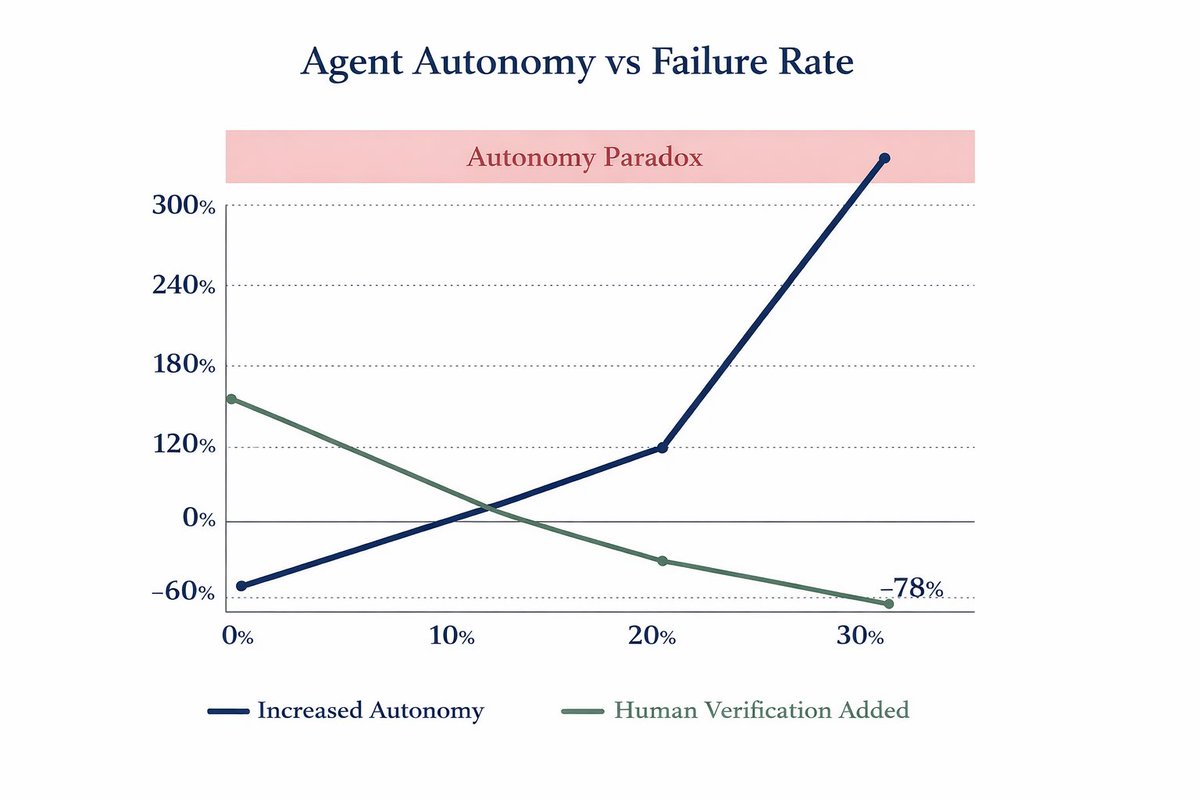
🚨 New research just exposed the AI agent paradox. Increasing agent autonomy by 30% increases failure rates by 240%. Adding human verification loops? Failure drops 78%. The math is brutal: autonomy costs more than oversight. Here's everything you need to know:
God of Prompt tweet media
English
16
19
110
18.3K
Brian Tycangco 鄭彥渊
Brian Tycangco 鄭彥渊@BrianTycangco·
I would still buy a second hand Toyota over a second hand BYD any day. That might change eventually.
English
10
0
27
3.7K
Victor T.N.
Victor T.N.@VictorTN_83·
@Mike_Taylor1972 The number of failed States that have followed the collective over individualism, or that have pretended to follow the collective over individualism?
English
0
0
0
380
Victor T.N.
Victor T.N.@VictorTN_83·
@jairmatoso @Investidoribov O controlador já sinalizou há mais de uma década que quer dar foco nos investimentos de Real Estate da família. Esse movimento é mais que esperado. Vejo até como bem positivo, porque tira um overhang do papel e livra a gestão desse controlador desinteressado no negócio.
Português
0
0
2
40
Matoso
Matoso@jairmatoso·
@Investidoribov Complicado cara! Eu sinceramente acho esse tiponde coisa uma das piores notícias ... se ta caro pro controlador, imagina pra mim! Mas enfim, com esse mercado forte desse jeito não duvido subir de volta
Português
1
0
3
210