
Vien Phan
299 posts


Chào tuần mới
Bắt đầu làm việc và kiếm tiền thôi
Chúc mọi người nhiều sức khoẻ và niềm vui
Tiếng Việt

@thuba1988 Giỏi quá bác. Tuần mới nhiều sức khỏe sớm hoàn thành mục tiêu❤️
Tiếng Việt

Chào buổi sáng X fam ☀️
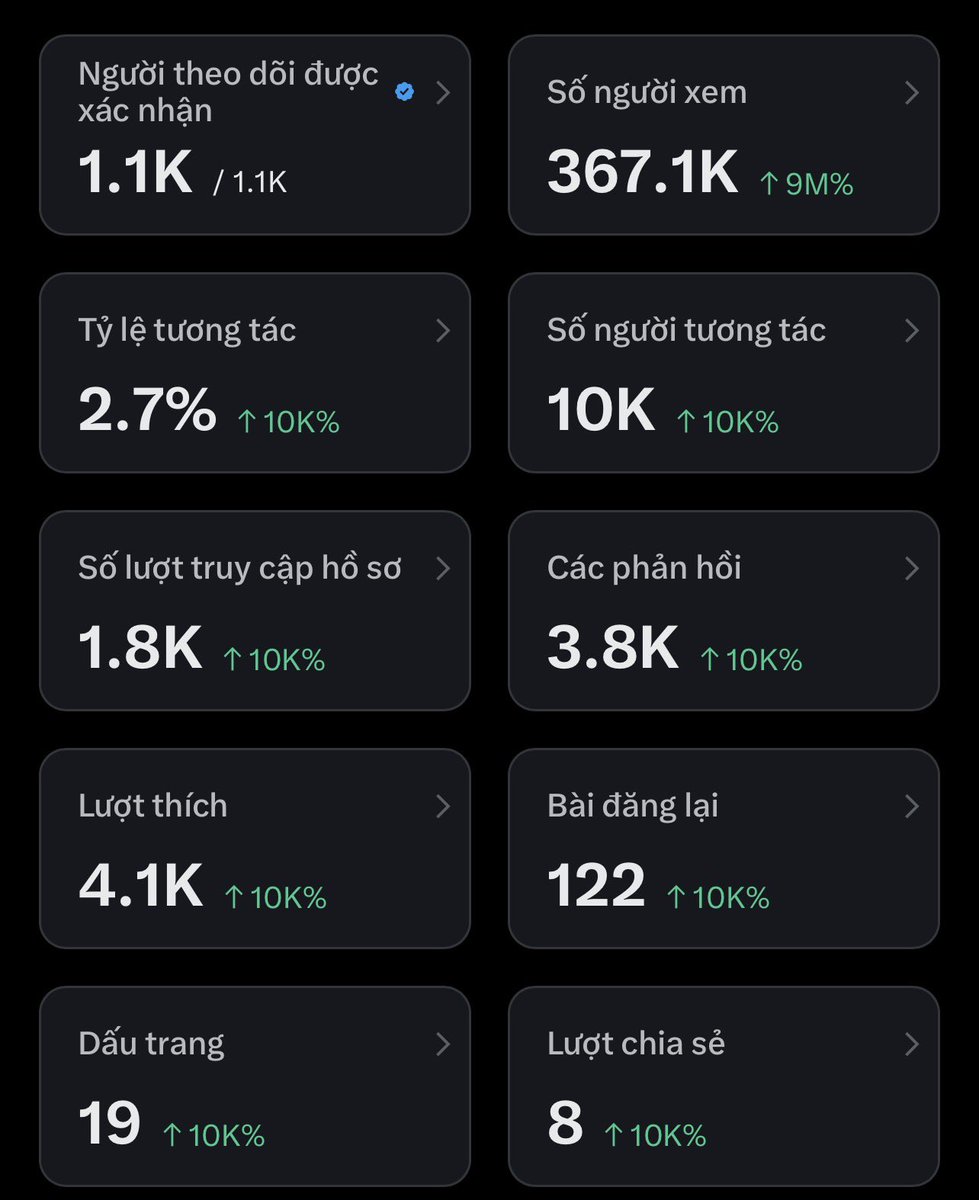
Như một thói quen ngủ dậy cầm máy bật X lên kiểm tra xem hôm qua như thế nào
Ngày thứ 12 Build X của . Chỉ số như thế này có ổn không mọi người ❓
Tiếng Việt




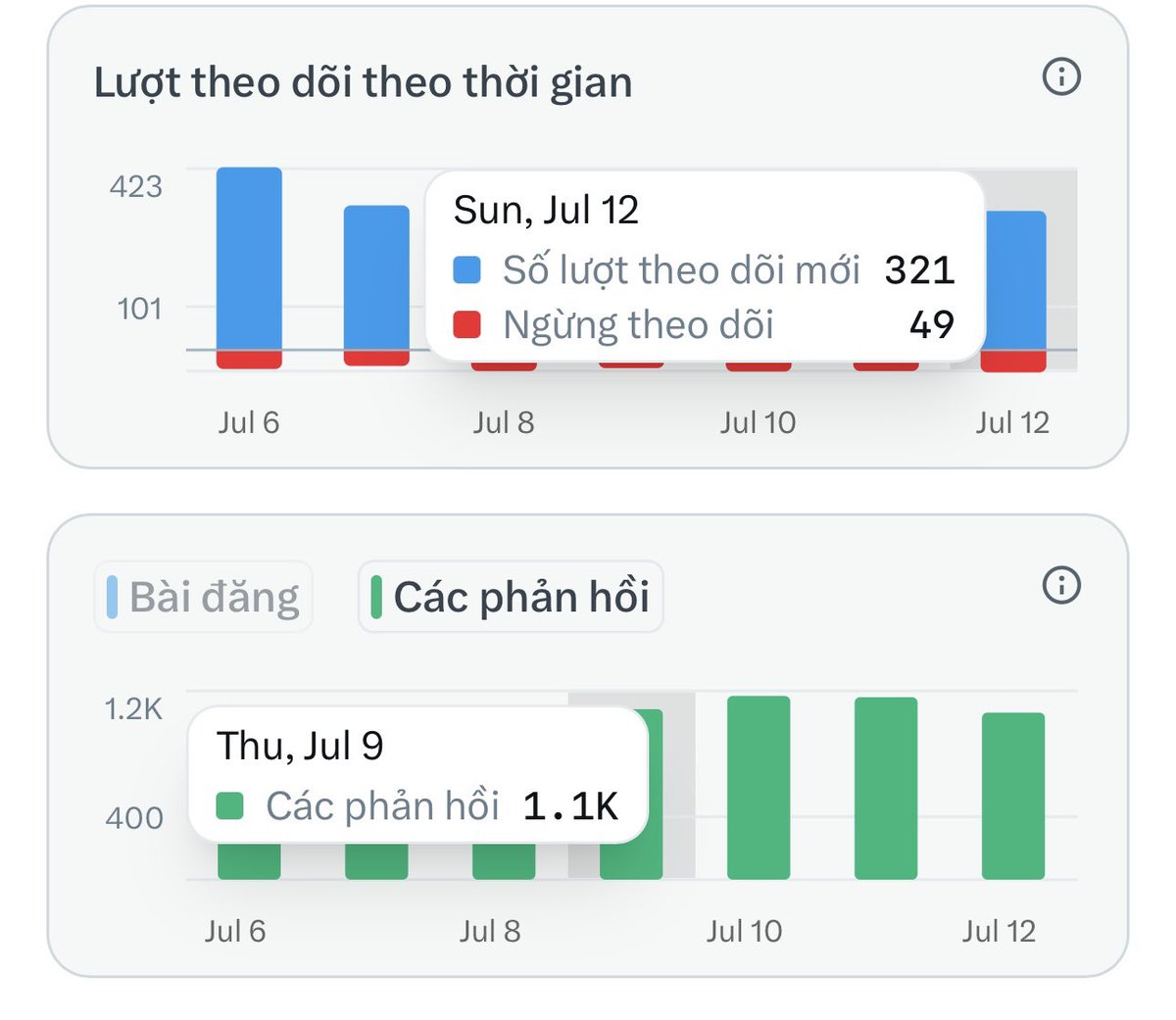


Em thành công rồi mọi người ơi
Đây là 6$, là tiền từ web3 đầu tiên của e
Rất rất nhỏ so với nhiều người
Nhưng với e nó là số tiền đầu tiên
Hy vọng e sẽ kiếm được thêm nhiều hơn nữa để trang trải cuộc sống

Tiếng Việt


国産のフルーツをバズらせたい!!
スイカにはこんなのもあるよ!!
多分日本で一番高い10万円のスイカ🍉🍉🍉
この機会に色んなフルーツを知ってほしい!

光 ~八百屋のお兄さん~@neko0v0hentai
国産レモンでもバズりたい。 バズらんかなあ…🍋🍋🍋 こんな可愛いレモンもあるんだよ🍋🍋🍋
日本語


Mọi người lên X để xây dựng thương hiệu
Còn tôi lên X để xem người khác cãi nhau, hóng drama
Rồi vô thả tim cả hai bên.

Tiếng Việt


Some updates stand out because they introduce new features. Others may seem small, yet reveal how a project is thinking about long term growth. In my opinion, the latest GenLayer Portal update falls into the second category.
When we talk about building a Web3 ecosystem, we usually focus on technology, tokenomics, or the product itself. But there's another factor that plays an equally important role in long term growth: how the community is managed and how contributions are recognized.
This is what I would call community infrastructure.
It includes the systems a project uses to recognize member contributions, verify achievements, assign permissions, and create incentives for long term participation.
When a community is still small, these processes can be handled manually. Moderators can verify POAPs, check XP, and assign roles through support tickets. That approach works.
However, as a community grows to tens or even hundreds of thousands of members, these repetitive manual tasks inevitably become bottlenecks. Members have to wait for role assignments, moderators spend valuable time on administrative work, and the overall community experience becomes dependent on people rather than the system itself.
This is the context in which I think the latest GenLayer Portal update deserves more attention.
GenLayer has now automated role assignment for Synapse and Brain. Once members meet the required criteria, such as POAPs, Community Points (XP), and Discord Level, their roles are automatically assigned across both the Portal and Discord through a daily synchronization process. The role requirements themselves remain unchanged, but they are now presented more clearly, making it easier for members to track their progress. Meanwhile, specialized roles such as Singularity, Neurocreative, and Neurohost will continue to be assigned manually through the ticket system.
At first glance, this may look like a minor quality of life improvement.
But from a broader perspective, GenLayer is shifting contribution recognition from a process that depends on people to one that is driven by the system itself. That makes role assignment more transparent, more consistent, and far more scalable as the community continues to grow.
This is also something many newcomers may overlook. Within GenLayer, roles are more than just Discord badges. They represent your level of participation in the ecosystem, reflected through factors such as POAPs, Community Points (XP), and community engagement. By automating the verification and role assignment process, everyone is evaluated against the same set of criteria, rather than relying on manual reviews or moderator availability.
It also raises an interesting question:
As AI and blockchain continue to automate technical processes, could community governance become the next area that needs to be built as infrastructure rather than treated as day to day operations?
If the answer is yes, then this update is about much more than saving moderators time or eliminating support tickets. It shows that GenLayer is gradually building an ecosystem that can scale while maintaining fairness, transparency, and efficiency in the way it recognizes community contributions.
Sometimes, the updates with the greatest long term impact aren't the flashy new features. They're the quiet improvements that make an ecosystem work better for everyone, every single day.
@GenLayer

English

涅槃重生,我们重新启航。
币安重生在4月份为大家送上寒冬市场中的一份温暖空投,收获了广泛好评,但苦于当时的市场条件,我们没能将这份温暖持续带给大家。
今日不同往日,市场认可了我们的理念,我们也决定再次回馈市场散户。
涅槃(Nirvana)空投,40%全部空投给散户,共2000份,每人20万枚代币,小小心意🫡
领取条件:蓝v、关注、转发此推文。
我们没有设置任何的KOL份额,全部份额分发给散户朋友,因为我们知道,市场的牛熊是由大家决定的,去中心化的魅力永远大于单一话语权。
空投将在代币迁移后的5-10分钟内启动
rebirthbsc.fun
ca:0x56ad85c01e20fc3b19d955882a95460b425d4444

中文