Vince Graham

1.3K posts

Vince Graham

Vince Graham

@VincentGGraham

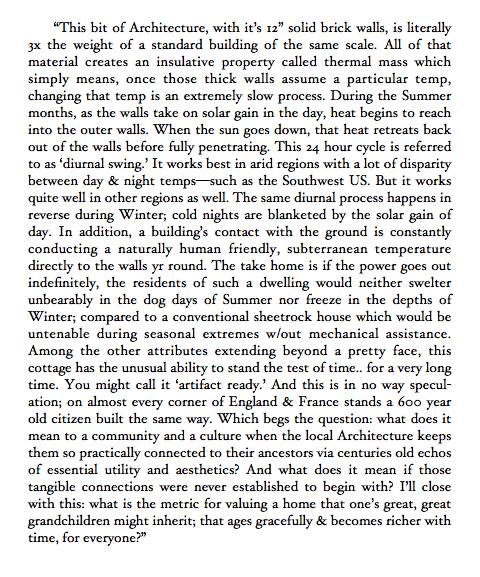
Aspiring civic artist working to develop opportunities for the creation of enduring aesthetic, economic and social value.

Charleston, SC Katılım Haziran 2009
104 Takip Edilen1.7K Takipçiler
Vince Graham
Vince Graham@VincentGGraham·
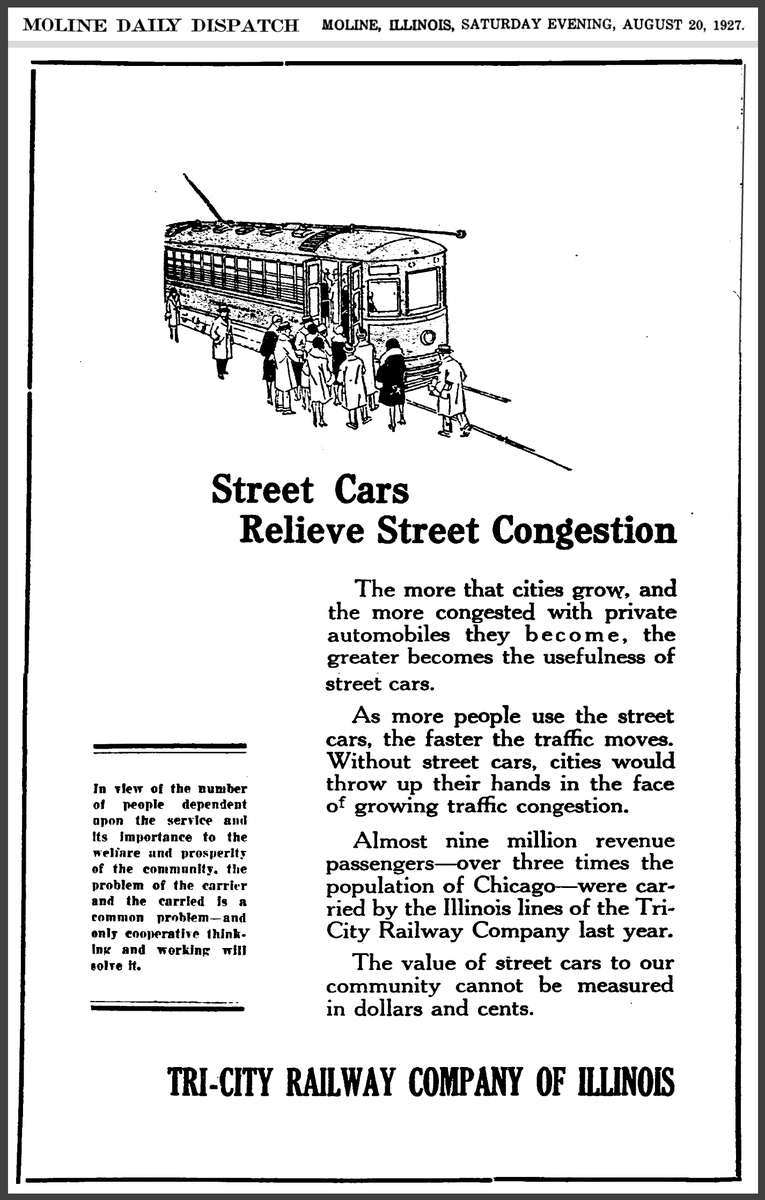
@PeterNorton12 Thanks! The wonderful advertorials from the 20s and 30s that you post… beyond the efficiency argument, did the street car railway me ever point out that they’re paying for the right to operate their streetcars on public rights-of-way?
English
1
0
1
20
Peter Norton
Peter Norton@PeterNorton12·
@VincentGGraham Close. Yes, they were private companies. Instead of paying a fee, they operated under a franchise agreement with the city. The street railway got a protected monopoly. In return, it had to agree to a fixed fare, a regulated rate of return to investors, and service obligations.
English
1
0
1
18
Peter Norton
Peter Norton@PeterNorton12·
“Without street cars, cities would throw up.”
Peter Norton tweet media
English
1
1
14
262
Vince Graham
Vince Graham@VincentGGraham·
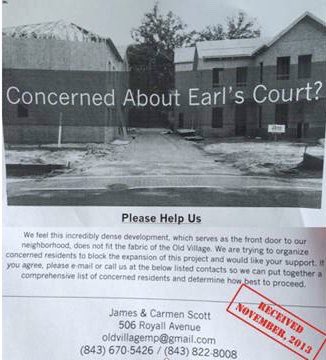
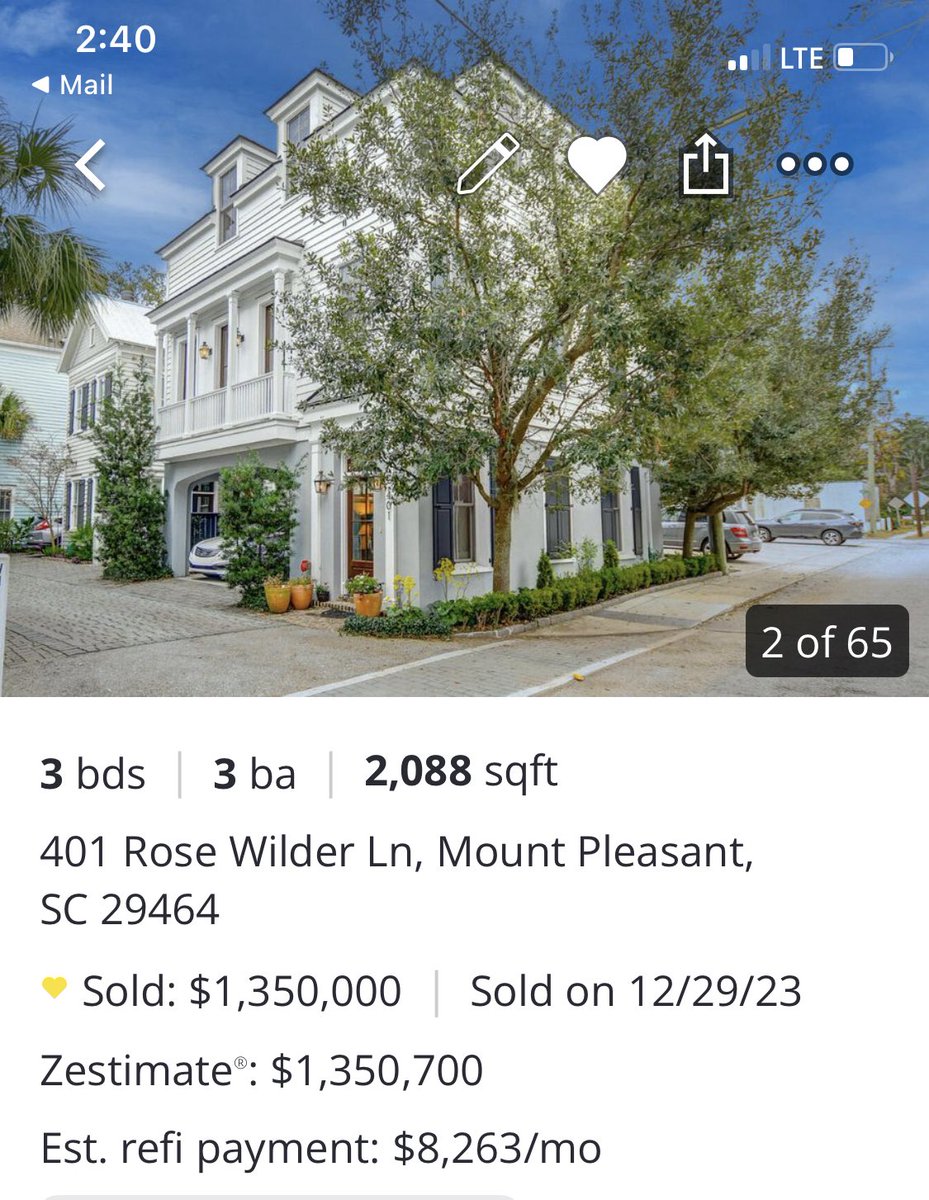
Thanks Aaron. The entire site is 1.3 acres so density actually exceeds 30/acre. And that’s not counting ground floor accessory dwelling units, of which there are several. Homes initially sold in the $200-450k range. Here’s a re-sale from 2 years ago. Tax value per acre > $30 million.
Vince Graham tweet media
Aaron Lubeck@aaron_lubeck

"Earl's Court is over 20 homes per acre in a detached single-family form. Which is unprecedented—especially when you consider that the site also includes a renovated historic structure for art galleries and future space for a 23-room boutique inn and restaurant." --All Four Sides are Fronts aaronlubeck.com

English
3
8
55
10.5K
Vince Graham
Vince Graham@VincentGGraham·
From the Archives, published 30 years ago today… "We need a new neighborhood model.” This was the first of a two-part opinion piece I was asked to write for the Hilton Head, SC newspaper. I’ll share Part 2 tomorrow. locisouth.com/blog/2026/2/25…
English
0
2
3
157
Vince Graham
Vince Graham@VincentGGraham·
Good list! Add the U.S. Supreme Court’s opening the morally hazardous Pandoras Box of federal infrastructure funding in 1907.
Vince Graham tweet media
Geoff Graham@ggraham

Here's an incomplete list of federal intervention that has promoted, mandated, and subsidized the destruction of our cities’ and towns’ historic urban fabric, the destruction of our rural landscape, auto-dependency, and the uglification of America. - Federal Aid Road Act (1916) (Indirect, Major) - Federal Aid Highway Act (1921) (Indirect, Major) - Home Owners' Loan Act (1933) (Indirect, Major) - National Housing Act (1934) (Indirect, Major) - Hayden-Cartwright Act (1934) (Indirect, Major) - Federal Housing Administration (FHA) Underwriting Manual (1934) (Indirect, Major) - Federal Highway Administration (FHWA) Manual on Uniform Traffic Control Devices (MUTCD) (1935) (Indirect, Major) - Federal Aid Highway Act (1938) (Indirect, Major) - Servicemen's Readjustment Act (1944; also known as the GI Bill) (Indirect, Major) - Federal-Aid Highway Act (1944) (Indirect, Major) - Veterans Administration (VA) Loan Guaranty Program Standards (1944) (Indirect, Major) - Housing Act of 1949 (Direct, Major) - Department of Housing and Urban Development (HUD) Urban Renewal Program Guidelines (1949) (Direct, Major) - Internal Revenue Code of 1954 (Indirect, Major) - Housing Act of 1954 (Direct, Major) - Federal Highway Administration (FHWA) Adoption of AASHTO's A Policy on Geometric Design of Highways and Streets (Green Book) (1954) (Indirect, Major) - Federal-Aid Highway Act (1956; also known as the National Interstate and Defense Highways Act) (Direct, Major) - Federal-Aid Highway Act (1958) (Indirect, Major) - Federal-Aid Highway Act (1959) (Indirect, Major) - Housing and Urban Development Act (1968) (Indirect, Major) - Federal-Aid Highway Act (1968) (Indirect, Major) - Clean Air Act (1970) (Indirect, Minor) - Uniform Relocation Assistance and Real Property Acquisition Policies Act (1970) (Direct, Minor) - Housing and Community Development Act (1974) (Indirect, Minor) - Energy Tax Act (1978) (Indirect, Minor) - Chrysler Corporation Loan Guarantee Act (1979) (Indirect, Major) - Intermodal Surface Transportation Efficiency Act (1991) (Indirect, Major) - Taxpayer Relief Act (1997) (Indirect, Minor) - Transportation Equity Act for the 21st Century (1998) (Indirect, Major) - Energy Policy Act (2005) (Indirect, Minor) - Safe, Accountable, Flexible, Efficient Transportation Equity Act: A Legacy for Users (2005) (Indirect, Major) - Energy Independence and Security Act (2007) (Indirect, Minor) - Emergency Economic Stabilization Act (2008) (Indirect, Major) - American Recovery and Reinvestment Act (2009) (vehicle sales tax deduction provision) (Indirect, Minor) - Consumer Assistance to Recycle and Save Act (2009; also known as Cash for Clunkers) (Indirect, Major) - Moving Ahead for Progress in the 21st Century Act (2012) (Indirect, Major) - Fixing America's Surface Transportation Act (2015) (Indirect, Major) - Infrastructure Investment and Jobs Act (2021; also known as the Bipartisan Infrastructure Law) (Indirect, Major) - Inflation Reduction Act (2022) (vehicle tax credits and manufacturing provisions) (Indirect, Minor) - One Big Beautiful Bill Act (2025) (Indirect, Major) One might reasonably include the Federal Reserve Act (1913), as it provides the means to federally finance the drastic remaking of American settlement patterns.

English
0
2
2
497
Vince Graham
Vince Graham@VincentGGraham·
Urban vs. SUB-urban vs. Dysturban…
Wrath Of Gnon@wrathofgnon

"Most modern towns and cities devote somewhere between 25-60% to parking lots and access roads to these parking lots. Mandatory parking and even more so, mandatory driving and mandatory commuting, makes every new building or home built a new headache for the people who already live there. In a human scaled town, a two story apartment building getting three more floors means more neighbors, more life in the street, new faces in the local taverna, more customers in your barber shop, more potential team mates for your kid’s soccer team. It could also mean more tax income to fund your local library, more people to join your Veteran’s Association or Bird Watching Club or Volunteer Ambulance Crews. And on the other side… In an un-human scaled town, a new apartment buildings means swathes of new parking, worse air, more toxic run-off, worse floods, worse summer heat, more use of air conditioning, more cars on the streets, more crashes, more congestion, more driving to get anywhere, less places to play, less places where you can let your children roam un-supervised, less places where you can escape to nature. And what is worst: the people who live there will mostly only return home to sleep. They do their shopping somewhere else, they work somewhere else, they go to church somewhere else, they might even pay their taxes somewhere else. They are not and never will be, part of your community. Who in their right mind wants to see new buildings go up in a town where cars rule, and streets and buses are full as it is?" — Defining the Human Scale as it relates to town and cities: Part I (photos by Rale P.)

Indonesia
0
1
3
444
Vince Graham retweetledi
Wrath Of Gnon
Wrath Of Gnon@wrathofgnon·
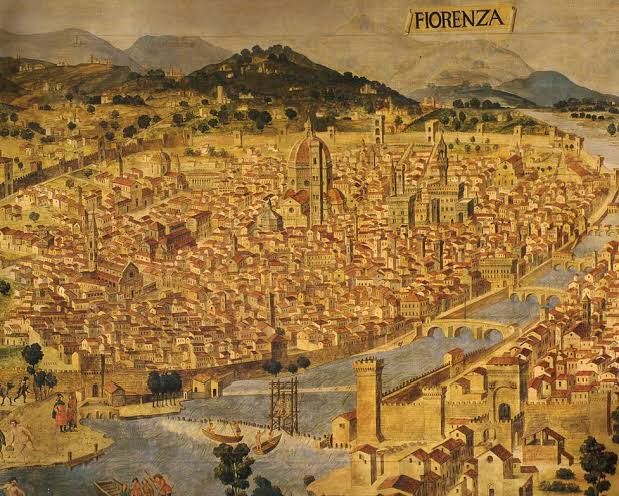
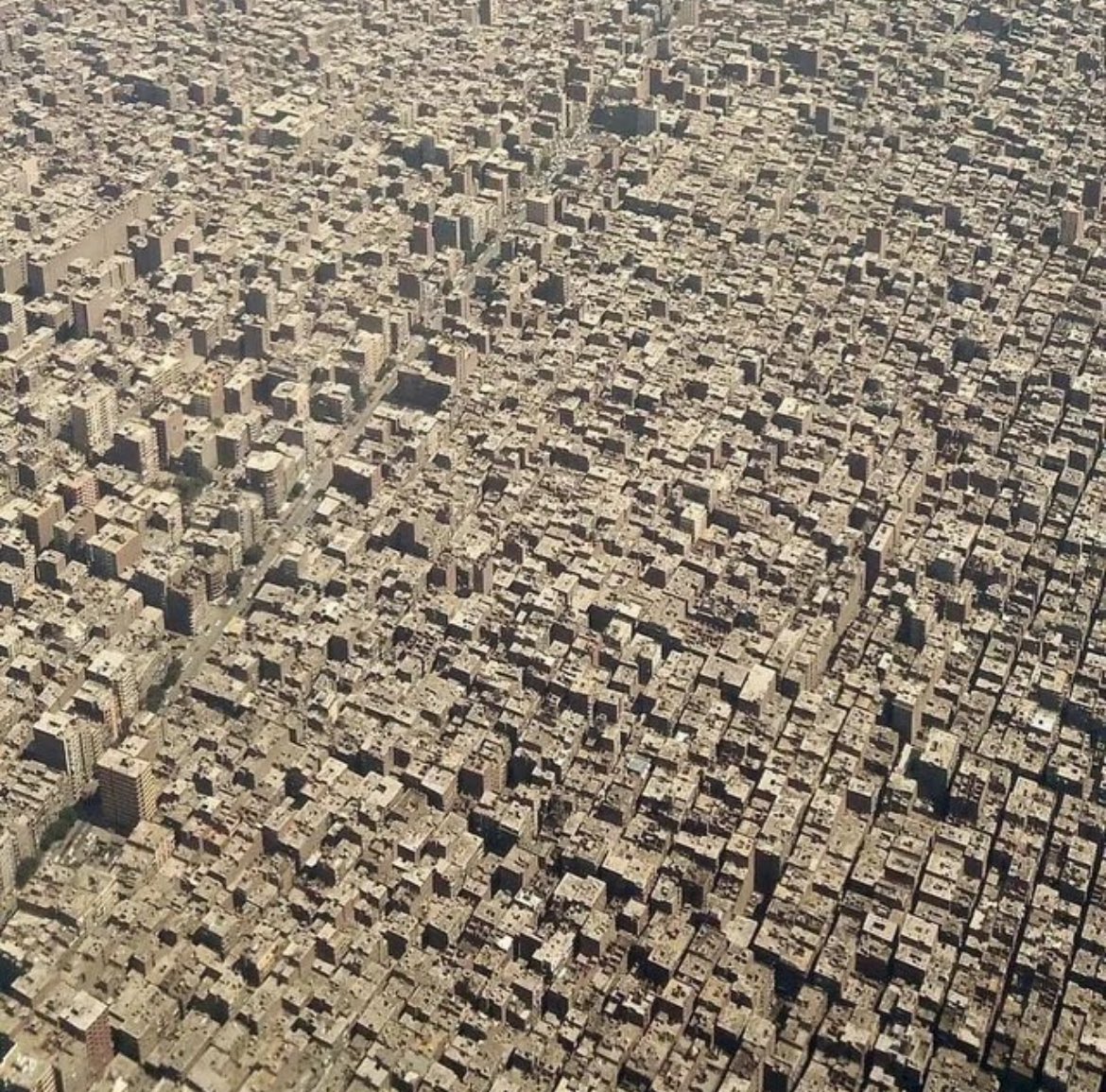
Renaissance Florence produced more art in 70 years with a pop. of 70k than the whole of the world in the last 70 years (both by tonnage and by value). For music we have Salzburg, Vienna, and so on. The law of diminishing returns in city size and population is an iron law.
Wrath Of Gnon tweet mediaWrath Of Gnon tweet media
English
29
118
1.3K
40.8K
Vince Graham
Vince Graham@VincentGGraham·
From humble village to urban masterpiece, Enea Silvio Piccolomini’s redevelopment of Corsignano in Tuscany shows how bold vision and civic generosity can shape place and community. Corsignano: A Case Study of Development as Gift — Loci locisouth.com/blog/corsignano
English
0
3
11
2.2K
Vince Graham
Vince Graham@VincentGGraham·
“There are a thousand hacking at the branches of evil to one who is striking at the root.” ~Henry David Thoreau. Sprawl apologists can learn from root-striker Rothbard...
Vince Graham tweet media
English
0
0
1
236
Vince Graham
Vince Graham@VincentGGraham·
What the hell is a “free” way? To paraphrase Judge Doom: “Lanes of shimmering asphalt…traffic jams will be a thing of the past. Where people get on & off, off & on, all day, all night! A string of gas stations, inexpensive motels, restaurants that serve rapidly prepared food, tire salons, auto dealerships, lube shops, sprawl-marts, $ Stores & wonderful billboards as far as the eye can see… it’ll be beautiful.” youtu.be/z75lu0wKbX8?si…
YouTube video
YouTube
Geoff Graham@ggraham

Cc @GeneSohoForum Per Vince’s Bastiat quote and the topic of our transportation infrastructure, I’d enjoy a SohoForum debate on whether or not big box retailers (Dollar General, Super Walmart, etc) result from the free market and are good for consumers, or are they perversions of market intervention that leverage subsidy to syphon opportunity away from communities.

English
0
1
3
889
Vince Graham retweetledi
Geoff Graham
Geoff Graham@ggraham·
An evermore cumbersome regulatory climate is a huge factor driving the decline in construction labor productivity, but an underappreciated-and-maybe-bigger factor is Talent Pool Competence. If you mount a hundred year long, society-wide campaign to discourage every ambitious, motivated, and competent young man from making a living by working with his hands, you're going to end up with industries that depend on manual labor becoming filled with the sorts of people who can't find work elsewhere. They will become filled with illegal immigrants, people who don't speak English, people with criminal records, people with drug problems, etc. These industries will become our employers of last resort. Construction requires humans to do complicated things with their hands while collaborating with others IRL. In other words, it's extremely resistant to automation—much more so than manufacturing and agriculture—and so a less competent workforce will lead to plummeting productivity that can't be reversed by innovation. Had we not spent the last century discouraging young men from entering the trades, I don't know that worker ingenuity necessarily would be able to offset our sclerotic regulatory burdens, but the situation would certainly not be as dire as it is. Add up the fully-loaded cost of the productivity decline and you have a HUGE part of the explanation for why housing costs are so high. Yes, regulatory climate is a big part of it as well, but it's difficult to overstate the cost of our culture-wide, century-long war against the skilled trades. What a disaster that war has been for America.
Russ Greene@GreenPlusAnE

The US is the world leader in construction productivity decline.
English
4
4
17
3.7K