
Sabitlenmiş Tweet
Daniel
58.6K posts
Daniel
@VoteLewko
Broadcaster. Security Expert. Kicked out of 109 subreddits. (Click view more).
Australia Katılım Ocak 2022
6.4K Takip Edilen21.5K Takipçiler
@naughtynanna01 It was climate change and I will take no further questions.
English

@VoteLewko 😂 That was such a common problem at the drive-in.
English
I saw Supergirl at the drive-in cinema at Blacktown. Or at least I bought a ticket. Didn't actually see much of the movie. Windows all fogged up you see.
End Wokeness@EndWokeness
BREAKING: Supergirl ticket sales down by 90% from opening weekend ($3.8 million domestic earnings) Now projected to lose $240+ million
English
I recommend everyone go while these things are still around. You pay per car and not the number of occupants so you could fit a family of five for the price of a couple of tickets at the regular cinema.
Or you could do the Nasser Mashni trick of putting someone in the boot of the car.
English

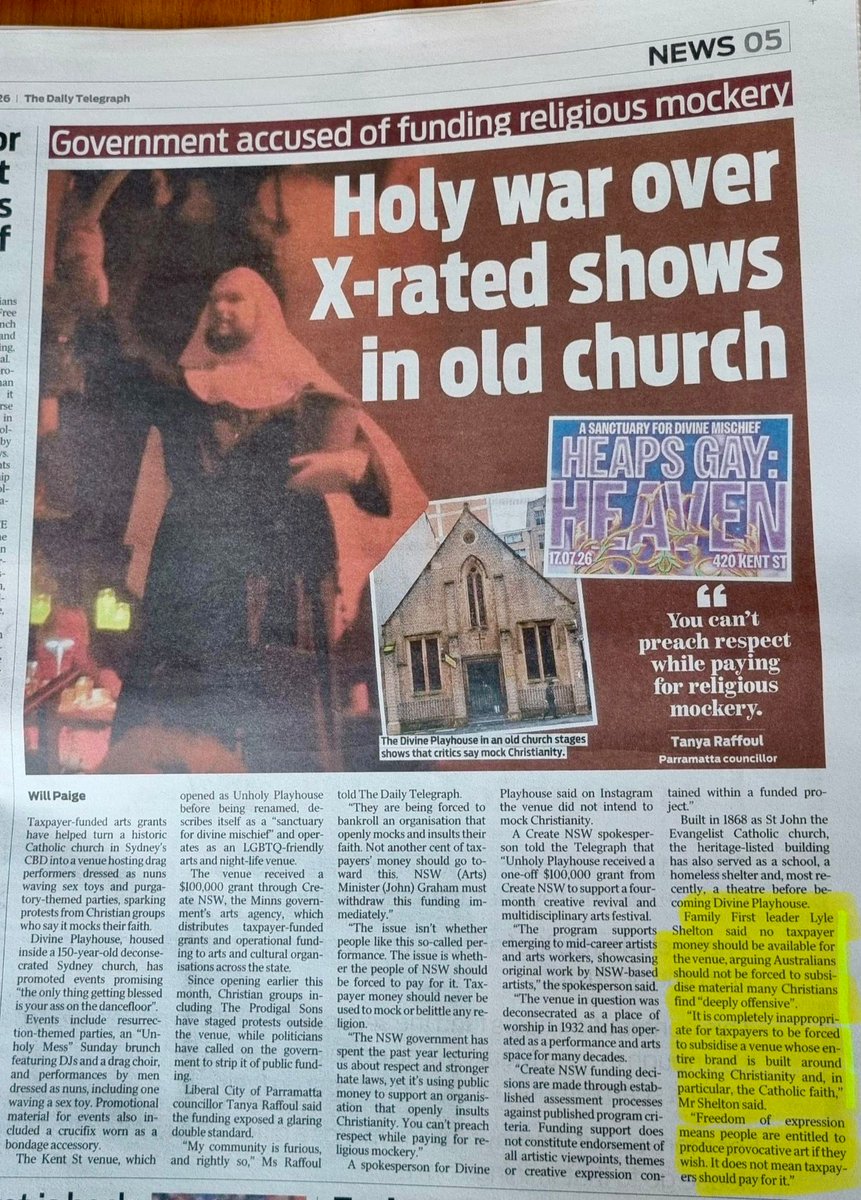
The double standard is on show every year at the Mardi Gras, where you will see nuns mocked despite being the only group that would literally touch gay HIV patients during the height of the AIDS epidemic. You will however never, ever see mockery of the one religion which, in 2026, is still murdering homosexuals.
With respect to this drag performance, I don't mind what happens inside deconsecrated houses of worship. But I do question why any taxpayer money is going toward this sort of so-called art, irrespective of where it's performed.
English


Israel had a problem, and Germany had a solution. Israel needs more manufacturing capacity for Iron Dome components. Volkswagen, having failed to establish itself as a leader in electric vehicles and bleeding market share to Chinese imports, has capacity to spare. So the two problems found each other: Volkswagen’s management board green-lit converting a production line to defense manufacturing under a deal with Israel’s Rafael, saving thousands of German jobs in the process. A win-win.
Until the Qataris intervened and sank the deal.
Why do the Qataris have a say in what German factories build? Because, according to Bild, the Qatari sovereign wealth fund holds 10.4 percent of Volkswagen’s shares and 17 percent of its voting rights—and it vetoed the deal for one reason: the company slated to manufacture at the plant is Israeli. Qatar spent years funding Israel’s enemies and is now spending its equity blocking Israel from intercepting the missiles it paid for.
Volkswagen confirmed that its Qatari shareholders vetoed the cooperation at the Osnabrück plant but said it would keep seeking partnerships to save the site. Good luck to the 2,300 workers employed there—all facing layoffs by the end of 2027.
The Qataris had help, of course. Peace activists and opposition parties had criticized the conversion from the start, insisting Volkswagen manufacture only for the civilian market—never mind that everyone in Germany has understood for over a year that tens of thousands of jobs are gone without exactly this kind of reform. The protests intensified once the partner turned out to be Israeli, with radical left-wing activists, backed by the Left Party, declaring it “a deal that the German public cannot accept” given Netanyahu’s military activity across the Middle East.
And this is not just about Volkswagen. According to Bild, the $4.2 billion deal for German shipping giant Hapag-Lloyd to acquire Israel’s Zim is also apparently collapsing—and here too, senior Israeli sources point to Gulf money inside the German corporation: the Qatari sovereign wealth fund holds 12.3 percent of Hapag-Lloyd, the Saudi fund another 10.2 percent.
Nor is the creeping problem exclusive to Germany. As FDD’s Natalie Ecanow has documented, the state of 330,000 citizens, half the size of New Jersey, has invested some 400 billion dollars in the United States—roughly 1.2 million dollars per Qatari citizen. From defense and energy to basic infrastructure and manufacturing, the Qatari octopus has slipped its tentacles into countless sectors of the U.S. economy. As the Volkswagen case demonstrates, these investments can pay more than one kind of dividend.

English

@VoteLewko @gratitude52 Thank you for highlighting our new report. I was honored to present our findings in the House of Lords last week. While the focus was on the UK, the same dynamic is taking place in Australia, Canada, and other Western countries.
English
@AnneHerzberg14 @gratitude52 Failures and shifts that have occurred over 20 years in the UK are happening at warp speed here.
I'd invite you down under to repeat the exercise but it wouldn't surprise me if you had a visa denied.
English
NGO Monitor's new report should be required reading in Canberra.
40 anti-Israel UK protest groups mapped. 19 of them on the taxpayer's payroll. 11 tied to extremist networks – the IRGC, Hamas, Hezbollah, the PFLP. 13 operating with zero regulatory oversight. Foreign funding from half a dozen governments. Two raising money in crypto.
If Britain's "grassroots" protest movement turns out to be a coordinated, internationally financed machine – ASIC, the ACNC and the AFP need to ask exactly the same questions about the slick machine running here since 9 October 2023.
Same weekly marches. Same tactics. Sydney's started at the Opera House the same week London's did.
If that's what transparency failure looks like at scale in Britain what exactly is the ACNC checking on the groups running Australia's marches?
Who's mapping this?
NGO Monitor@NGOmonitor
🚨Our groundbreaking new 129-page report is the first comprehensive mapping of the organizations behind Britain's post-Oct 7 anti-Israel, antisemitic protest movement. 6 groups coordinated the vast majority of the major protests we analyzed, with a protest network including foreign funding, major transparency gaps, and groups with links to extremist organizations. 🧵>>
English
You diminish your argument by slurring another entirely innocent group of people with disabilities.
It's time to stop thinking calling people retarded is edgy. The joke's over and it's just hurting people who have enough challenges without also being lumped in with idiots.
Laurence Fox@LozzaFox
Careful chaps, it seems they have cottoned on to the fact that we don’t give a monkeys if they call us racist pricks anymore. So they have deployed their new super weapon. Calling us racist pricks IN CAPITAL LETTERS. Sorry retard, your race card is still declined. 😘
English
@LyrebirdDream @MichaelWestBiz I can't remember the last time I saw the word facts and Michael West used in the same sentence.
English

Jillian Segal blames the ABC, SBS and radical uni students for Israel’s growing unpopularity in Australia.
Australians are responding to something much simpler: the humanitarian reality in Gaza.
Read the facts for yourself @MichaelWestBiz.👇🏽
michaelwest.com.au/what-ceasefire…
English
Ordinarily you CAN dial 000 to test a system (we do it weekly) as there is an initial recorded message during which you can terminate the call.
The issue here is that Telstra were logging failed attempts and performing welfare checks. However she's being attacked for political reasons.
English
Sarah Henderson dialled 000 and got no answer. It could not have disrupted the system - there was no system operating. She was testing the system i.e. doing a probity check to see whether she and others could rely on it.
#She couldn't.
The establishment doesn't like probity checks being done to verify the systems are operating as claimed.
English
@GreensAU2 Charlotte Walker is brilliant. Most Labor MPs go 30-40 years without ever having a real job before getting elected. She did it straight out of school.
English

Why are we paying Charlotte Walker $230,000 a year to make TikTok videos?
English
@PhilPggreen1 @7NewsAustralia Do you expect foreigners and tourists to register for that?
English


Passengers arriving at Australian airports will no longer need to fill out paper-based passengers cards, as digital replacements are introduced for millions of travellers. Over the next four years the federal government said it will provide $56.1 million to roll out the digital passenger cards in airports across the country, making the process smoother for travellers. #digital #airport #airline #travel
English
@MaryKostakidis The mentally ill outcasts have lost their regular weekly social outing so the Palestine Action Group desperately needs an excuse.
English

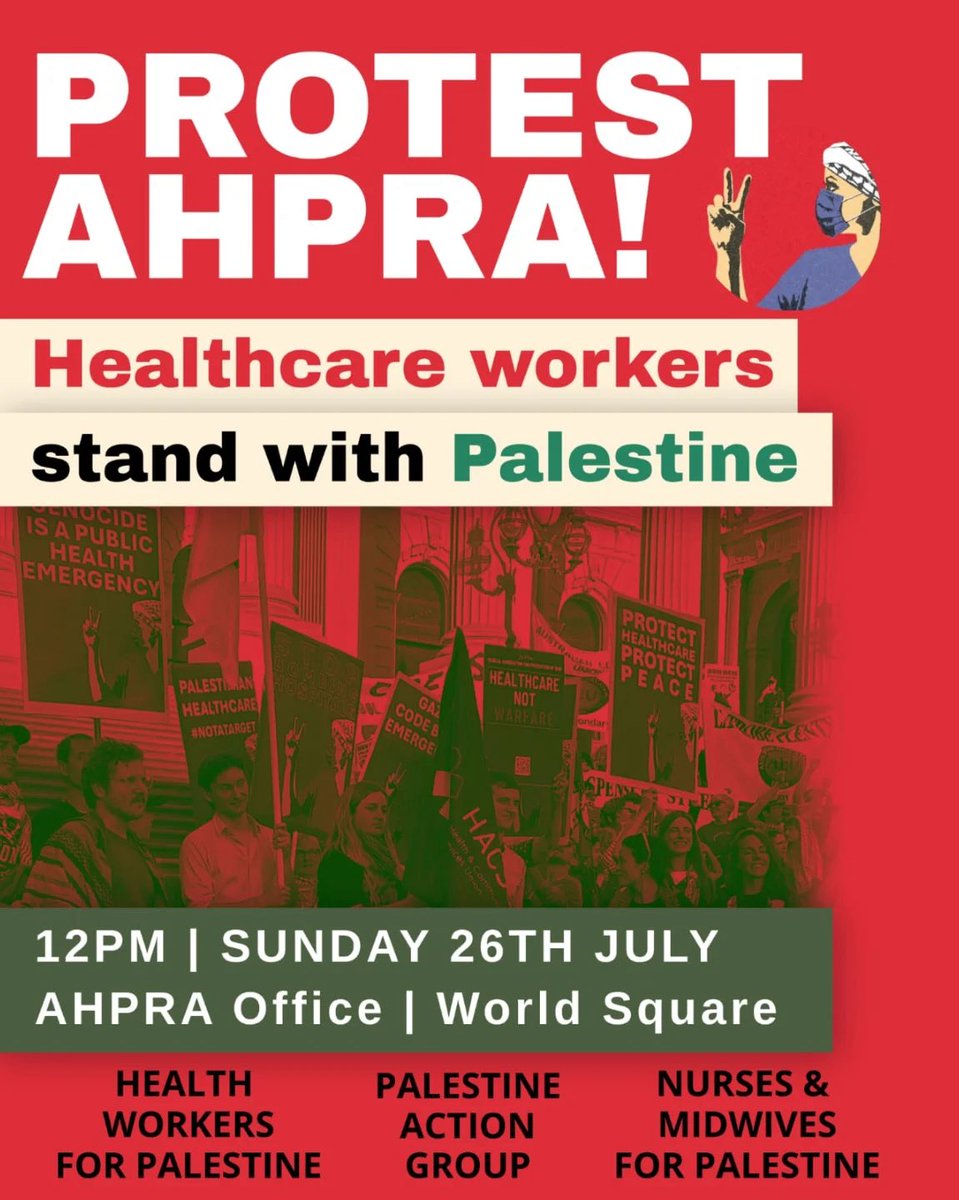
A protest against the adoption of the IHRA definition of antisemitism by the Health Care workers regulator will take place outside their offices in Sydney on 26 July
English


@VoteLewko It will be the same here for sure.
I mean look at that Hamas-cuck Josh Lees? He doesn't seem to work....Where does the money come from? Who funds the QCs that he ricks up to the Supreme court with to challenge laws that have been passed, appeal protest denials and so on?
English
@JasonClareMP Have you run this past the campus teatowel collective?
English
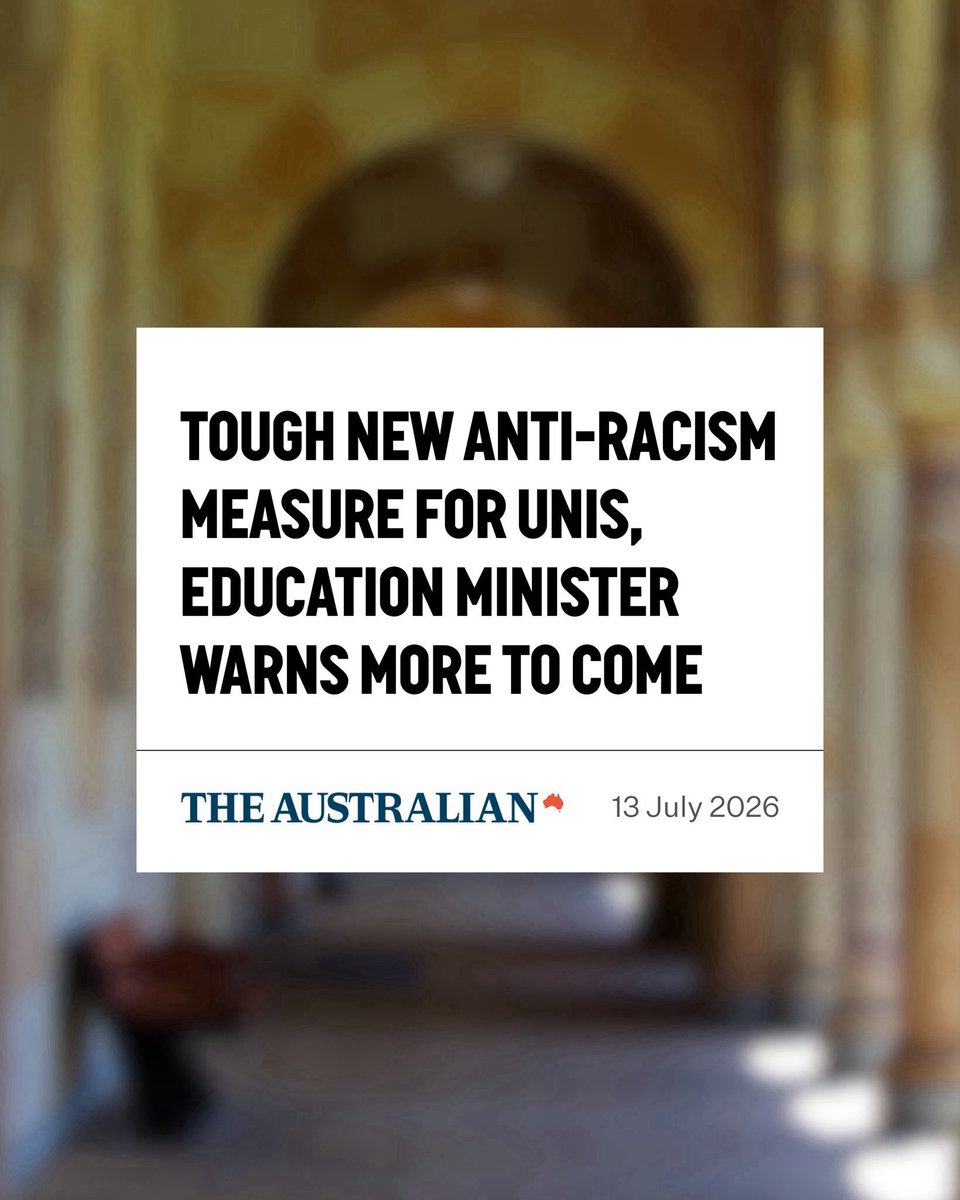
There is no place for racism or any type of hate in our universities or anywhere else.
That’s why we’re changing the law so unis will have to act to prevent racism and respond when it happens.
English