
WDWTX
8.6K posts






WDWTX retweetledi

MUST WATCH: We asked the 13-year-old student who was barred from presenting her pro-life poem because it’s “offensive”, to read her poem so we can share it with the world.
PURE FIRE🔥
This is the poem @JeffcoSchoolsCo doesn’t want you to see.
Would be a shame if it went viral!
Libs of TikTok@libsoftiktok
EXCLUSIVE Colorado Teacher REFUSED to allow a 7th grader to present her pro-life slam poetry submission because it’s “offensive” and might make kids feel “unsafe.” Some examples of accepted topics in the class are slamming the 2nd amendment, mocking Jesus, and lgbtq rights. Staff admitted that the poem met all the requirements however couldn’t be read out loud because it’s “politically charged.” The teacher also initially tried kicking this 13-year-old girl out of class during the poem presentations but allowed her to stay after pushback. We spoke with the mother and daughter who shared their story and with us and why being pro-life is so personal to them. This happened at Drake Middle School in @JeffcoSchoolsCo.
English
@kunoichi_jp_ This may sound silly, but we were amazed by how good the rice was. Night and day compared to rice the USA.
English

What surprised you the most when you visited Japan?
Food?
Trains?
Convenience stores?
Clean streets?
People’s manners?
I want to hear from foreigners who love Japan.
English
@wakaru9922 We looked for it when we're there, but we couldn't find it. Next time.
English


続けようと思うから整理する時間が欲しいだけ。
だから結論を決めるのに長くかかる。
終わりと決めていればすぐ結論は出る。
継続って難しい。
終わらせるのも簡単ではない。

日本語

@kunoichi_jp_ My mother was Japanese. Unfortunately, she passed when I was 15, but I still have a lot of memories from that time. I'm interested in finding out more about her history and maybe distant relatives.
English
To everyone who loves Japan:
What made you interested in this country first?
Anime?
Food?
History?
Travel?
Games?
Culture?
I’d love to hear your Japan story.
English





I've been to 95% of the NFL's stadiums as a reporter. Lumen Field is definitely not needing a replacement. Not anytime soon.
Don't know why an owner would come in and want to replace one of the best home field advantage stadiums in sports anyway. It's in outstanding shape!
English
@tanpukunokami I haven't had a Krispy Kreme donut in years. For me they're too sweet.
English

An American doughnut shop is dying in America.
In Japan, it's never been more alive.
The brand is Krispy Kreme. Founded in North Carolina, 1937. Famous for one thing: the Original Glazed.
In America, the company has had a rough few years. Sales dropped. A big partnership with McDonald's fell through last summer. The company has been quietly shrinking.
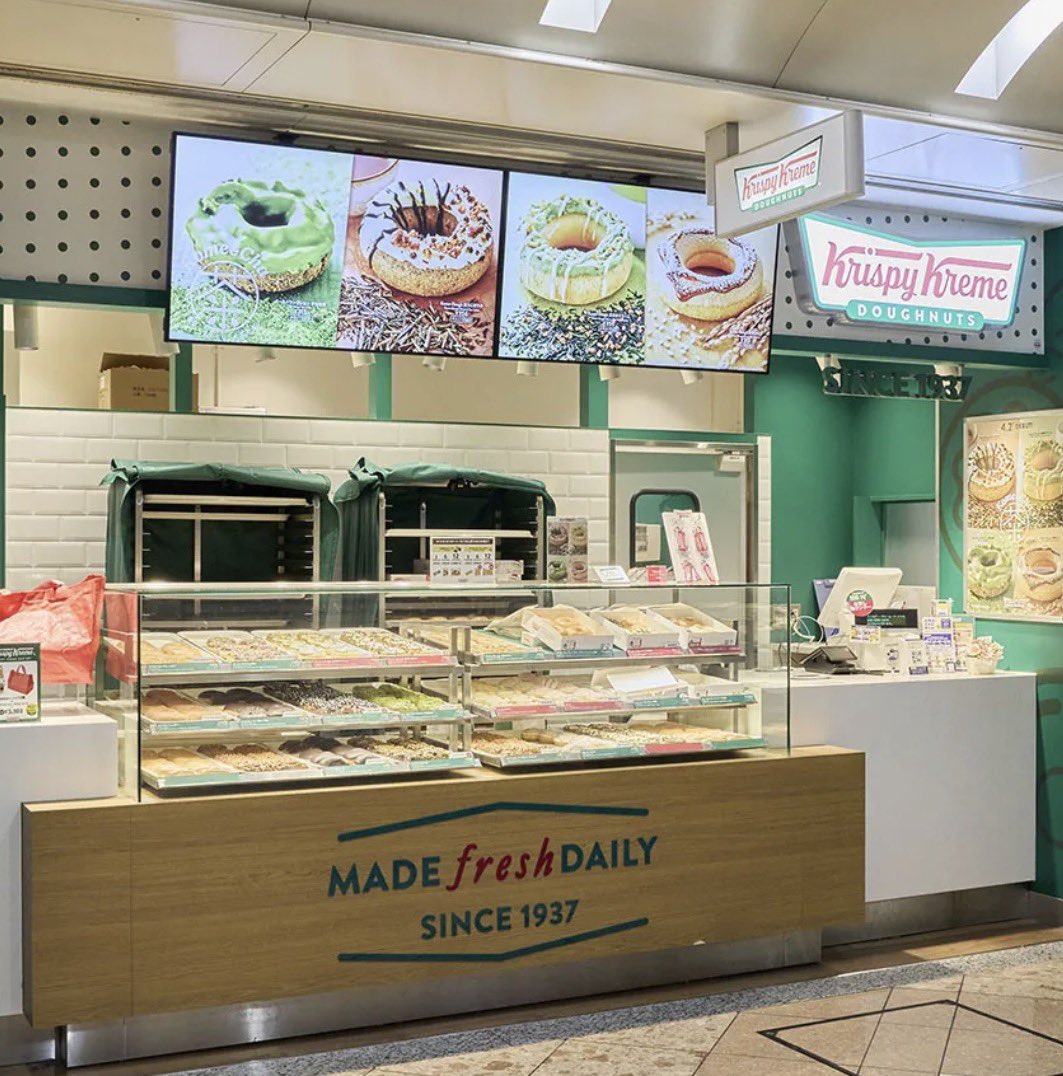
In Japan, 89 stores. The most in the brand's 20 years here. Their best year in Japan, ever.
Krispy Kreme arrived in Tokyo in 2006. People lined up for two hours. Free doughnut giveaways went viral. The "Donut Theater," a glass wall where you can watch the doughnuts being glazed in real time, became a Tokyo attraction by itself.
Then in 2015, the buzz faded. Half the stores closed. Newspapers asked if Krispy Kreme was leaving Japan.
It wasn't.
A new Japanese CEO took over that year and made a decision nobody expected. Instead of saving every store, she closed them. Pulled out of most regions. Concentrated on Tokyo, Nagoya, and Osaka. Rebuilt staff training from scratch.
Then, slowly, she found a new place for the brand in Japanese daily life.
Tiny take-out kiosks at train stations.
Cabinets inside Japanese supermarkets.
Boxes designed for *temiyage*, the Japanese custom of bringing a small gift when you visit someone's home.
The Original Glazed recipe never changed. Same dough. Same glaze. Made the same way as it has been since 1937.
What changed was the role of the doughnut.
In America, a Krispy Kreme is a treat you eat.
In Japan, it became a gift you give.
That's the Japanese way with foreign brands.
When something arrives from overseas, Japan doesn't just import it. Japan adopts it, reshapes it, gives it a place in someone's daily life. And keeps it alive long after the rest of the world has moved on.
Take Mister Donut. Founded in Boston, 1956. In America, it was absorbed by Dunkin' Donuts in 1990 and basically disappeared.
In Japan, it's the biggest doughnut chain in the country. Over 1,000 stores. The brand most Japanese people assume was born here.
Krispy Kreme just stepped onto that path.


English