
Wilfried AKILIMALI LINJANJA retweetledi
Wilfried AKILIMALI LINJANJA
3.1K posts

Wilfried AKILIMALI LINJANJA
@WLinjanja
Avocat au barreau du Nord-Kivu📚⚖️ /Peace builder🕊🇨🇩 Consultant🎯☯️/Youth Leader🗣 Porte-parole honoraire des étudiants de I'ULPGL-Goma et Nord-Kivu2022-2023
Goma-RDC Katılım Mart 2019
941 Takip Edilen1.3K Takipçiler


Wilfried AKILIMALI LINJANJA retweetledi

Thomas Sankara disait :
"Si vous voyez un dirigeant africain être applaudit et honoré par l'Occident, ce qu'il a déjà trahi son peuple."
Allons seulement...

Français
Wilfried AKILIMALI LINJANJA retweetledi
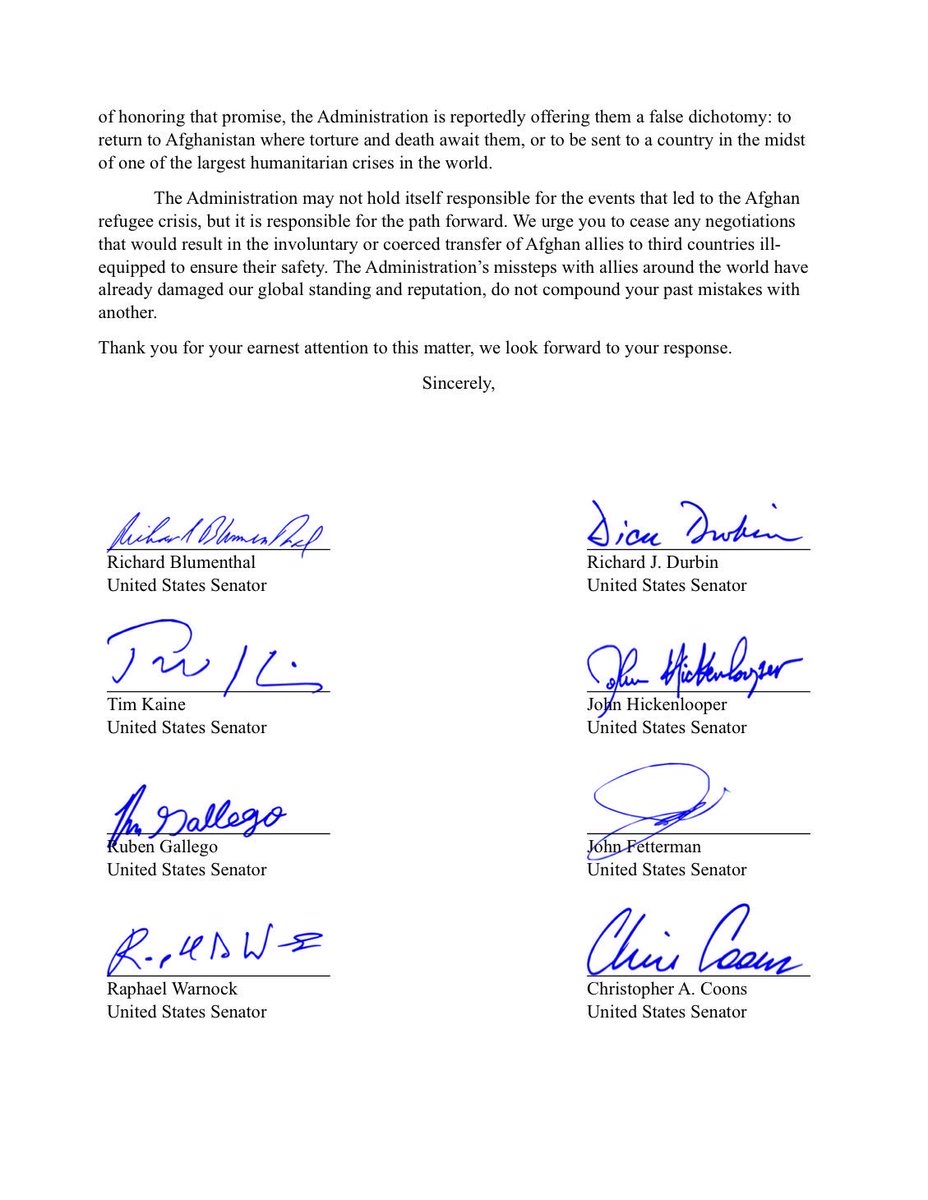
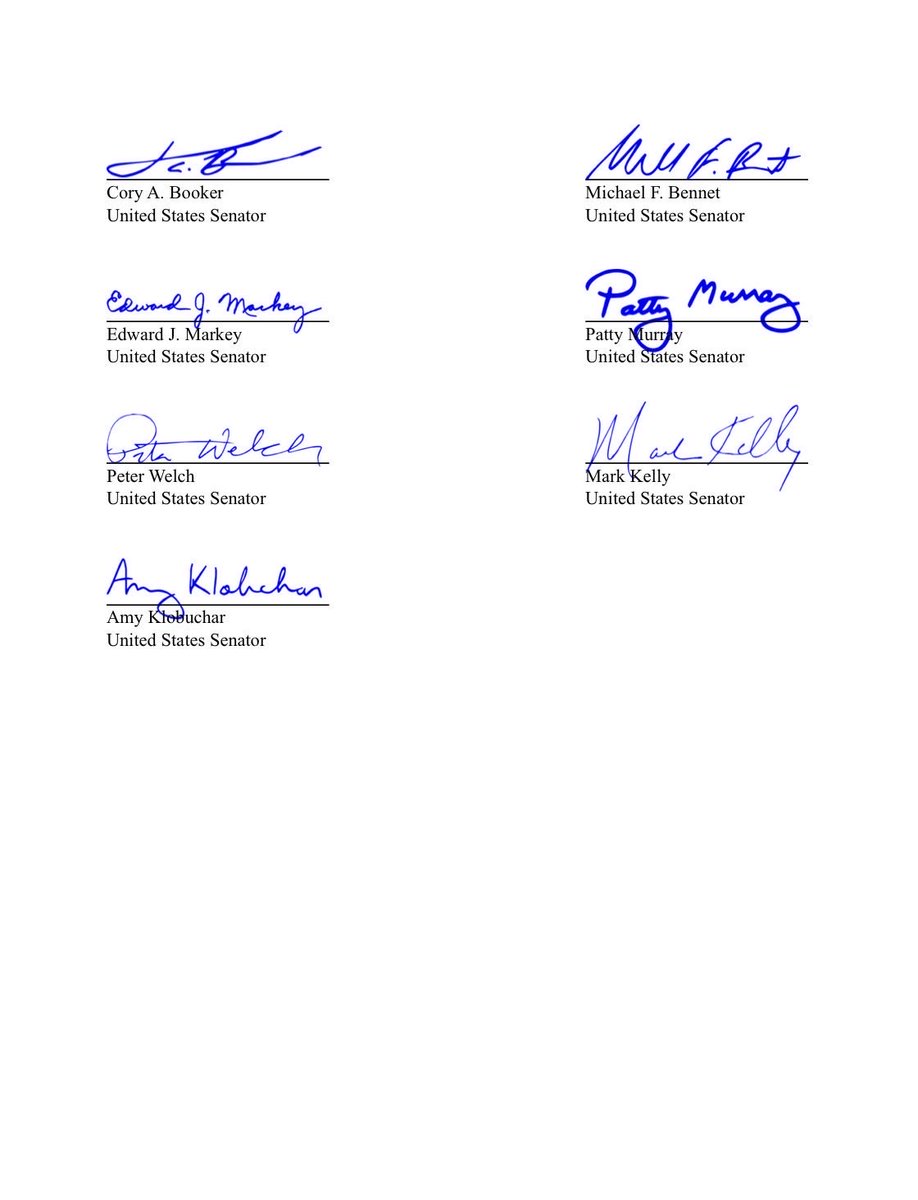
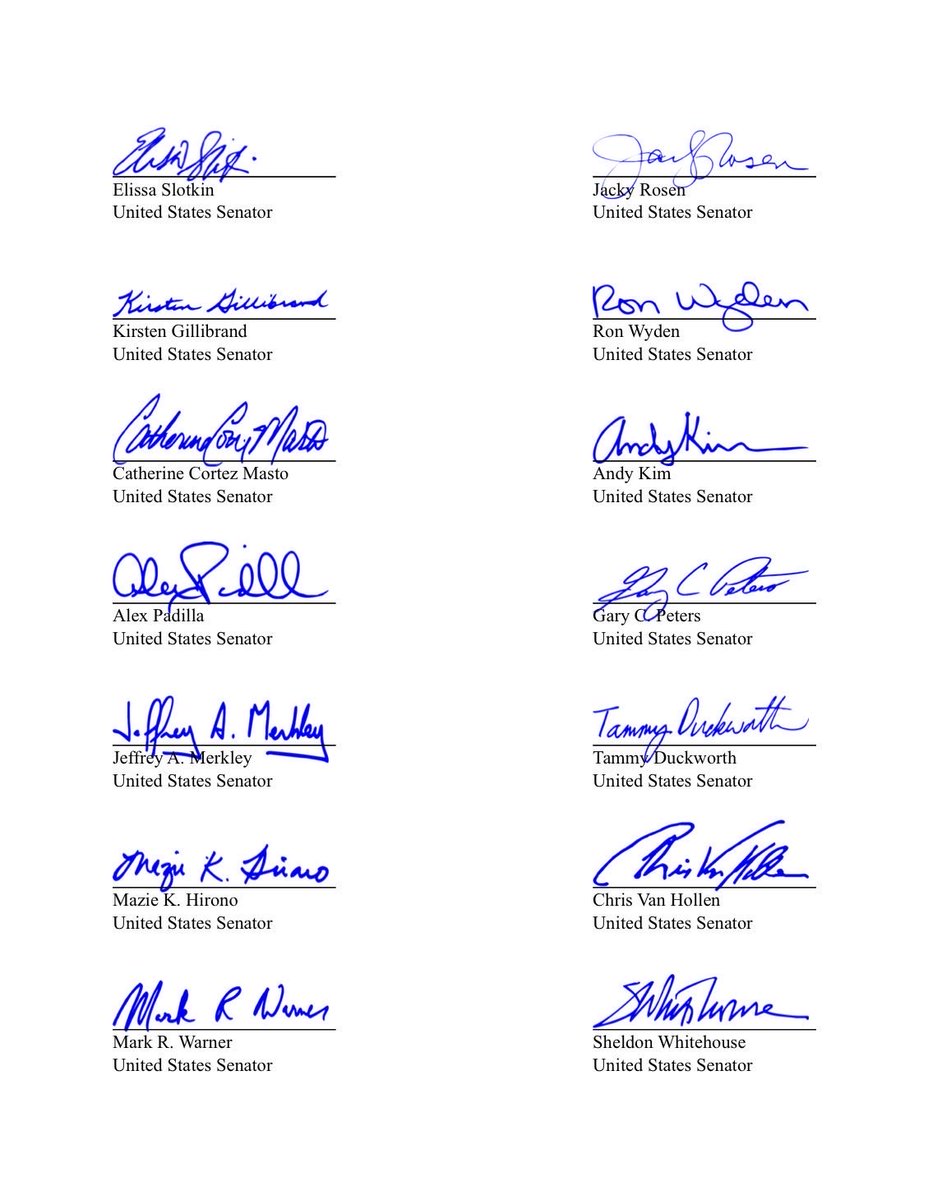
#RDC _ #USA : “De plus, la RDC traverse actuellement sa propre crise humanitaire. Des millions de personnes déplacées souffrent de la faim et de maladies après avoir fui des conflits dans leurs propres pays. Les Nations unies ont déclaré que la RDC est confrontée à « l’une des crises de déplacement les plus complexes au monde, malgré les efforts de paix ». Envoyer sans scrupules nos alliés afghans — y compris 400 enfants — dans une catastrophe humanitaire en cours ne peut pas être l’héritage des États-Unis auprès du peuple afghan”
@SenBlumenthal

Français
Wilfried AKILIMALI LINJANJA retweetledi

Congolais, Congolaises,
Changer de destination est une étape de maturation de la vie. Ne blâmez jamais une chenille de pousser des ailes et de devenir un papillon : Elle a juste grandi.
J’ai laissé le temps me reveler l’état des coeurs de certains avant de réagir. J’espère que toutes ces personnes là auront également suffisamment d’humilité, de volonté, et de courage pour avouer publiquement qu’ils ont diffusé des faussetés à mon sujet. Je pardonne la noirceur de leurs coeurs.
Ce n’est pas parce que la vérité choisit de se taire que le mensonge prend sa place.
J’ai un plan, et vous êtes loin de le deviner. Ma destination est belle, et l’avenir du Congo l’est encore plus.
Remerciements particuliers à mon ancien employeur qui a été pour moi d’un grand soutien durant la campagne mensongère du weekend dernier.
1. Je n’ai jamais été viré,
2. Mon Visa n’a jamais été révoqué (annulé)
3. Les États-Unis d’Amérique resteront à jamais une seconde patrie pour moi 🇺🇸❤️.
4. Nous avons quand même beaucoup rigolé en lisant tous les posts et commentaires motivés par la méchanceté.
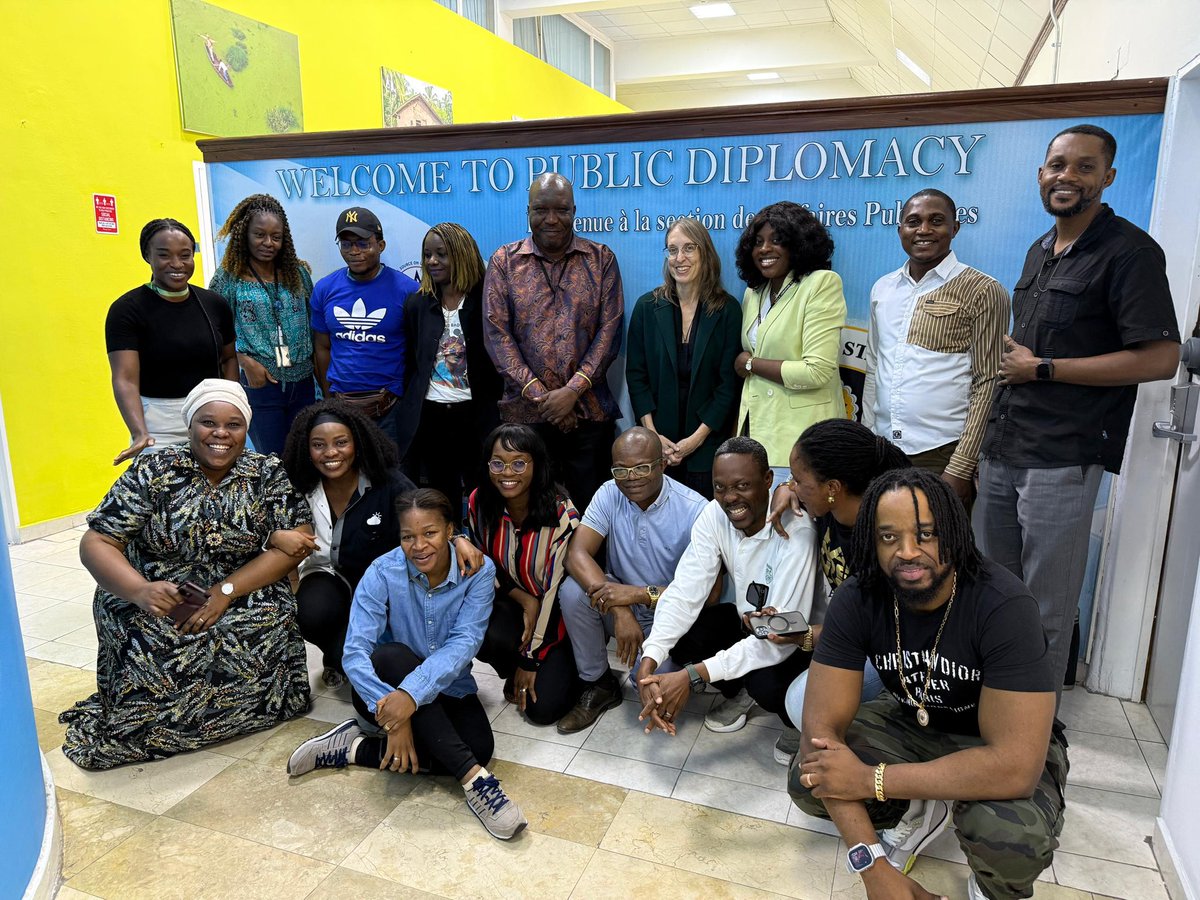
Pour ceux qui comprennent la langue Anglaise, je vous prie de lire avec attention la capture de l’email attaché à ce post.
Paix sur Vous 🙏🏽.
P.S: Merci à toutes les belles âmes qui ont pris ma défense.
IL EST PLUS NOBLE DE CÉLÉBRER LA VÉRITÉ.

Français
Wilfried AKILIMALI LINJANJA retweetledi

#Ghost, je joins ma voix à la vôtre, pour souhaiter à mon frère Geremie Nsiku un heureux et prospère ménage.
Que votre union soit bâtie sur l’amour sincère, le respect et la complicité, et qu’elle vous conduise vers une vie pleine de paix, de joie et de bénédictions durables.
Steve Wembi@wembi_steve
Heureux mariage @NsikuJeremie
Français
Wilfried AKILIMALI LINJANJA retweetledi
#RDC: La République des négationnistes. Tant que nous refuserons de voir la vérité, le Congo continuera de saigner. [ Par Patrick Mundeke]
Nous vivons dans un pays étrange, mes compatriotes. Un pays où l'on préfère fermer les yeux plutôt que d'affronter les faits. Un pays où le déni est érigé en système de gouvernement. La République démocratique du Congo est devenue la République des négationnistes.
Faits irréfutables contre obstination mortifère
Je vous oppose ce matin des vérités qui dérangent. Félix Tshisekedi vient d'acter la plus longue guerre de l'histoire politique congolaise. Non pas par sa volonté de la gagner, mais par son refus obstiné de négocier tout en étant incapable de la mener militairement. Cette guerre, il en a fait son discours de campagne. Aujourd'hui, il la prolonge délibérément, car l'état d'exception est le seul chemin qui lui reste pour allonger son mandat.
Le fédéralisme : une solution venue d'ailleurs
Les Ougandais , comme moi d’ailleurs proposons le fédéralisme pour la RDC. Aussitôt, les esprits s'échauffent, les refus catégoriques fusent. Mais regardons-nous dans le miroir : pour certains Baluba, tous les Baswahili seraient des Rwandais. Ce réflexe grégaire, cette haine cachée , nous tue.
Chaque gouverneur, sans aucune exception, sait que Kinshasa joue un rôle néfaste pour le développement de nos entités. Les ressources remontent, les décisions descendent — mal. Pourtant, on s'obstine dans des refus ridicules alors que le besoin de développement est vital.
L'armée ne gagnera pas. Et après ?
Les FARDC, dans leur configuration actuelle, ne peuvent pas gagner cette guerre. Jamais. Alors à quoi jouons-nous ? À attendre un miracle ? À espérer que l'AFC s'ennuie ? La guerre ne se gagne pas par l'incantation, mais par la stratégie, l'organisation et la vérité.
La militarisation des civils : un crime silencieux
Tshisekedi a distribué plus d'armes aux civils dans l'Est du Congo qu'aucun président avant lui. Sait-il ce qu'il fait ? Un peuple armé sans encadrement, sans formation adéquate, sans chaîne de commandement claire, ce n'est pas une milice patriotique c'est une poudrière. Ces armes retourneront un jour contre nous, ou serviront à régler des comptes entre communautés. C'est écrit.
Le négationnisme a un prix. Et c'est le sang congolais qui le paie.
Réveillons-nous. Acceptons les faits. Négocions là où il faut négocier. Combattons là où il faut combattre. Mais surtout, arrêtons de nous mentir. Le Congo ne se sauvera pas dans le déni, mais dans la lucidité.
Pour que bouge enfin ce pays, il faut d'abord que nos esprits se débloquent.
Patrick mundeke
Français
Wilfried AKILIMALI LINJANJA retweetledi
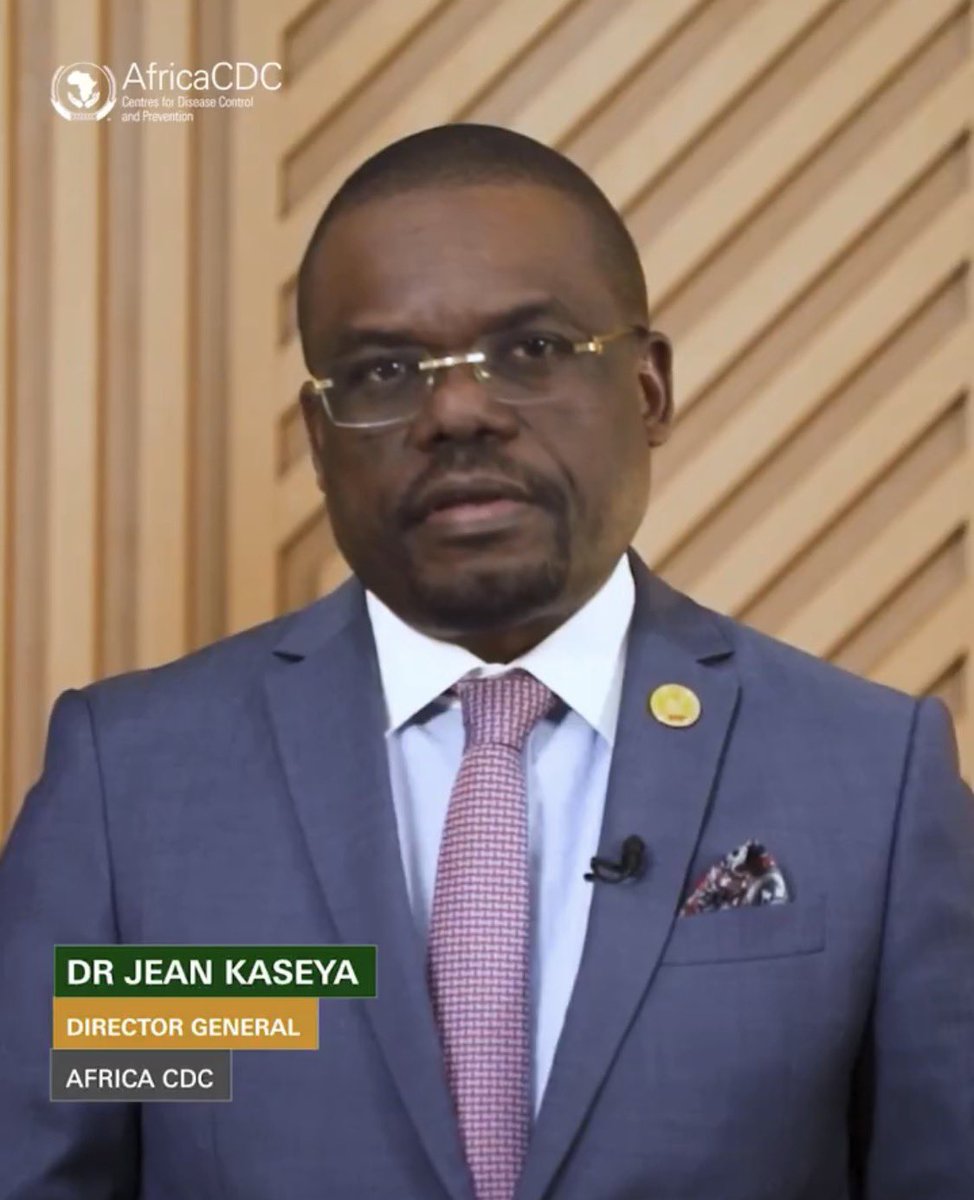
Africa CDC : Jean Kaseya obtient la note maximale dans son évaluation, selon un document de l'Union africaine
Un mémorandum interne de l'Union africaine, daté du 1er avril 2026 et signé par le chef de cabinet de la présidence de la Commission, révèle que le Dr Jean Kaseya, directeur général de l'Africa CDC, a obtenu la note « Exceptionnel », soit le niveau le plus élevé dans son évaluation de performance couvrant la période d'avril 2023 à décembre 2025.
Le document, validé et signé le 30 mars 2026 par le président de la Commission de l'Union africaine, Mahmoud Ali Youssouf, en sa qualité de superviseur direct, salue une transformation institutionnelle jugée décisive : sous sa direction, l'Africa CDC serait passée d'une agence technique naissante à une autorité continentale de santé publique de référence.
Parmi les réalisations notables figurent l'atteinte de l'autonomie financière complète en novembre 2025, avec un taux d'exécution budgétaire passé de 35 % en 2022 à 95 % en 2025, la mobilisation de plus de 369 millions de dollars pour les opérations continentales, et la conduite des premières réponses africaines coordonnées aux épidémies de mpox, de maladie à virus de Marburg et de choléra. Le document mentionne également plusieurs distinctions reçues de chefs d'État africains. En reconnaissance de ses performances, Kaseya est promu à l'échelon 4.
Français
Wilfried AKILIMALI LINJANJA retweetledi

Wilfried AKILIMALI LINJANJA retweetledi
#RDC: ‼️🚨🛑 Le cardinal Fridolin Ambongo a été désigné membre du Dicastère pour la Communication du Saint-Siège, selon une annonce faite par le #Vatican ce jeudi 9 avril 2026. Cette nomination fait suite à celle de Fulgence Muteba, archevêque de Lubumbashi et président de la CENCO, qui a été nommé membre du Dicastère pour le service du développement humain intégral.

Français
Wilfried AKILIMALI LINJANJA retweetledi
Pour une #RDC de responsabilité
Un appel de Patient SAYIBA TAMBWE face aux dérives de gouvernance
À l’heure où la République Démocratique du Congo traverse une période décisive de son histoire politique, Monsieur Patient SAYIBA élève la voix avec gravité et lucidité.
Français
Wilfried AKILIMALI LINJANJA retweetledi
Wilfried AKILIMALI LINJANJA retweetledi

#RDC Le président Tshisekedi a repris cette rhétorique parce qu'il sait qu'elle résonne profondément dans la conscience collective congolaise.
Mais j'aimerais aller plus loin. Ce qui résonne et qui a collé à la peau du président Kabila en silence pendant plus de vingt ans, ce n'est pas simplement le fait d'être qualifié de « Rwandais » ou d'« étranger » — c'est d'être assimilé à un Rwandais tutsi. C'est là que réside la vraie charge symbolique.
Au Congo, l'étiquette d'étranger suscite l'émoi, certes, mais c'est l'association au Tutsi qui cristallise les passions et active les peurs les plus profondes.
Le politicien congolais, et surtout celui issu de l'est de la RDC, a contribué a créer ce récit et a surfé sur cette vague depuis des décennies, avec le soutien de certains journalistes et chercheurs occidentaux dont les travaux ont parfois contribué à construire l'image du Tutsi comme un homme « mauvais par essence ».
L'opposition politique du temps de Joseph Kabila, dont faisait partie Tshisekedi et son regroupement UDPS, s'était principalement reposée sur cette thèse de l'étranger rwandais rocambolesque.
L'UDPS, aujourd'hui au pouvoir cette logique suit une ligne politique cohérente, ce qui explique aussi pourquoi la réception par le président de la république de membres de l'opposition rwandaise, mais également de membres des FDLR ( regroupement idéologique génocidaire), de journalistes et de YouTubeurs congolais qui ne cachent pas leur haine envers les Tutsis — par des propos qu'il est inutile de répéter ici.
D'ailleurs tout cela n'a pas suscité de véritable indignation, alors même que la loi congolaise interdit les discours de haine.
En RDC, la discrimination systémique et les discours de haine demeurent aujourd'hui encore l'une des causes profondes des conflits. Cette situation peut changer, mais cela passe nécessairement par une rééducation de la conscience collective. Et pour qu'un tel travail soit possible, il faut d'abord des femmes et des hommes politiques porteurs de véritables valeurs, capables d'assumer cette responsabilité difficile mais indispensable. Malheureusement, ce n'est pas encore le cas.
@AlexMvuka
Alex Mvuka, Ph.D.@AlexMvuka
#DRC - President Tshisekedi asserted that his predecessor is not only a foreign national but specifically of Rwandan origin. The notion of citizenship remains a central obsession in political narratives in the DRC. It is an issue that has mobilised more attention than some of the country’s most serious scandals and has, in many ways, paralysed the nation for over sixty years. The persistent rhetoric surrounding who is perceived as citizen, who does not, and who may be considered “more” of a citizen than others continues to shape political discourse. From an external perspective, this debate is often viewed as regressive and primitive. It also reinforces long-standing colonial stereotypes propagated by scholars and novelists who portrayed the Congo as the “heart of darkness" or "savage". Ironically, there is, nonetheless, a troubling continuity based on in the ways some modern political practices in the DRC echo these colonial narratives. President Tshisekedi has labelled his predecessor as a foreign national. In a recent public debate, President Tshisekedi suggested that he has now discovered that his predecessor is a foreign national. His predecessor, Joseph Kabila, led the country for 18 years and also served as an army general in the DRC. Holding such positions would be contrary to the legal restrictions on foreign nationals, who are prohibited from occupying roles related to national security, defence, intelligence, and high-level government positions such as head of state. If such a situation were indeed the result of an oversight, acknowledging publicly it is itself a major political scandal. Joseph Kabila's father, Laurent Kabila, was his predecessor. Laurent Kabila is accepted as a Congolese and a national "hero". How can his son be considered a foreign national while his father is not? This phenomenon is not new. Rumours frequently circulate about African state leaders, alleging that they originate from outside their respective countries. Well-known examples include Kenneth Kaunda, the former President of Zambia, who was portrayed as Malawian; Yoweri Kaguta Museveni of Uganda, who is described as Rwandan, Alassane Ouattara, he is rumoured to be from Burkina Faso. In the DRC, many leaders - from President Kasavubu to Mobutu himself - have at various times been labelled as foreigners or accused of having foreign origins, including being called “Rwandan,” or alleged to have foreign-born spouses. Moise Katumbe, a political opposition leader in the DRC was stigmatised as either Italian, Zambian or Jewish. Another political leader, Martin Fayulu, has been labelled as Senegale. President Tshisekedi further asserted that his predecessor is not only a foreign national but specifically of Rwandan origin. During Joseph Kabila’s presidency, the UDPS suggested that he was “Rwandan.” When Kabila handed over power to Tshisekedi, he was regarded as Congolese patriot. However, once he moved into opposition, he has again been portrayed as “Rwandan.” Why is this the case, and why is he never described as, for example, Tanzanian? Labelling someone as a foreign national in the DRC is a form of populist political rhetoric. It diverts attention from substantive issues and serves as a powerful political tool. In particular, labelling someone as “Rwandan” has become a form of political currency. During elections, candidates often compete to demonstrate the extent of their hostility and hate towards Rwanda or Rwandans. The more strongly a candidate expresses such sentiments, the greater their perceived chances of electoral success. By contrast, there is little political value in labelling someone as Tanzanian or Ugandan. Final reflection The perception of politicians as foreign nationals is linked to the idea that the “alien other” is inherently threatening and must therefore be firmly and proactively resisted. Political discourse in the DRC is often less about ideas, ideologies, or policy debates, and more about exclusionary narratives. Rather than engaging with substantive national issues, this discourse tends to rely on divisive rhetoric that frames political competition in terms of belonging and identity or tribalism. In this sense, it reflects a form of populist political culture that diverts public attention away from structural challenges and governance concerns.
Français
Wilfried AKILIMALI LINJANJA retweetledi
Débat houleux entre @MartinFayulu,@PatrickMuyaya et Mgr Nshole sur l'avenir de la Nation. C'était chaud, c'était émouvant.
@ImperiumDan @ProbstEd1 @RL_Patriote @
Français
Wilfried AKILIMALI LINJANJA retweetledi
#RDC: He Led Congo for 18 Years. Now, Joseph Kabila Is a Hunted Man. - The New York Times nytimes.com/2026/03/30/wor…
English
Wilfried AKILIMALI LINJANJA retweetledi

🚨 #RDC #URGENT: “Tout le monde disait que ce n’était pas son fils… qu’il était rwandais.”
“Donc il est né au Congo, dans le maquis… il était bien le fils de Laurent-Désiré Kabila.”
Dans #Décrypta, Colette Braeckman livre un témoignage de terrain et revient sur son enquête auprès des villageois pour éclairer les origines de Joseph Kabila.
🎥 L’émission complète en commentaire⤵️
Français
Wilfried AKILIMALI LINJANJA retweetledi

#Rdc #Belgique:
Qu'est-ce qui a fait que quand #Joseph_Kabila_Kabange était au pouvoir la Belgique avait une certaine position tranchante vis-à-vis à- vis du pouvoir de #Joseph_KabilaKabange.
@josemakila5 pose la question à #luis_Michel.
Écoutez la réponse de #Luis_Michel.
👇👇👇👇👇👇👇👇👇👇👇👇
Français
Wilfried AKILIMALI LINJANJA retweetledi
Je ne sais pas pour vous, mais moi, je suis extrêmement sensible aux tutoiements provenant d’inconnus sur ce réseau. Surtout quand ils s’accompagnent de la moindre discourtoisie: JE BLOQUE AUTOMATIQUEMENT! Je ne lis même pas le commentaire jusqu’au bout.
Asiye funzwa na mama yake, ata funzwa na ulimwengu. Period.
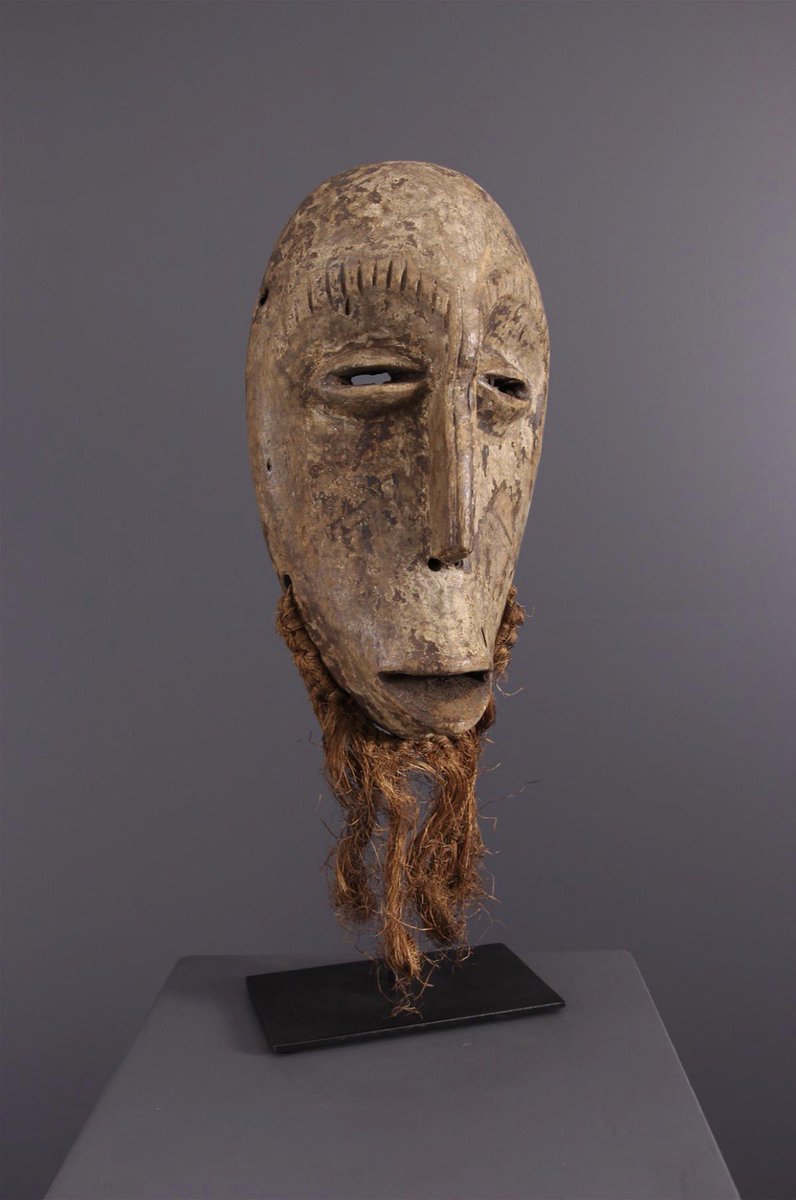
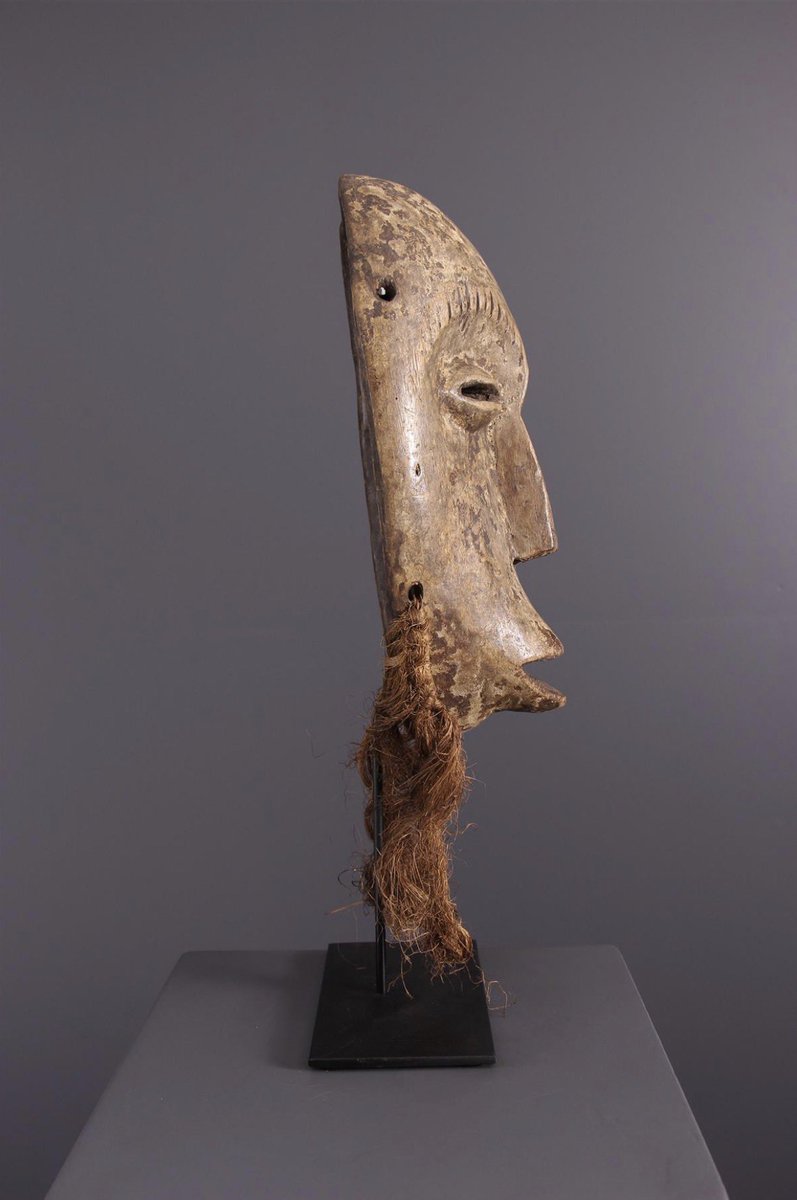
P.S: En image, un masque Shi (Tribu du Sud Kivu à l’Est de la RDC).
Français
Wilfried AKILIMALI LINJANJA retweetledi
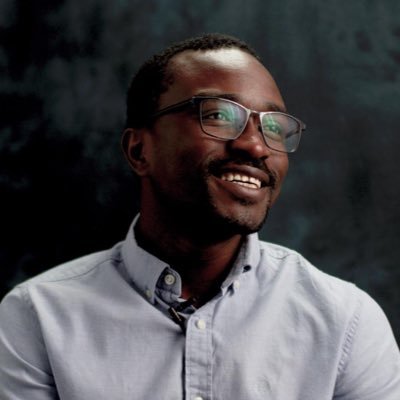
Congratulations, dear @TMakunya ! Looking forward to reading your book. And happy birthday.
Trésor Makunya@TMakunya
My book has now been published by the Pretoria University Law Press, a day before my 34th birthday, and four years after I graduated from the University of Pretoria with my doctorate in comparative constitutional law. This book offers lawyers and (legal/constitutional) comparatists comparative insights into the way three (key) constitutional courts enhance the quality of human rights protection through interpretation. This birthday gift is open access (pulp.up.ac.za/catalogue/mono…). Download your copy and let’s engage (if you need to receive a printed copy for, say, your university library, do let me know).
English
Wilfried AKILIMALI LINJANJA retweetledi
🚨 IMPORTANT!!! 🚨
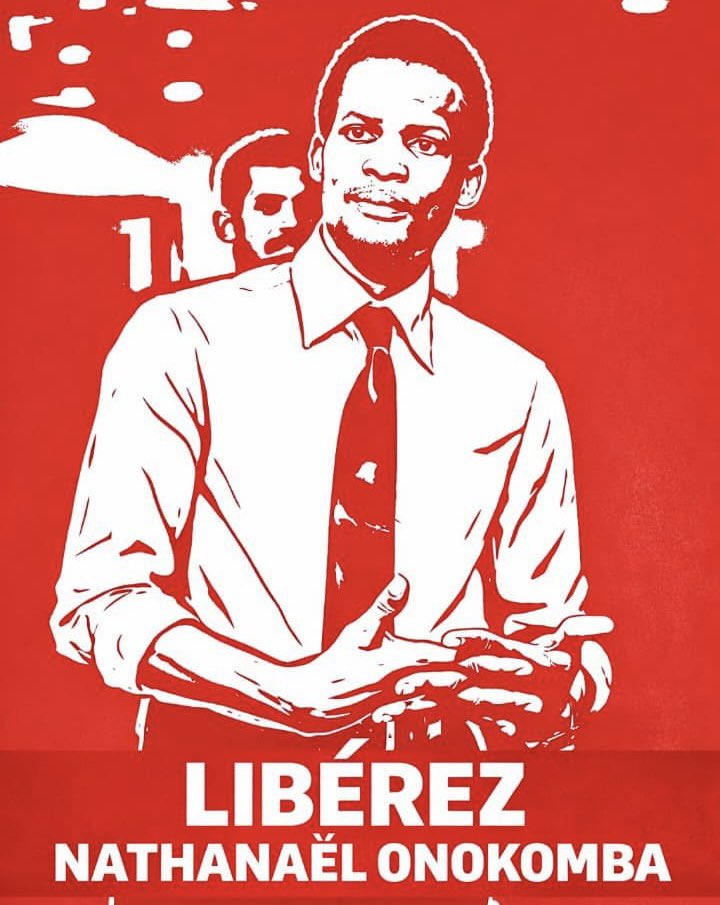
Chère communauté, ceci est un communiqué important pour vous informer de l’évolution de l’affaire opposant Nathanaël Onokomba au Ministère public.
Après 3 mois passés d’enlèvement à séquestration, à privation de liberté dans une prison militaire, l'affaire avait finalement été fixée pour Aujourd’hui et l’audience PUBLIQUE (j’insiste) aura lieu tout à l’heure à 09h00 dans l’enceinte de la Prison militaire de Ndolo. Si vous le pouvez, SVP rejoignez-nous ! Comme vous le savez, cette affaire a plus des motivations politiques qu’autre chose ! Tout en faisant confiance (jusque-là) à la justice, il est indéniable que le monitoring et le suivi de la population sont des contre-poids non négligeables.
Chers influenceurs, amis, frères, comptes aux grandes audiences, c’est le moment de soutenir et de sauver une vie innocente injustement harcelée et chamboulée. En arrivant devant la prison militaire de Ndolo, déclinez juste votre identité et dites que vous êtes là pour assister au procès de Nathanaël (C’EST UNE AUDIENCE PUBLIQUE).
Merci d’avance pour votre soutien et votre soucis de Justice.
Pour besoin d’infos supplémentaires, contactez Maître Nehemie Wandja @WandjaN (un de ses avocats)
#FLAAR #Justice #Onokomba #RDC
Français
Wilfried AKILIMALI LINJANJA retweetledi
À l’époque de Kabila ça s’appelait le dedoublement. C’était critiqué à l’époque, y compris par l’udps qui en avait été victime. Une fois au pouvoir, ils font pareil. Le Tshisekedisme est un Kabilisme. Le changement attend encore…
Steve Wembi@wembi_steve
#RDC: Urgent 🛑🚨‼️ 🔴URGENT | #RDC : @PLukwebo destitué par l’AFDC-A ! Otto Bahizi prend les rênes pour gérer la transition jusqu'au congrès.
Français