MIT just quietly dropped a free AI curriculum that puts $50,000 university courses to shame.
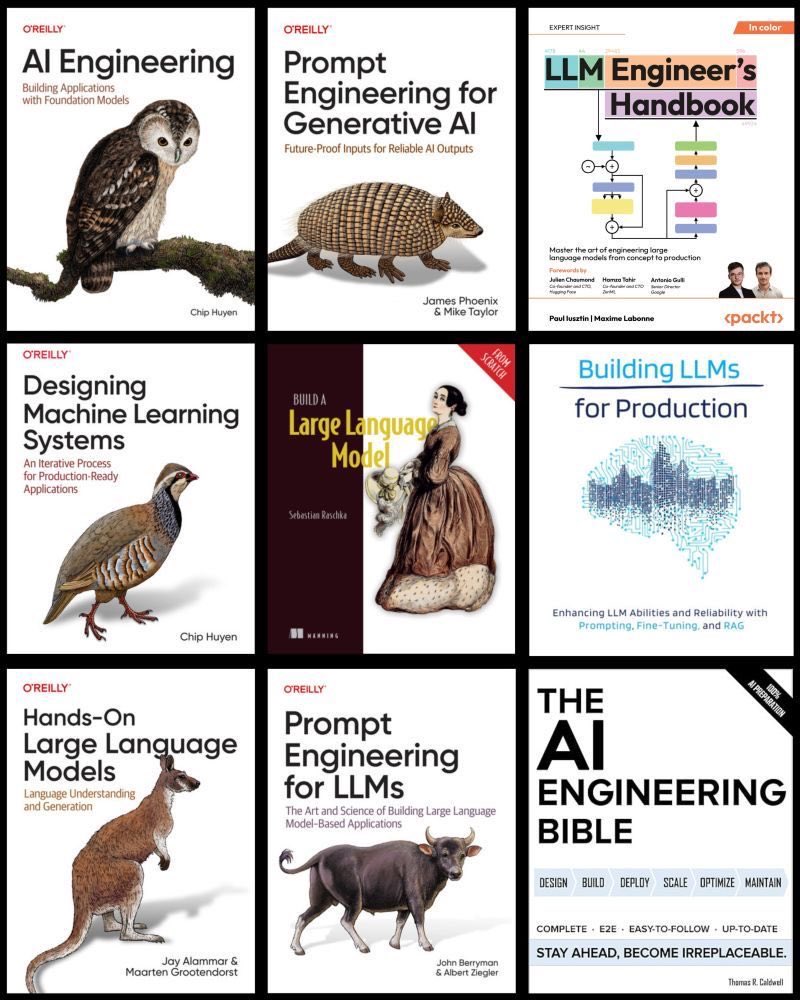
12 books.
Zero tuition.
From the same institution that produced the people building the models everyone is talking about.
FOUNDATIONS
1. Foundations of Machine Learning — lnkd.in/gytjT5HC
2. Understanding Deep Learning — lnkd.in/dgcB68Qt
3. Machine Learning Systems — lnkd.in/dkiGZisg
ADVANCED TECHNIQUES
4. Algorithms for ML — algorithmsbook.com
5. Deep Learning — lnkd.in/g2efT6DK
REINFORCEMENT LEARNING
6. RL Basics (Sutton & Barto) — lnkd.in/guxqxcZZ
7. Distributional RL — lnkd.in/d4eNP-pe
8. Multi-Agent Systems — marl-book.com
9. Long Game AI — lnkd.in/g-WtzvwX
ETHICS & PROBABILITY
10. Fairness in ML — fairmlbook.org
11. Probabilistic ML Part 1 — lnkd.in/g-isbdjj
12. Probabilistic ML Part 2 — lnkd.in/gJE9fy4w
This is a complete MIT-level AI education.
Not a YouTube playlist.
Not a Twitter thread full of fluff.
Textbooks written by the researchers who built the field.
The people who actually study this will not just understand AI better than their peers.
They will understand it better than most people currently getting paid to work in it.
Most people will bookmark this and never open it.
The ones who open it tonight are the ones who show up in 12 months having built something nobody around them understands yet.
Bookmark this.
Open the first one tonight.
Follow @cyrilXBT for more resources that actually compound.
An MIT professor taught the same math course for 62 years, and the day he retired, students from every country on earth showed up online to watch him give his final lecture.
I opened the playlist at 2am and ended up watching three of them back to back.
His name is Gilbert Strang. The course is MIT 18.06 Linear Algebra.
Every machine learning engineer, every data scientist, every quant, every self-taught programmer who actually understands how AI works learned the math from this one man. Most of them never set foot on MIT's campus. They just opened a free playlist on YouTube and let him teach.
Here's the story almost nobody tells you.
Strang joined the MIT math faculty in 1962. He retired in 2023. That is 61 years of standing at the same chalkboard teaching the same subject to 18-year-olds.
The interesting part is what he did when MIT launched OpenCourseWare in 2002. Most professors were skeptical. They worried that putting their lectures online would make their classrooms irrelevant. Strang did not hesitate. He said his life's mission was to open mathematics to students everywhere. He filmed every lecture and gave it away.
The decision quietly changed how the world learns math.
For decades linear algebra was taught the wrong way. Professors started with abstract vector spaces and proofs about field axioms. Students drowned in the abstraction. Most never recovered. They walked out believing they were bad at math when they had simply been taught in an order that nobody's brain is built to absorb.
Strang inverted the entire curriculum.
He started with matrix multiplication. Something you can write down on paper. Something you can compute by hand. Something you can see. Then he showed his students that everything else in linear algebra eigenvectors, singular value decomposition, orthogonality, the four fundamental subspaces was just a different lens for understanding what the matrix was actually doing under the hood.
His rule was strict. If a student could not explain a concept using a concrete 3 by 3 example, that student did not actually understand the concept yet. The abstraction was supposed to come last, not first. The intuition was the foundation. The proofs were just confirmation that the intuition was correct.
The second thing Strang changed was the classroom itself. He said please and thank you to his students. Every single lecture. He paused mid-derivation to ask "am I OK?" to check if anyone was lost. He never used the word "obviously" or "trivially" because he knew exactly what those words do to a student who is one step behind. He treated 19-year-olds learning math for the first time the way he treated his own colleagues. With patience. With respect. With the assumption that they belonged in the room.
For 62 years.
The result is something that has never happened in the history of education. A single math professor became the default teacher of his subject for the entire planet.
Universities in India, China, Brazil, Nigeria, every country with a computer science department, started telling their own students to just watch Strang's lectures. The University of Illinois revised its linear algebra course to do almost no in-person lecturing. The reason was honest. The professor said they could not compete with the videos.
His final lecture was in May 2023.
The auditorium was packed with students who had never met him before. He walked to the chalkboard, taught for an hour, and at the end the entire room stood and applauded. He looked confused for a moment, like he genuinely did not understand why they were cheering. Then he smiled and waved them off and walked out.
His written comment under the YouTube video of that final lecture was four sentences long. He said teaching had been a wonderful life. He said he was grateful to everyone who saw the importance of linear algebra. He said the movement of teaching it well would continue because it was right.
That was it. No book promotion. No farewell speech. No legacy management.
The man whose teaching is the foundation of modern AI just thanked the audience and went home.
20 million views. Zero ego. The entire engine of the AI revolution sits on top of math that millions of people learned for free from one quiet professor in Cambridge.
The course is still on MIT OpenCourseWare. Every lecture, every problem set, every exam, every solution. Free.
The most important math course of the 21st century is sitting one click away from you. Most people will never open it.
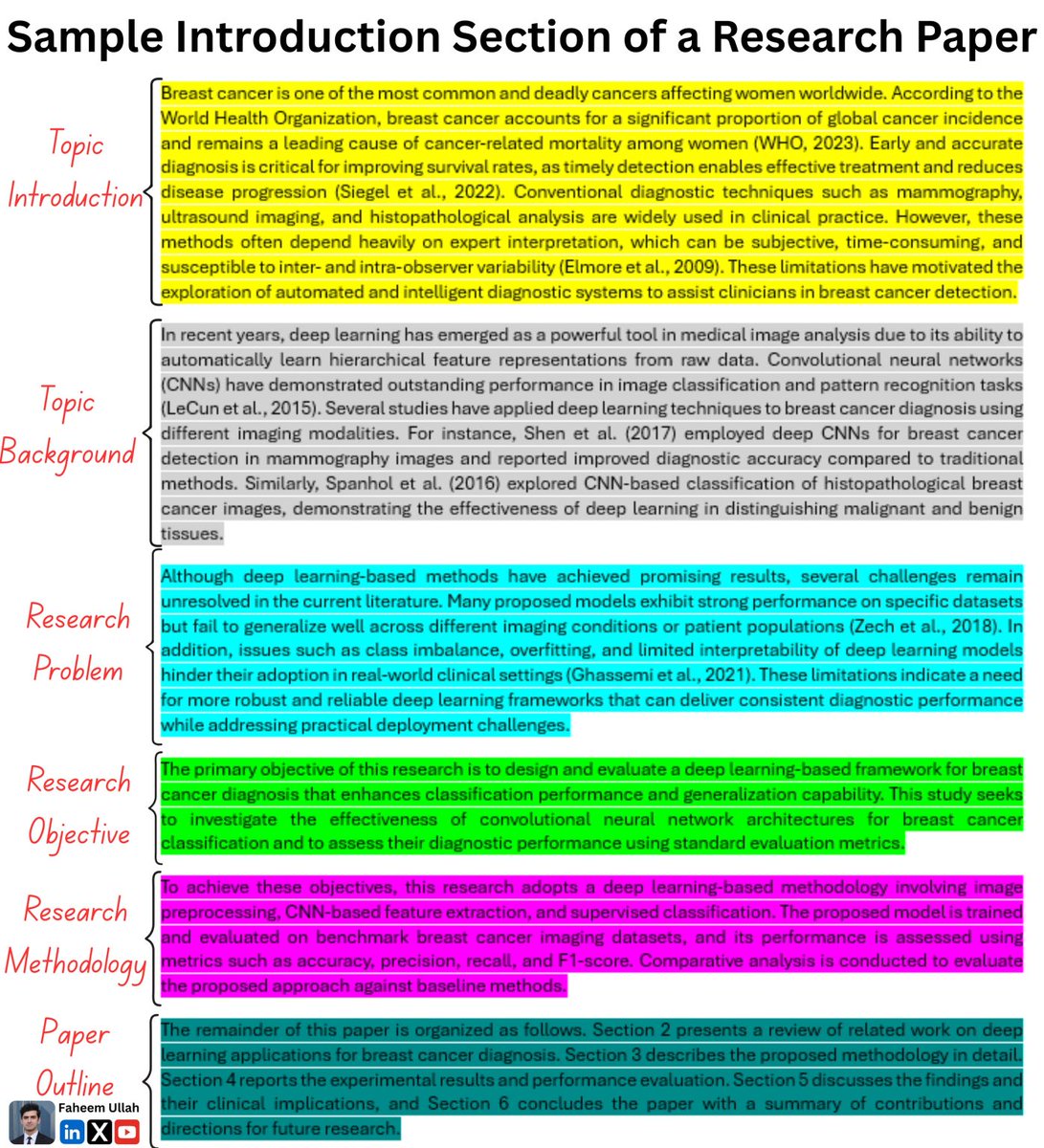
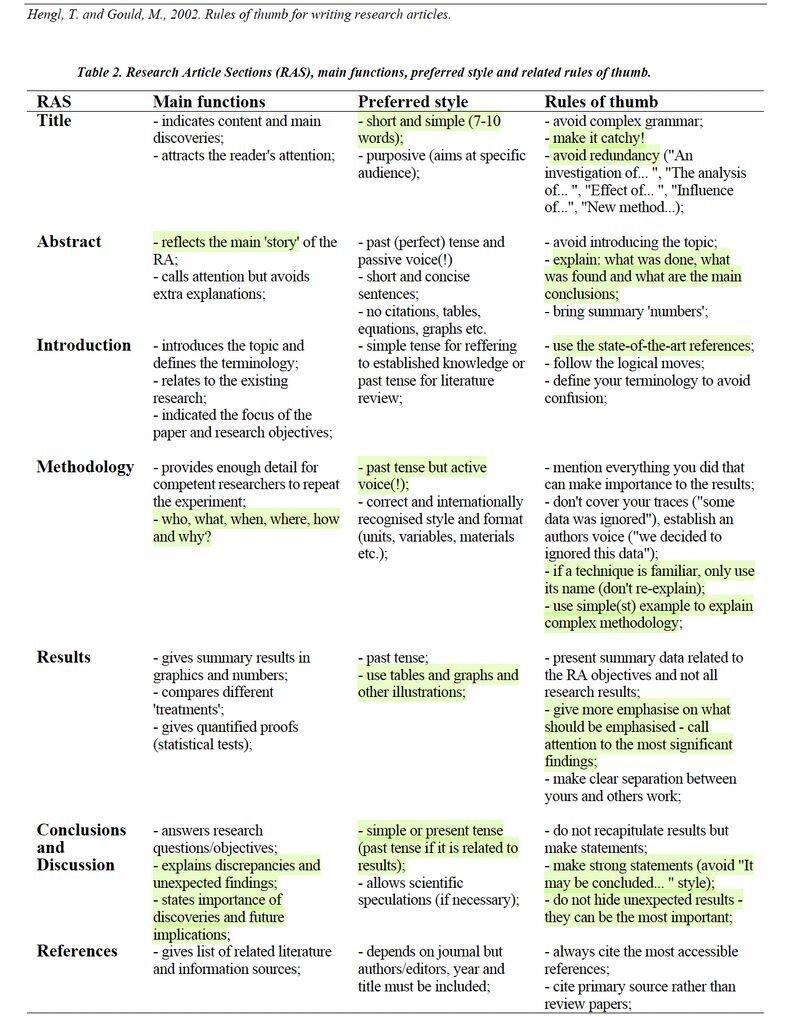
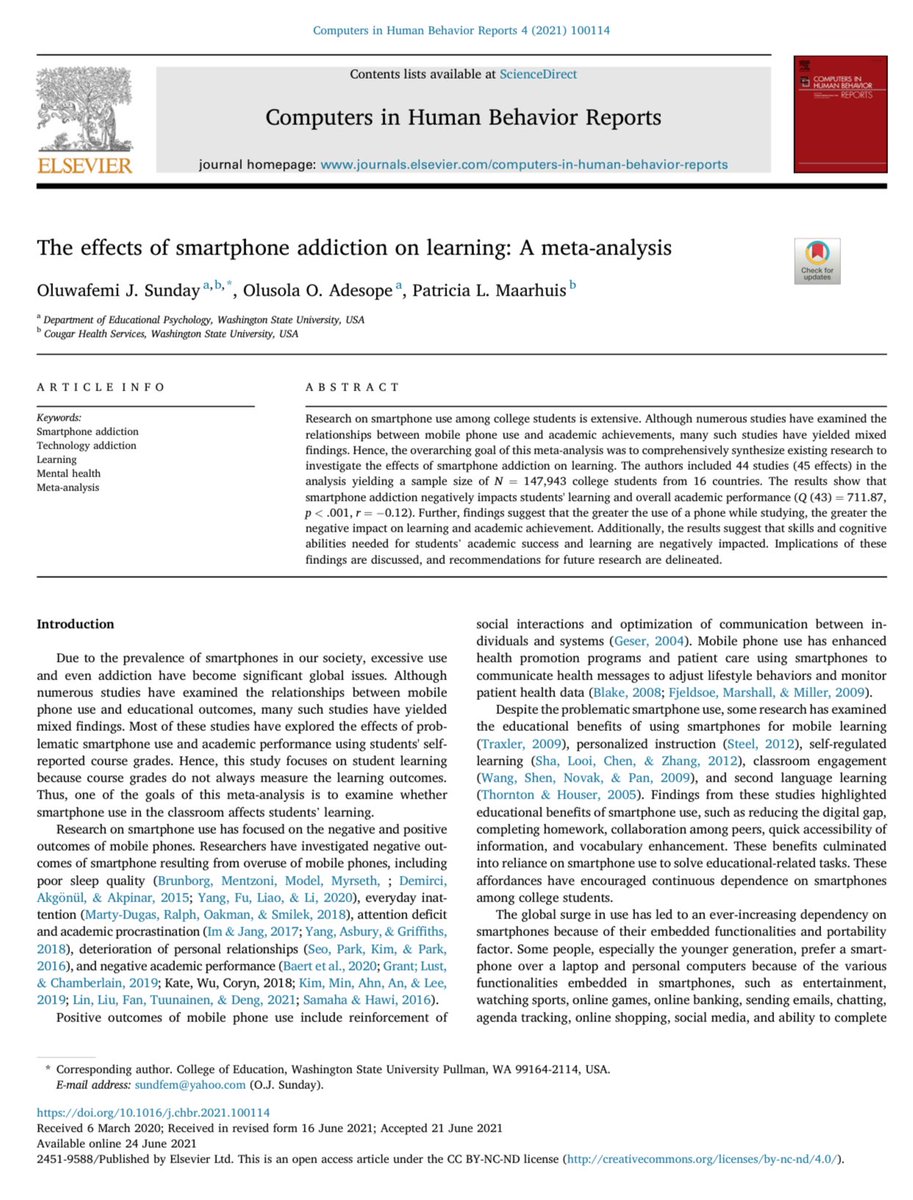
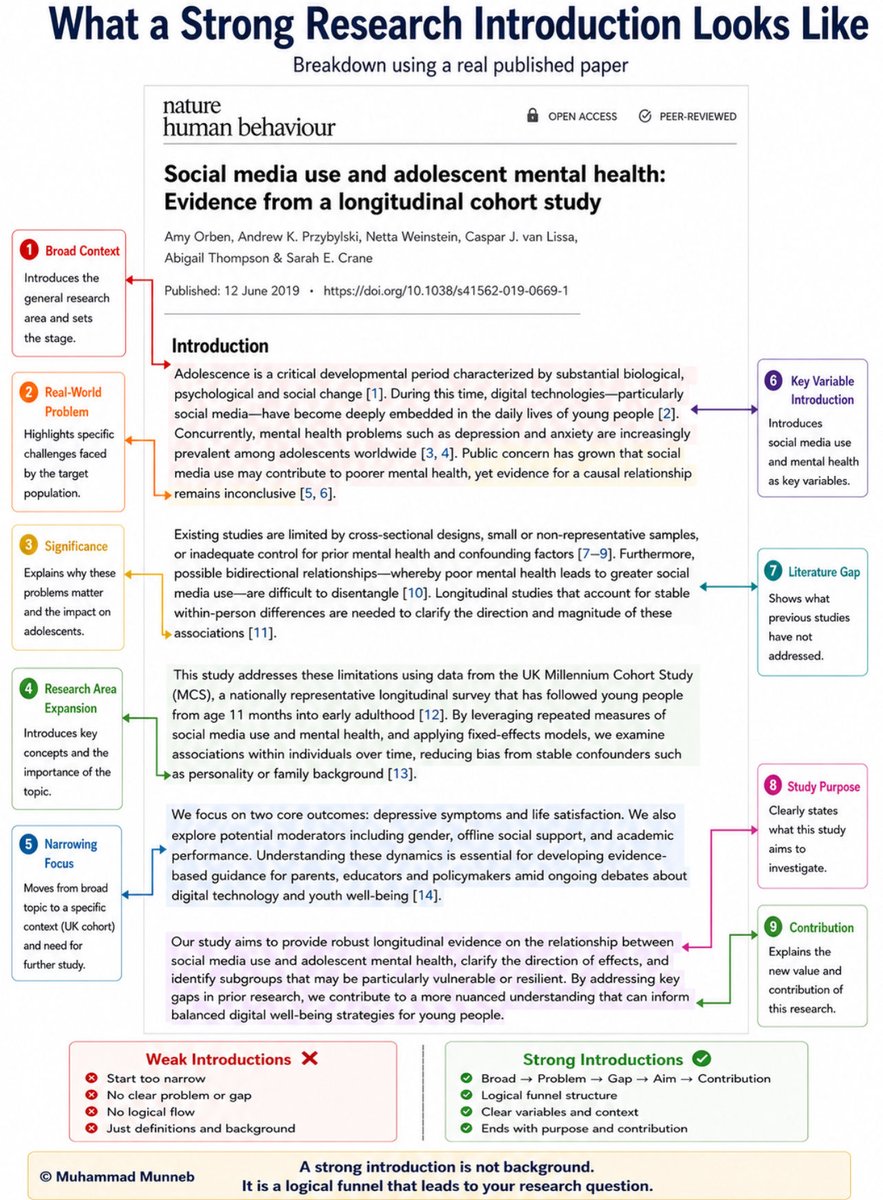
PhD Students - Here is an example of a good introduction
A good introduction should have the following 6 parts.
1. Topic introduction
2. Topic background
3. Research problem
4. Research objective
5. Research methodology
6. Paper outline
Golden rules for writing research that gets published
Save it for your next manuscript & Retweet to help your network!
— Pick concrete words over abstract ones
— Write for your readers, not yourself
— Use your natural voice, then polish
— Tell a focused story - stay on track
— Own your work and decisions
— Make confident statements
— Cut unnecessary words
— Keep examples simple
— Stay self-aware
𝗪𝗵𝗮𝘁'𝘀 𝘆𝗼𝘂𝗿 𝘁𝗼𝗽 𝘁𝗶𝗽 𝗳𝗼𝗿 𝗰𝗹𝗲𝗮𝗿 𝗿𝗲𝘀𝗲𝗮𝗿𝗰𝗵 𝘄𝗿𝗶𝘁𝗶𝗻𝗴?
----------------
𝗙𝗼𝘂𝗻𝗱 𝗶𝘁 𝘂𝘀𝗲𝗳𝘂𝗹?
🔄 Retweet (& like)
+ follow + 🔔
I test AI tools to simplify your #research & #analysis
(& 𝘤𝘰𝘯𝘥𝘶𝘤𝘵 𝘵𝘳𝘢𝘪𝘯𝘪𝘯𝘨𝘴 𝘰𝘯 𝘵𝘩𝘦𝘮)
Your literature review does not need 200 papers. It needs 30.
The right 30. In the right order.
Most PhD students spend a year learning this the hard way.
How to write your Methods
Struggling with your paper's method section? They said it's easy.
But you're just stuck.
Here's the secret step-by-step guide to help you ace it:
𝗚𝗮𝗺𝗲 𝗧𝗵𝗲𝗼𝗿𝘆 𝗯𝘆 𝗚𝗶𝗮𝗰𝗼𝗺𝗼 𝗕𝗼𝗻𝗮𝗻𝗻𝗼
Probably one of the best book on Game Theory. Access the PDF here: arxiv.org/pdf/1512.06808
𝗠𝗮𝗶𝗻 𝗧𝗼𝗽𝗶𝗰𝘀 𝗳𝗿𝗼𝗺 𝘁𝗵𝗲 𝗣𝗮𝗽𝗲𝗿:
- Introduction to Non-Cooperative Game Theory
- Strategic-Form Games with Ordinal Payoffs
- Dominance Relations (Strict and Weak) and Iterated Deletion Procedures
- Second-Price Auctions and Pivotal (Clarke) Mechanism
- Nash Equilibrium in Finite and Infinite Strategy Sets
- Dynamic Games with Perfect Information and Backward Induction
- Extensive-Form Games with Imperfect Information
Subgame-Perfect Equilibrium
- Games with Chance Moves
.......
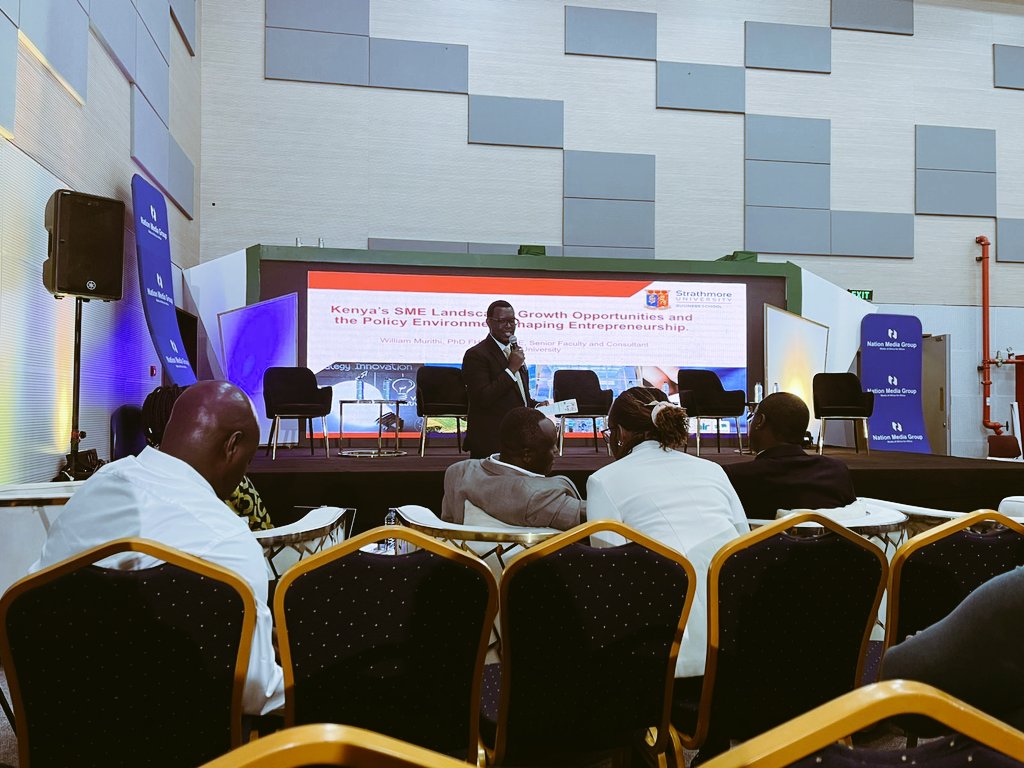
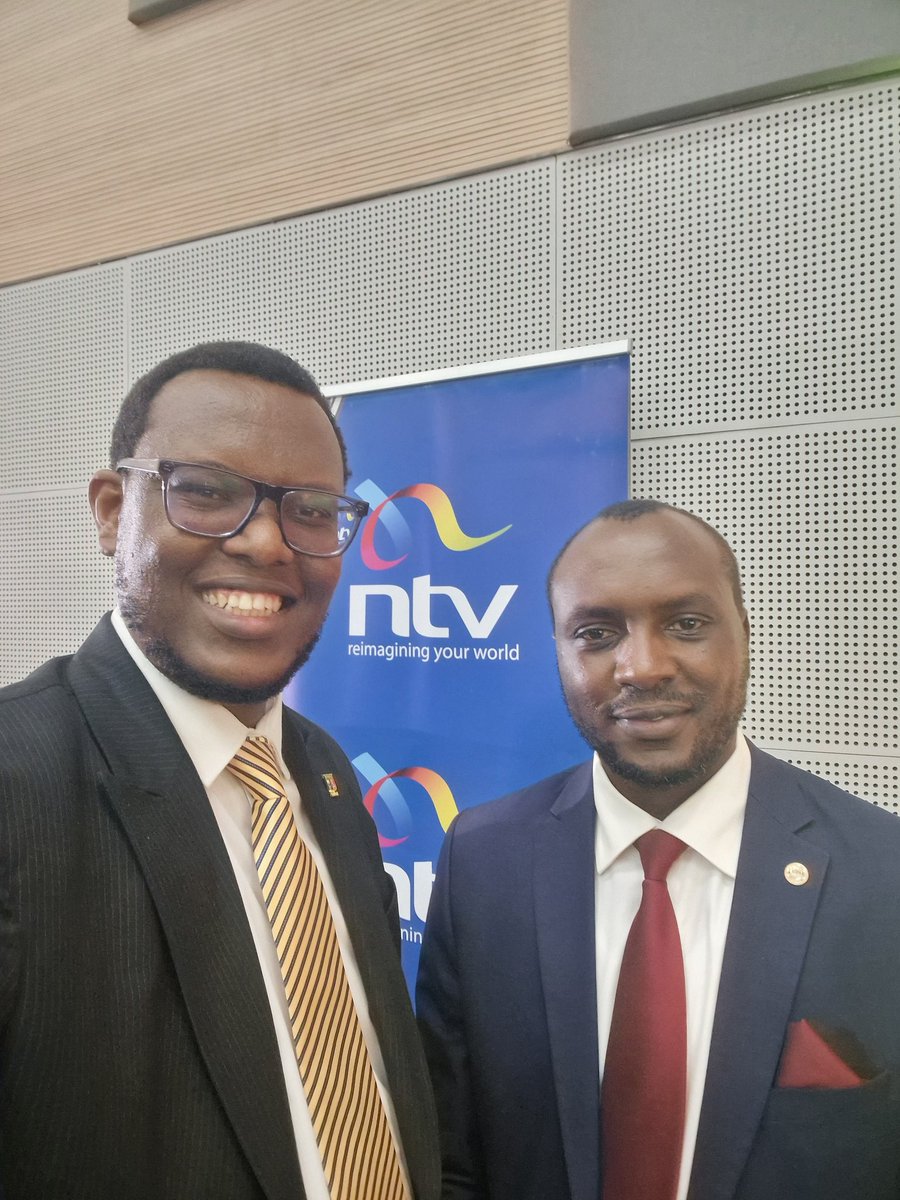
Attending 7th Annual MSMEs at @Sarit Enhancing MSMEs Competitive and Susteinability through Access to Finance, Digital Transformation,Green Transition, and Market Acess.
I spoke on "Kenya's MSMEs landscape: Growth Oppprtunities & the Policy Enviroment Shaping Entreprenuerhip,
BREAKING: Claude can now research like a Stanford PhD student.
Here are 9 insane Claude prompts that turn 40+ research papers into structured literature reviews, knowledge maps, and research gaps in minutes (Save this)
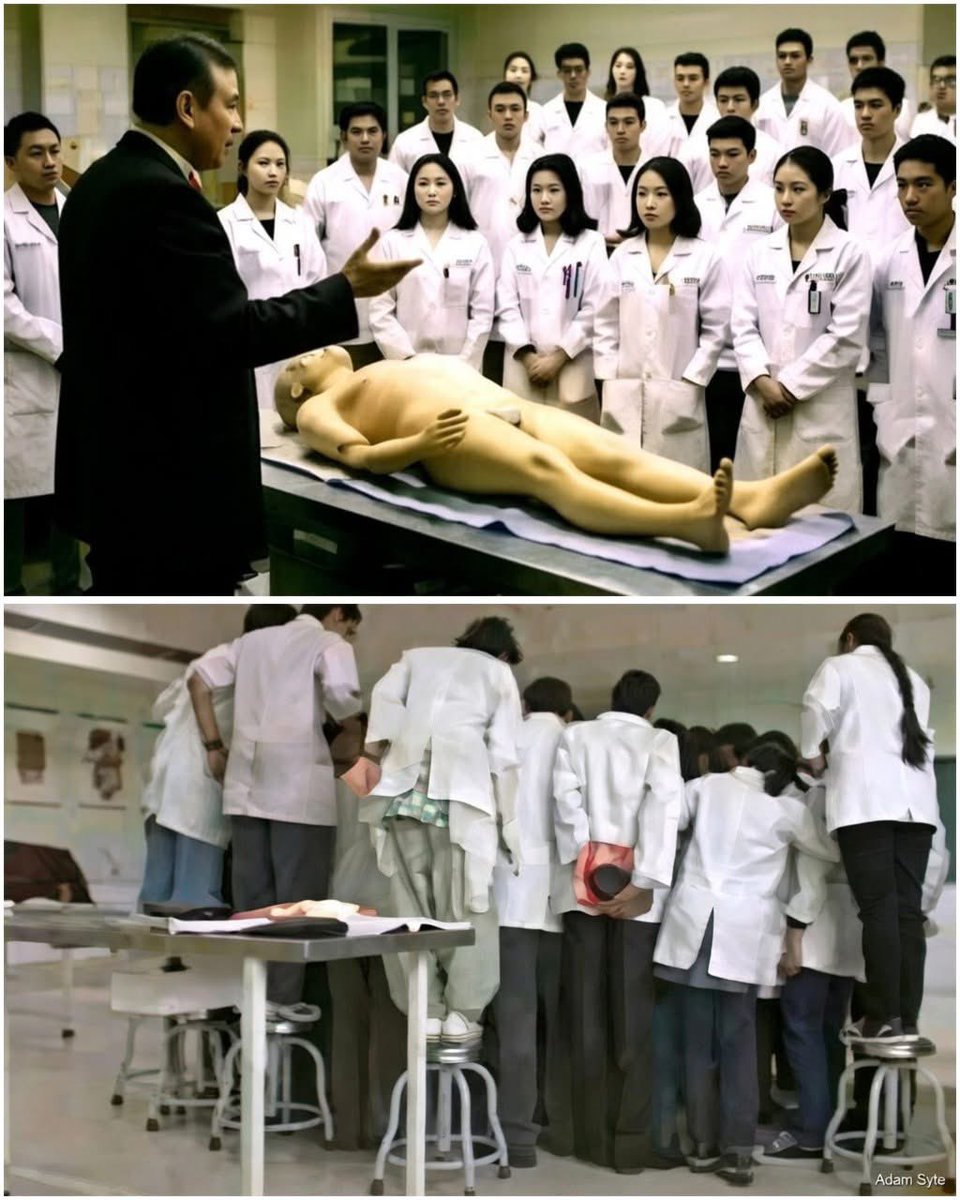
Some first-year medical students were attending their first Anatomy class. They gathered around a table where a real dead body had been placed for study.
The professor began the class by telling them that every good doctor must have two important qualities.
“The first,” he said, “is that a doctor must never be disgusted by anything in the human body.”
To demonstrate, he inserted his finger into the dead body’s anus, then put the same finger in his mouth and tasted it.
He then asked the students to repeat what he had done.
The students were shocked and hesitated for several minutes. But eventually, one by one, they did the same thing. Each of them inserted their fingers into the body’s anus and then tasted their fingers.
When everyone had finished, they all stood there frowning and feeling uncomfortable.
The professor then looked at them and smiled.
“The second most important quality of a doctor,” he said, “is observation.”
He continued,
“I inserted my middle finger, but I tasted my index finger.”
Moral lesson: Always pay attention and learn to observe carefully.