Waterloo Cross-Dressing Archive, c. 1730 to 1850

681 posts

Waterloo Cross-Dressing Archive, c. 1730 to 1850 banner
Waterloo Cross-Dressing Archive, c. 1730 to 1850

Waterloo Cross-Dressing Archive, c. 1730 to 1850

@WXDAproject

The #WXDA project gives you access to a growing database of 18th- and 19th-century periodical records of gender-variant garb. Link ⤵️ 173 records available now.

University of Waterloo, ON Katılım Temmuz 2022
160 Takip Edilen99 Takipçiler
Waterloo Cross-Dressing Archive, c. 1730 to 1850 retweetledi
Colby Gordon
Colby Gordon@badinfinity2·
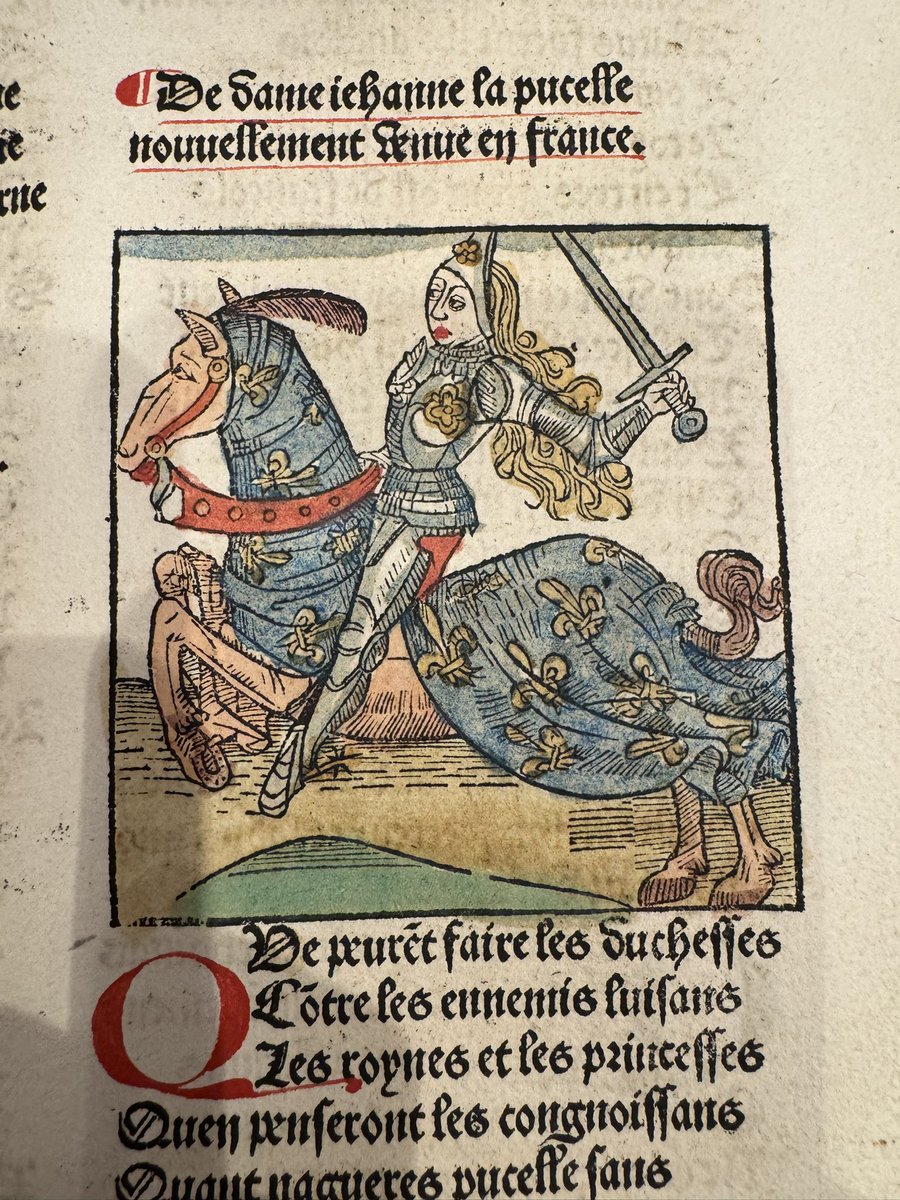
Found the earliest printed image of Joan of Arc at the @NewberryLibrary, very into the lipstick and breasty armor
Colby Gordon tweet media
English
1
4
50
2K
Waterloo Cross-Dressing Archive, c. 1730 to 1850 retweetledi
Fraser Easton
Fraser Easton@fraser_easton·
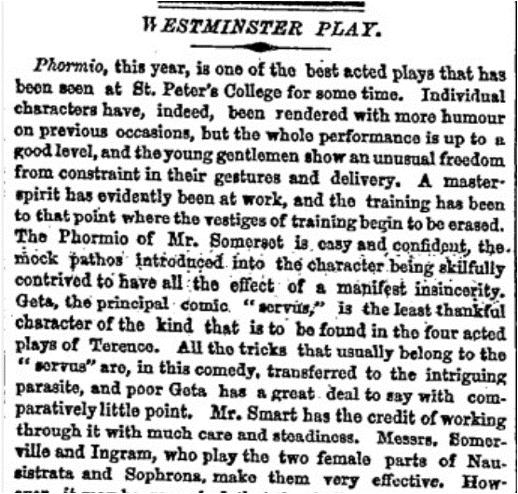
A “female chartist” played by a boy in a school production of Terence’s drama “Phormio” in 1833 @AntigoneJournal
Waterloo Cross-Dressing Archive, c. 1730 to 1850@WXDAproject

#OTD 19 Dec. 1833, the Times of London published a review of a student play given at St. Peter's College. This rewriting of Terence's "Phormio" staged Mr. Sommerville and Mr. Ingram in the female parts of Nausistrata (the female chartist) and Sophrona. int-heuristweb-prod.intersect.org.au/heurist/viewer…

English
1
1
3
332
Waterloo Cross-Dressing Archive, c. 1730 to 1850
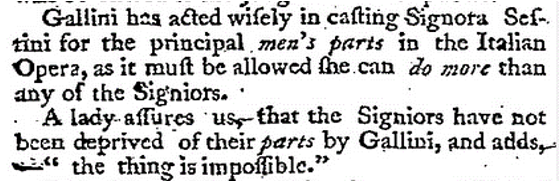
A reminder of the flexible mores around the breeches part: the anonymous author prefers to see an opera's male soprano part converted into a trouser role. Better to have a woman singer appear in the "Opera-breeches" than to make use of a castrated male singer (castrato).
Waterloo Cross-Dressing Archive, c. 1730 to 1850@WXDAproject

#OTD 7 Dec. 1802, the Times of London published a review of a performance given by Mrs. Gerbini at the opera. The author wrote "We see no reason why female singers should not perform all Soprano parts." int-heuristweb-prod.intersect.org.au/heurist/viewer…

English
1
1
1
95