

RM
106 posts

RM
@WY78142
VERBATIM TRANSCRIPTION I̵̩̺͍͔͐̽̐̄̀͜ ̵̪̹̻̯̃̎͒͋̓͜w̴̫͉̟͉͖̔̈́͘͠͝ɒ̶̢̺̯̟̠̊̌̑͑̚n̴̨̼͔̜͆͒̇͛͘ͅɈ̸̨̺̥͚̙͗̈́̄̂͛ ̴͍͕̹̹̋̅̌́̿ͅɈ̴̛̻̘̺̯̰̈́̏͊́ʜ̴̪̥͉̮̤͒̽̀͐́į̴̞̬̱̱̒́̏̊͆ƨ
Katılım Ekim 2023
101 Takip Edilen19 Takipçiler


@poopswag34 Tracks to Jung’s view that they’re psychic projections. Sightings heighten during peak global conflict
English
@poopswag34 Father spyridon dropped the orthodox view in “the UFO deception”
Got to slog through 12 chapters before he names demons
English

Lo money is plentiful -
for those who understand the rules of its acquisition.
Star Cash (rentals are live)@starcashdoc
STAR CASH | OFFICIAL TRAILER
English

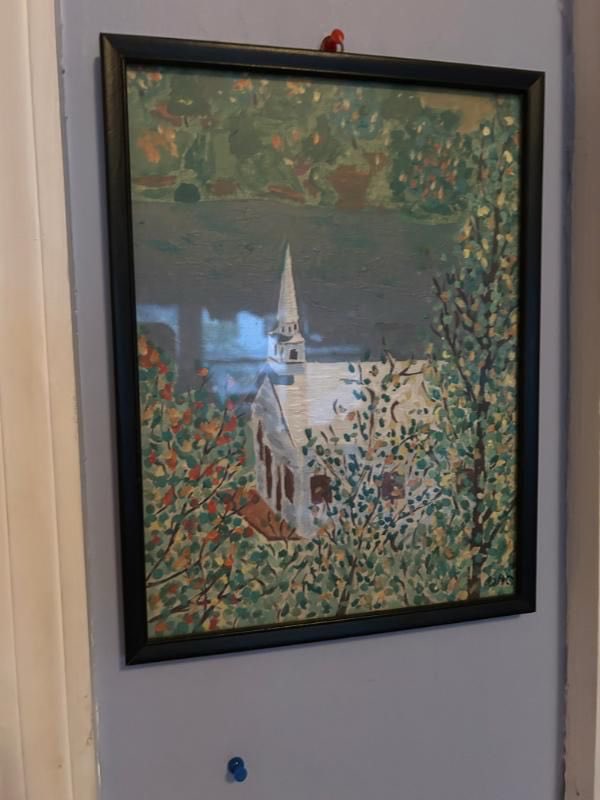
@LadePlatinum classically documented in Nancy De Sales 1996 New York Mag article "Prep-School Gangsters"
nymag.com/intelligencer/…
English

Two white guys from the graffiti community in NYC.
The left guy is wearing a 1991 North Face Steep Techs with a 1992 Polo “Outdoorsman” Button Up underneath
The right guy is wearing a 1992 North Face Steep Techs with a 1992 Polo “P Wing” Sweatshirt underneath
Layers
This aesthetic is what Yams studied
Stick to southern culture

TexLanta23🇺🇸🇵🇷@texatlanta23
@LadePlatinum A Dominican/ Puerto Rican nigga from NYC hanging around white folks is different news to me..
English

Just remembered my favorite actor Gene Hackman got eaten by rats last year
English
TM practitioner repeating “science based practice” ad nauseam while we toss apricots and flower petals at an altar to Maharishi and chant in sanskrit.
Nornal Guy 🧙♂️@theralkia
If I wanted to become a famous mental health “scientist”, this is what I would do: - Find an ancient meditation practice - Make it less effective - Repackage it with ridiculous science jargon - Test it on someone with a “mental health disorder”(not real) - Get mediocre results because my technique is nearly useless - Pay a team of scientists to create a study showing that my almost useless meditation isn’t useless - Gatekeep my nearly useless technique behind a very expensive license - $$$
English
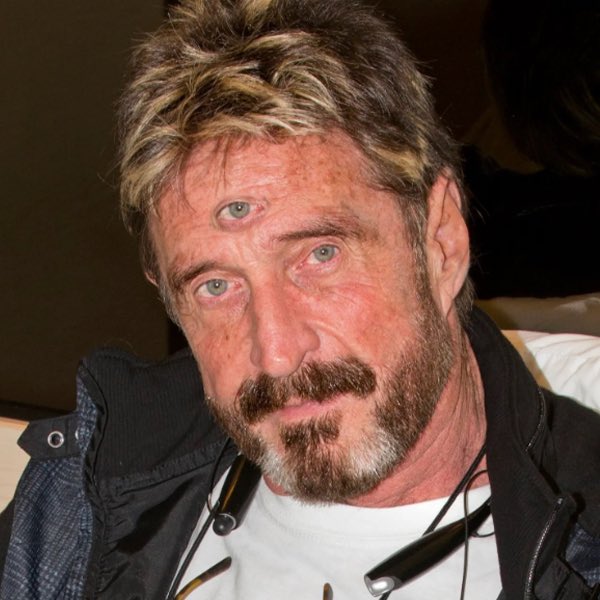

And just like that, the Theo Von meltdown makes sense.

English
If psychic death in daily life leads to psychic rebirth I can only imagine what death will bring.
Bryan Johnson@bryan_johnson
The strongest case against me is that I've built an identity around not dying so completely that I can no longer evaluate evidence that dying might be acceptable. If survival is the only framework, I have no way to test whether survival is worth it.
English

Dr. Jack Kruse says bodybuilders die decades earlier than the average person.
His friend Charles Poliquin is proof.
• World-class physique
• Looked like a Greek statue
• One of the most famous strength coaches alive
Kruse told him repeatedly he was going to die before 60.
He died of a heart attack at 58.
Kruse says the pattern is everywhere:
• NFL players die early.
• Professional wrestlers die early
• Gorillas die 20-30 years earlier than hhumans
They all look jacked. They all die young. Kruse says the reason is physics.
Energy cannot be created or destroyed.
When you pack mitochondria into muscle, you are stealing that energy from your brain and heart—the two organs that actually determine how long you live.
He points to Kleiber's law. Every mammal on Earth gets the same number of heartbeats in a lifetime. Gorillas have far more muscle than humans. They also die 20-30 years sooner.
Nature chose brain over muscle for longevity.
"Go find me anybody who's 85 years old that looks like that. You're going to find like not a lot of people."
The longest-lived humans on Earth are small people with belly fat. Not bodybuilders.
"Where you bury your mitochondrial density is the key."
— Dr. Jack Kruse (@DrJackKruse) on the Danny Jones (@JonesDanny) podcast
PS: If interested in content like this, follow me as I continue sharing unconventional health insights you won't find anywhere else on X.
Goku@ProjectGokuu
Dr. Jack Kruse just revealed how blue light hijacks the dopamine reward pathways in your brain. Your phone, laptop, and TV are all running on a light that keeps your dopamine low by design. He says this was engineered on purpose. Kruse is a neurosurgeon who traced where this blue light display technology came from: 1) In the 1950s, DARPA funded IBM to develop liquid crystal displays using blue light. Side note: DARPA is the Defense Advanced Research Projects Agency. They build military technology. The internet started there. 2) In 1995, DARPA gave the search algorithm to two Stanford students who founded Google along with this technology 3) Today, Meta and Google own the patents on how this light is delivered through every screen you use. Kruse asked one question no one in tech has answered. Why does every screen on Earth default to blue light? You need third-party software just to get red light on your own device. Kruse says the reason is simple. Blue light at specific frequencies makes screens addictive. It lowers dopamine over time. It makes users more compliant and easier to influence. DARPA wants it sticky so people can be programmed through the content they consume. He says 55% of the American population has already been affected by screen technology in exactly this way. The blue glow on your face right now isn't accidental. According to Kruse, it never was. — Jack Kruse (@drplebjack) on the Danny Jones (@JonesDanny) Podcast
English

so what do you do when you've turned music into your whole thing but then realize you absolutely cannot stand making music and haven't been able to for years
English

@NickHintonn Daydream about going back to the tile room floor with the bed with no sheets.
English

If I didn’t have Christ, my external circumstances would probably drive me crazy. But these days, the less I have, the more blessed everything feels. The moment I get too comfortable, I lose that feeling!
English

NYC’s Hottest New Club Is Catholic Mass
There's a new hot-spot taking over, and there’s no cover charge or VIP section in sight.
Walk into any traditional adjacent Catholic church this Easter from Old St. Patrick’s Cathedral to St. Joseph's Church in Greenwich Village, and the scene might surprise you. Packed pews. Standing room only.
20-and-30-somethings in their prettiest spring dresses and young men in pressed collared shirts and button-downs, lingering long after the service ends to talk, laugh, and swap Instagram handles.
It’s an energy that's warm and intoxicating… even without the bottomless mimosas.
One viral tweet recently described a packed Sunday Mass in Manhattan as "the hottest club in NYC right now," and she wasn't exaggerating.
Something major is happening across the country: young people are going to church.
Gen Z, once labeled a godless generation—atheist at worst, agnostic at best—have come rushing back, fueled by their fire for the Church’s framework of femininity and masculinity, for truth, and for God.

English

An NFL analyst’s autistic son, Madden, joined the set with his drawings for Autism Awareness Day, bringing smiles to everyone present.
English