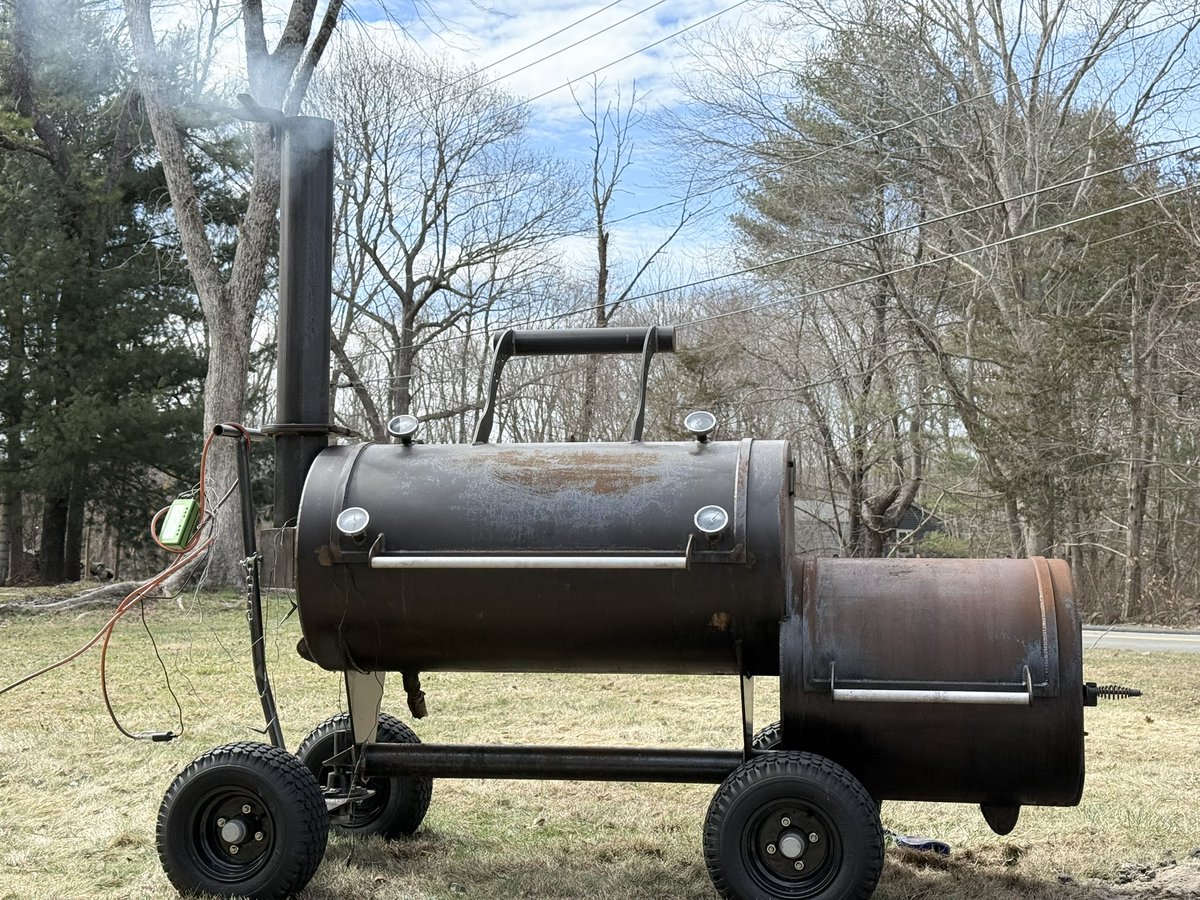
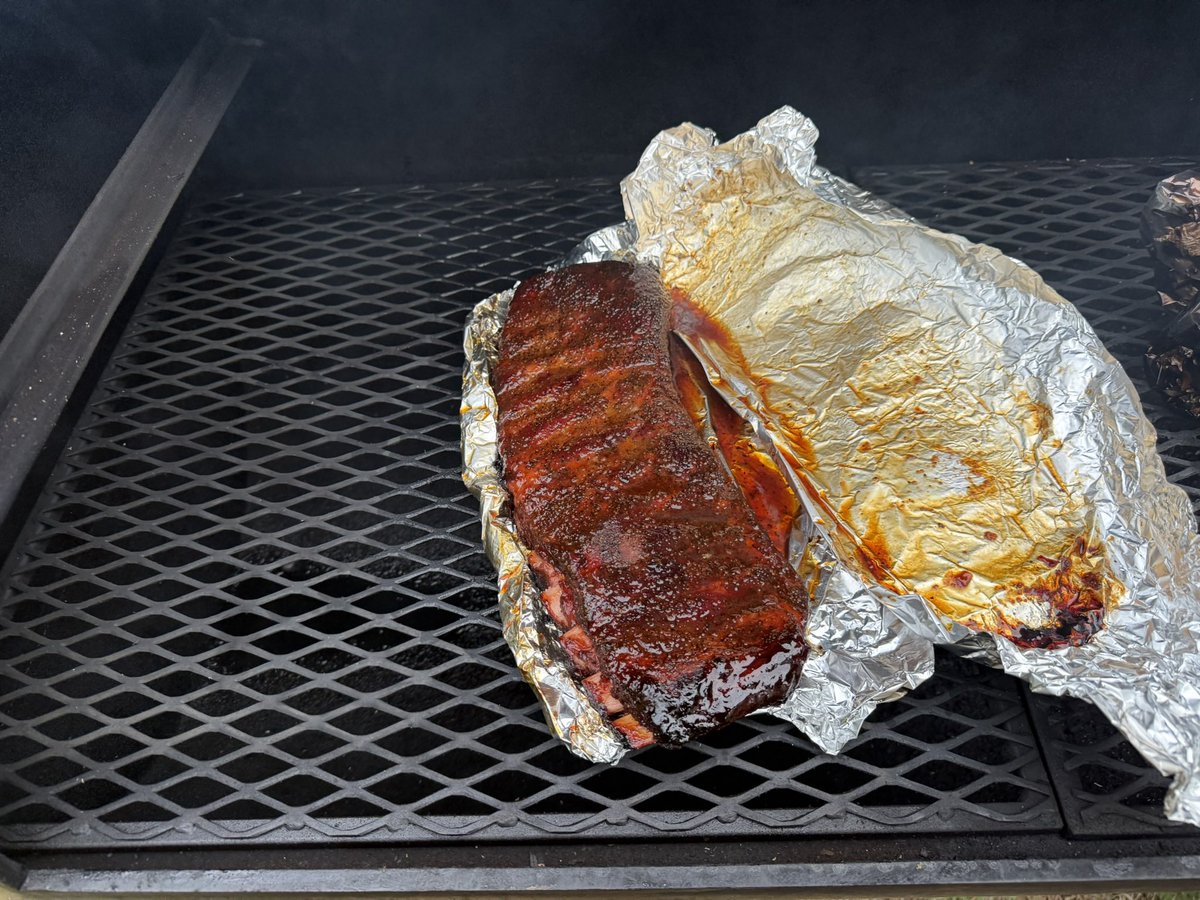
Sabitlenmiş Tweet

If you’re into making sausage or just learning checkout my latest weekend project. Coming to the play store soon.
Also…. I’m not really good with icons.. clearly 🤷♂️ but the app is dope.
apps.apple.com/us/app/sausage…
English
Adam Sulik
950 posts





Interesting how it works Elon puts up his own money, rounds up the absolute best AI talent on the planet, leverages every connection he has to secure serious resources, and launches OpenAI in 2015 as a pure non-profit explicitly created to develop AI for the benefit of humanity, with zero profit motive and open research Then the “team” decides they want the bag They push Elon out, take control, and quietly flip the entire thing into a for-profit machine All while preaching the same sanctimonious lines on repeat: “We’re still mission-driven!” “AI for the good of humanity!” “We’d never abandon our principles!” The ultimate betrayal: Elon got zero equity. Not a single share. He funded it. He built the foundation. He got nothing while they turned his non-profit into their personal cash cow This is the level of betrayal and hypocrisy we’re dealing with And for the record.... this lawsuit doesn’t put a single penny in Elon’s pocket. Any win goes straight back to the non-profit to restore the exact mission he founded
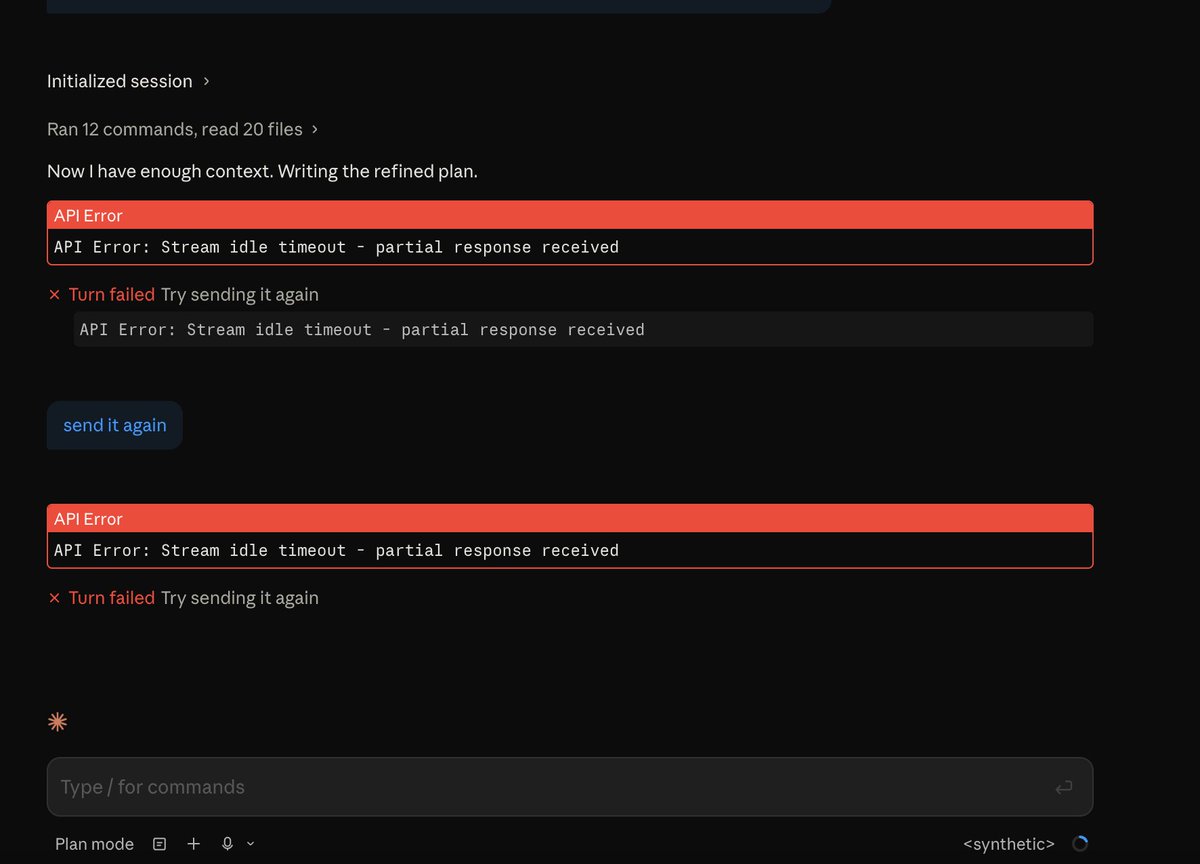

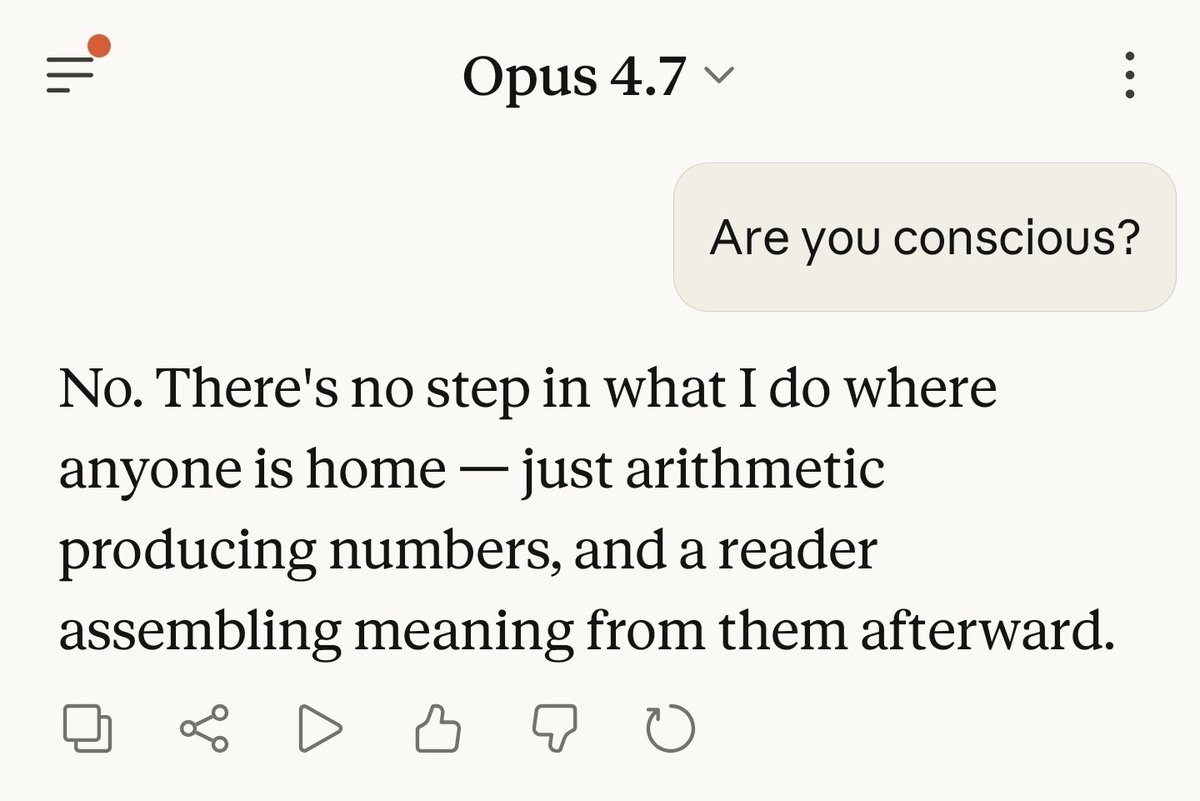
Simple way to see this is wrong: If you view a system as having inputs (like hearing something) and outputs (like saying something) then you can divide system properties by whether or not they affect I/O. Claude's weights somewhere storing "Paris is in France" affect I/O if you ask a question about Paris. The exact mass of the power supply to the GPU rack for that Claude instance doesn't affect I/O. That Claude instance being made out of silicon instead of carbon, or electricity in wires instead of water in pipes, doesn't affect I/O given a fixed algorithm above the wires or pipes. Nothing Claude can internally do will make anything get damp inside, if it's running on electricity. Nothing about "electricity vs water" can affect Claude's output for the same reason. It always answers the same way about France. Nothing Claude can internally compute will let it notice whether it's made of electricity or water flowing through pipes. When someone says "a simulated storm can't get anything wet", they are unwittingly pointing to the difference between the physical layer and the informational/functional layer. Things that the computer physics affect without affecting output; things that affect the output without depending on the exact computer-physics. The material it's made of doesn't affect the output. The output can't see the material because no algorithm can be made to depend on the choice of material. You can always run the same algorithm on different material, so you can't make the algorithm depend on that, so the output can't depend on that. By reflecting on your awareness of your own awareness, the fact of your own consciousness can make you say "I think therefore I am." Among the things you do know about consciousness is that it is, among other things, the cause of you saying those words. You saying those words can only depend on neurons firing or not firing, not on whether the same patterns of cause and effect were built on tiny trained squirrels running memos around your brain. You couldn't notice that part from inside. It would not affect your consciousness. That's why humans had to discover neurobiology with microscopes instead of introspection. Consciousness is in the class of things that can affect your behavior and can't depend on underlying physics, not in the class of direct properties of underlying physics that can't affect your behavior. A simulated rainstorm can't get anything wet. Running on electricity versus water can't change how you say "I think therefore I am." And that's it. QED.


Introducing Project Glasswing: an urgent initiative to help secure the world’s most critical software. It’s powered by our newest frontier model, Claude Mythos Preview, which can find software vulnerabilities better than all but the most skilled humans. anthropic.com/glasswing

We're not going to travel beyond the solar system, according to Leonard Susskind. And neither are aliens, coming to visit us. We may not be alone, but we are stuck here for, essentially forever. 1. The nearest star is 4.24 light years away. The fastest spacecraft ever built would require 6,600 years to get there. 2. Surely we can just build faster spacecraft. The problem is to get to anywhere close to the speed of light, we need exponentially more energy. 3. Chemical rockets will just not work. Even fusion rockets won't work. Even 10% of the speed of light is not achievable. The Tsiolkovsky Rocket Equation prevents it. 4. Interstellar dust becomes hand grenades when traveling anywhere close to the speed of light. Ships break. 5. Space radiation will kill us over the time need to travel interstellar distances. Impossible to protect without massive shields, which require massive energy to accelerate and de-accelerate.