

"Our first [rate] cut [forecast] is for May," says @3f_research's @warrenpies
Warren Pies
10.2K posts

@WarrenPies
Founder @3F_Research | PM $RAA | $FCTE | Formerly with Ned Davis Research | Recovering Attorney (step 4) - Not investment advice


"Our first [rate] cut [forecast] is for May," says @3f_research's @warrenpies


@cap_zay yes...But, the fundamental driver is the cloud revenue inflection...so many bears pinned their hopes on this being a wild misallocation of capital. Was (and is) an easy fade.


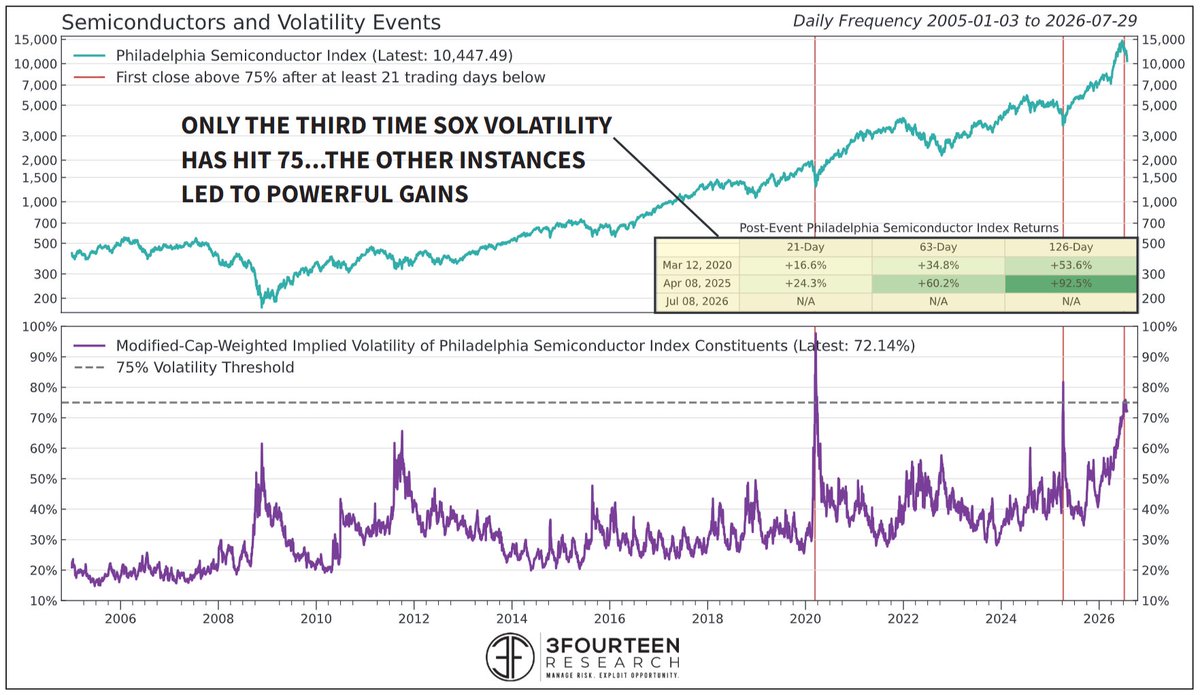
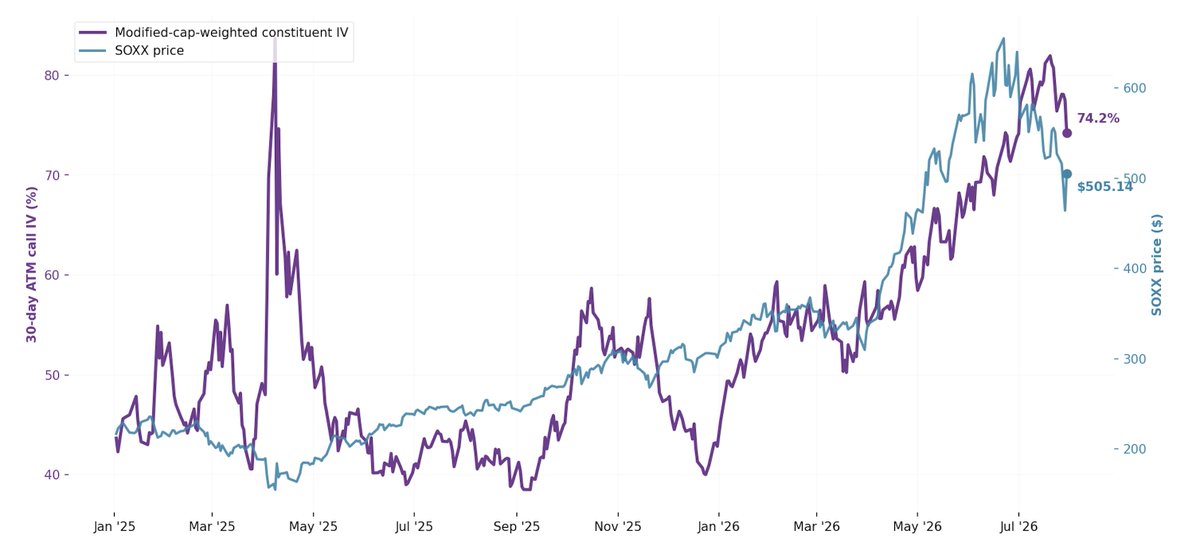
VIXEQ hitting lowest point since 6/18. Unsurprisingly, S&P 500 about to make a new ATH. Can't fight this market when hyperscalers are leading and semi vol so elevated.

Hyperscaler cloud revenue growth holds the key to this earnings season and is a likely catalyst to normalize low index correlations in a benign way (excerpt from last week's @3F_Research client report). $MSFT was first step along this path...$AMZN on deck.


Hyperscaler cloud revenue growth holds the key to this earnings season and is a likely catalyst to normalize low index correlations in a benign way (excerpt from last week's @3F_Research client report). $MSFT was first step along this path...$AMZN on deck.

Hyperscaler cloud revenue growth holds the key to this earnings season and is a likely catalyst to normalize low index correlations in a benign way (excerpt from last week's @3F_Research client report). $MSFT was first step along this path...$AMZN on deck.

There's much worry that low implied correlations will spike and create a Summer 2024 selloff/vix spike. True, the Fed + Iran are real macro risks However, implied correlation almost always rises during earnings season The key to a benign rise is constituent-level vol dropping


The idea that markets will trade off "data" now rather than the Fed's reaction function is oddly circular. Less, or no, forward guidance obscures the reaction function and introduces a higher risk premium into asset pricing. But, the market will still interpret each incoming data point through its perception of the Fed's reaction function. (i.e. does this data move the Fed closer to a tightening or loosening of policy). For better or worse, the Fed is still at the center of the financial universe. That is the system we have. Getting rid of forward guidance does not decrease the Fed's influence on capital markets (Marty Zweig was saying "don't fight the fed" 55 years ago - long before the "dots"). From my perspective, the main benefit of removing forward guidance is increased responsiveness to changing conditions/data. Making a public forecast hinders your ability to stay flexible/react. If FOMC members hold their cards closer to the vest, then they will be able to change their minds more freely.