
Sabitlenmiş Tweet
Web3Eco 🌳
1.8K posts

Web3Eco 🌳
@Web3Eco
Making sustainable RWAs truly profitable & accessible to everyone
Zug, Switzerland Katılım Haziran 2023
1.5K Takip Edilen10.8K Takipçiler
🌳 Why is the market moving toward real assets?
In a podcast on the “Millioners” channel, Web3Eco CEO @FilippBolotov shared his perspective on how the crypto market is evolving and why more attention is shifting toward #RWA projects.
Today, investors are increasingly moving away from instruments without fundamental value and are looking for solutions backed by real businesses and tangible resources!
That’s why one of the fastest-growing segments is tokenized assets backed by physical assets 🌿
In this episode, we explore how this new direction is taking shape, why it is scaling, and what real value companies are actually creating.
English
Agriculture doesn’t get as much attention as AI or crypto… but it remains one of the largest and fastest-growing markets globally 🌳
Over the past 20 years, global agricultural output has grown to around $3.8T, driven by one simple factor: demand isn’t optional here.
Food, raw materials and bio-resources are the foundation of the real economy.
And the key dynamics are pretty straightforward:
• population keeps growing → more demand
• farmland is limited → supply pressure
• emerging markets are consuming more
• technology is making production more efficient
🌿Agriculture today is evolving beyond its traditional role, turning into a space where capital, scale and long-term strategy really matter.
That’s the direction #Web3Eco is building in!
The model is simple in structure, but strong in fundamentals:
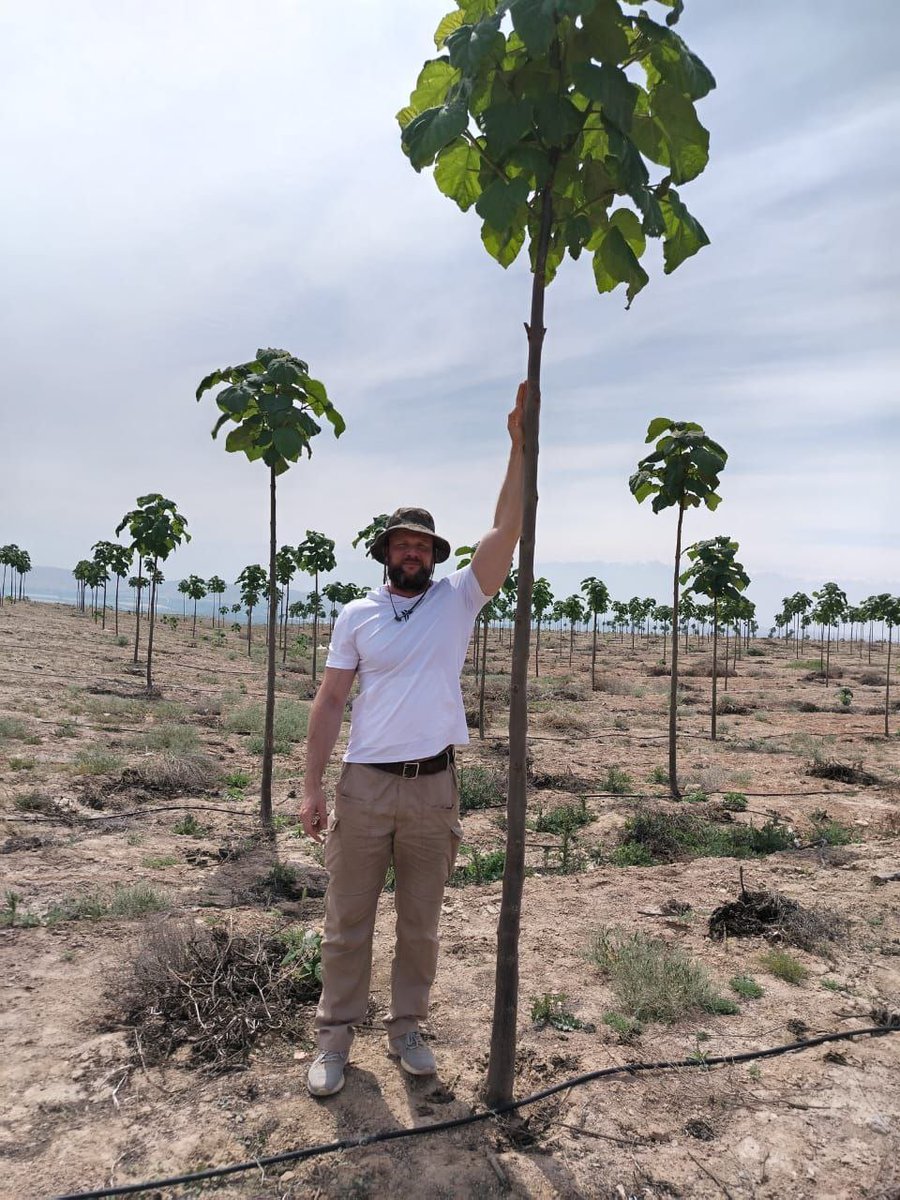
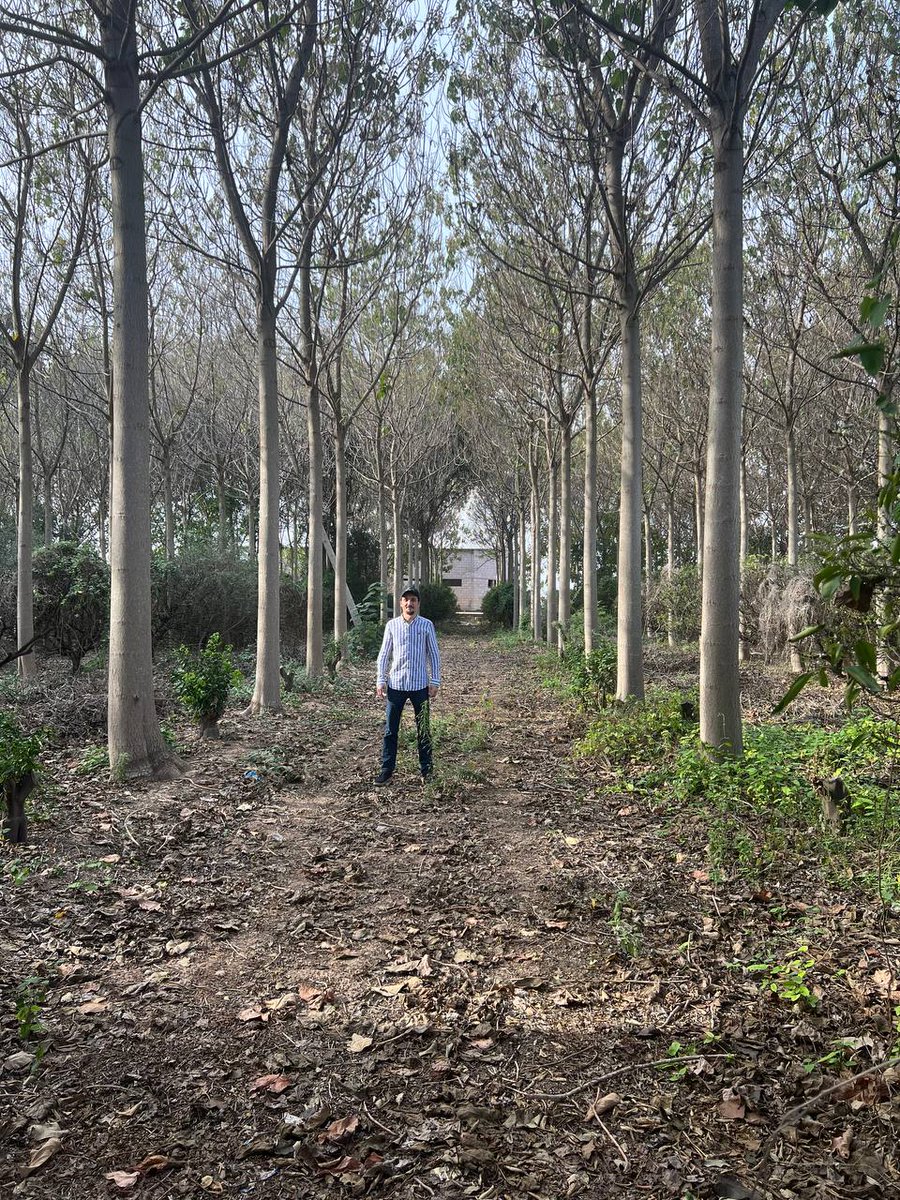
~70% of land allocated to industrial paulownia → long-term asset growth
~30% to high-yield crops → annual cash flow
So instead of waiting years for returns, the model combines: biological growth with ongoing income from the same land base 🌱
As the global demand for real assets continues to rise,
agriculture is becoming harder to ignore.
#RWA #Tokenization


English
Tokenized U.S. Treasuries just hit a new record 📈
The market has now surpassed $11B, and @circle USYC recently overtook @BlackRock BUIDL to become the largest tokenized Treasury product with about $2.2B onchain!
A big part of the growth is coming from how these assets are actually being used.
On platforms like Binance, Treasury-backed tokens are starting to function as collateral for institutional trading, allowing investors to earn yield while keeping capital active onchain 💰
This is exactly the kind of infrastructure many expected when the RWA narrative first appeared — traditional assets becoming programmable and integrated into digital markets.
Step by step, the financial system is finding its way onto blockchain rails.
🌳And Treasuries are only the beginning!

English
Web3Eco 🌳 retweetledi

Join us in 1 hour as we unpack this with leaders building in the tokenization ecosystem.
🎙 @metafyed
🎙 @ShiftRWA
🎙 @Quor_fi
🎙 @web3eco
x.com/i/spaces/1yKAP…
English
See you soon...🌳
Emergence Media@_EMAgency
Tokenization is one of the biggest narratives in crypto right now. But if everything gets tokenized… who actually wins? Retail? Institutions? Or the platforms issuing the tokens? We’re discussing this in our next X Spaces with leaders building in the RWA ecosystem. 🎙 Featuring: @metafyed | @ShiftRWA | @Quor_fi | @web3eco Set a reminder and join the conversation this Friday👇 x.com/i/spaces/1yKAP…
English
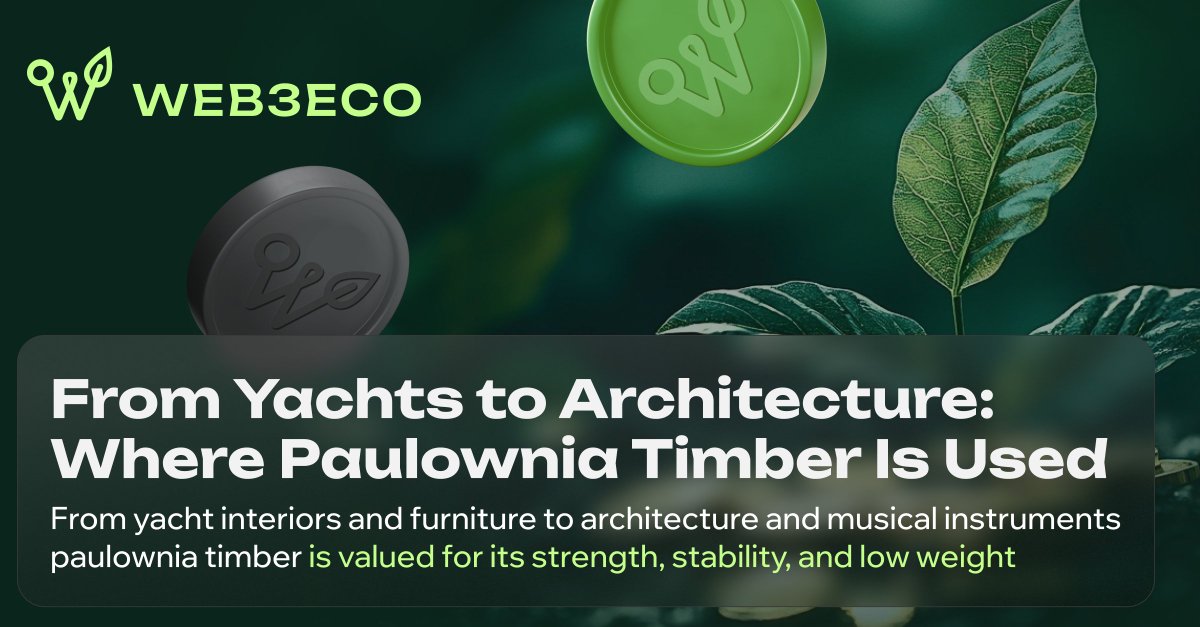
🌳What is premium paulownia timber actually used for?
When people talk about paulownia, they usually focus on one thing — how fast the tree grows.
But for industry, the real value is the wood itself!
Paulownia combines a rare set of properties:
• extremely lightweight, but strong
• resistant to moisture and deformation
• density around 210–280 kg/m³ — about 3× lighter than oak
Because of this, the material is used in a surprisingly wide range of industries.
🛥 In the marine sector, paulownia is used for yacht and boat interiors, where weight reduction and resistance to humidity are critical.
🪑 In furniture and interior design, manufacturers value its uniform grain, minimal knots and how easily the material can be processed and finished.
🏗 In architecture and construction, the wood is used for panels, interior structures and eco-friendly building elements thanks to its stability and low thermal conductivity.
🎸 You’ll also find paulownia in musical instruments and even in certain types of sports equipment, where the strength-to-weight ratio becomes a major advantage.
🏄 Sports equipment — high strength-to-weight ratio makes it useful for lightweight gear.
This combination of rapid growth and strong global demand for the timber is exactly why paulownia plantations are gaining attention in industrial forestry.
And it’s the same logic behind the Web3Eco model, where large-scale plantations combine long-term timber value with agricultural production on the same land🌱
English

If you’re building, investing, writing or researching within the tokenization, RWA or Stablecoin space comment below and connect with likeminded people.
This sector is still early, and a lot of the best ideas, partnerships, and projects start with simple conversations on this platform.
English
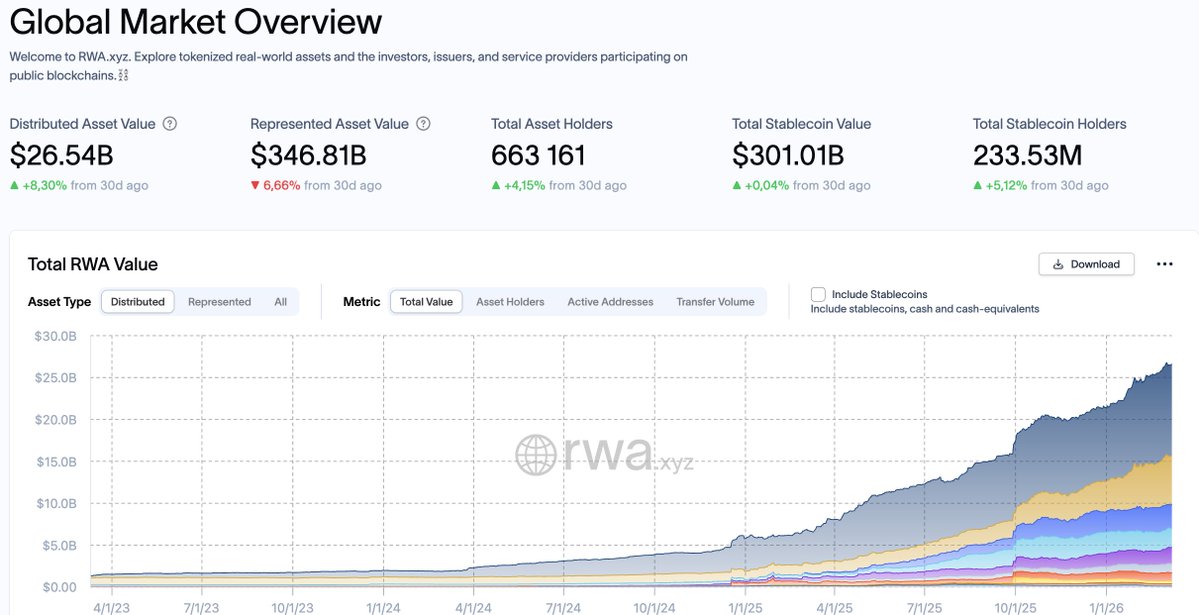
A year ago the market was around $6B...
🔥Today it’s almost 4× larger — a strong signal that #RWA is moving from experimentation toward real financial infrastructure.
Institutional players are entering the space as well. Asset managers like @BlackRock , @Fidelity and @WisdomTreeFunds have already launched tokenized products, while categories such as Treasuries, commodities and private credit continue to expand!
Step by step, traditional assets are finding their place on blockchain rails 📈
For projects like Web3Eco, focused on tokenizing productive sectors like agriculture and industrial plantations, this trend is especially important.
It shows that real assets onchain are no longer a niche idea — they are becoming part of the global financial landscape 🌱
English
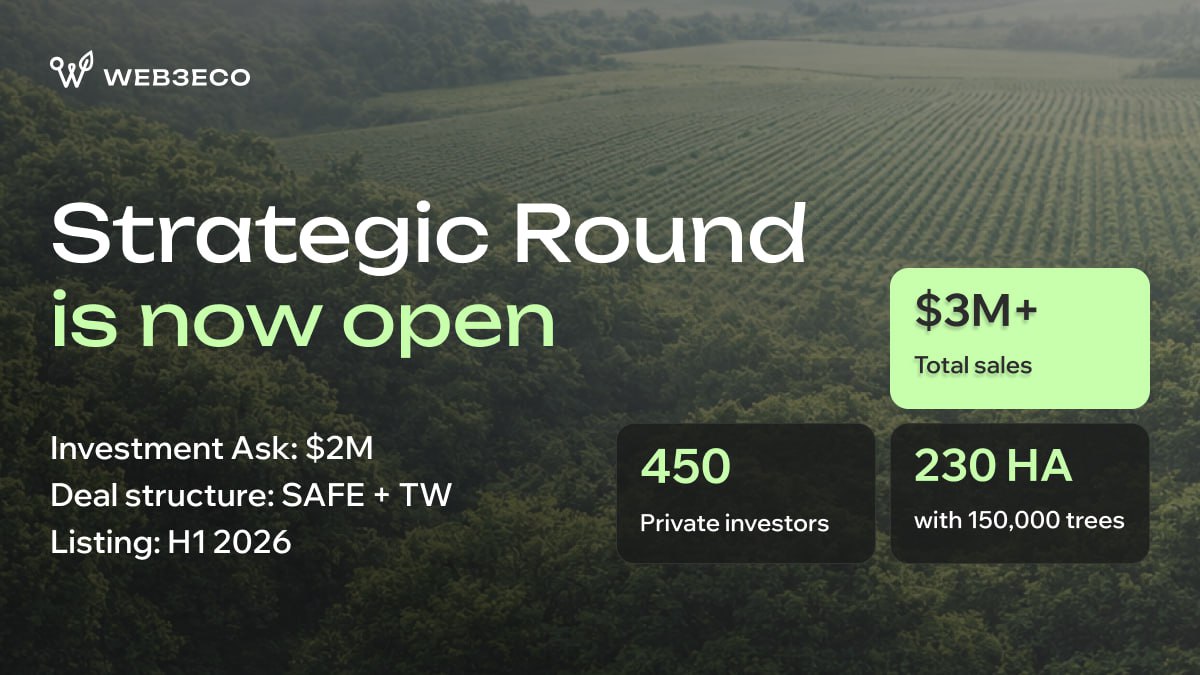
Exclusive Strategic Round is live ⚡️
Web3Eco is turning 230 ha of real plantations with 150,000 trees into high‑yield agro RWA!
$3M+ in tokenized sales and 450 investors are already in.
📍Pitch deck on request via bd@web3eco.io or t.me/Paul_theBlessed
#Startup #RWA #ReFi #ClimateTech #AgriTech #ImpactInvesting #VC
English
Paulownia — the green Bitcoin of the 21st century 🌳
Why is it increasingly compared to Bitcoin? Because it keeps growing!
Industrial paulownia plantations produce a biological asset that grows regardless of headlines, political speeches, or market chaos. News cycles fluctuate. Trees don’t. They compound quietly, every single day.
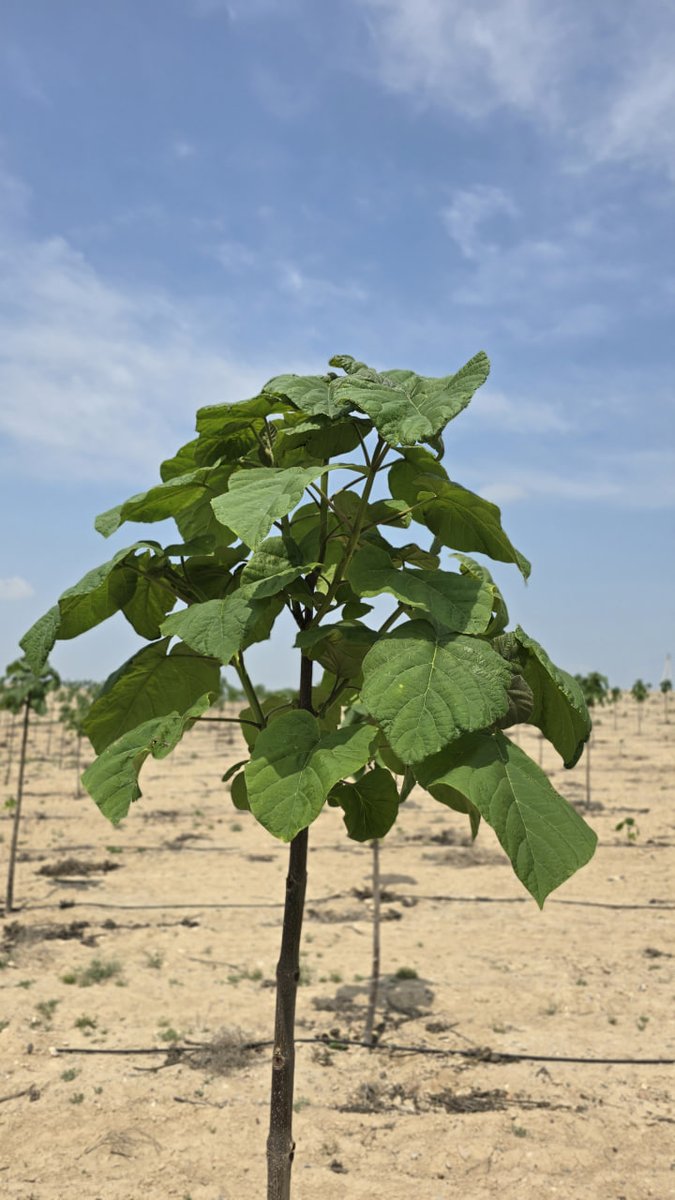
Our plantations use 4×4 and 4×5 planting schemes. This spacing allows proper crown and root development — and leaves room to cultivate additional crops between rows.
It’s one of the rare cases where capital literally grows through nature.
To scale the model efficiently, we introduced complementary sub-crops across the plantations: capers, lavender, garlic, carrots, potatoes and others 🌿
These crops improve soil quality and generate annual revenue while the core timber asset matures toward its first major harvest cycle in 2029.
The structure is hybrid by design:
• 70% — industrial paulownia (long-term capital growth)
• 30% — high-yield crops (annual cash flow)
Paulownia is the long-term asset — it takes time, but it builds real value as it grows. The crops between the rows generate income every season, so the land works even while the timber matures.
It’s a simple idea: one layer compounds over years, the other supports cash flow along the way.
Growth that doesn’t depend on headlines — just time, land, and disciplined execution 📈
English
🔥Tokenized equities just hit another milestone!
Abu Dhabi Global Market approved Ondo Finance’s tokenized stocks and ETFs for trading on Binance’s regulated venue.
👉 For the first time, digital versions of public equities are cleared under ADGM’s framework — meaning UAE-based institutions can legally deal in them.
That’s a shift!
A few years ago, tokenized stocks were shut down under regulatory pressure. Today they’re being integrated into licensed trading infrastructure.
The products track major names like Apple, Amazon, Nvidia and the QQQ ETF — structured within a compliant framework and available to non-U.S. users.
📈The tokenized equities market has already crossed $1B
Still small relative to global markets — but directionally clear.
At Web3Eco, we see the same structural shift extending beyond equities 🌱
Agriculture, land, productive real assets — once the legal and infrastructure layer is in place, tokenization becomes a scaling tool.
This is how markets evolve: gradually, then decisively!

English
It’s common to say we’re living through difficult times...
But historically, instability has been the baseline — not the exception. Economic slowdowns, market corrections, geopolitical tension — cycles repeat.
The real question isn’t whether markets are unstable. It’s how capital should be positioned when they are.
📈Long-term strategies don’t pause because headlines turn negative. They adapt by shifting toward assets less dependent on short-term sentiment and financial noise.
That’s the logic behind productive real assets 🌳
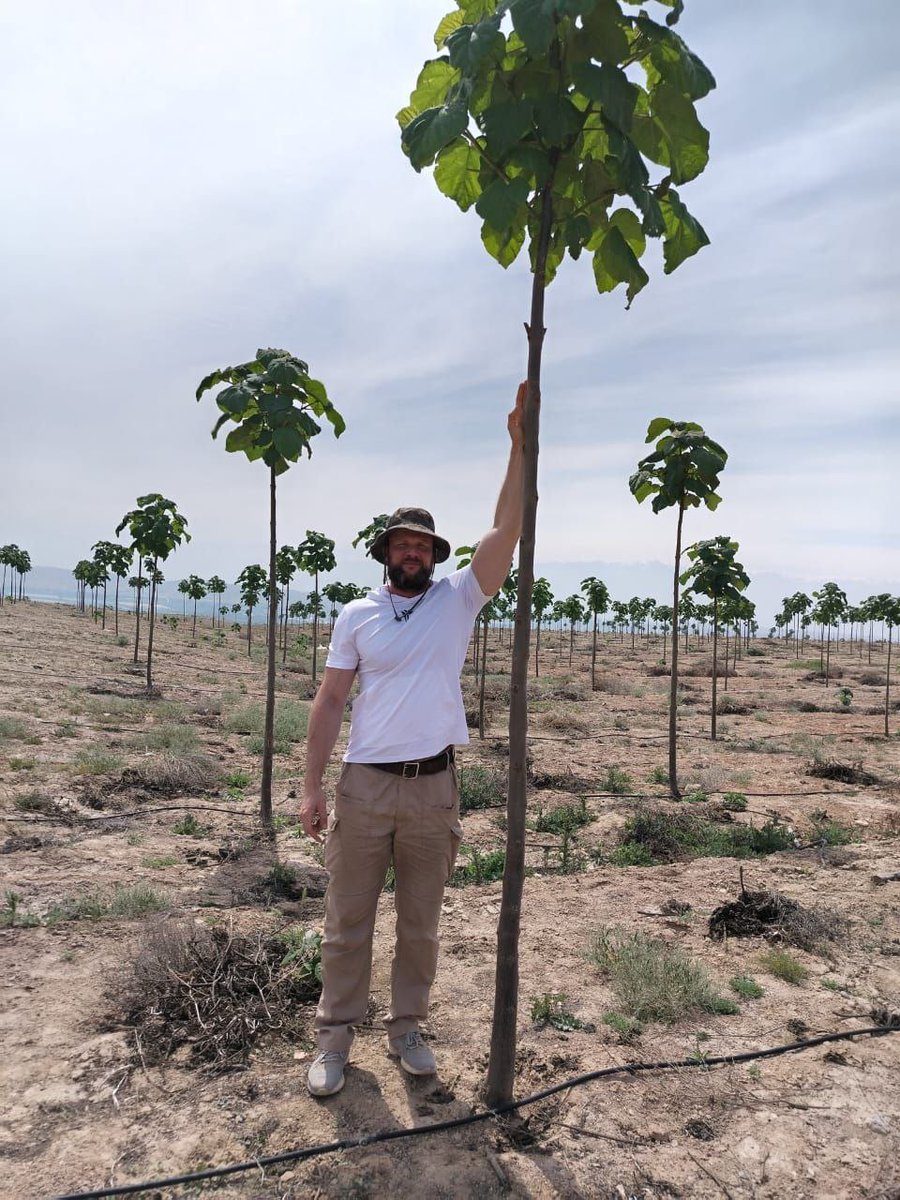
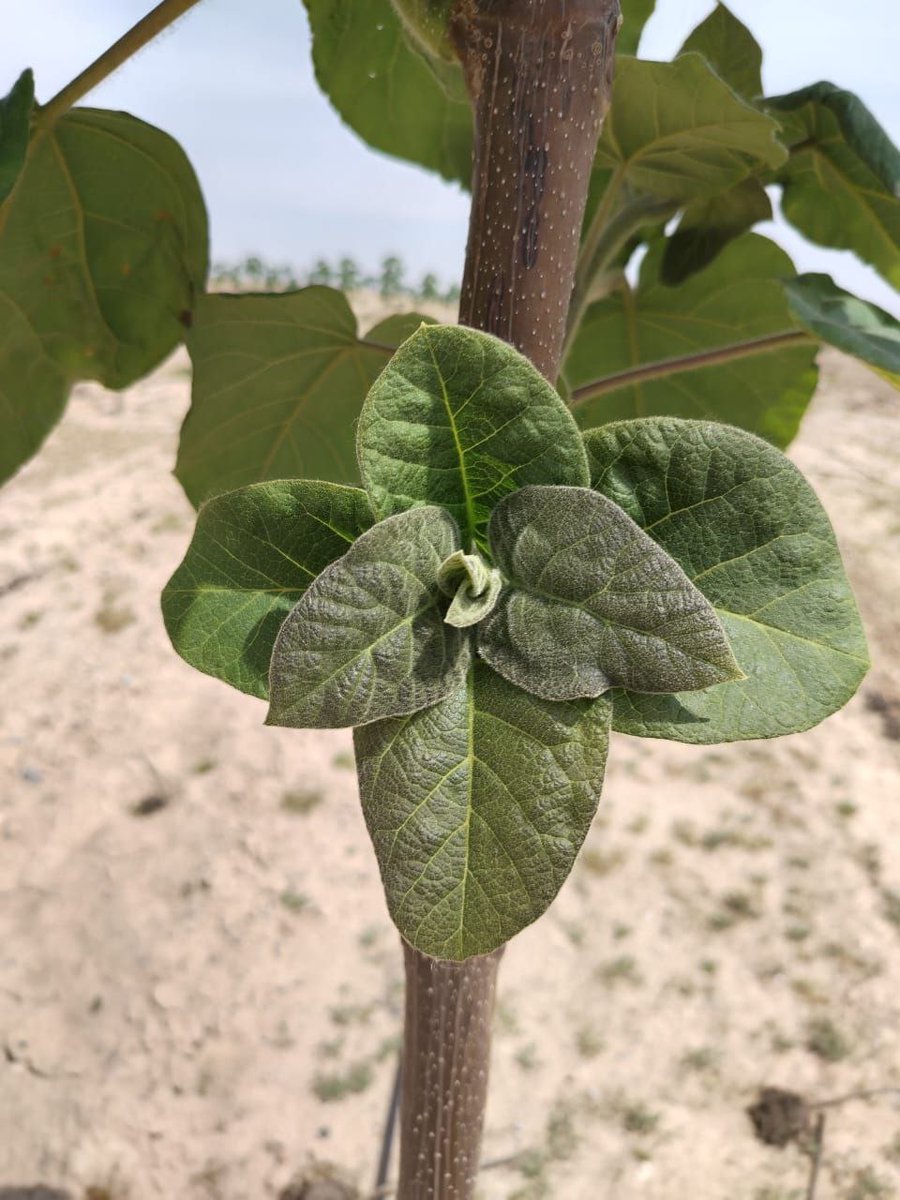
Industrial paulownia plantations combined with complementary agricultural production represent a biological asset model: trees continue to grow regardless of market cycles, land continues to produce, crops generate output independent of daily volatility.
The structure is intentionally hybrid 📊
Premium timber builds long-term capital value. Complementary crops — capers, garlic, berries and other high-demand products — generate recurring annual revenue. This creates a balance between appreciation and cash flow!
Resilience also requires geographic diversification. Expansion into regions such as Georgia, Turkey, Bulgaria, Spain and parts of Latin America strengthens climate positioning and distributes regional risk.
Volatility will not disappear. Cycles will continue!
Strategic capital allocation means focusing on assets capable of operating through those cycles — not reacting to them 🔋
That principle defines how Web3Eco builds.
English
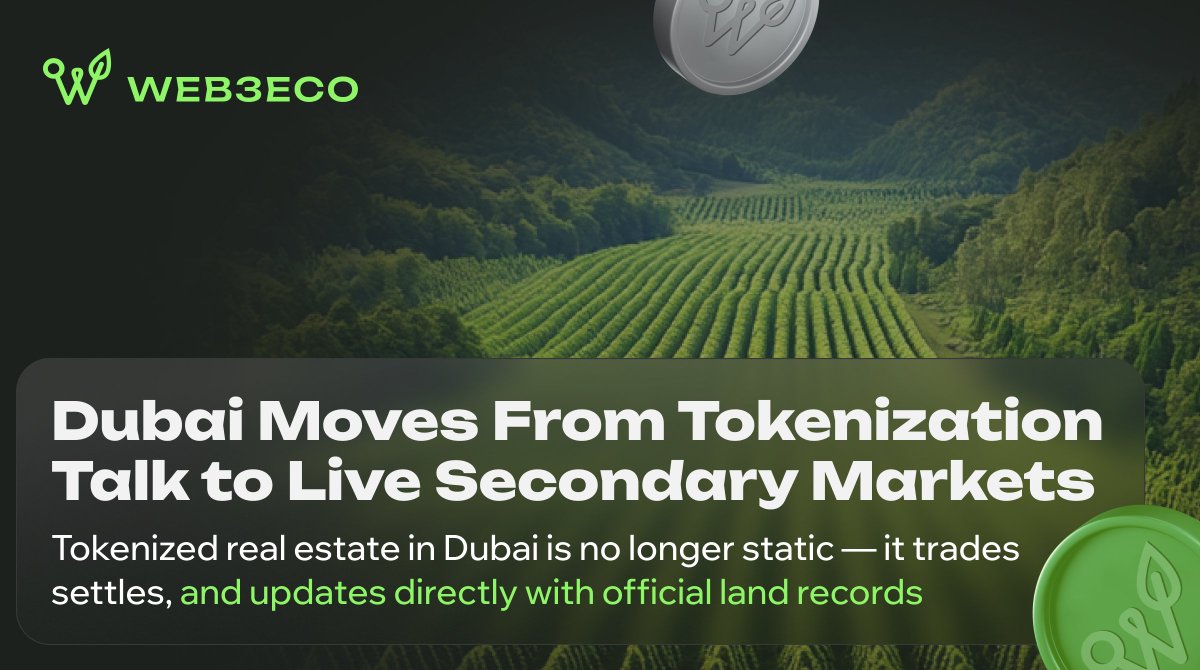
🇦🇪Dubai just did something most jurisdictions are still debating!
The Dubai Land Department together with Ctrl Alt opened a controlled secondary market for tokenized property.
Around $5M in fractional ownership, tied to 10 actual properties, is now tradable. The tokens live on XRP Ledger and are backed by real title deeds synced with the official land registry.
🌊It’s blockchain wired directly into government records. Ownership updates onchain, and the registry reflects it. That’s very different from a marketplace experiment.
It’s also only step two. Dubai’s roadmap targets $16B in tokenized property by 2033 — about 7% of the market. Small in percentage terms, but structurally massive 📊
Most RWA conversations are still panels and PDFs. Here you have live assets, regulated trading rails, custody, and state-level integration!
At Web3Eco, that’s exactly where we’re building: tokenized agricultural businesses and industrial plantations designed to generate both annual income and long-term asset growth.
If governments are integrating property registries with blockchain today, the bigger question is:
which real-world asset class scales next?
English
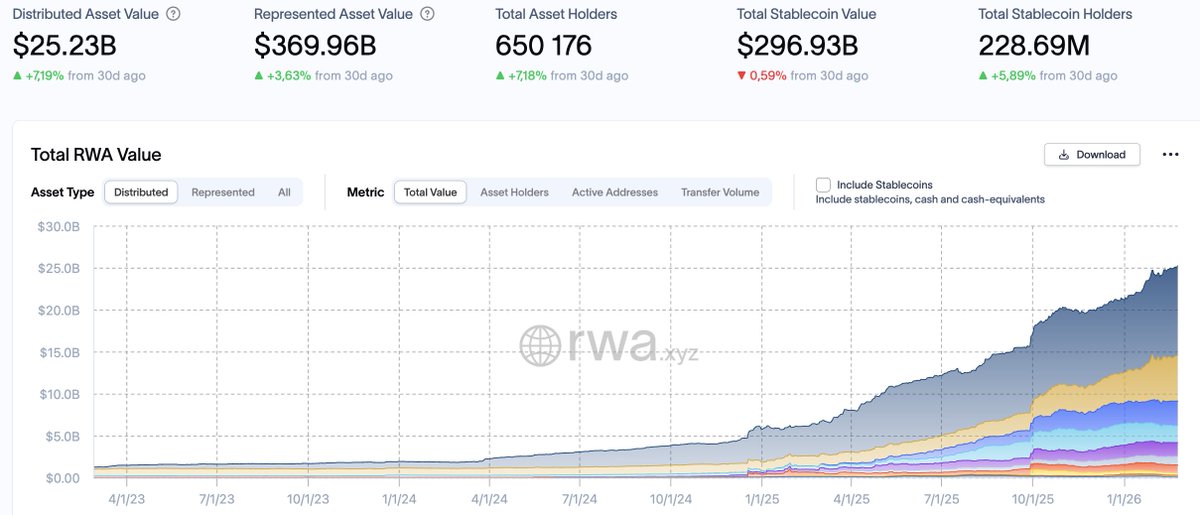
🌍 The Tokenized Real-World Asset (RWA) Market Surpasses $25 Billion!
According to the latest data from analytical platform @RWA_xyz , the Real-World Assets market has exceeded $25 billion, showing growth of over 6.6% in the past 30 days.
The market demonstrates steady expansion, with tokenization increasingly established as part of the global financial infrastructure.
Market breakdown:
• U.S. Treasury bonds — over $10 billion
• Commodity assets — over $5 billion
• Private credit — more than $2 billion
• Institutional hedge funds — also over $2 billion
Over $6 billion are represented by other categories of tokenized assets, including corporate bonds, government debt outside the U.S., and publicly traded equities.
English
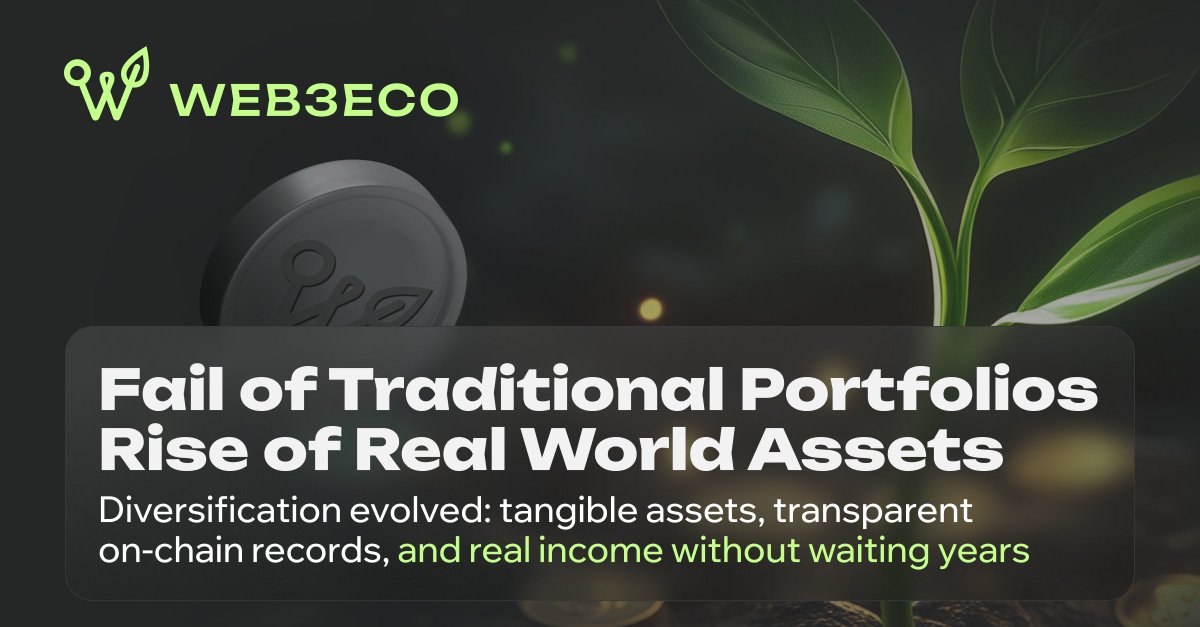
2026 is testing investors like never before...
❗️Sky-high debt, rising inflation, and volatile markets are exposing the limits of traditional portfolios.
Cash is losing value, bonds barely yield, stocks swing wildly, and gold doesn’t generate income.
Every asset has trade-offs:
• Stocks can grow 5–15% per year but are volatile and tied to global events.
• Bonds are safer but yield little and carry default risk.
• Real estate locks up capital and can be illiquid.
• Gold and currencies protect against inflation but don’t produce operational cash flow.
• Crypto offers high upside but swings dramatically.
So how do you balance growth, stability, and liquidity in 2026?
Enter tokenized real-world assets 🌳
Web3Eco lets investors own shares of industrial plantations and high-yield crops, combining long-term capital growth with annual cash flow.
Paulownia trees build strategic value over years, while crops like berries, potatoes, and capers generate regular returns.
It’s diversification evolved: tangible assets, transparent on-chain records, and real income without waiting for years!
If the old ways feel fragile, maybe it’s time to ask: what other real-world assets could benefit from tokenization?
English
🌱 Blockchain meets sustainability — this week in review
The world keeps merging tech, finance & ecology. Here’s what caught our eye:
1️⃣ Alcoa fined $55M for illegal logging in Western Australia. Enforcement includes land restoration & species protection.
2️⃣ Amazon deforestation hits historic lows. Strong oversight & eco initiatives showing results for biodiversity.
3️⃣ IFC invests $150M in green projects across Egypt. From energy efficiency to sustainable infrastructure, capital is flowing into responsible finance.
4️⃣ Kresus Labs raises $13M to tokenize real-world assets. Wallets that bridge traditional investments & blockchain are gaining traction fast.
💡 What it shows: blockchain + RWA tokenization isn’t just hype. It’s creating transparent, sustainable, and yield-generating opportunities across sectors.
At #Web3Eco, we’re taking this further. We tokenize agriculture & forestry assets, turning industrial plantations and fast-growing trees into predictable cash flow streams, plus complementary crops that generate yearly returns
So here’s a thought for the Web3 community: if plantations & timber can go on-chain, what other real-world assets could be tokenized profitably next? 🔗

English

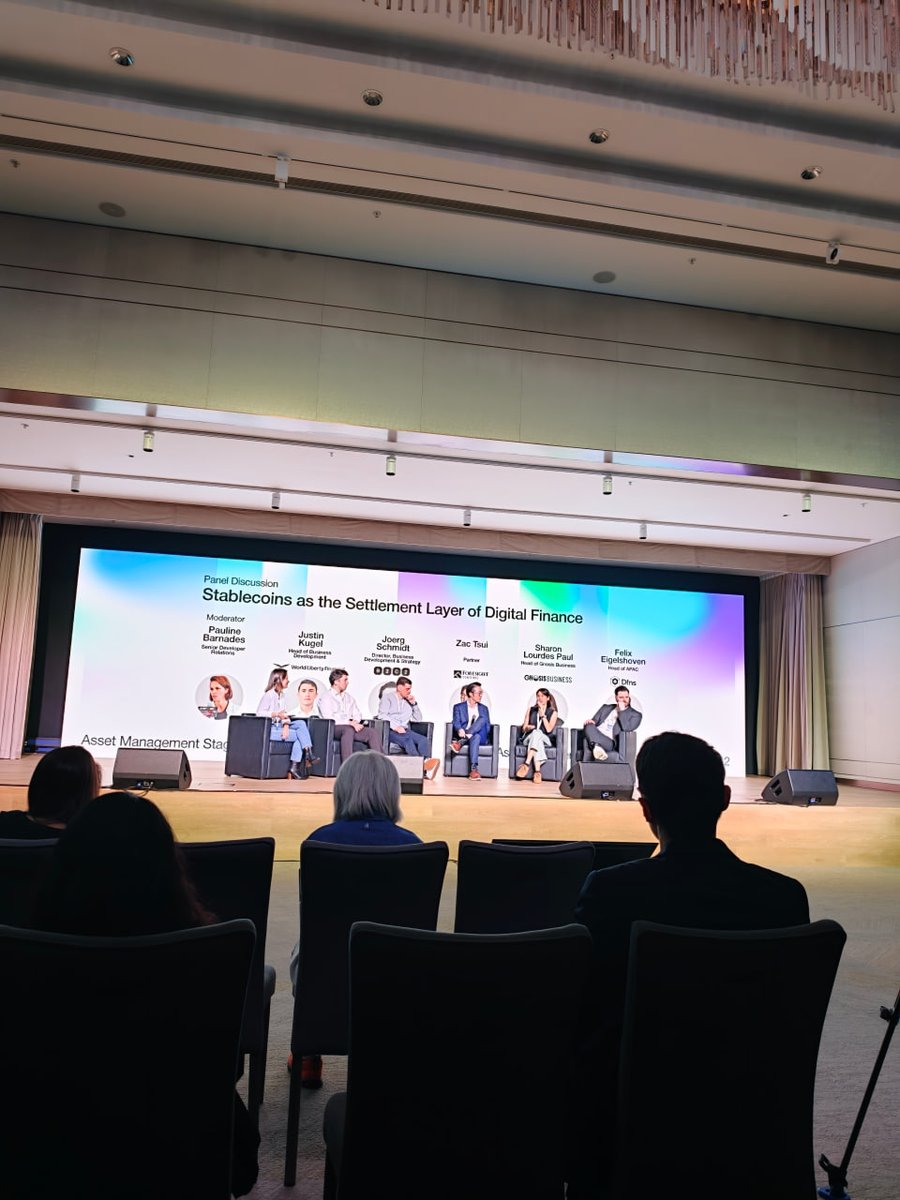
🇭🇰 Web3Eco in Hong Kong: Final Day Reflections
The final day of our trip unfolded within the framework of Consensus Hong Kong — the central platform of the week, bringing together funds, infrastructure players, institutional representatives, and a wide range of side events.
1️⃣ Stablecoins, RWA & AI
The morning agenda focused on RWA, stablecoins, and infrastructure. During Stablecoins, RWA & AI, we connected with a representative from @OKX_Ventures investment division and discussed how funds currently evaluate real-world asset tokenization — and which models are genuinely considered scalable today.
2️⃣ RWA Fi
At RWA Fi, conversations shifted toward a more applied format. We engaged with Asian ecosystems expanding across the region, discussing deal structuring, liquidity access, and evolving investor requirements.
3️⃣ KANPAI in Lan Kwai Fong
The evening continued with a closed-door gathering at KANPAI in Lan Kwai Fong, where we met with @TheSpartanGroup — one of the tier-1 VCs in the market. Following the discussion, we agreed to submit company materials for further review.
We also explored potential collaboration with @KuCoinVentures, including both investment direction and possible listing pathways.
4️⃣ RWA Summit Hong Kong & HSBC Side Events
A separate focus was the RWA Summit Hong Kong, where we met with an @HSBC representative overseeing digital assets and currency initiatives. We presented the Web3Eco model and submitted materials to the bank’s investment department.
At the HSBC side event, discussions continued around agrisector tokenization and potential formats of cooperation.
5️⃣ BitAngels Conference
The day concluded at the BitAngels Conference, where we presented Web3Eco to a investor audience and secured several new targeted connections.
💭 Broader takeaway
Consensus highlighted a clear trend: the conversation around RWA is increasingly moving beyond the crypto-native community and into the realm of major funds and banking infrastructure.
Hong Kong became an entry point into a broader Asian ecosystem. What follows now is focused execution and structured follow-up on the agreements reached.


English
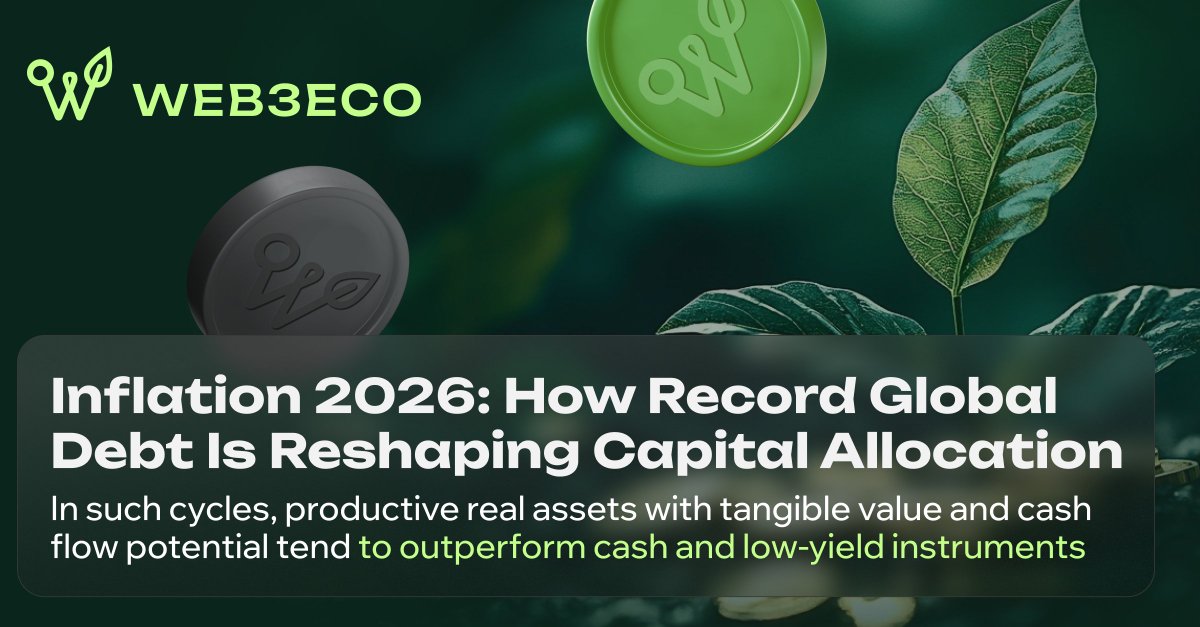
📉 Inflation in 2026: where does capital actually survive?
Global debt just crossed $300 trillion, growing faster than global GDP. When debt expands faster than productivity, the cost of money becomes the real risk.
What’s building pressure right now?
1⃣First, debt servicing.
After aggressive rate hikes, governments are refinancing at much higher costs. The U.S. alone is spending over $1 trillion per year just on interest. When interest payments compete with public spending, the options narrow: borrow more or print more. Neither is deflationary.
2⃣Second, structural deficits.
Most developed economies are entering 2026 already running persistent budget gaps. This isn’t cyclical anymore — it’s embedded.
3⃣Third, policy constraints.
If growth slows, central banks may cut rates even with inflation still elevated. History shows that easy policy combined with high debt tends to weaken purchasing power over time.
In this environment, holding cash or low-yield instruments quietly erodes capital.
Historically, periods of debt pressure favor real assets — land, commodities, infrastructure, productive assets with cash flow.
🌳 That’s exactly the segment we focus on at Web3Eco.
We operate industrial agricultural plantations designed as real, income-generating assets. The core asset is Paulownia, a fast-growing timber species with international demand. At the same time, additional crops planted across the plantations generate annual cash flow, meaning investors don’t have to wait years for returns.
In a high-debt, inflation-sensitive world, productive real assets aren’t just a hedge — they’re a strategy.
English