

notice me, omar
1.1K posts

notice me, omar
@WilleAndHisSong
math teacher and professional edmarie. Here for: YR, Omar Rudberg, my bae Edvin Ryding, and Education related stuff. Fluent in 3 languages. 30-something.
Chicago, IL Katılım Eylül 2024
158 Takip Edilen28 Takipçiler


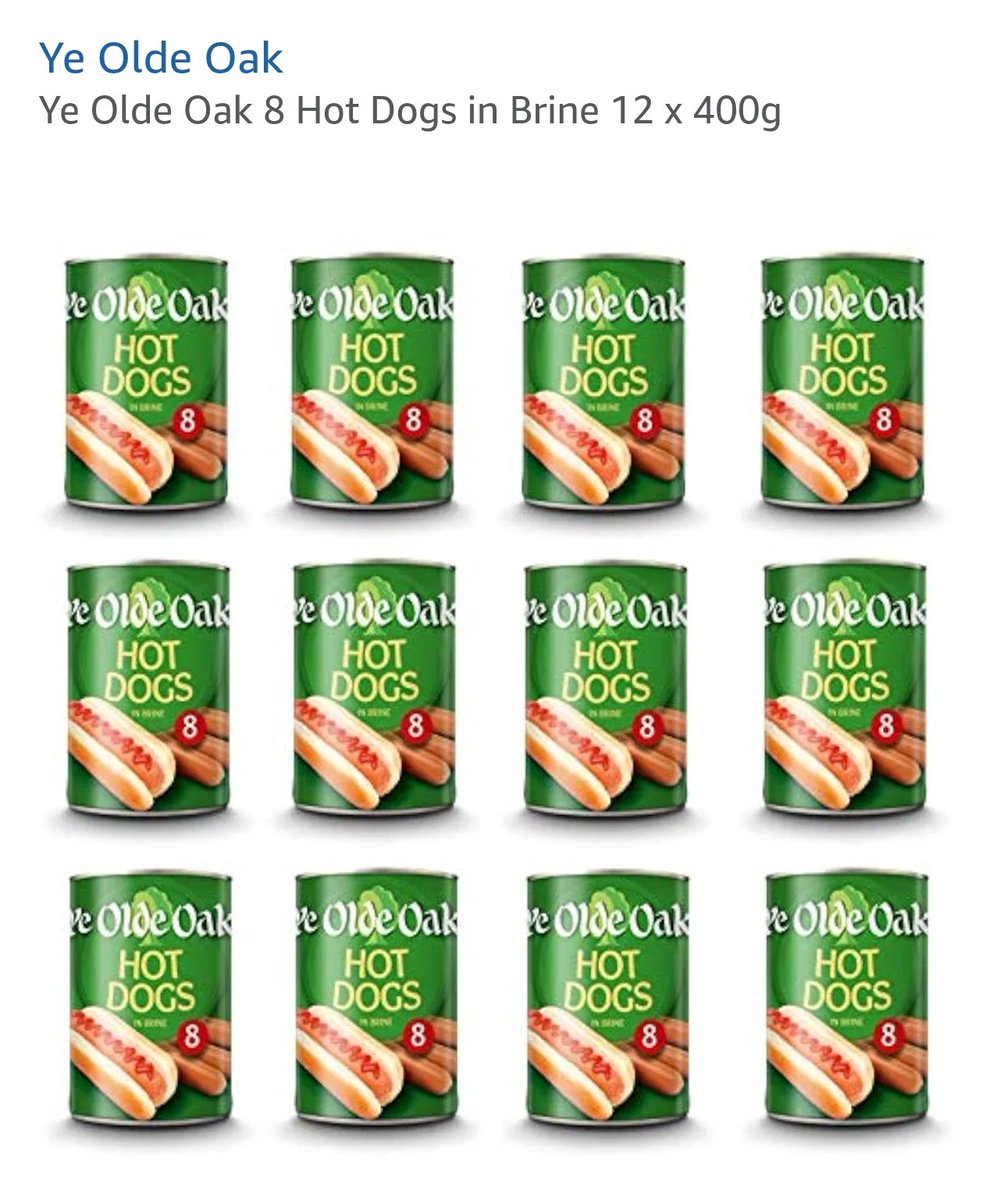

Germany also, for some reason, sells “American hot dogs” in glass jars filled with water? not in the fridge?? i’ve literally never seen them like this in the US ever, this is a German invention.

Milkyray🪽🥛DOKOMI@Milkmeray
i just found out my American friend doesn't know what hotdog sauce is. It literally has an american flag on the bottle of hotdog sauces wdym they don't have it and never heard of it? Germany just made that shit up!???😭😭 HUHHH
English
@HeWheelsHeDeals There were other racist things, but the slutty eye-talians thing sticks out the most probably because the 2 girls were my friends. We were all around the same age.
English
@HeWheelsHeDeals Can confirm. My mom once told our elderly neighbor that her grandfather was from Poland. After that she started saying the most racist shit about people. My favorite memory is her telling me me the girls who were my other neighbors were “slutty eye-talians.”
English

I think anyone in Chicago can verify this

English
@paulswaney3 Dude, you’re such a loser. Imagine being your big age and harassing young girls on X. What a doofus.
English

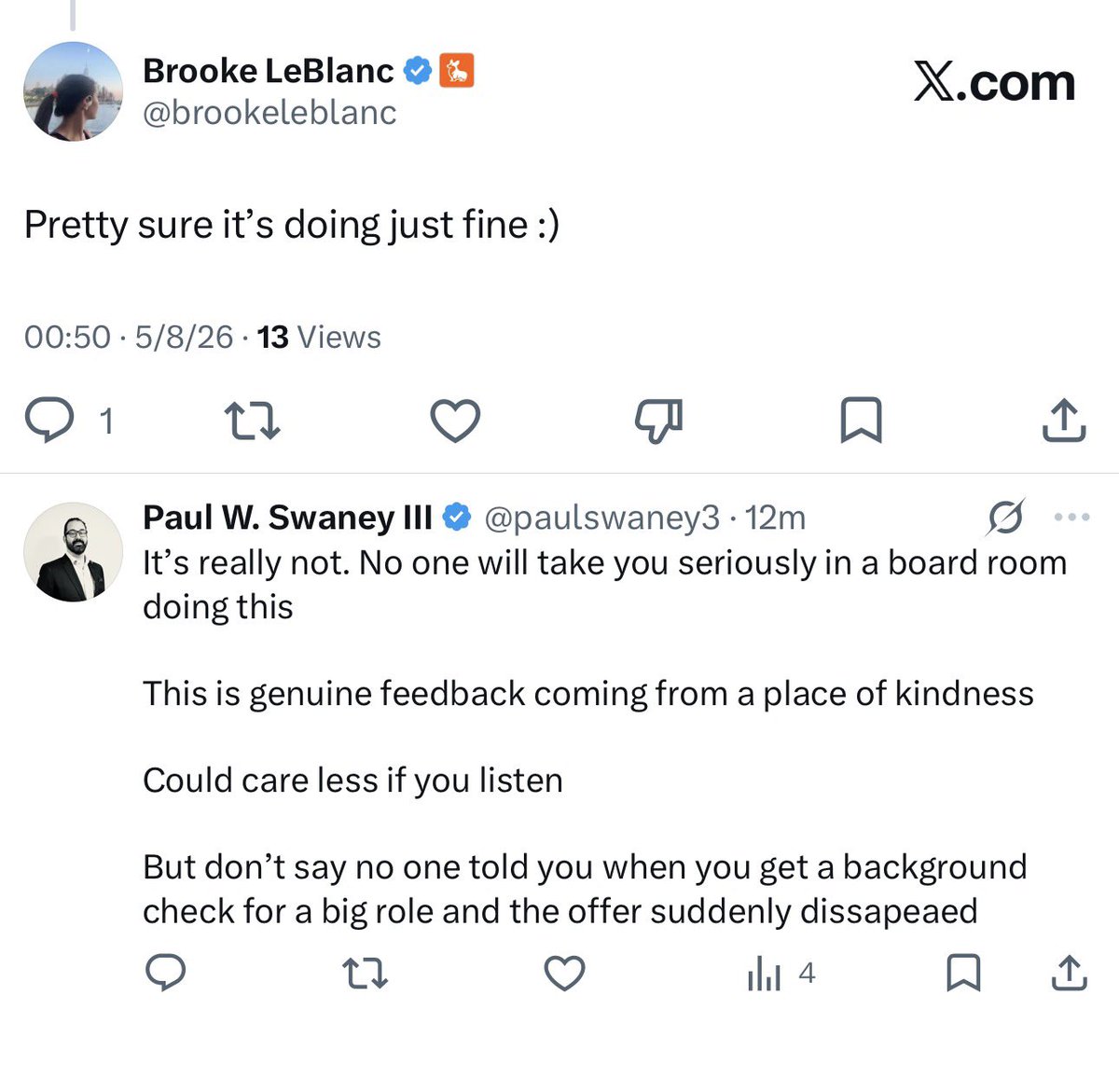
Young people massively underestimate how their public social media can kill high-paying job offers
I have personally seen 5 offer letters pulled in NY over social media content. All were 300k plus total comp roles. Real cases
If you are aiming for 85k forever, you are probably fine
If you want bigger things, read this

English
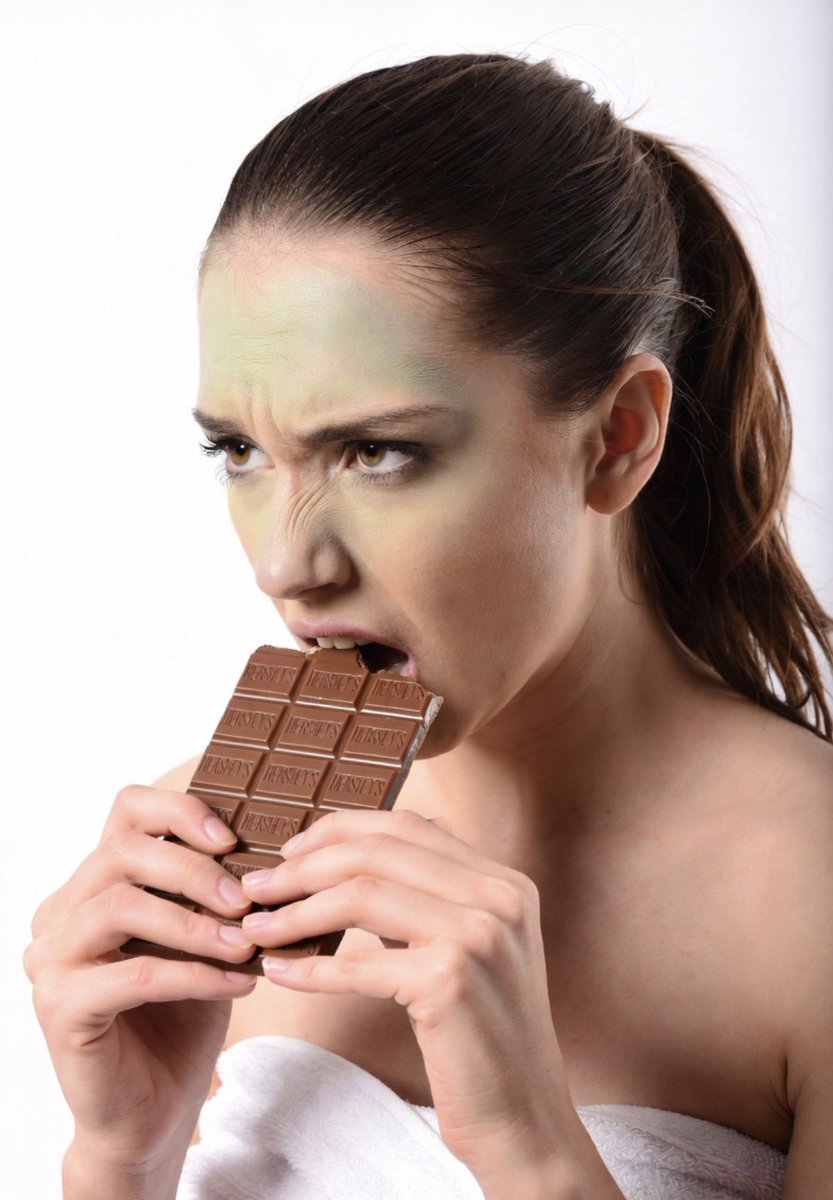
@CleansedTweets Nobody is buying a Hershey bar and going to town on it like the lady in the photo…. ffs.
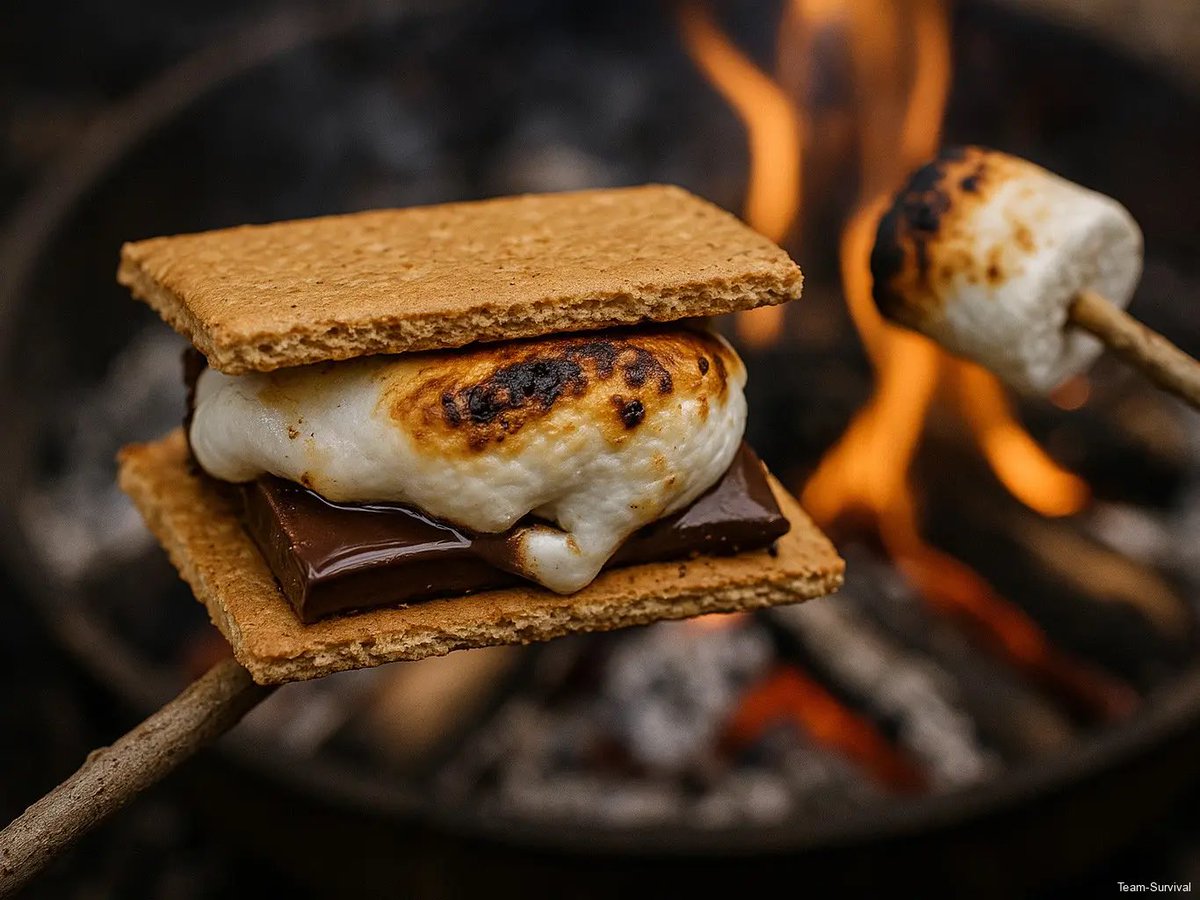
It’s cheap chocolate you use for smores.
English

Americans 🇺🇸 Did you know Hershey’s chocolate tastes like vomit to Europeans? This is not a joke.
The reason? Butyric acid. Hershey’s uses a special milk process (lipolysis) that breaks down fats & creates butyric acid, the same compound found in vomit, rancid butter, and parmesan. It gives that signature tangy/sour note Americans grew up loving, but hits Europeans like a punch in the gut.
Cultural chocolate trauma is real 😂
I have tried to eat a couple of Hershey chocolate bars over the years, I can’t get past the first bite.
English
@jwestonharvey @potatoslav How the same reason you don’t use top shelf tequila for a margarita…
English

fundamental misunderstanding. Hershey’s is not for eating like a decadent Belgian chocolate. it is for shoving between two graham crackers and a campfire roasted marshmallow on a humid july night while you watch the lightning bugs flit around and listen to the crickets chirp.

Miss Money Penny@CleansedTweets
Americans 🇺🇸 Did you know Hershey’s chocolate tastes like vomit to Europeans? This is not a joke. The reason? Butyric acid. Hershey’s uses a special milk process (lipolysis) that breaks down fats & creates butyric acid, the same compound found in vomit, rancid butter, and parmesan. It gives that signature tangy/sour note Americans grew up loving, but hits Europeans like a punch in the gut. Cultural chocolate trauma is real 😂 I have tried to eat a couple of Hershey chocolate bars over the years, I can’t get past the first bite.
English
@Old_National your billboard in Chicago on 90/94 has had something for May the 4th, cinco de mayo, and nurses. It’s also teachers appreciation week too! Just saying :)
English

@maiab I want to know how much she makes a year after taxes. Is girl bossing really worth it to let strangers raise your young kids?
English

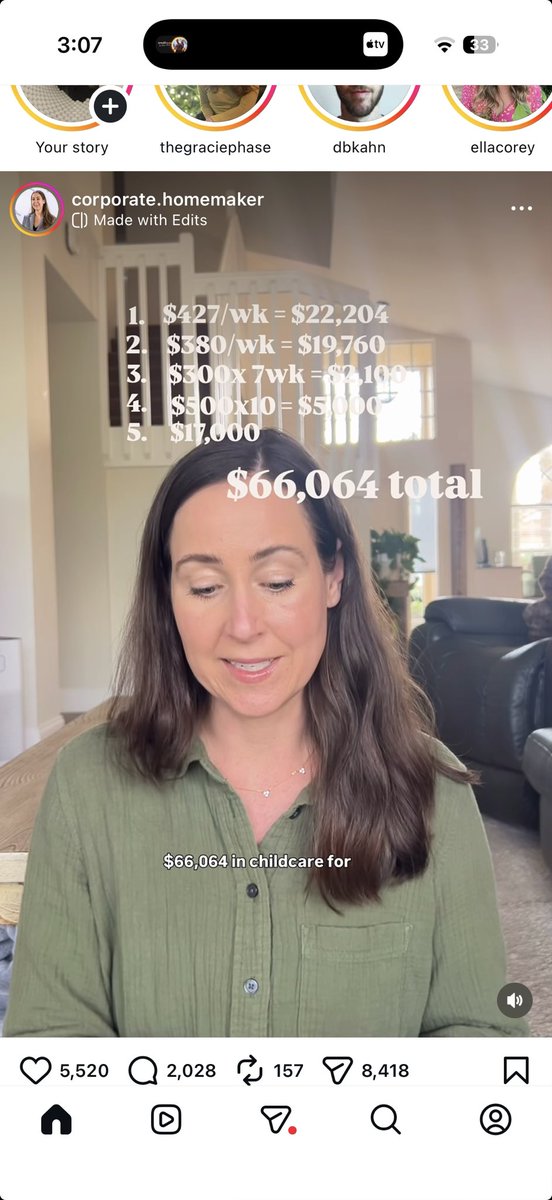
this woman is spending $66k/year on daycare for her 4 kids WHY DON’T PEOPLE JUST GET A NANNY
English
@brinkofill If your biological mom had an abortion you wouldn’t even know.
English

Adopted kid here.
Pretty happy my mother gave me up for adoption rather than murder me.
Crazy we live in a time where murder over life is considered “ethical“.
jezz@JezziiB
Hot fucking take: Forcing birth just to dump a baby into adoption is way more unethical than having an abortion.
English
@TrishCote4 @DiamondGirl9819 @AnnaRMatson It is normal because breastmilk digests faster than formula.
English

@DiamondGirl9819 @AnnaRMatson 40 minutes is never natural..... regardless, when it continues weeks and months down the road, and no one is sleeping, or gaining any weight, how's that GOOD for anyone in the situation??
English

Every single time I talk about the benefits of breastfeeding, I get comments saying “you’re mom shaming, not everyone can produce milk.”
Here’s the truth: most people who formula feed CAN produce but CHOOSE not to. Exhibit A right here.
This woman refuses to breastfeed and went as far as getting a medication to purposely dry up her milk. She even goes as far as telling women to avoid doctors that try to convince you to breastfeed.
Just as a reminder, breastfeeding decreases your baby’s chances of:
Autism
Respiratory Infections
Ear Infections
SIDS
Asthma
Childhood Obesity
Eczema
And so much more.
It’s not a doctor’s job to validate your choices. It is their job to tell you the risks and benefits of every choice and for you to make the ultimate decision.
For me personally, I want to ensure my baby has the best chance at a healthy life, so I will be giving it my all to breastfeed.
English
@ILTreasurer what happened to the Money Minded Illinois Curriculum online?!?! I was using it with my 4th graders and it’s gone!
English
@CarolinaSideEye @Symply_rhoda1 I am vaccinated and already dead. As is my whole family. RIP.
English

@Symply_rhoda1 They took the Covid shot and it came out of nowhere
English


English

@Brooke44King @vidsthatgohard You're retarded. I can't wait to see all this proof that you have. Let's see it.
English

“Donald Trump has died at age 79”
Covie@covie_93
I'm apologizing in advance for the person i'll become when trump dies.
English
notice me, omar retweetledi

I’m sorry if this is an unpopular opinion.
Families adopting a child from a young mom, shouldn’t be allowed to wait at the hospital during the birth.
They should be notified after, once Mama has had a little time with the child and is able to fully commit to the decision.
English
@ThymeToBeBorn @thecavemommy That actually sounds like a great grift. I might do this…
English

@thecavemommy Sorry guys that's me in the picture, that's my monetized alt account. A mom has to have a side gig ya know.
English


This asshole stole a block of cheddar cheese and gave himself a “traumatic tongue injury” in his excitement. Leading to a 6 hour emergency vet visit on Christmas Eve. Zero remorse. I love him.

English
notice me, omar retweetledi

@nateliason My kid learned to sleep though the night without sleep training. Sorry you’re just lazy/unresponsive parents. Sucks for your kids.
English

A truly terrible parenting take.
Sleep training is 2-3 nights of some crying, then YEARS of sleeping peacefully for much longer than their non-sleep-trained peers.
Sleep is one of the (if not THE) most important thing for child development, and helping them learn to get a full nights sleep is one of your essential early jobs as a parent.
If you aren’t willing to work through a couple evenings of crying to support their development, you’re prioritizing your comfort over their health.
And if you think a couple nights of discomfort can cause lifelong trauma, you have no respect for the resiliency of humans.
This is without even touching on how awful it is for parents (physically and psychologically) to go for years without a full nights sleep…
Dr Danish@operationdanish
What if the “Cry It Out” sleep training (aka extinction-based sleep training) has contributed to mental health issues in young people? In some ways, it’s the most insane thing to do to a child (and is based on incredibly poor science). For centuries, families co-slept without issues, but in modern times, it has become increasingly taboo… why? How can repeated emotional non-response to a baby be healthy? What does it do to their stress calibration, attachment expectations, and self-regulation? How does it play out in their long term relationships and social connections? I’ve read the studies and they are poorly designed and weakly supported. Yet, we have an entire generation of parents that blindly follow this insane protocol without reviewing the data themselves. To be fair, the data supporting co-sleeping is weak as well, but it has centuries of precedent so I feel much more comfortable supporting that than a new approach that was largely instituted since the 1920s. For some context, in the 20th century, behaviorist John Watson (1928), interested in making psychology a hard science, took up the crusade against affection as president of the American Psychological Association. He applied the paradigm of behaviorism to childrearing, warning about the dangers of “too much mother love”. The 20th century was the time when “science" was assumed to know better than mothers, grandmothers, and families about how to raise a child. Too much kindness to a baby would result in a whiney, dependent, failed human being. A government pamphlet from the time recommended that "mothering meant holding the baby quietly, in tranquility-inducing positions" and that "the mother should stop immediately if her arms feel tired" because "the baby is never to inconvenience the adult." A baby older than six months "should be taught to sit silently in the crib; otherwise, he might need to be constantly watched and entertained by the mother, a serious waste of time." The truth is the opposite. We now know that ignoring a child raising cortisol levels and hurts trust and attachment. Yet, every young parent I know today has been brainwashed to let their child cry in silence. It’s truly wild.
English
@theamelia__ Yes. I would leave my house at like 10/11am with my bike and randomly drop into friends houses every day. I would not come home until like 8pm or just sometime during the day to grab a bathing suit and run back out again.
English
@_sorrengailll I just stopped caring as much and became ok with what look like with no or minimal makeup.
English
