Wooster Men's Golf

2.8K posts

Wooster Men's Golf banner
Wooster Men's Golf

Wooster Men's Golf

@WoosterGolf

Official Twitter acct - The College of Wooster Men's Golf Team, coached by PGA Professional Rich Danch. NCAA D3, North Coast Athletic Conference. FIGHTING SCOTS

Wooster, Ohio Katılım Eylül 2017
1.4K Takip Edilen1.6K Takipçiler
Wooster Men's Golf retweetledi
College of Wooster
College of Wooster@WoosterEdu·
Behind every completed Independent Study project is a faculty mentor offering guidance, encouragement, and expertise. We are taking a moment to celebrate the individuals who help make this milestone possible!🌟 Take a moment to say thank you and shout out your faculty mentor(s) below! ⬇️ #IndependentStudy #FacultyMentors #WoosterExperience
English
0
1
7
303
Wooster Men's Golf
Wooster Men's Golf@WoosterGolf·
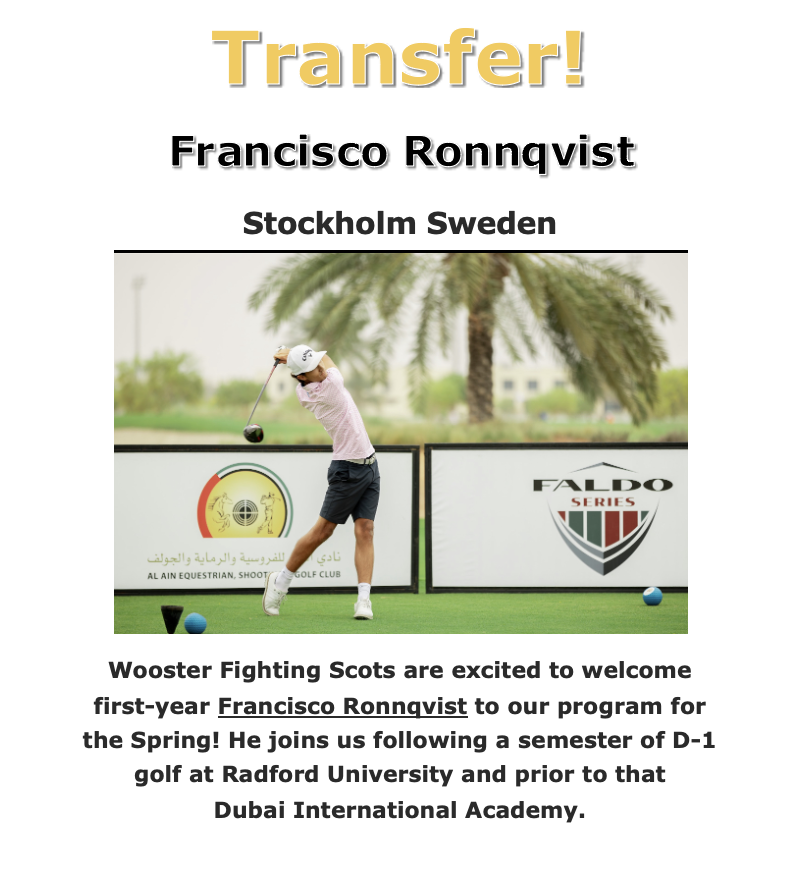
Congrats to Jake Cammarata on NCAC Golfer of the Week!
Wooster Men's Golf tweet mediaWooster Men's Golf tweet media
English
0
0
3
53
Doug North
Doug North@GolfCoachNorth·
College golf has it backwards. We obsess over swing mechanics… But the guys who score:
✔️ Think better
✔️ Manage better
✔️ Compete better Golf isn’t a swing contest. It’s a decision-making contest.
English
7
7
41
2.4K
Brad Sparling
Brad Sparling@playgolfcollege·
Do hard things daily. You become what you think about. Discipline is freedom. Success is in the details. Leave it better than you found it.
English
1
0
12
539
Wooster Men's Golf
Wooster Men's Golf@WoosterGolf·
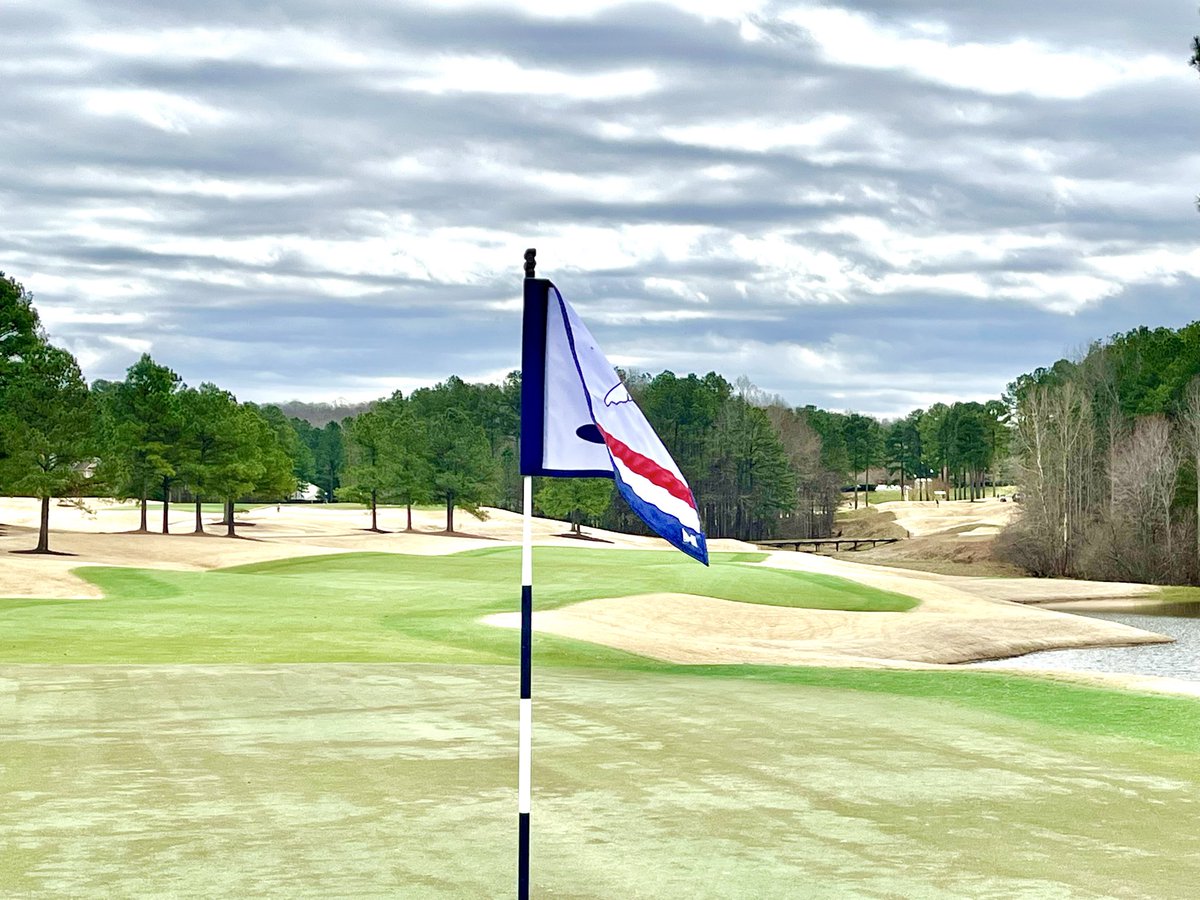
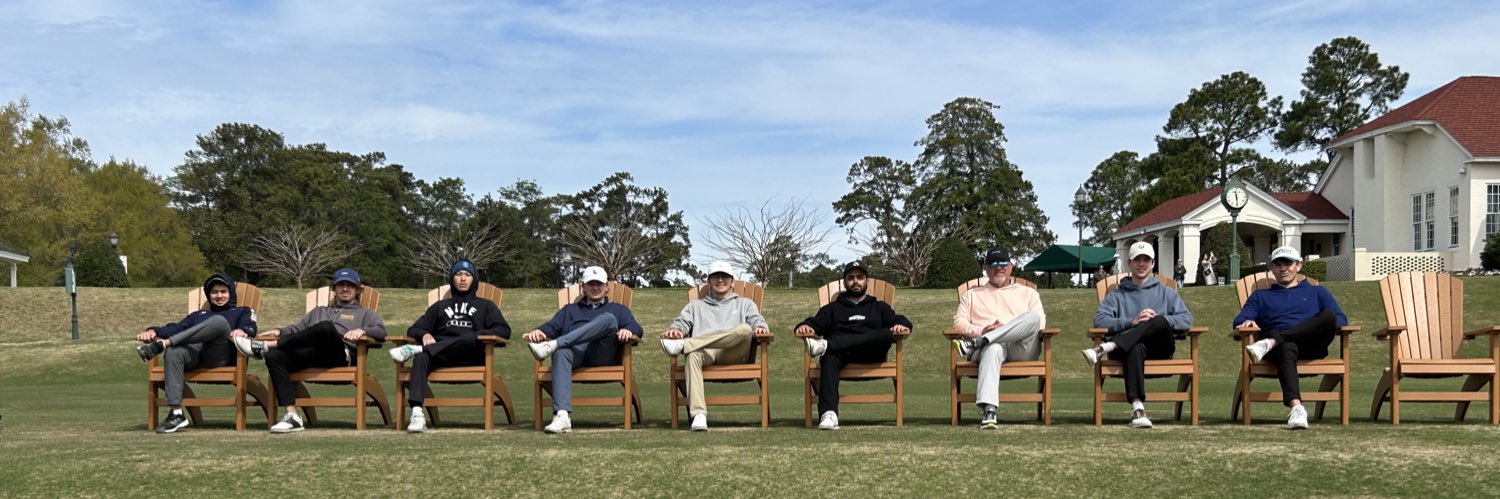
Awesome first day to our southern trip! The boys had a really cool experience playing Independence GC in Richmond, Tom Fazio’s VA venue that hosted the ‘24 @USGA Mid-Am!
Wooster Men's Golf tweet mediaWooster Men's Golf tweet media
English
0
0
3
111
Brad Sparling
Brad Sparling@playgolfcollege·
Most junior golfers will spend the next 12 months trying to “fix their swing.” I get it. Technique is tangible. It feels productive. It gives you something to chase. But after living this game from every angle (player, D1 coach, high school coach, mentor to families, and parent) I can tell you the hard truth: If you build the journey around technique, you eventually hit a ceiling. Because college golf is not a swing contest. It’s a full development system. Golf improvement is not one thing. It’s 12 big areas. And the families who obsess over just one area (technique) often end up confused when the results don’t match the investment. Here’s what I mean. 1) Purpose, goals, and your why Goals are the roadmap. Purpose is the fuel. When a player can answer “Why does this matter to me?” daily action becomes sustainable instead of forced. 2) Parenting and family dynamics This is the biggest lever in junior golf. Lighthouse, not tugboat. The 48 hour rule. “I love to watch you play.” Unconditional love separate from scores. Identity beyond golf. Get this wrong and nothing else matters, not the coaching, not the talent, not the money. 3) Player ownership A player led journey is a sustainable journey. A parent led journey is a burnout timeline. The motivation has to become intrinsic. The best coaches ask questions and build problem solvers. 4) Mindset and mental toughness Process over outcome. Competing under pressure. Breathing. Reflection. The silent killer of potential is living and dying by the last number on the card. 5) Character and leadership Integrity, gratitude, encouraging teammates, calling penalties on yourself, thanking volunteers. This defines great people and it matters more in recruiting than most families realize. 6) Discipline, habits, and standards Expectations are what you hope for. Standards are what you live by. Whatever you walk past becomes your new standard. Structure creates freedom. 7) Ball striking and technical skills Driving, approach play, face control, face to path, center contact. Technique serves skill, not the other way around. 8) Short game and putting Wedge distance control. Bunkers. Green reading. Make rate inside five feet. Lag putting. There are many ways to score at a high level, and the best juniors learn their scoring formula. 9) Physical fitness and speed development Strength as a foundation. Explosiveness. Mobility. Age appropriate progressions. Multi sport is often the best training for younger athletes. 10) Course strategy and practice methodology What to practice (separation value). How to practice (structure, pressure, transfer). Champions are built by how they practice, not by how many balls they hit. 11) Tournament scheduling and ranking strategy The 80/20 blend of confidence builders and stretch events. Right yardages at the right stage. Rest weeks. A season blueprint. And yes, understanding the ranking system matters. Not to chase points blindly, but to schedule intelligently—knowing which events carry weight, how fields and formats impact ranking value, and how to build a schedule that supports both development and visibility without living on the road. More tournaments does not equal better development. 12) Health foundations and lifestyle Sleep, nutrition, hydration, recovery, injury prevention, managing screens and social media. You can’t cheat the foundation. That’s the point. Most families put 90% of their energy into one category: technique. And then they’re shocked when the ceiling shows up. The path to college golf is not a swing plan. It’s a 12 part development plan. When those areas are aligned, the player improves faster, competes freer, and stays healthier. When they’re not, it’s two steps forward, one step back… for years. If you’re serious about the next level, stop asking only, “How do we fix the swing?” Start asking, “Which of the 12 areas is currently holding us back?”
English
5
8
75
25K
Wooster Men's Golf retweetledi
Jon Beck
Jon Beck@CoachJonBeck·
Parents: Stop: Coaching from the stands Yelling at refs Lecturing your kids after games Talking about teammates Telling your kids to ignore coaching Playing the blame game Making failure unacceptable You don’t need to coach. Be supportive. Offer encouragement & just love them!
English
44
262
1.1K
63.9K
CosmoK
CosmoK@04Cosmo·
Happy 24th Birthday Ethan! Love ya’ kid! 🍰🎁🎉🎈
CosmoK tweet mediaCosmoK tweet media
English
1
0
7
208
Wooster Men's Golf retweetledi
College of Wooster
College of Wooster@WoosterEdu·
Archie has been hard at work all morning! 💻 🐾 📬 Early Action admissions decisions are officially on their way. Celebrate yourself in the comments - we’re cheering you on! 💛🖤 #WoosterBound #FutureScot #EarlyAction
English
0
1
7
360
Brad Sparling
Brad Sparling@playgolfcollege·
Social media will convince you that better golf is all about better swing technique. And to be clear, technique matters. But the modern golf world has turned technique into the entire story, because it is the easiest thing to film, the easiest thing to sell, and the easiest thing to blame when you do not shoot the score you think you should. Elite golf is never that simple. If you want to become an elite golfer, you need a plan. And that plan has to be holistic, because elite performance is built on a stack of factors, not one magic move. Start here. You have to define your goals and your purpose. Not vague goals. Not “get better.” Not “play college golf someday.” Real goals with clarity: What do you actually want, and what are you willing to trade for it? Because if you are not clear on your purpose, you will chase whatever the algorithm feeds you next. Then comes mindset. Not hype. Not motivational quotes. The ability to stay steady when it matters. The ability to respond to a bad stretch without spiraling. The ability to compete with clarity instead of tension. Elite players do not avoid adversity. They train for it. Now add fitness. Strength matters. Mobility matters. Stability matters. Then comes the part most players never learn correctly, but it determines everything that follows. Skill development. Most golfers practice what they enjoy. Elite golfers practice what moves the needle. And that requires understanding how learning actually happens, quickly and effectively. Skill is not built by mindless reps. It is built through quality reps, feedback, and challenge. You need structure. You need constraints. You need variability. You need a way to measure whether you are improving. You need to practice like someone who competes, not like someone who just “hits it.” And you need to learn how to self coach, because no coach is standing next to you on the 16th tee when you are one over par and the wind just shifted. Now we can talk about speed development. You do not need to swing out of your shoes. You need a program that helps you move faster safely and repeatably. Speed changes what courses feel like. It changes what clubs you hit into greens. It changes how big your misses can be while still keeping you in position. Then sleep. I know that is not a sexy topic, but it is a separator. Sleep impacts recovery. Sleep impacts mood. Sleep impacts decision making. Sleep impacts learning. If you train hard and sleep poorly, you are working against yourself. Nutrition is the same. Not because you need to be perfect. Because energy swings create performance swings. Elite golf demands consistent fuel, especially in tournaments. You cannot play 36 holes on nerves and a granola bar and expect your mind to stay sharp late. Course management is another massive separator. You can have a good swing and still play bad golf, if your decisions are poor. Elite golf is a probability game. It is discipline. It is accepting boring shots. It is avoiding big numbers. It is choosing targets that respect your pattern, not your ego. Most “bad rounds” are not a swing problem. They are a decision problem. Then there is the ability to adjust quickly. Golf is not played in a lab. It is played in wind, heat, cold, nerves, uneven lies, weird bounces, and uncomfortable moments. Elite players do not need everything to feel perfect. They can adapt. They can find a functional swing on the fly. They can manage a two way miss. They can keep the ball in play when they do not have their best.
English
2
0
6
180