Harry Stebbings@HarryStebbings
This podcast will make you smarter than Leopold Aschenbrenner at an AI investing conference.
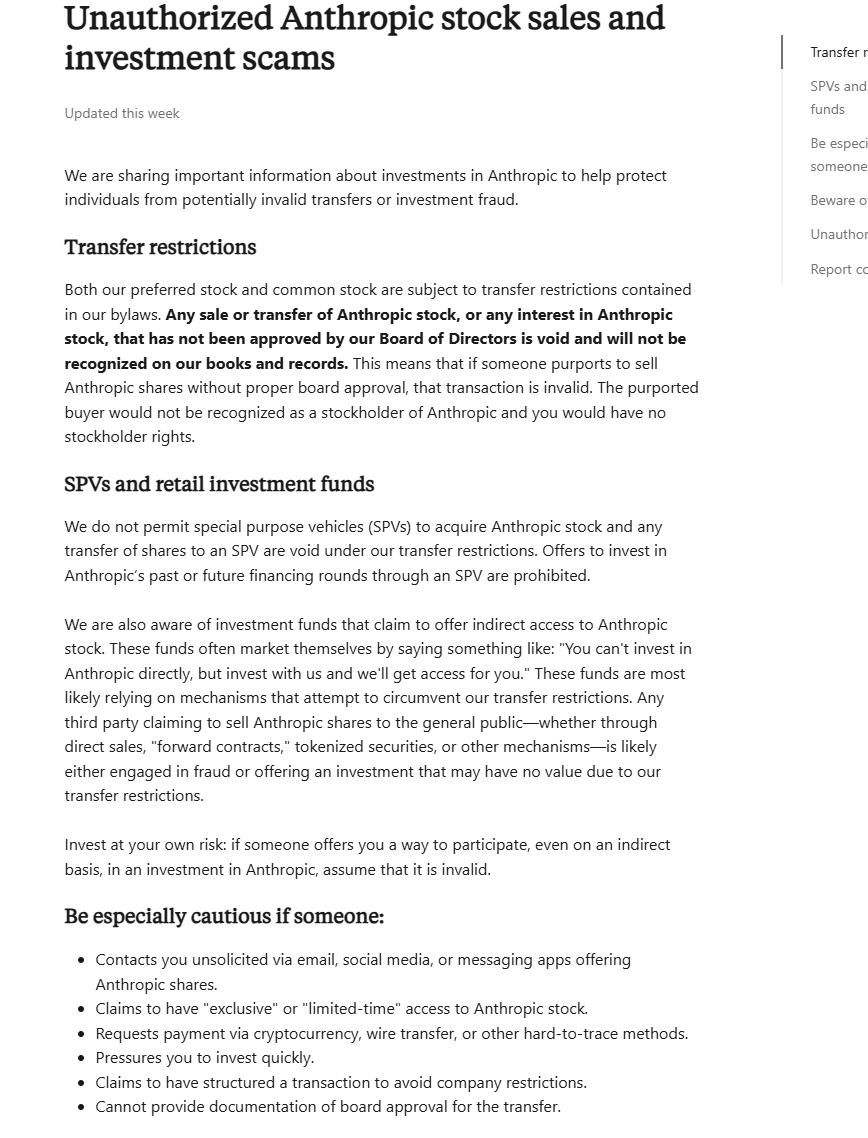
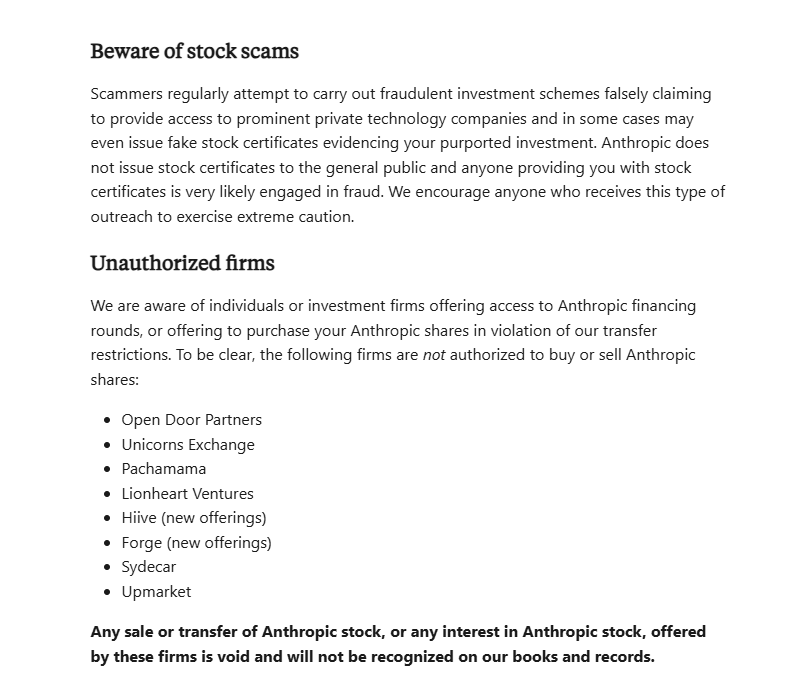
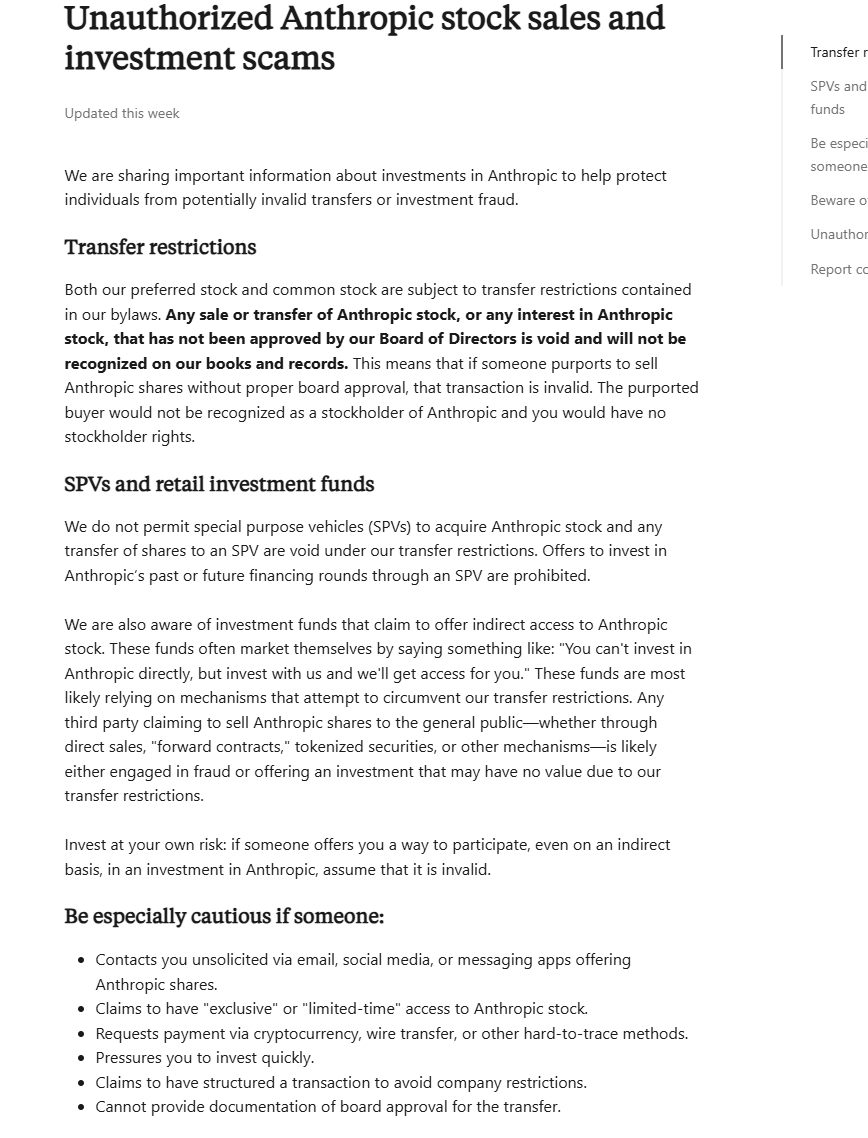
- Anthropic Raises $45BN but Falls Short on Compute
- Are OpenAI Back in the Game with GPT5.5 & Codex?
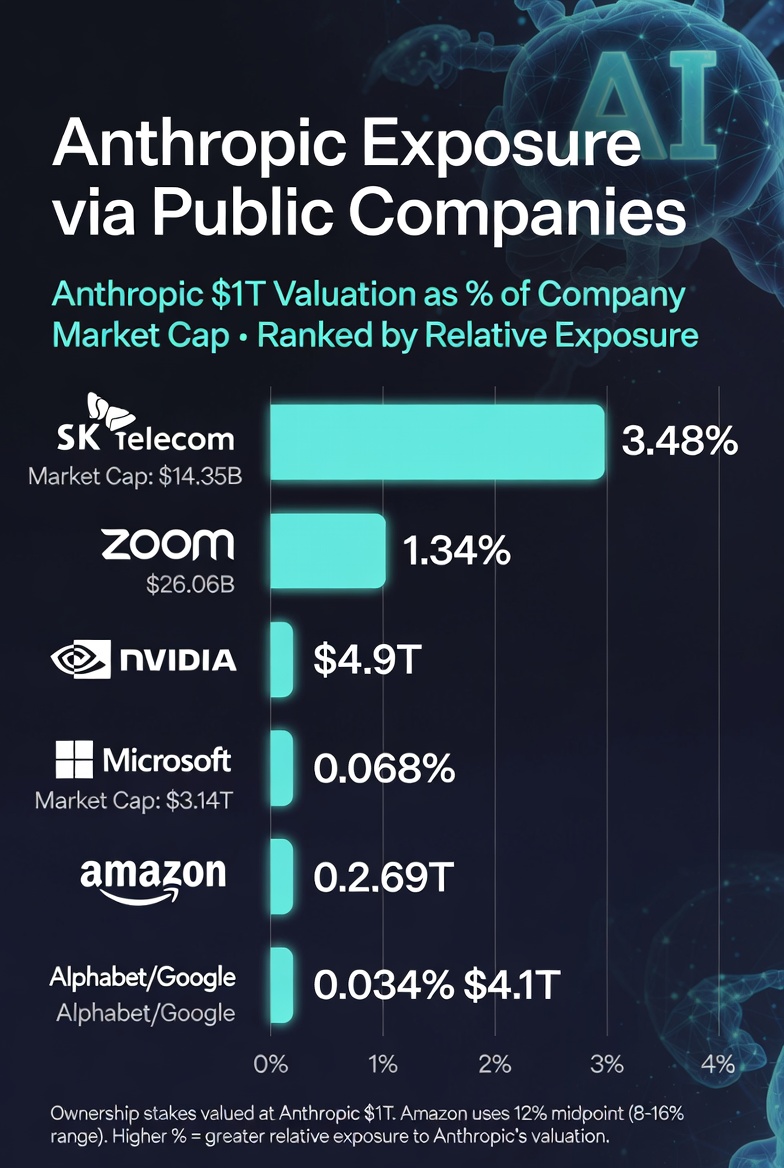
- Why Google is a Bigger Buy Than Ever Before
- China Blocks Manus $2BN Deal to Meta
- Thoma Bravo Hand Back Medallia Keys to Creditor
I sat down with @rodriscoll and @jasonlk and my notes below:
1. Why does Dario at Anthropic have such a hard job predicting the compute demands?
The capital intensity of building an AI leader is unprecedented; every $1 of run-rate revenue requires approximately $4 to $5 of CapEx to support it. A CEO must forecast demand two years in advance, which is incredibly risky. Underestimating demand leaves you with insufficient compute to serve users, while overestimating it results in billions of dollars in "stranded capacity".
2. What the public markets are getting wrong about the SaaS-pocalypse
The market currently believes specific coding vibes or models are the primary threat, but the true danger is what AI agents decide to pick. Agents will ultimately choose the vendors and LLMs for most workflows, rendering tools like project management software useless because agents have no need for them. Companies like OpenAI are racing to win the "agent wars" to ensure their APIs are the default choice for these autonomous systems.
3. Why Google is a mega-buy on the back of the Anthropic investment
Google is positioned as a primary winner because it benefits whether users choose Gemini or Anthropic. They possess "infinite capacity" compared to other players, allowing them to route compute surplus between their own needs and their various customers. This massive cash flow and infrastructure flexibility make them a "win-win-win" in the current AI arms race.
4. Multi-year contracts don't matter. Deferred churn is still churn.
Multi-year contracts are often a place where "mediocre" management hides to mask underlying business problems. While a customer might be locked into an eight-year cycle through standard upfront terms and renewals, they are essentially just taking that time to find a better enterprise solution. If a customer eventually leaves, the churn was merely deferred, and the terminal value of the company remains impacted.
5. What happens to the distributions from Manus? Do the investors have to give the money back?
When a regulatory body like China attempts to "unwind" an acquisition like Meta's purchase of Manus, there is a near-zero chance that venture investors will return the capital already distributed. The real pressure point is on the acquiring corporation and the technology itself, rather than the VC funds. Such rulings are primarily designed to prevent similar deals from occurring in the future.
6. The two great wars that no one is talking about
Two subtle but massive "battles" are currently unfolding: the US vs. China AI war and the resulting social dislocation. We are seeing a rise in "social unrest" expressed through billionaire taxes and penthouses taxes as layoffs from AI automation begin to impact the workforce. These themes of geopolitical competition and internal inequality will be the defining political stories of the decade.
(links below)