World Climate Service

2.5K posts

World Climate Service banner
World Climate Service

World Climate Service

@WorldClimateSvc

Insight and tools for long-range forecasting: objective seasonal and subseasonal prediction. Tweets by Prescient Weather cofounder Richard James, PhD

State College, PA Katılım Ocak 2018
1K Takip Edilen9.7K Takipçiler
Tom McMurtry
Tom McMurtry@TomMcMurtryNZ·
@WorldClimateSvc The lowest is least credible? ECC clusters a bit lower also than the others. Is this one wuite credible?
English
1
0
0
57
World Climate Service
World Climate Service@WorldClimateSvc·
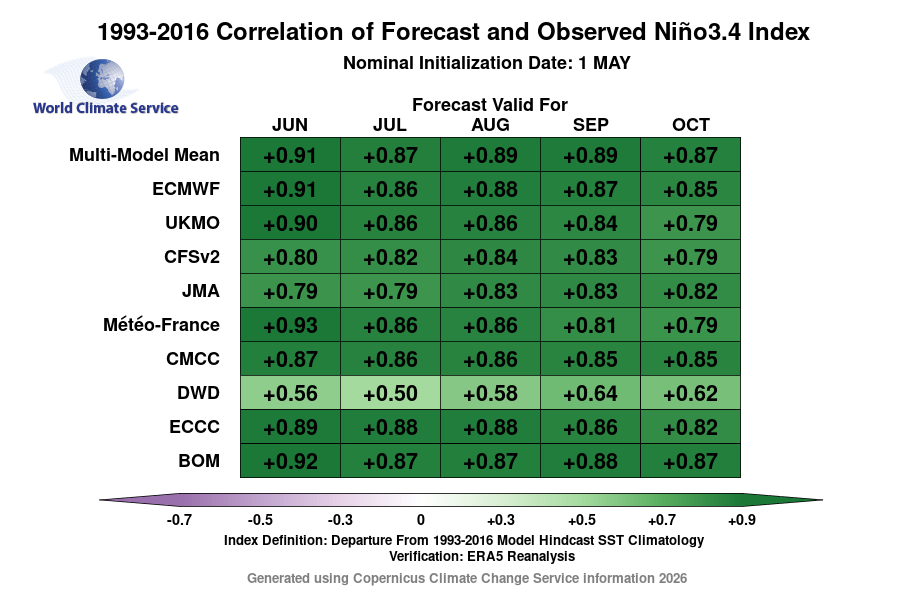
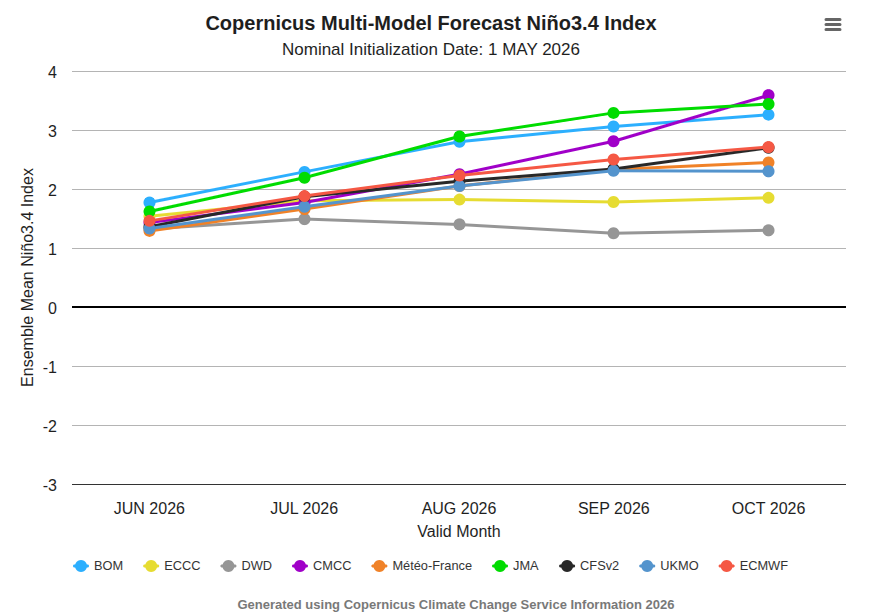
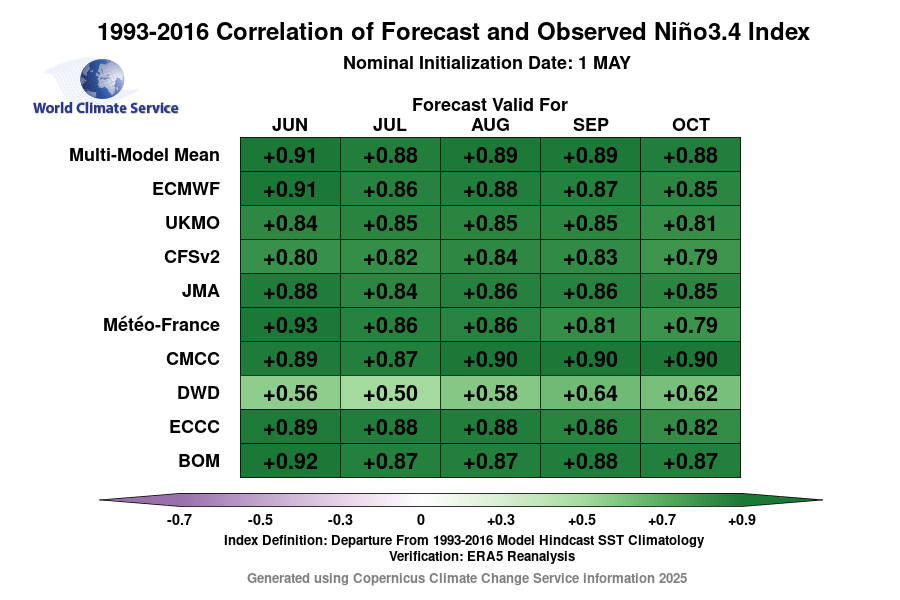
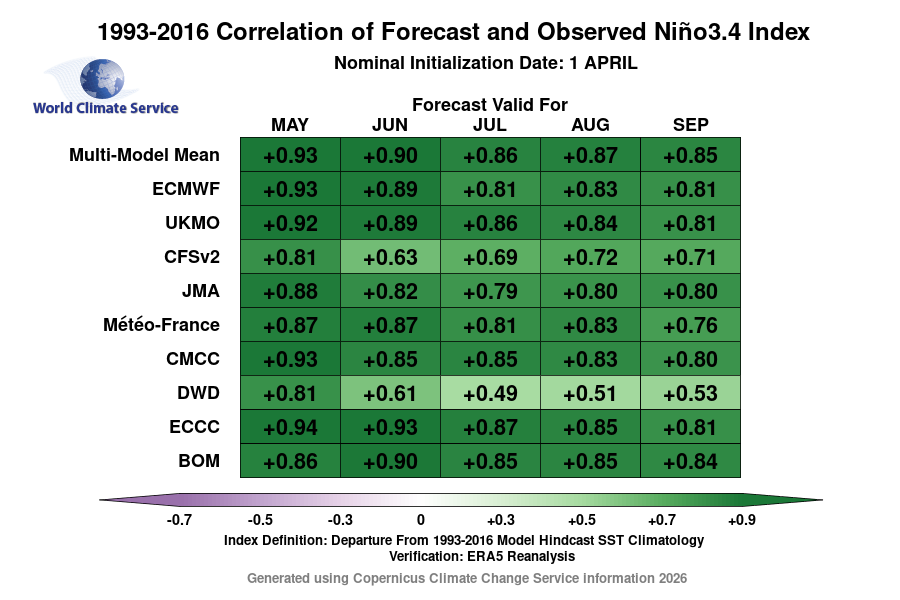
While the amplitude of the latest El Niño forecasts is a worthy headline, the latest C3S models show more variance than last month - both for traditional and relative Niño3.4 SSTs. All models have warmed, but some much more than others. (DWD is less credible - poor skill)
World Climate Service tweet mediaWorld Climate Service tweet media
English
1
7
36
3.2K
World Climate Service
World Climate Service@WorldClimateSvc·
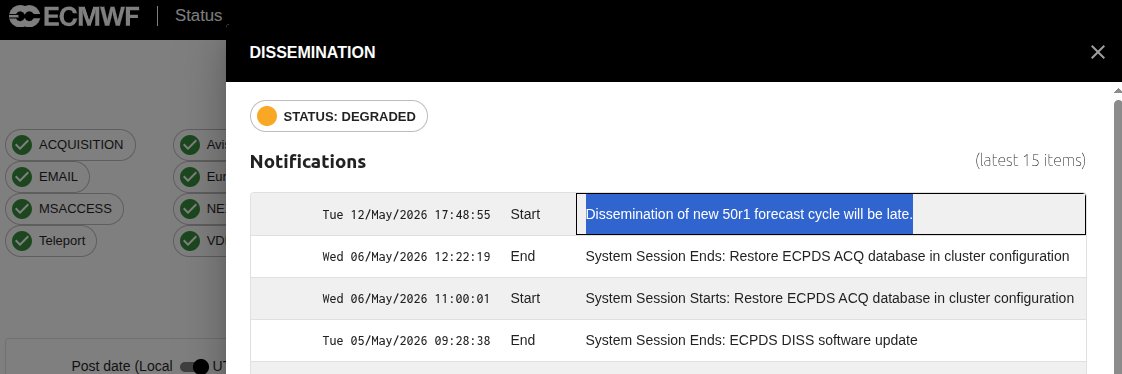
Eagerly waiting for new 50r1 ECMWF model upgrade today - unfortunately running late
World Climate Service tweet media
English
2
3
22
2.1K
World Climate Service
World Climate Service@WorldClimateSvc·
@GavinPartridge Interesting that 2007 is my top analog year for both the AMO (past 12 months) and the NAO (past 3 months). But yes, near-opposite Pacific this year
English
0
0
2
406
GavsWeatherVids
GavsWeatherVids@GavinPartridge·
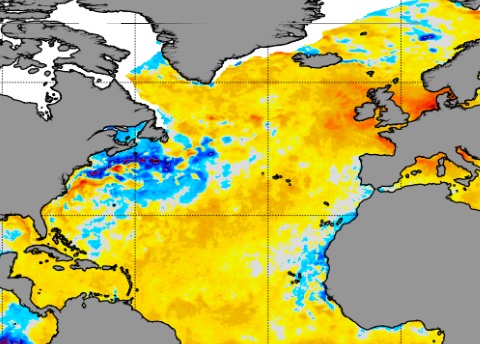
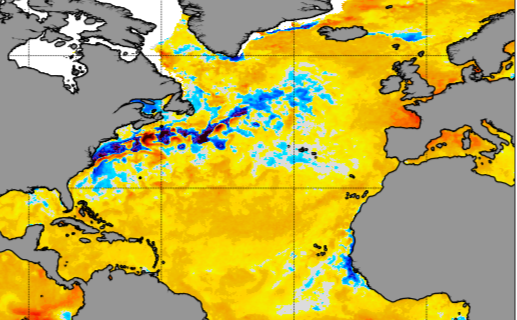
Posted without comment (but if you know, you know) - Atlantic SSTs from 4th May 2007 Vs 4th May 2026 Disclaimer: Pacific state (ENSO/PDO) VERY different this year to 2007)
GavsWeatherVids tweet mediaGavsWeatherVids tweet media
English
5
0
23
6.6K
jack
jack@Snowlover111232·
@WorldClimateSvc Is that the relative or traditional index?
English
1
0
0
49
World Climate Service
World Climate Service@WorldClimateSvc·
The progression of ECMWF seasonal VP200 forecasts shows the strengthening of this summer's atmospheric El Niño signal in recent months
GIF
English

1
29
115
18.6K
Ronnie
Ronnie@Ronnie721131565·
@WorldClimateSvc Models are useless in the spring . But you Mf keep on going with the hype.
English
2
0
1
333
World Climate Service
World Climate Service@WorldClimateSvc·
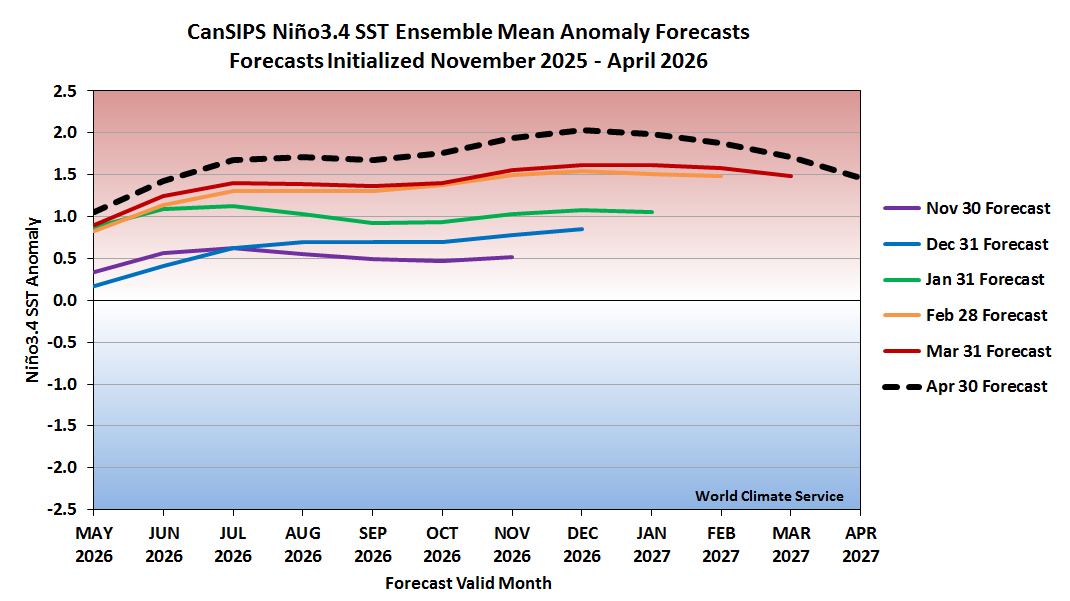
Yet another leg up in today's CanSIPS Niño3.4 forecast update. The ensemble mean shows 9 months above +1.5°C anomaly. The ERSSTv5 record (1991-2020 baseline) is 8 consecutive months in 1997-98 and 2015-2016.
World Climate Service tweet media
English
4
18
80
10.5K
World Climate Service
World Climate Service@WorldClimateSvc·
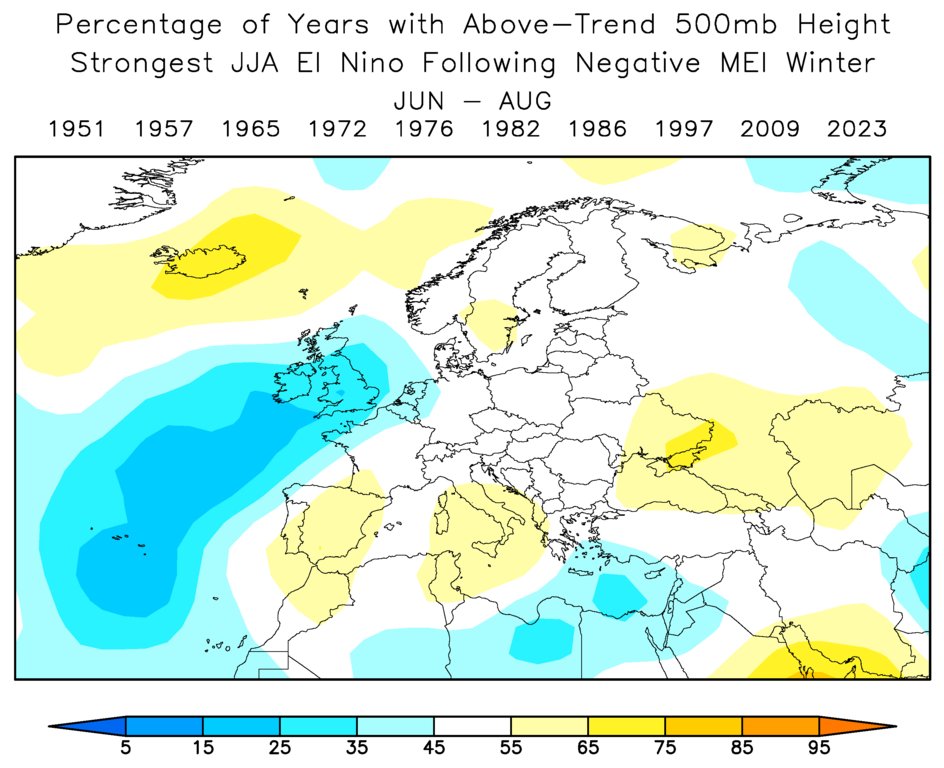
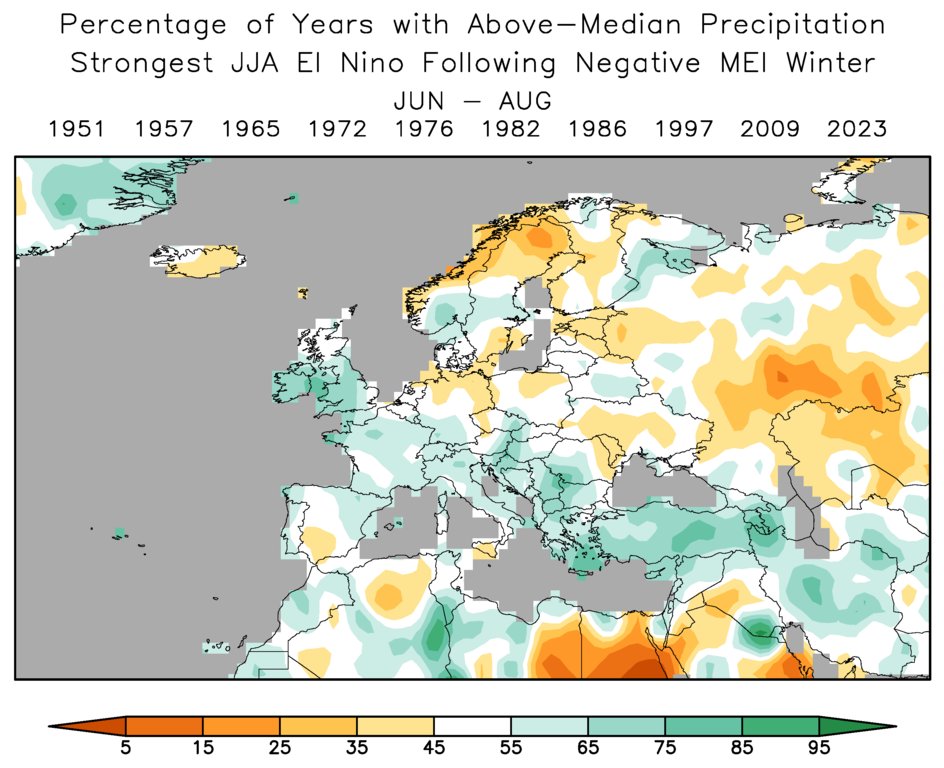
@MarkVogan Poor in terms of cloud and rain yes, but often warm. Propensity for heat waves depends very much on the pattern over northern Europe, which has historically been highly variable during El Niño.
World Climate Service tweet mediaWorld Climate Service tweet mediaWorld Climate Service tweet media
English
1
1
7
322
MarkVoganWeather.com
MarkVoganWeather.com@MarkVogan·
@WorldClimateSvc From what I can see, NW Europe (esp UK/Ire) tends to have poor summers with developing strong EN's but with heat spikes. Curious what your thought's are and any charts you may have?
English
1
0
2
450
World Climate Service
World Climate Service@WorldClimateSvc·
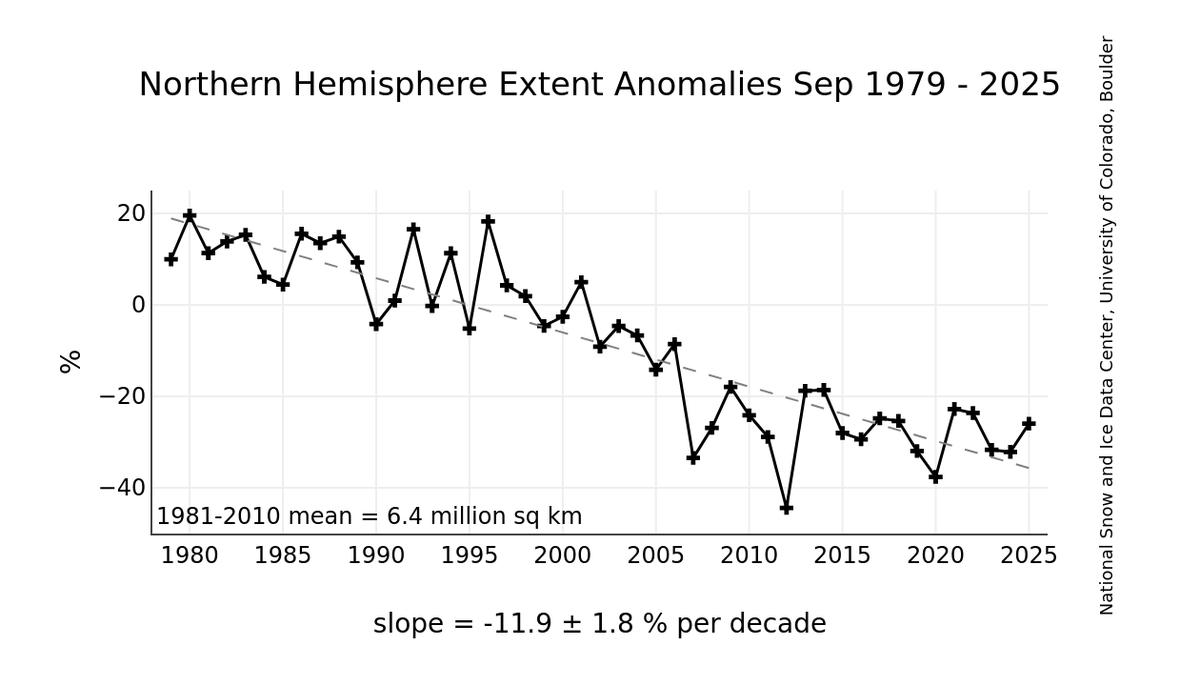
The major El Niño episodes of recent decades have tended to develop in tandem with significant Arctic sea ice loss (2023, 2015, 2002, 1997). However, there's only a slight overall correlation with summer ENSO. Mid-high latitude SSTs and flow anomalies are more closely related.
World Climate Service tweet mediaWorld Climate Service tweet mediaWorld Climate Service tweet mediaWorld Climate Service tweet media
English
2
16
74
7K
World Climate Service
World Climate Service@WorldClimateSvc·
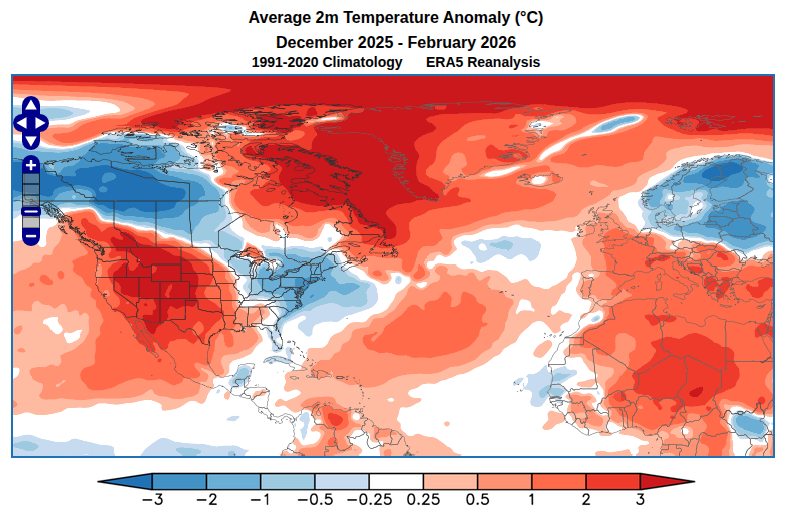
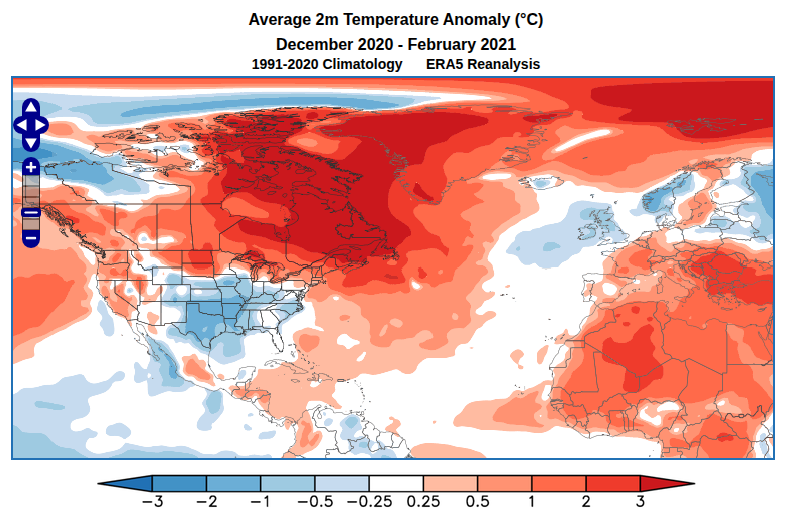
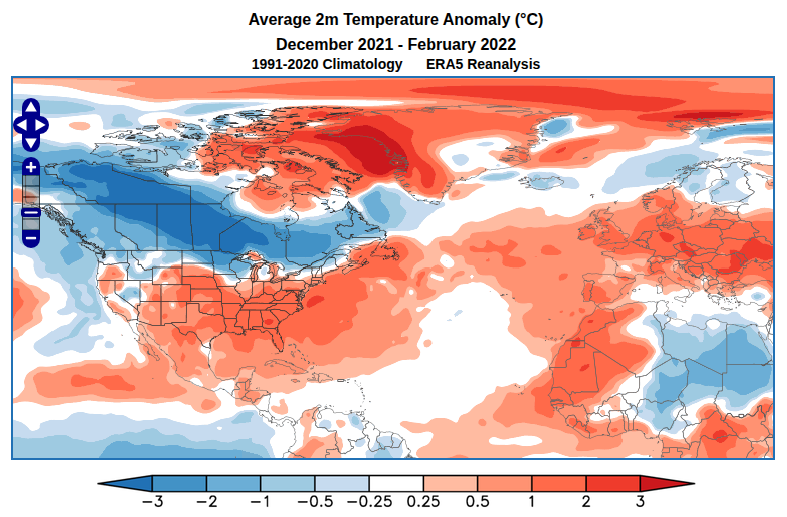
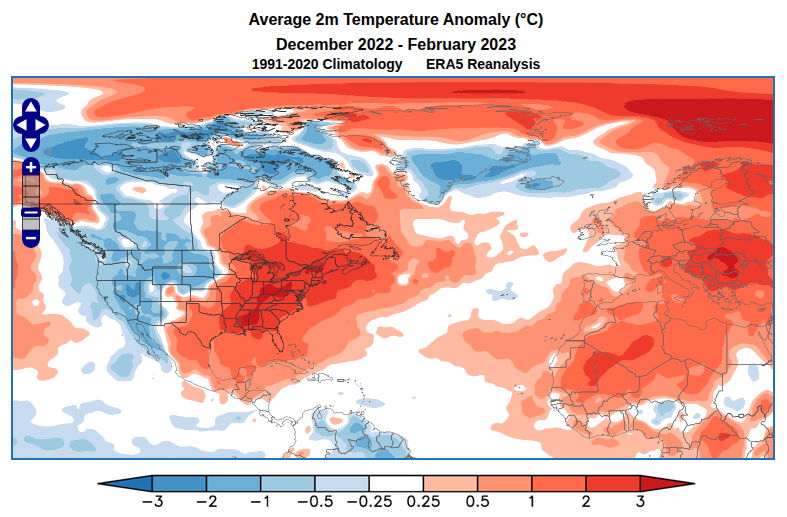
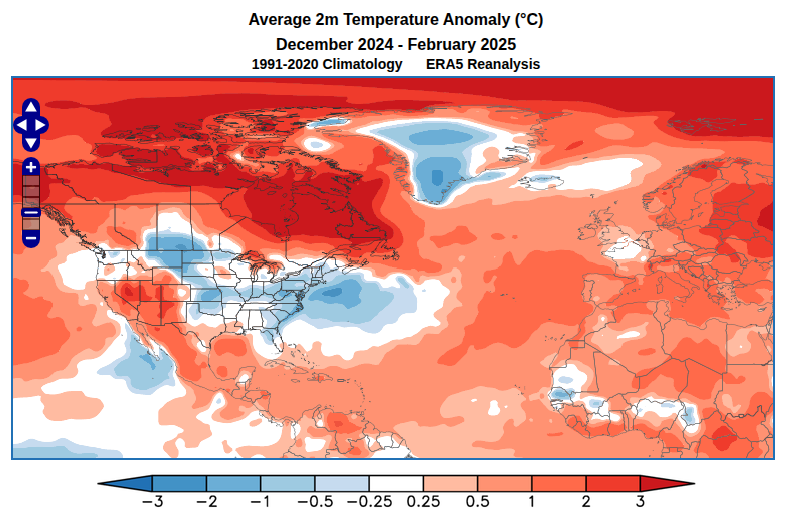
With another La Niña winter on tap, U.S. seasonal forecasters could be forgiven for scratching their heads 🤔 4 of the past 5 winters have seen La Niña, and 4 very different outcomes have occurred: 2020-21 cold south 2021-22 cold north 2022-23 cold west 2024-25 cold east
World Climate Service tweet mediaWorld Climate Service tweet mediaWorld Climate Service tweet mediaWorld Climate Service tweet media
English
12
50
260
25K
Ryan Maue
Ryan Maue@RyanWeather·
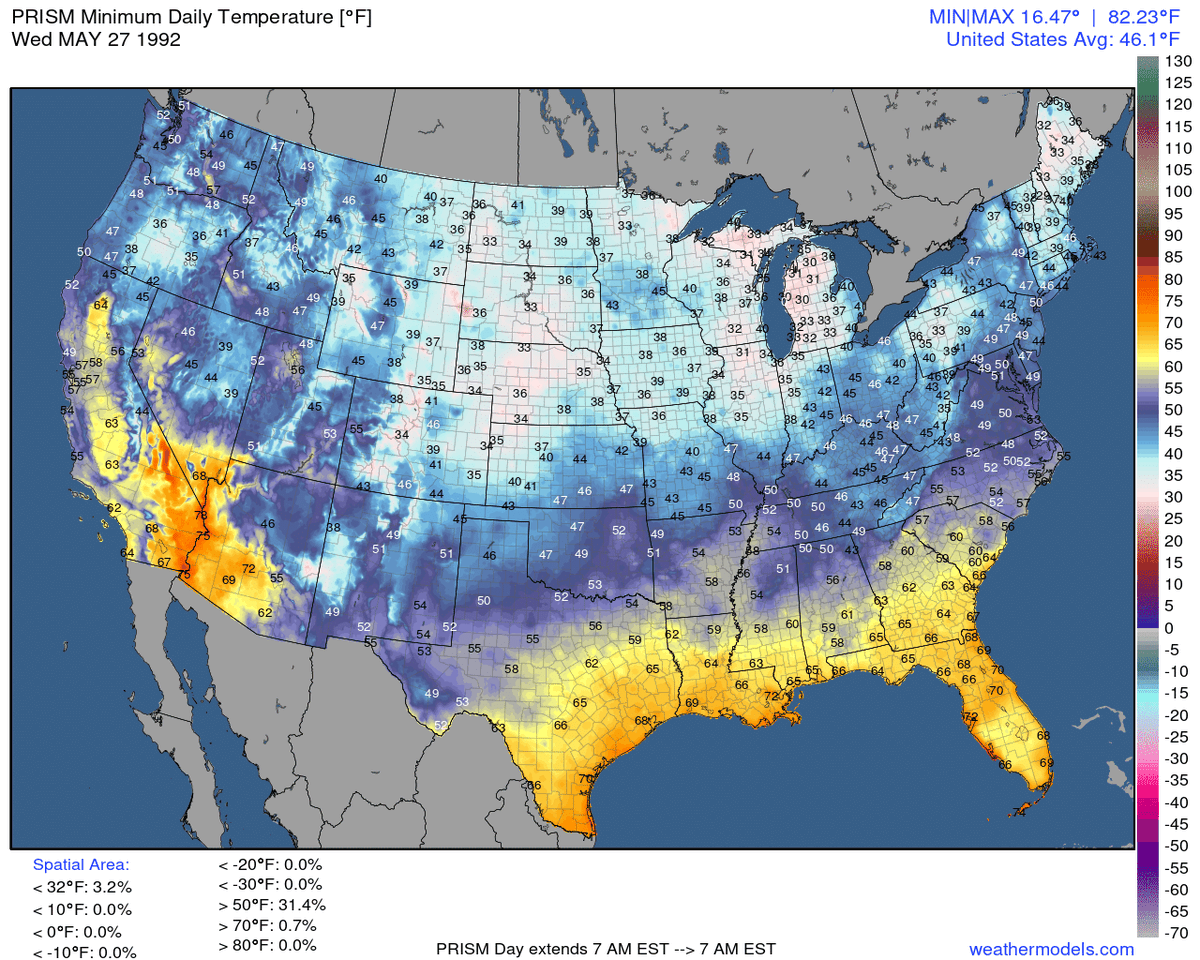
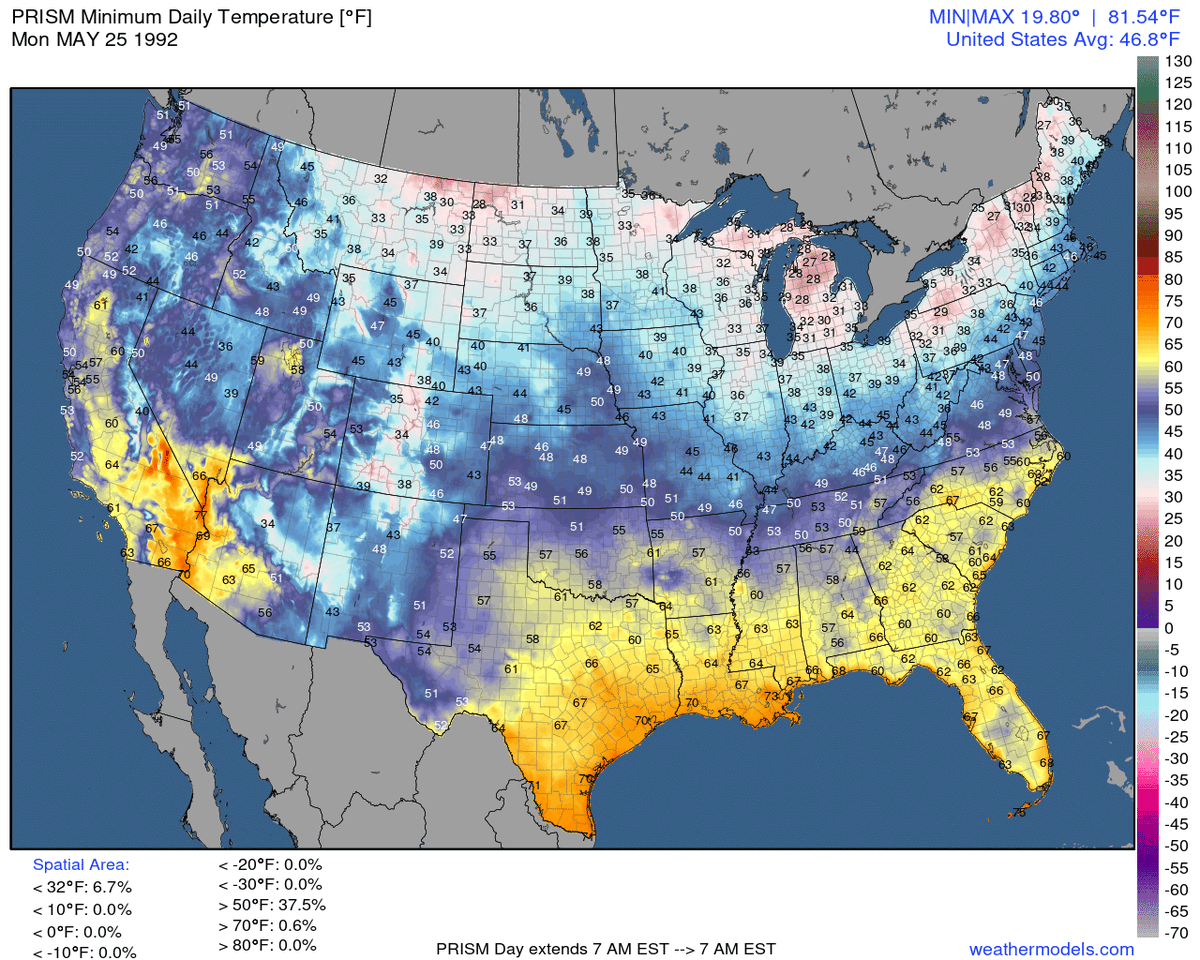
Late May 1992 was record chilly in the Great Lakes. Chicago recorded latest freeze on record (May 25th) This was due to late spring "polar vortex" disruption likely related to eruption of Mount Pinatubo on June 15, 1991. 🌋
Ryan Maue tweet mediaRyan Maue tweet media
English
10
28
173
14.9K
World Climate Service
World Climate Service@WorldClimateSvc·
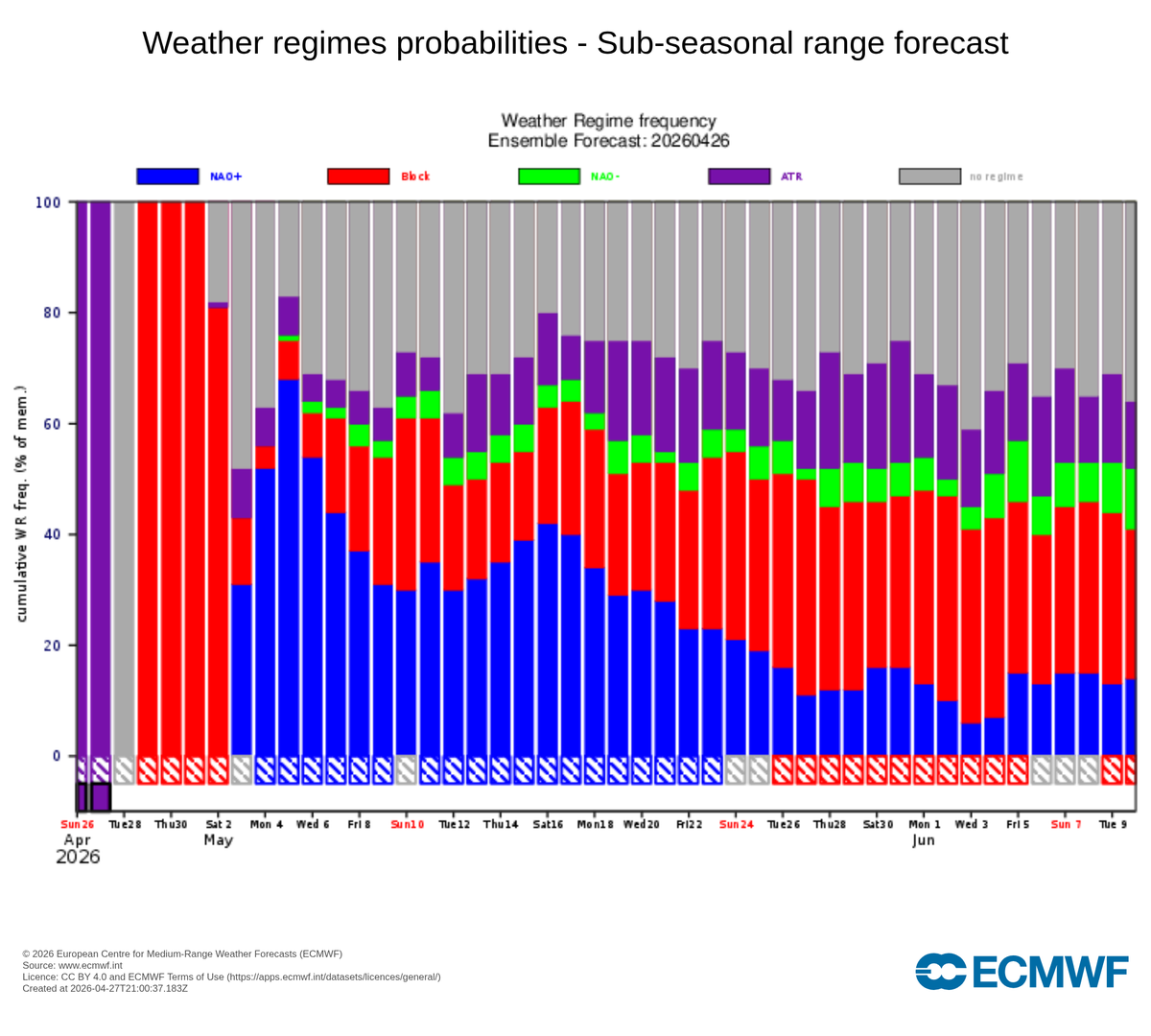
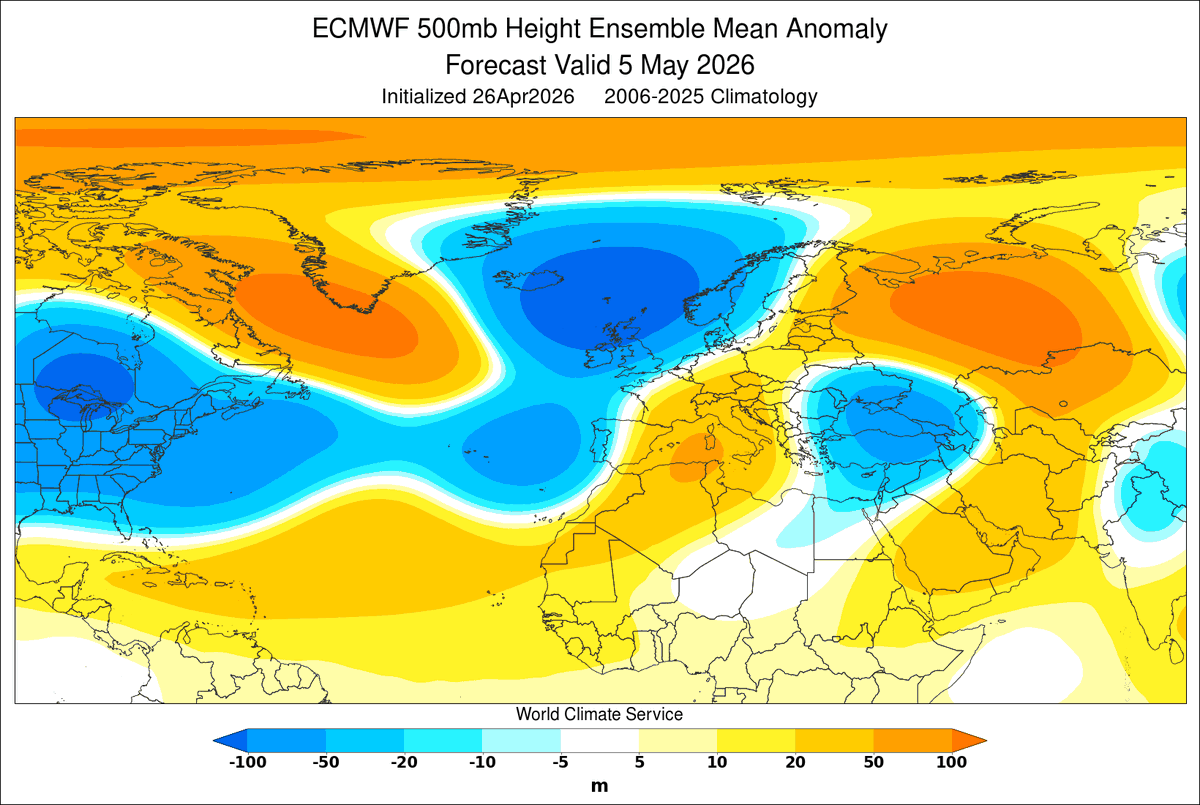
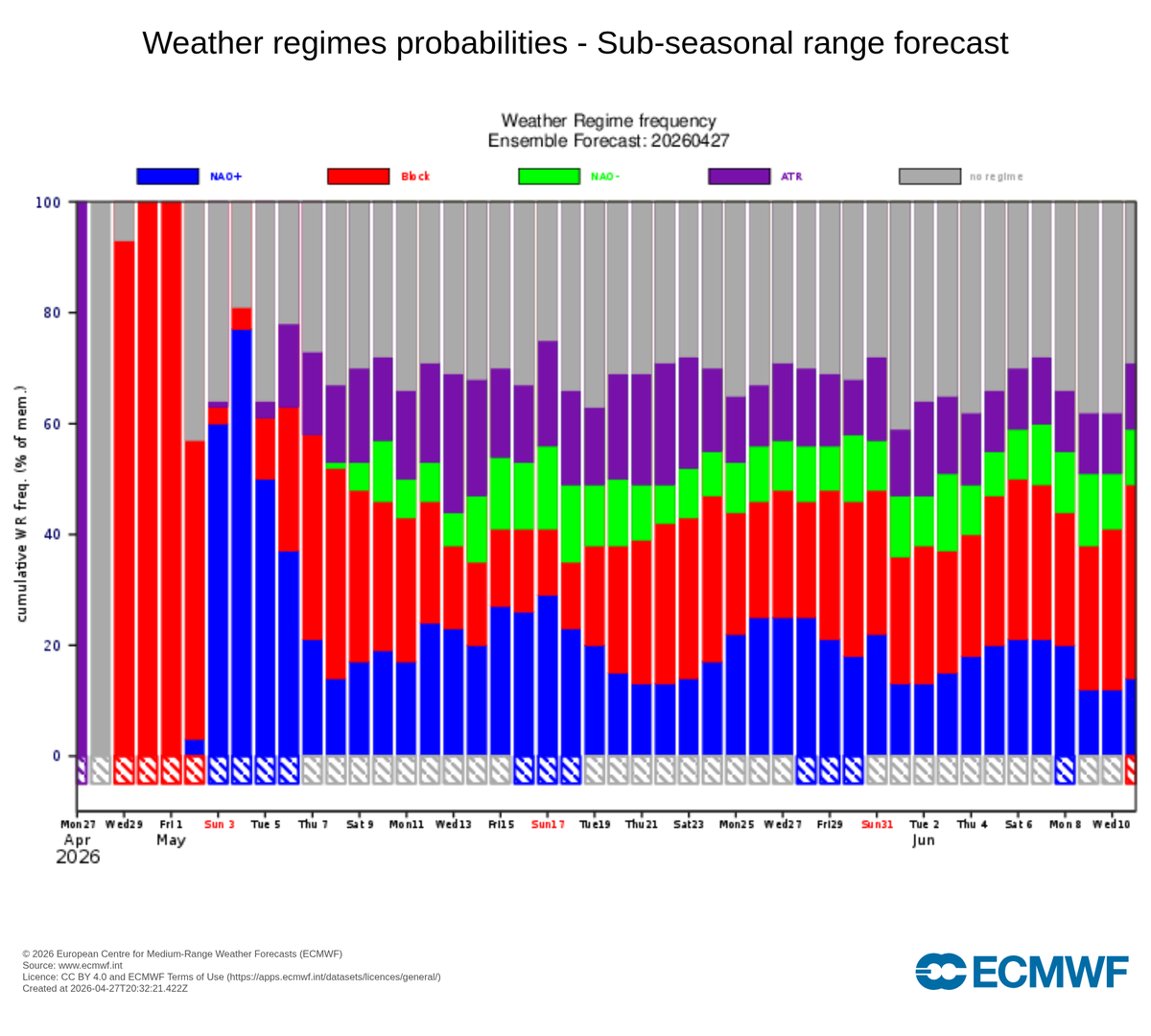
@MassachusettsWx That's interesting. The regime plot said 20260426 on their website, but the image export gave me 20260427 - I didn't notice. Similar forecast, +NAO strongly favored around May 4-5
World Climate Service tweet media
English
0
0
3
213
World Climate Service
World Climate Service@WorldClimateSvc·
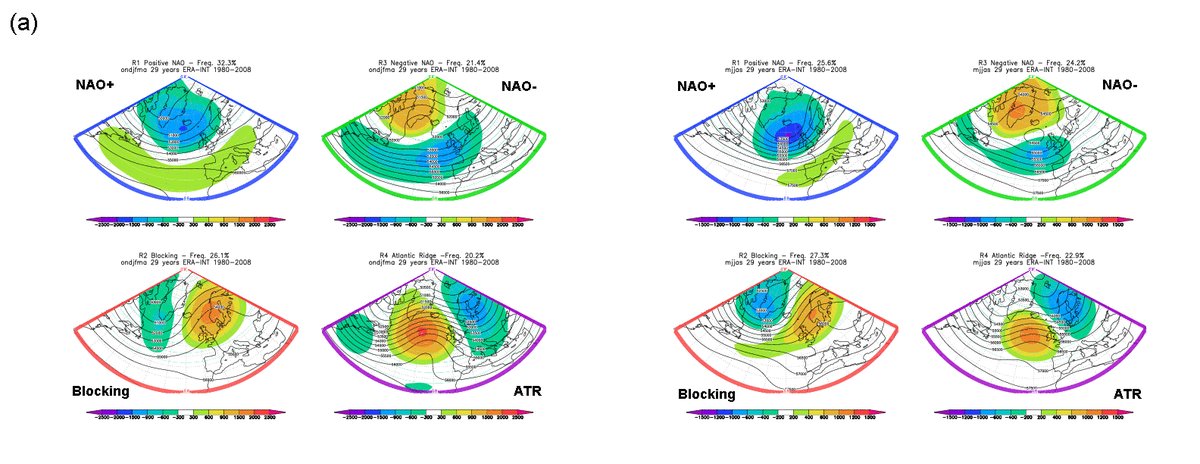
A question for weather #regime fans: would you consider this ECMWF day-10 forecast more +NAO or -NAO? ECMWF regimes show +NAO, but their +NAO summer pattern has a trough from Ireland to Scandinavia (very unconventional in summer) Our 4-regime scheme suggests more -NAO alignment
World Climate Service tweet mediaWorld Climate Service tweet mediaWorld Climate Service tweet mediaWorld Climate Service tweet media
English
6
5
30
4K
Noah Bergren
Noah Bergren@NbergWX·
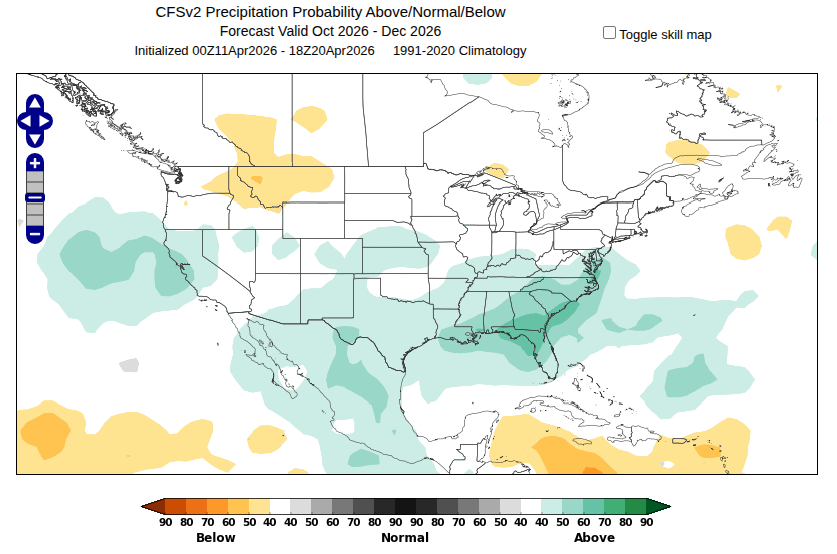
Lot of fall and winter rain and severe storm chances on the Florida Peninsula at the end of 2026 if this does in fact occur. Rain and tornadoes happen most frequently in Florida in the 'off' season during only Strong El Nino's.
World Climate Service@WorldClimateSvc

The CFSv2 El Niño forecasts have been a bit cooler than the Copernicus multi-model mean in recent months, but the CFS is making up for lost time now. The latest 10 days of initializations show SSTs locally more than 4°C above the 1991-2020 normal in the Niño3 region by Oct-Dec.

English
8
5
43
4.5K
World Climate Service
World Climate Service@WorldClimateSvc·
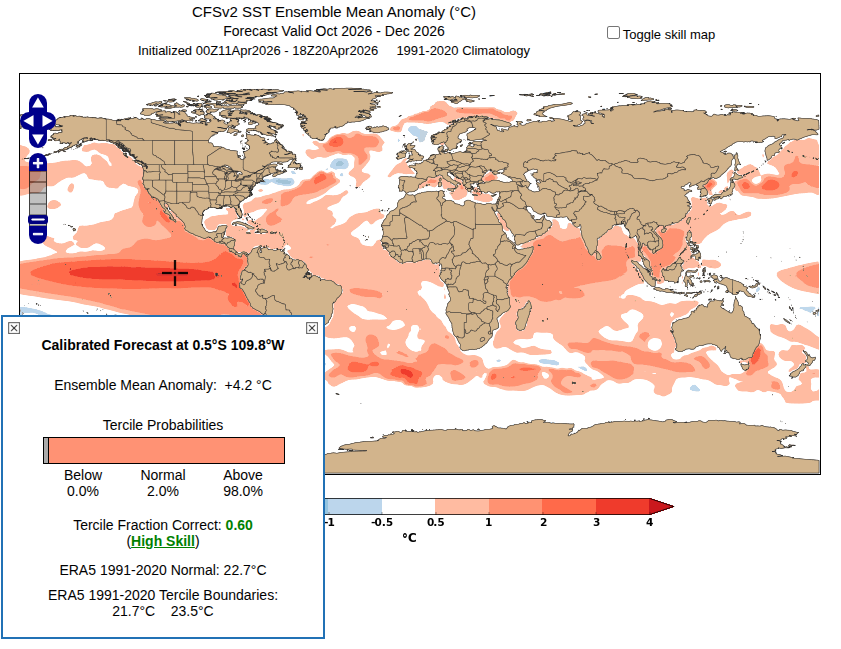
The CFSv2 El Niño forecasts have been a bit cooler than the Copernicus multi-model mean in recent months, but the CFS is making up for lost time now. The latest 10 days of initializations show SSTs locally more than 4°C above the 1991-2020 normal in the Niño3 region by Oct-Dec.
World Climate Service tweet media
English
2
20
109
15.3K
Eric Webb
Eric Webb@webberweather·
@mattlanza I think a lot of climate scientists have the wrong impression that the SPB *has to* mean the difference b/t no enso event at all & a moderate-strong one In some years like this, its actually the difference between a moderate & a very powerful one when low freq signals are clear
English
1
0
12
1.7K
Eric Webb
Eric Webb@webberweather·
I understand trying to be a “voice of reason” in the sea of hype that is social media, but this is just obnoxiously wrong and dishonest.
Eric Webb tweet media
English
10
5
115
24.9K
World Climate Service
World Climate Service@WorldClimateSvc·
The contiguous U.S. states were more than 50°F warmer than Alaska on a monthly basis in March - a first in @NOAANCEI data (1925-present). The most similar past years (extreme March temperature difference) were 2007 and 2012, notable years for extreme summer Arctic sea ice loss.
World Climate Service tweet mediaWorld Climate Service tweet media
English
4
18
63
7.5K