SATURN

221 posts

SATURN banner
SATURN

SATURN

@XBlueSaturn

Ad Astra. TRUE Halo Fan. Patriot.

Mare Tranquillitatis Katılım Şubat 2024
217 Takip Edilen27 Takipçiler
SATURN
SATURN@XBlueSaturn·
@Mazeriio @shitpost_2049 Not really, it has extra stone types that you can build with but that's a common feature in Minecraft mods, and I'm pretty sure Hytale has fewer wood types.
English
2
0
2
214
SATURN
SATURN@XBlueSaturn·
@Mazeriio @shitpost_2049 "Hytale is literally in early access right now... it doesn't even matter that you can play all its "unique" content in Minecraft with mods that already exist, okay?"
GIF
English
1
0
7
247
Mazeriio
Mazeriio@Mazeriio·
@shitpost_2049 A 17 year old well established game VS an early access lol
English
5
1
261
23.1K
SATURN retweetledi
ToughSF
ToughSF@ToughSf·
Not a rotating artificial gravity ring, but a rotating artificial gravity spiral. This layout inspired by an Archimedes screw could work if it were large enough, but has no benefit other than aesthetic. #space #art by Jonas Hassibi artstation.com/artwork/aGyZbL
ToughSF tweet media
English
7
34
324
6K
SATURN retweetledi
Sci-Fi Archives
Sci-Fi Archives@SciFiArchives·
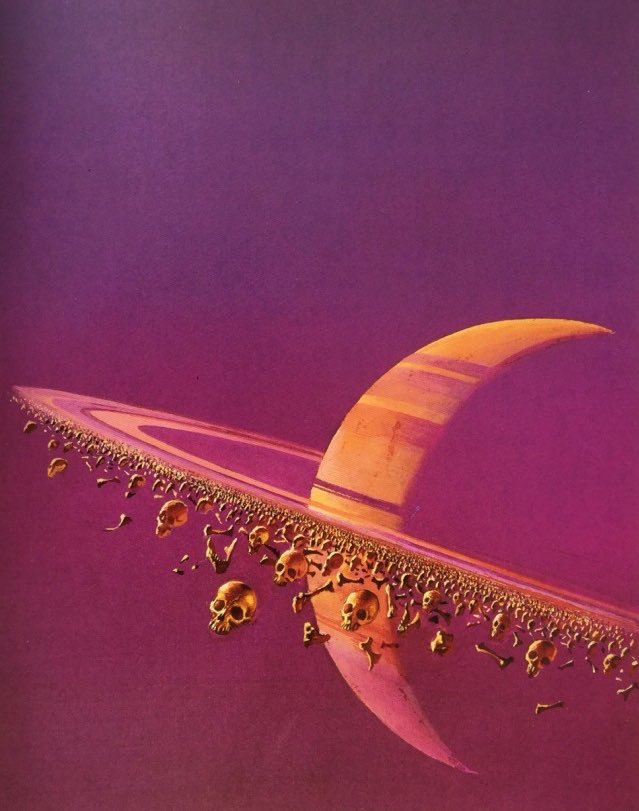
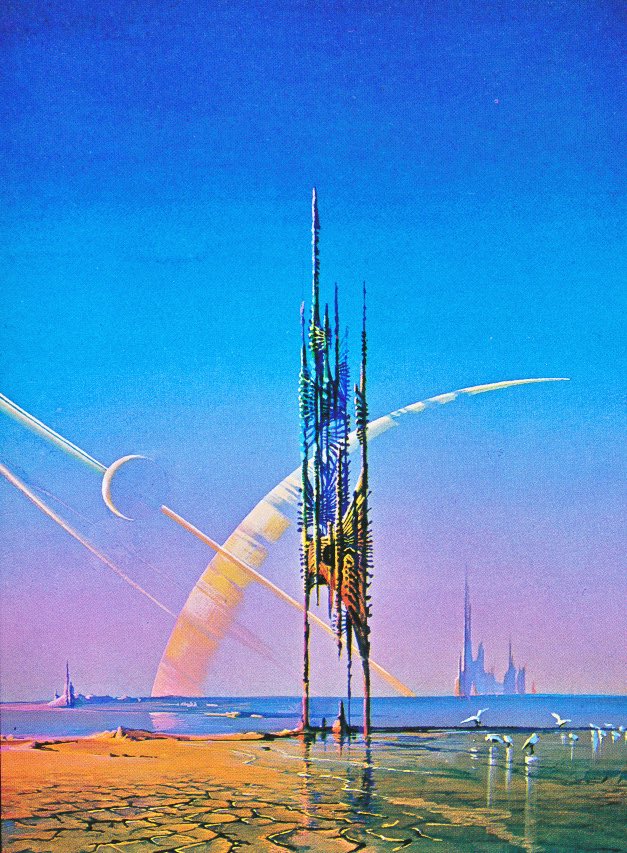
The gorgeous art of Bruce Pennington
Sci-Fi Archives tweet mediaSci-Fi Archives tweet mediaSci-Fi Archives tweet mediaSci-Fi Archives tweet media
English
6
224
1.6K
23.7K
SATURN retweetledi
Erik Wernquist
Erik Wernquist@ErikWernquist·
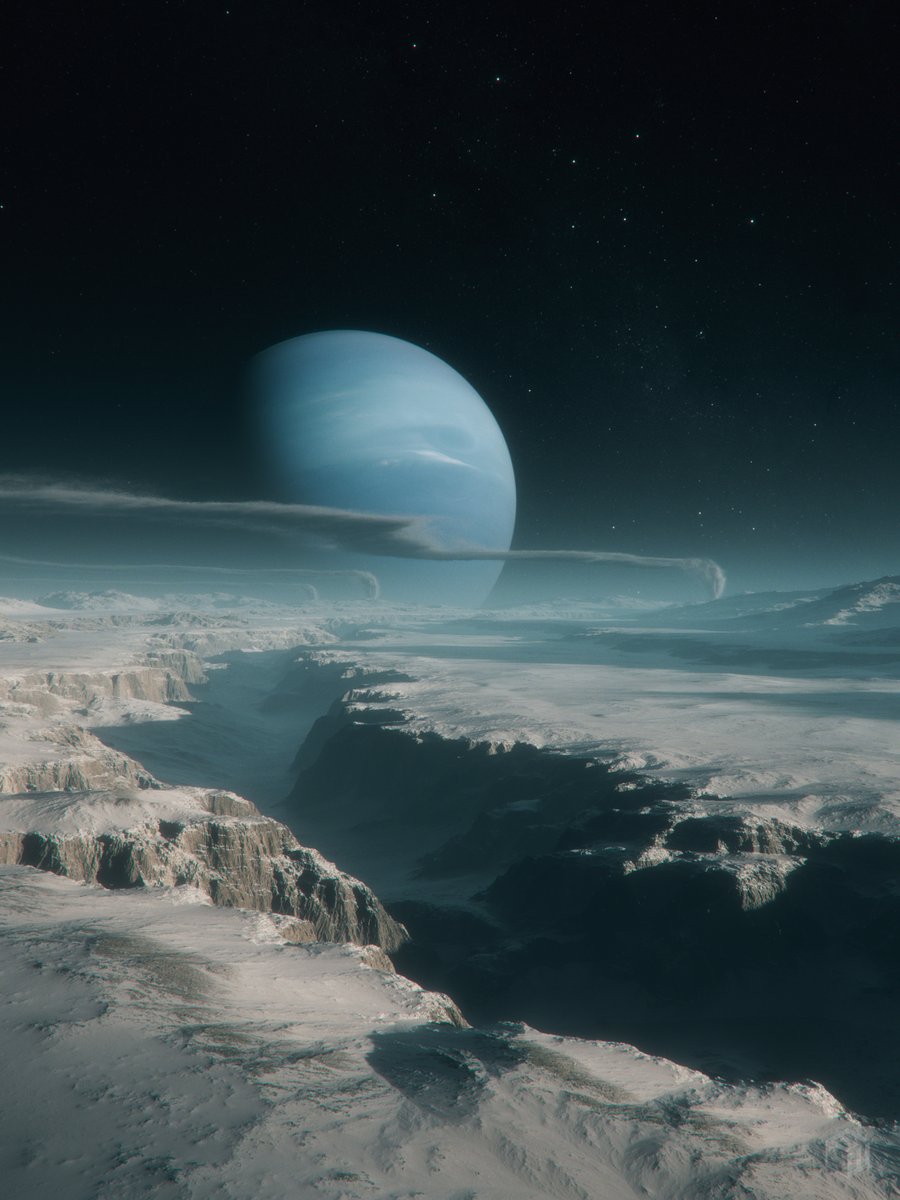
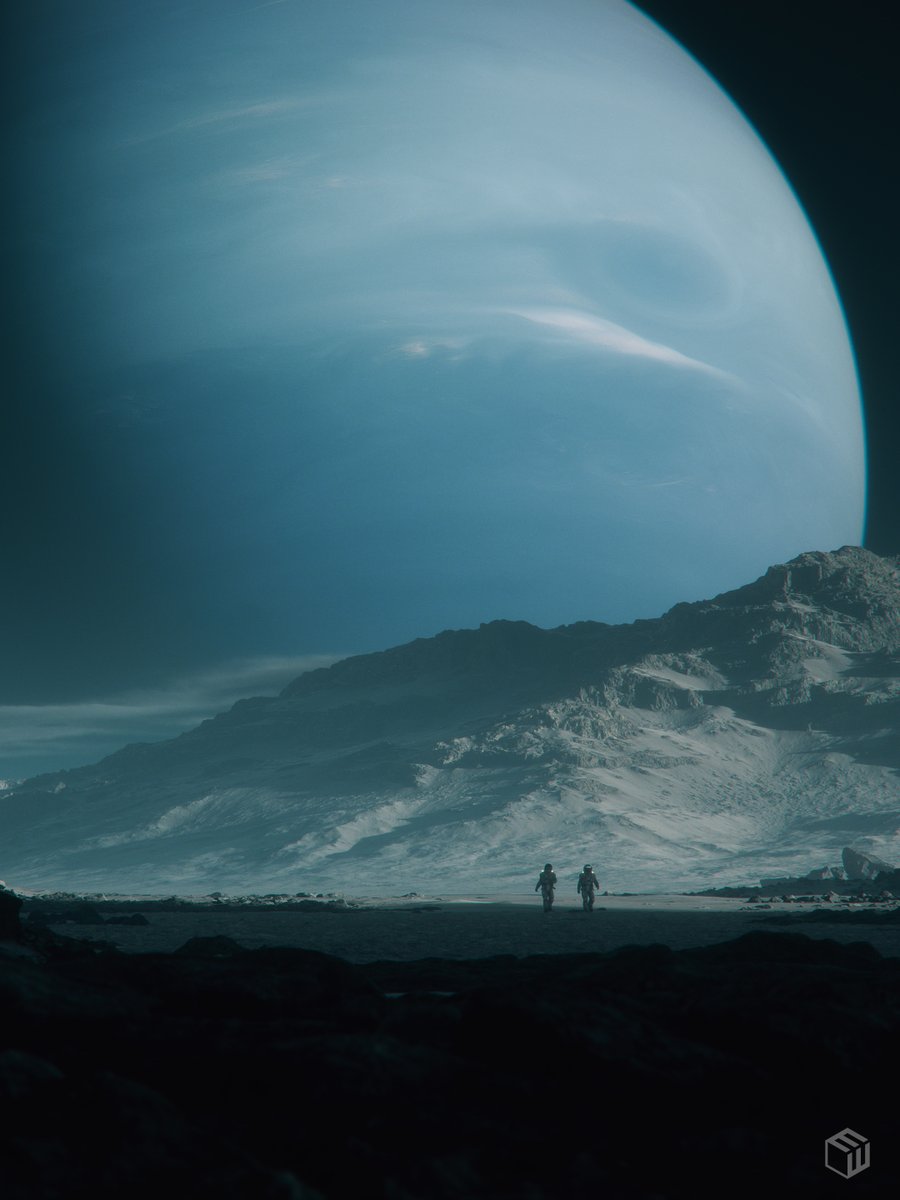
Strolling the surface of Triton. Another set of samples from my visuals for Professor Brian Cox live show "Emergence". Landscape and cloud assets created by @samuel_krug. Neptune created by Logan Miller.
Erik Wernquist tweet mediaErik Wernquist tweet media
English
17
189
1.5K
37.7K
SATURN retweetledi
Sci-Fi Archives
Sci-Fi Archives@SciFiArchives·
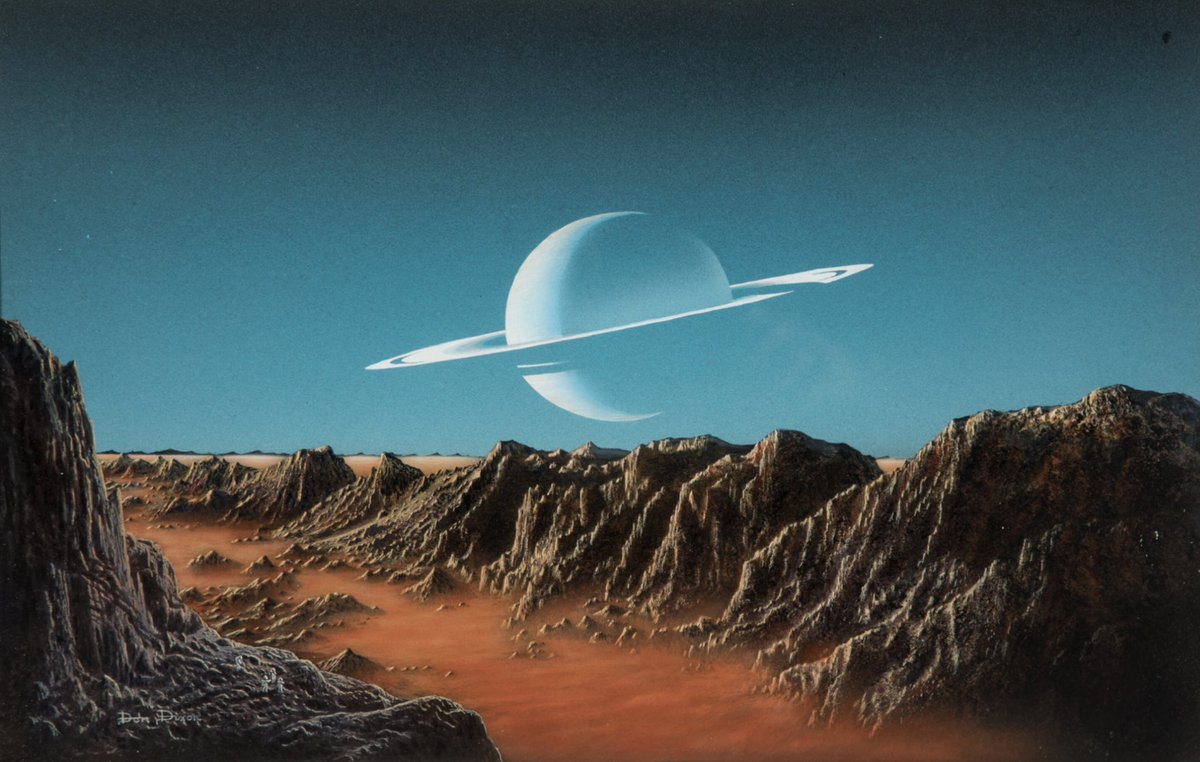
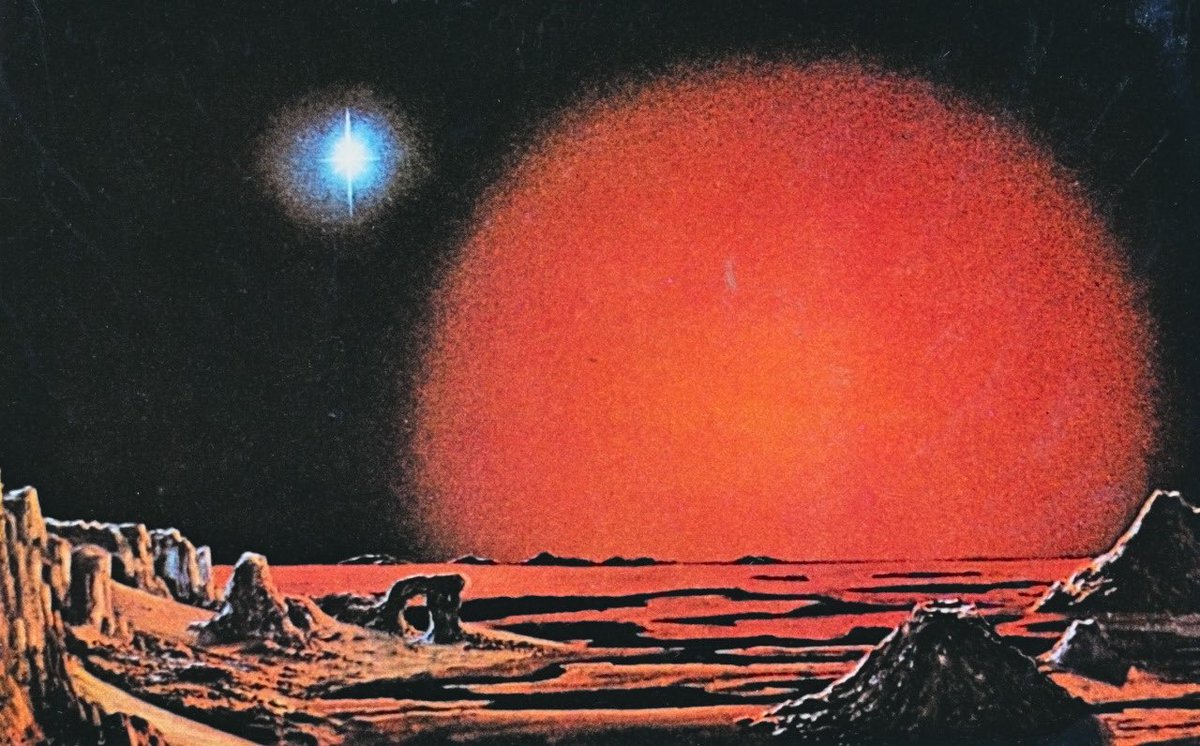
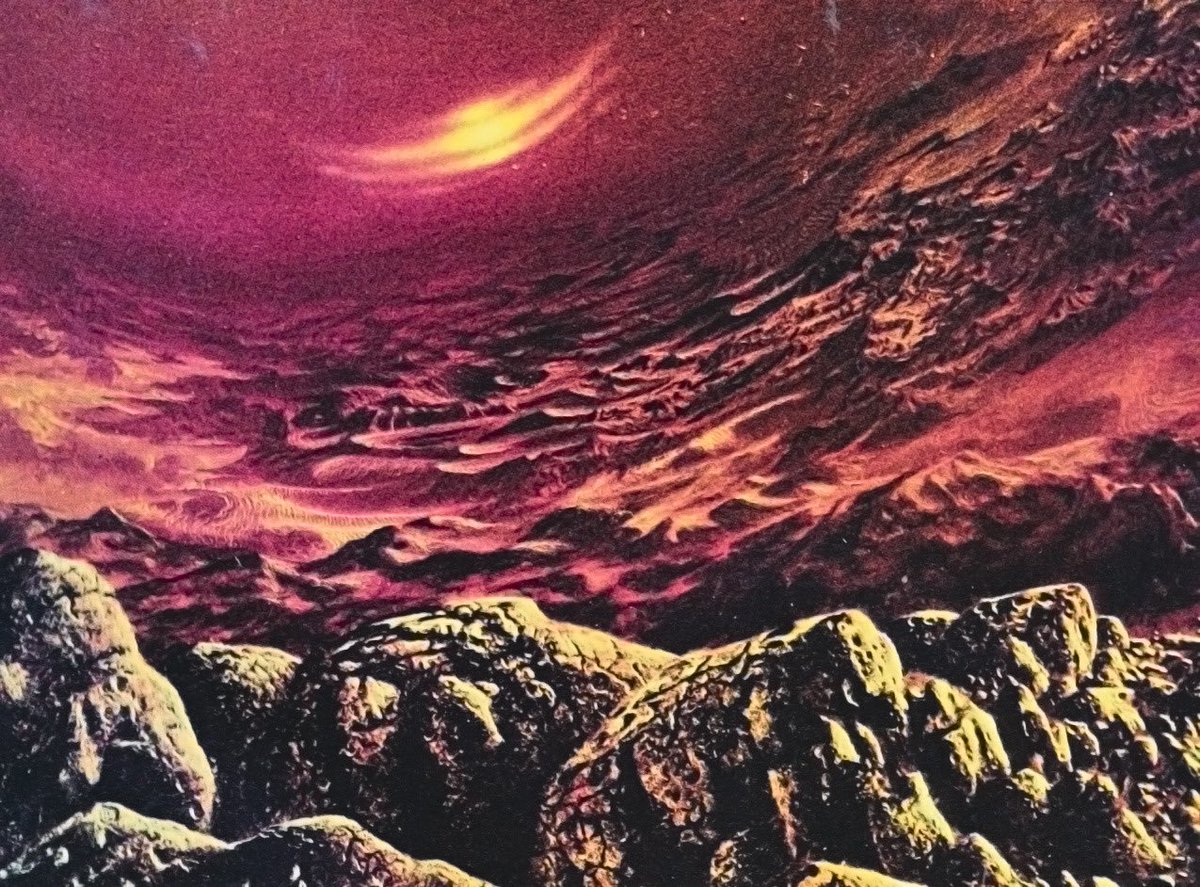
Art by Don Dixon from Starlog magazine
Sci-Fi Archives tweet mediaSci-Fi Archives tweet mediaSci-Fi Archives tweet mediaSci-Fi Archives tweet media
English
1
131
775
12.2K
SATURN
SATURN@XBlueSaturn·
@kambyyy @LukeCB14 The soyboys are the ones willing to pay money for the color red, something that USED to be free in video games
English
0
0
1
16
Kamby
Kamby@kambyyy·
@LukeCB14 please someone turn this into a soyjak
English
3
0
31
1.4K
SATURN retweetledi
NASA
NASA@NASA·
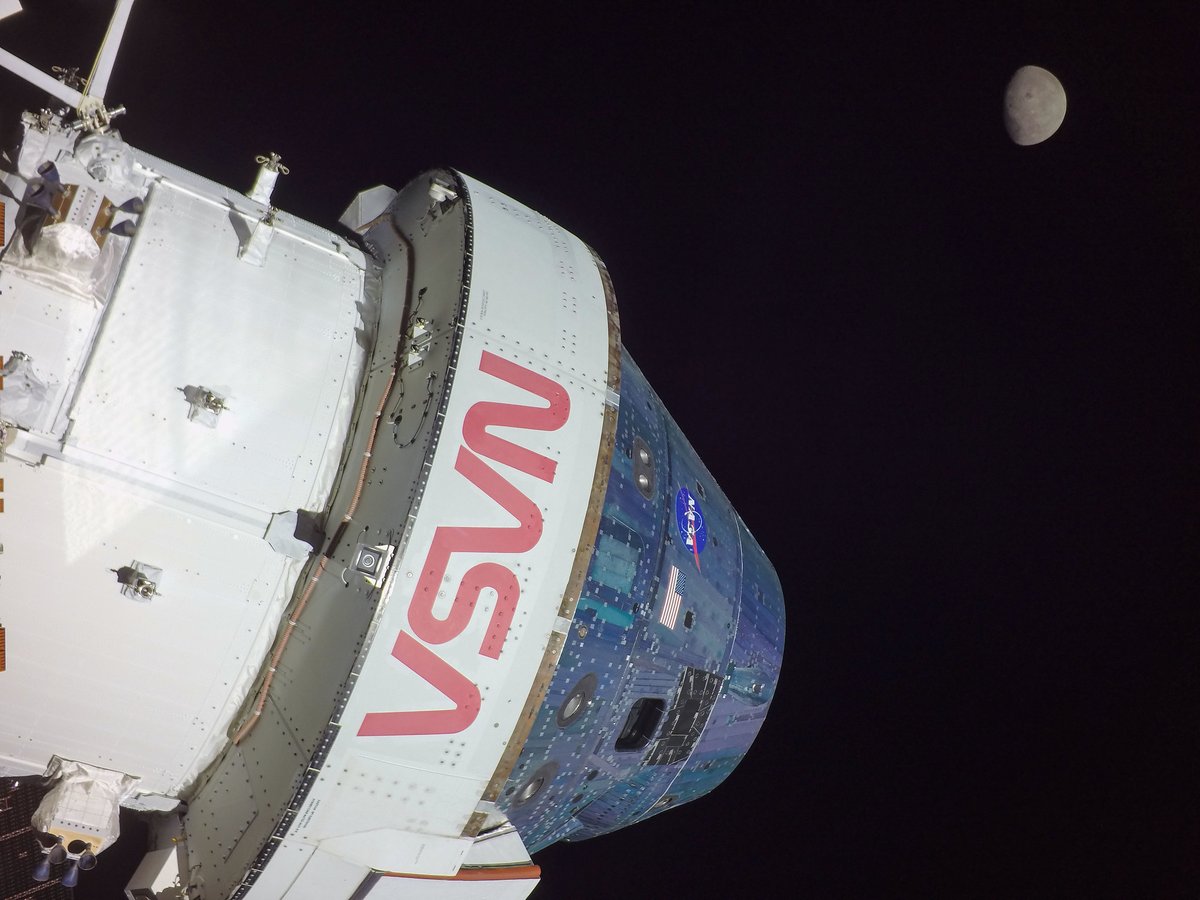
About eight minutes after Artemis II lifts off, the Orion spacecraft and the astronauts aboard will be in space. But what happens after that? Check out the Artemis II daily agenda to learn about the activities of the 10-day lunar mission: go.nasa.gov/3NBxpmr
NASA tweet media
English
416
1.7K
8.1K
434.3K
SATURN retweetledi
Julio Maiz
Julio Maiz@maiz_julio·
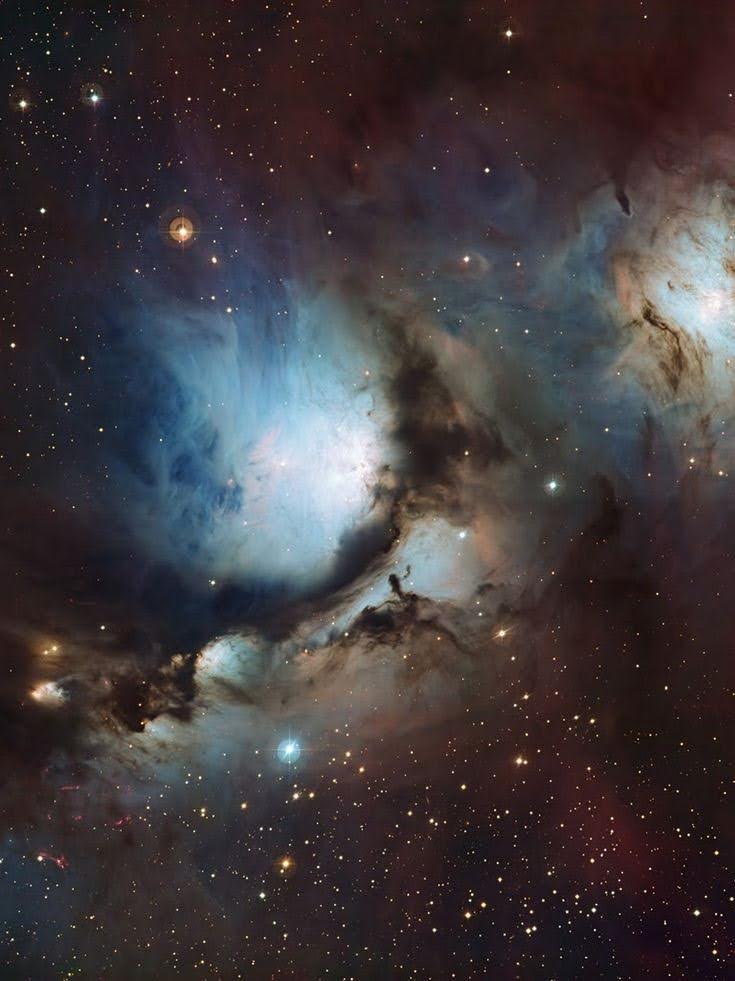
M78 Reflection nebula in Orión #NASA #apod
Julio Maiz tweet media
Español
1
38
160
1.4K
SATURN retweetledi
Night Sky Today
Night Sky Today@NightSkyToday·
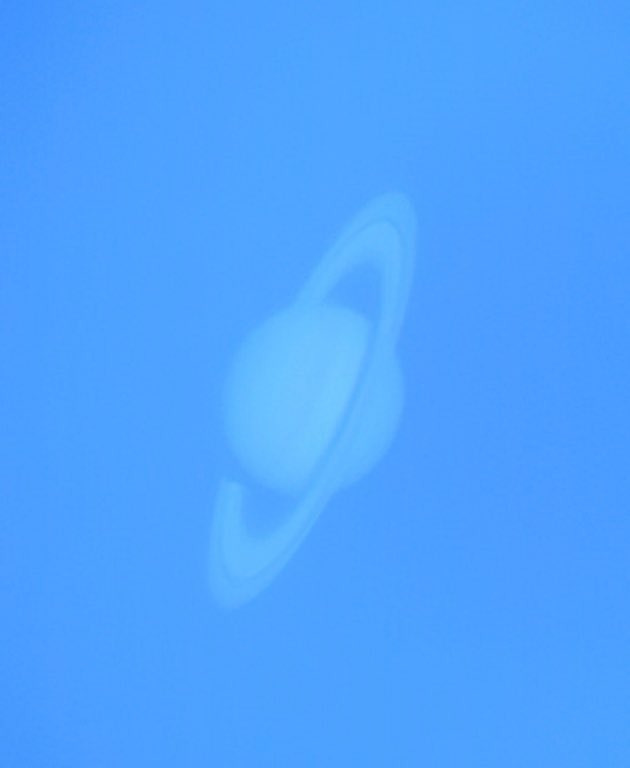
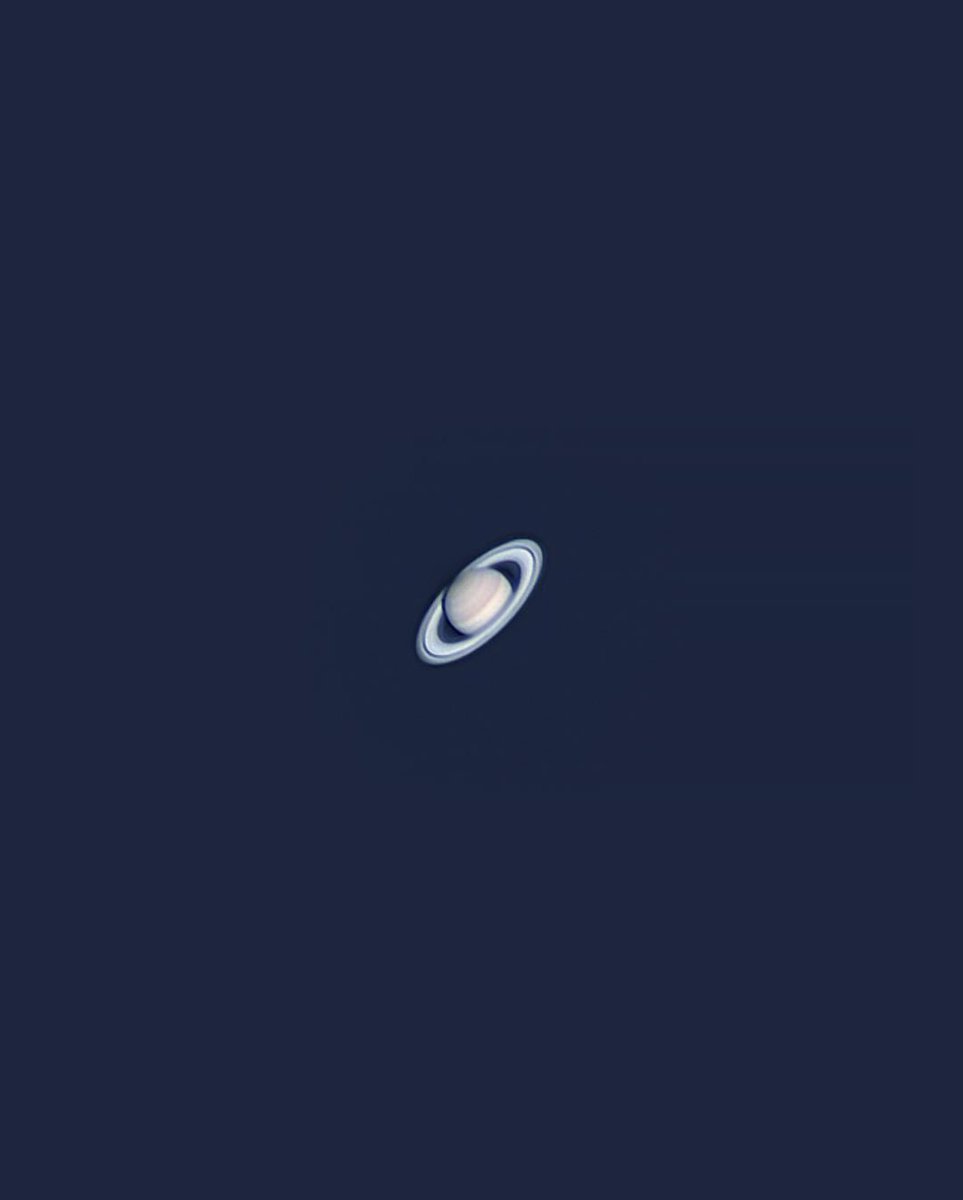
Saturn in Broad daylight.😍
Night Sky Today tweet mediaNight Sky Today tweet mediaNight Sky Today tweet media
English
1
31
191
5.6K
SATURN retweetledi
Black Hole
Black Hole@konstructivizm·
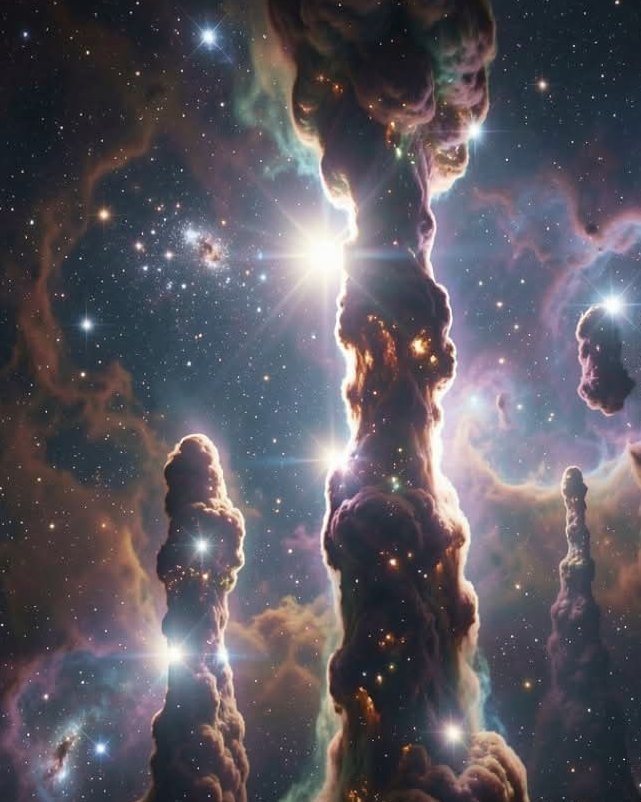
Nestled roughly 6,500 light-years away in the sinuous constellation Serpens, the Eagle Nebula (also cataloged as Messier 16 or M16) stands as one of the Milky Way's most breathtaking stellar nurseries—a colossal cloud of gas and dust where stars are actively .At its heart rises the legendary Pillars of Creation: towering columns of cold, dense hydrogen gas laced with interstellar dust, each stretching several light-years tall (some as long as 4–5 light-years). These dramatic structures resemble cosmic skyscrapers, sculpted by the fierce ultraviolet radiation and stellar winds from a cluster of hot, young, massive stars nearby. The radiation blasts away lighter surrounding material, leaving behind these denser "elephant trunks" where gravity relentlessly squeezes gas and dust into protostars—the embryos of future suns.First immortalized in 1995 by the Hubble Space Telescope in an iconic visible-light portrait that captivated the world, the pillars revealed glowing tendrils and hints of star birth hidden within. Hubble revisited the scene in higher definition in 2014–2015, sharpening the view of evaporating gas globules (EGGs) and the ongoing erosion.Then came the James Webb Space Telescope (JWST). In 2022, its Near-Infrared Camera (NIRCam) pierced through the obscuring dust like never before, unveiling thousands of newborn stars—bright red orbs with characteristic diffraction spikes—embedded deep inside the pillars. Mid-infrared views from JWST's MIRI instrument added even more layers, highlighting glowing dust and intricate details of the star-forming frenzy. Composites blend these wavelengths into stunning, multi-hued visions that show how stars emerge from collapsing clouds over millions of years.These observations don't just dazzle—they revolutionize our understanding of star formation, revealing precise star counts, gas/dust quantities, and the dynamic processes that transform nebulas into stellar graveyards and birthplaces .Here are some of the most iconic views (Sources: NASA/ESA Hubble Space Telescope imaging 1995 & 2014–2015; NASA/ESA/CSA James Webb Space Telescope NIRCam & MIRI observations 2022; related studies in The Astrophysical Journal and official releases)
Black Hole tweet media
English
5
90
526
9.5K
SATURN retweetledi
𝐬𝐨𝐯
𝐬𝐨𝐯@sovietsoleri·
「interface」
𝐬𝐨𝐯 tweet media𝐬𝐨𝐯 tweet media
GIF
English
5
208
1.9K
28.8K
SATURN retweetledi
Night Sky Today
Night Sky Today@NightSkyToday·
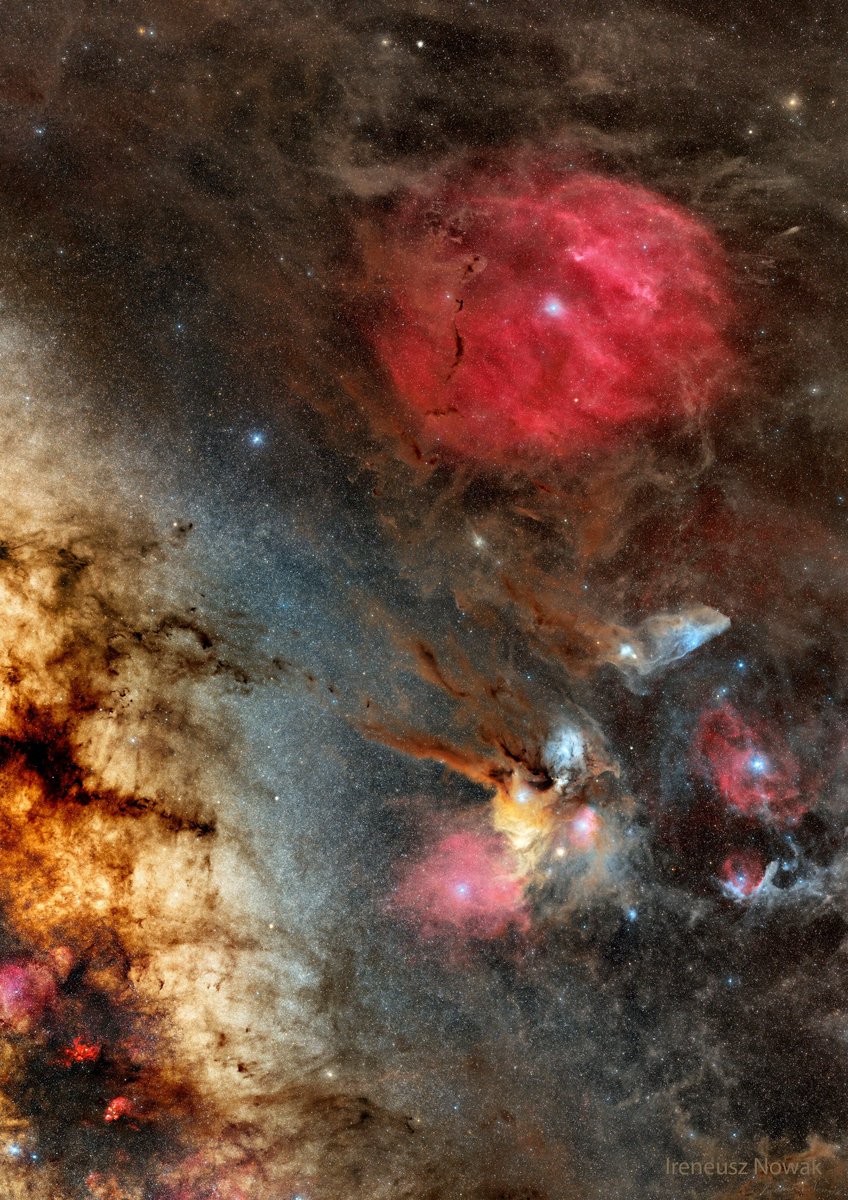
Zeta and Rho Ophiuchi with Milky Way
Night Sky Today tweet media
English
2
76
466
5.4K