Sabitlenmiş Tweet

Last week i learned quite possibly the hardest lesson of my life.
I’ve been coding since i was in 4th grade (literally the majority of my life now), and get obsessed with the tiny technical details of hard problems.
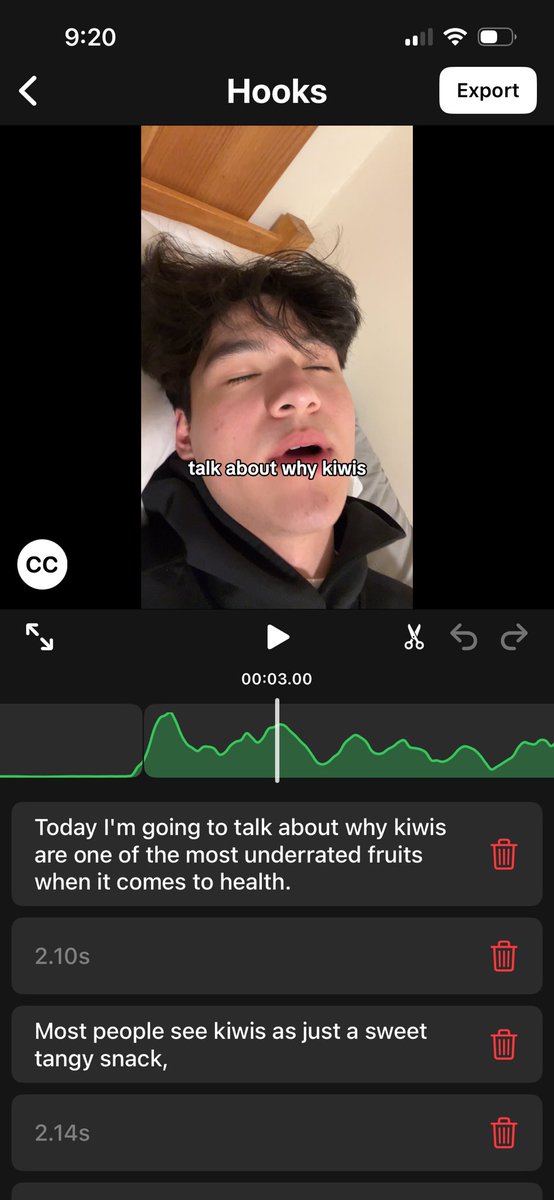
This led me to spend 4 months building Clippr, a new type of video editing app that has a mostly transcript-based workflow. And, as anyone who’s built a startup in this space would know, video editing software has some of the most gnarly technical issues to solve.
Over time I roped in two of my engineer friends and we built an end-to-end video editing software with a timeline, waveform previews, semantically-splitting auto captions, gap detection, preview + export logic, async loading previews, saved project files, and quick exports.
And by the end of all this, i had a beautiful piece of software BUT…
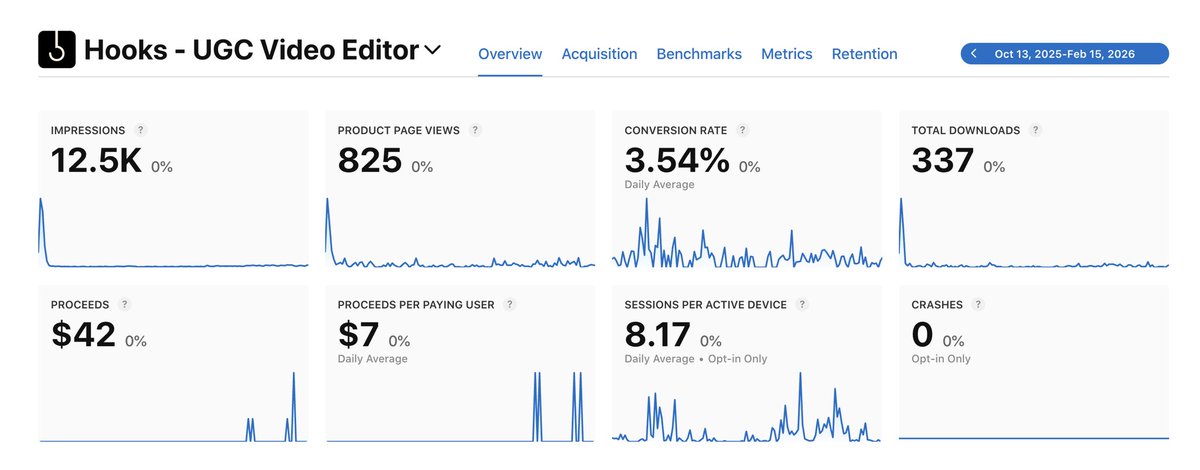
Only 300 users. Most of which churned.
Fuck.
I realized i was building in search of a problem. None of my thousands of views of ugc really struck a chord and converted well, people in real life didn’t understand it, and even when I manually went to recruit the perfect users only like half of them would actually give it a try (even for FREE).
Clearly the pain point wasn’t strong enough.
My takeaway is this: competition is good. Build in a space where the core idea has been validated, and you have marketing angles to copy from.
Everyone’s always looking to build a grand vision of something that has never existed before. A Steve Jobs tier insight that fundamentally shifts the way people approach the world.
But why not at least start with something that makes sense already. Your neighbor’s kid used to just pick up the lawnmower and start knocking doors, and he made a decent amount that summer. I live in nyc now, and there are at least 4 pizza places right on my block. Some niches just always exist. You don’t need to reinvent the wheel.
Stand on the shoulders of giants instead.
Pivot time babyyyyy
English