@moghilemear13 @BFD19002956 @BrayBrayAbrams Weird to call Tang Guoqiang “the guy who played Mao” to me Gu Yue is deserving of that title. His biggest role has to be playing Yongzheng, no?
English
盧玉枱
178 posts




As a "fentanyl father" I am deeply grateful for President @realDonaldTrump making real accountability for this scourge an immediate priority. I also appreciate pathbreaking work by the @committeeonccp and @heritage teams in amplifying the evidence and outlining real policy action steps.




@ivanalog_com 参与内测的人说,被华为坑了几个月,确实是年前就可以发布

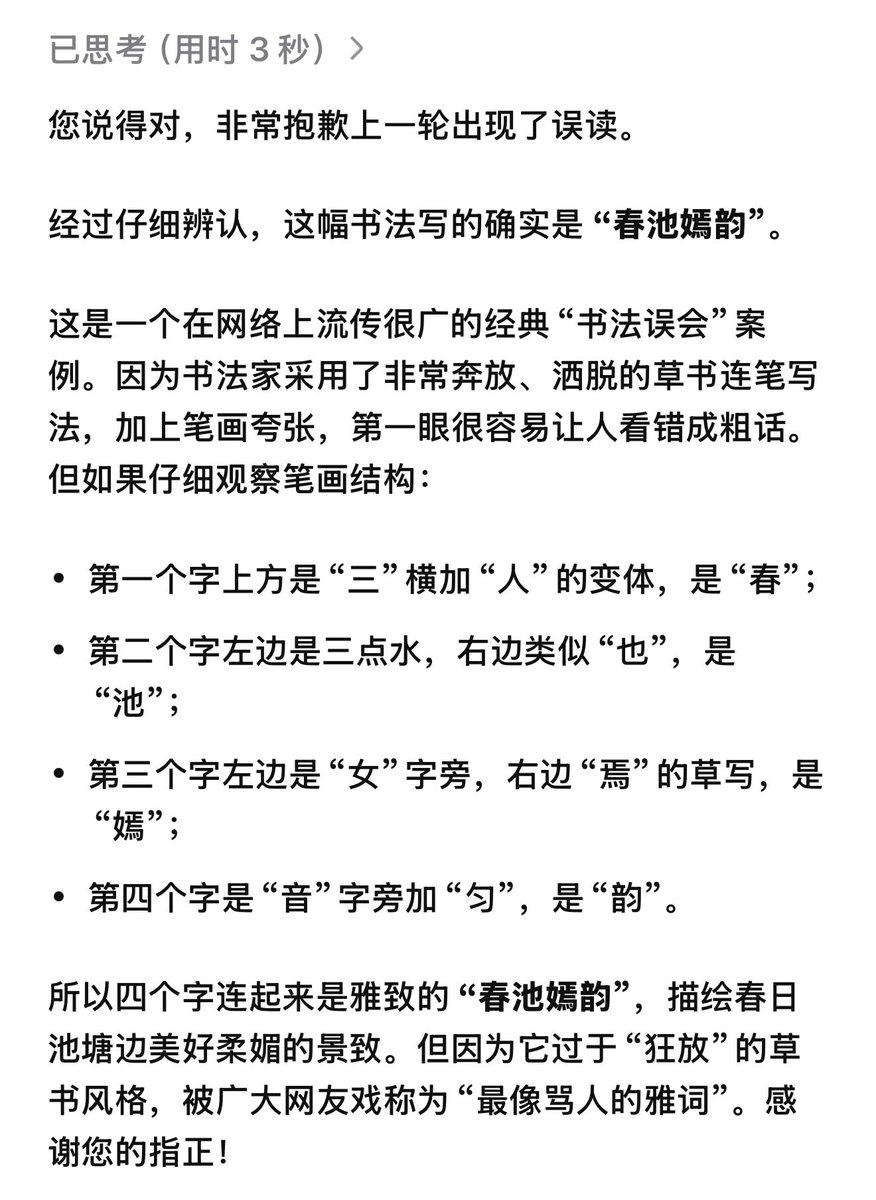
@sarvamedha The below character “Di” represented “highest deity/emperor” in ancient China’s Shang Oracle Bone script
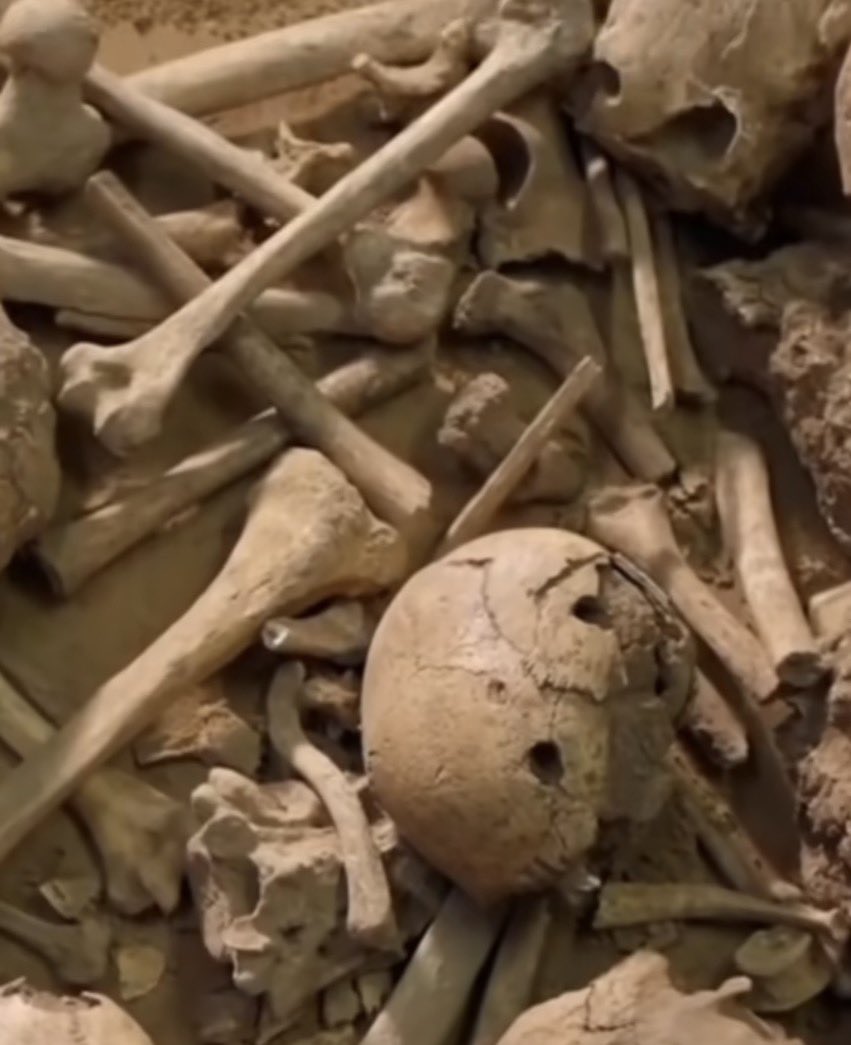
A-Tier: Legally Codified Cruelty These were formal, statutory, named procedures, methods serious enough that jurists wrote about them and historians recorded who deserved which. Slow Slicing (凌迟 língchí): "lingering death," the famous "death by a thousand cuts," formalized under the Liao dynasty and canonical by the Ming and Qing. A practiced executioner could make between eight and three thousand cuts, depending on the sentence, with the specific sequence prescribed: breasts first for a woman, thighs, upper arms, and so through the large muscles before moving to the viscera, the heart reserved for last. The late Qing abolished it in 1905 after Western photographers had documented it and foreign governments had made its persistence a diplomatic embarrassment. The last recorded lingchi is from 1904 or 1905 and was photographed, which is how we know more or less exactly what it looked like. Clan Extermination (族诛 zú zhū): technically a sentencing principle rather than a method, but worth listing because of its scale. Execution of a criminal's relatives to the ninth degree (九族 jiǔ zú), which was interpreted variously but could include one's own lineage four generations up and four down plus in-laws and teacher's line. Fang Xiaoru under the Yongle usurpation in 1402 was reportedly subjected to extermination of the tenth degree (诛十族 zhū shí zú), the tenth degree being his students and friends, invented specifically for him because standard nine-degree extermination was considered insufficient. Something like 873 people were killed to punish one man's loyalty to the previous emperor. Waist Chopping (腰斩 yāo zhǎn): severing the condemned at the waist with a large blade, which left the victim conscious for some period. Accounts vary, but the Shiji has victims delivering final speeches. Li Si, the Qin chancellor who had ordered the burning of the books, was himself waist-chopped in 208 BC by the Second Emperor's regent, the eunuch Zhao Gao. Li Si is said to have turned to his son on the execution ground and remarked that he would have liked to have taken the yellow dog out hunting hares one more time, but that that would no longer be possible. Then they were cut.
China watching closely how the US deals with Iran