Sabitlenmiş Tweet

I take charting requests gleefully. If you have anything you want charted, feel free to let me know what ticker symbol you want.

English
TheChartist
1.7K posts
@YTTheChartist
I see patterns in everything. I am coming to change the world. And, I will. With God by my side.

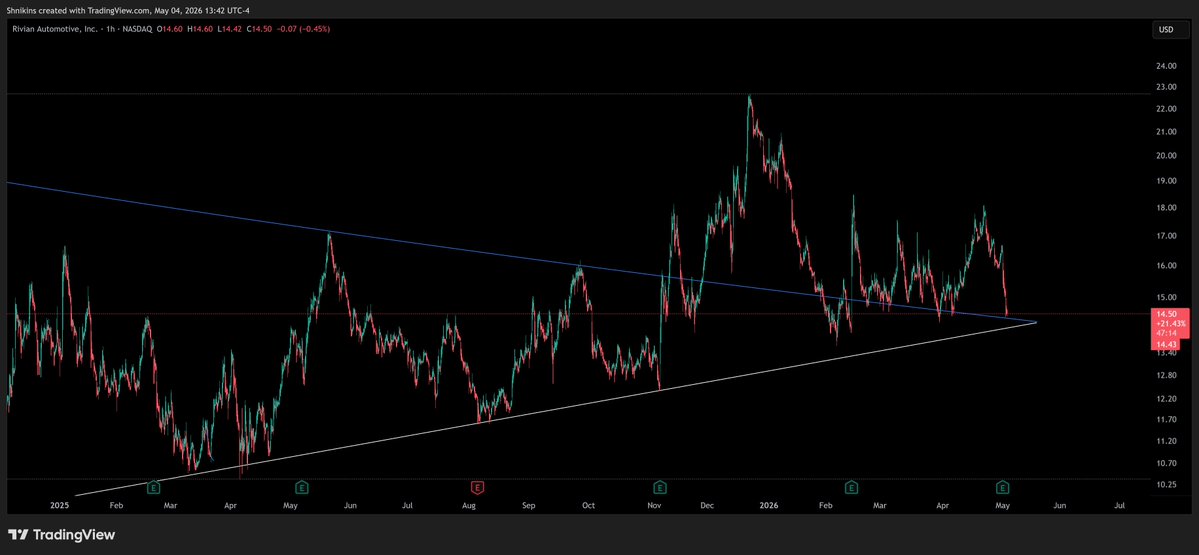



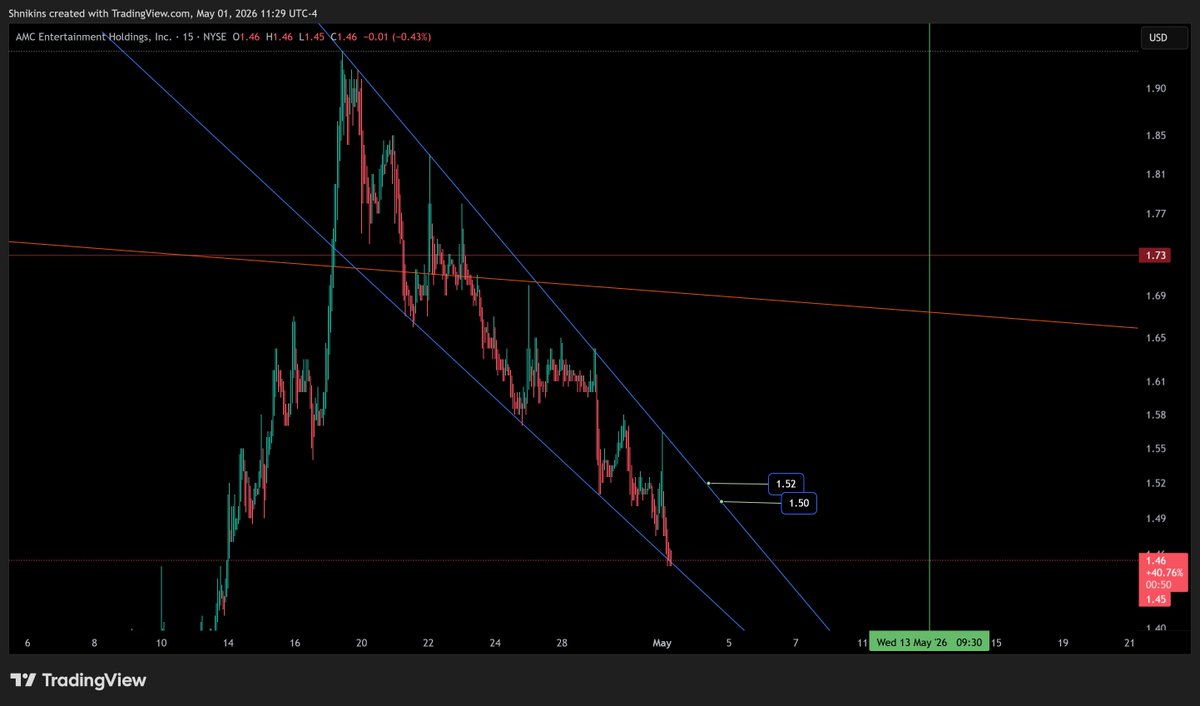
I had an epiphany tonight regarding the cyclical power of collectivists and why they are all doomed to fail: including the most prominent collectivists today, the Globalists. Collectivist movements have historically gained ascendancy over individualists through their superior capacity for unified action and group cohesion. By viewing members as integral components of a larger organism, much like a body instinctively protects its limbs, they sustain internal solidarity, often by tolerating or excusing flaws within the group to preserve overall integrity. This organizational strength enables them to mobilize resources, coordinate efforts, and impose coercive controls more effectively than dispersed individuals who prioritize personal autonomy and decentralized decision-making. Over time, however, the mechanisms required to maintain that control tend to become outdated, rigid, or excessively oppressive. As the collective escalates coercion to suppress dissent and retain authority, it alienates an ever-growing portion of the population. When this alienation reaches a critical threshold, the previously scattered individuals undergo a transformation: they coalesce into a counter-collective with sufficient scale and determination to challenge and overthrow the dominant order. Upon success, this new collective typically fragments, as members revert to individualistic pursuits and reclaim personal autonomy, setting the stage for the eventual emergence of another collectivist formation. This recurring pattern of consolidation, overreach, resistance, and dissolution stems from a fundamental asymmetry. Entrenched collectives often become bureaucratic and reliant on methods that once secured their rise but grow ineffective against evolving challenges. Emergent counter-collectives, by contrast, draw on acute shared motivation, tactical flexibility, and the accumulated insights of prior generations. Each wave of the oppressed builds on historical lessons, refining strategies, adopting new tools, and exploiting vulnerabilities the incumbent has failed to anticipate or adequately defend. In the present era, we observe a former dominant coercive collective, frequently referred to as “Globalists,” undergoing systematic erosion by a newly coalesced and more effective counter-collective, whose primary function appears to be the dismantling of the prevailing paradigm. As the incumbent group responds by intensifying increasingly archaic forms of control in an effort to retain authority, it inadvertently accelerates the process: broadening the base of opposition, sharpening the counter-collective’s capabilities, and hastening its own displacement. The cycle does not merely recur; with each iteration, generational adaptation tends to compress the timeline, as the tools and insights available to challengers evolve more rapidly than those of the entrenched. This dynamic invites reflection on whether such patterns are inherent to human social organization and what conditions might alter or interrupt them.






Hippies did nothing and benefitted from the greatest economic era and the last dwindling age of near homogeneity just to become condescending libs and blow their unearned wealth so their children and grandchildren were left out to dry.