
Sabitlenmiş Tweet
ㄚ卂乙乇乇ᗪ
32.6K posts


ㄚ卂乙乇乇ᗪ
@Yazeed44N
🎣މަސްވެރިކަން ❤️ފެތުން 🏊 🏝ރަށްފުށު 🏄♂️ ރާޅު 📈ހަންގުރާމަ ދިރާސާ ކުރުން
Katılım Haziran 2022
1.2K Takip Edilen932 Takipçiler
ㄚ卂乙乇乇ᗪ retweetledi

Fools get fooled. Only what Allah revealed is absolute truth
And for people to fall for those who run after this world and gain more wealth....
Bruce@bruce_barrett
I don’t want to hear about my carbon footprint ever again. x.com/SawyerMerritt/…
English
ㄚ卂乙乇乇ᗪ retweetledi

ㄚ卂乙乇乇ᗪ retweetledi

From the causes of Istighfar, the first as mentioned in the book of Shaykh Nasir Al Fahd, is the innate deficiency of humans.
Shaykh Ahmad Musa Jibril explained that no matter how much effort one puts in Istighfar, we can never give Allah His full due rights of worship.
Some people think their deeds are like a payment for Jannah which they would get as a recompense, but the deeds are just one of the causes to enter Jannah. We are still under the discretion of Allah’s Mercy.
Aisha reported: The Messenger of Allah, peace and blessings be upon him, said, “Follow the right course, be devoted, and give glad tidings. Verily, none of you will enter Paradise by his deeds alone.” They said, “Not even you, O Messenger of Allah?” The Prophet said, “Not even myself, unless Allah grants me His mercy. Know that the most beloved deed to Allah is done regularly, even if it is small.”
[Bukhari]
But how will one reconcile with the Ayat of the Qur’an which makes it seem like only our deeds cause us to enter Jannah?
وَتِلْكَ ٱلْجَنَّةُ ٱلَّتِىٓ أُورِثْتُمُوهَا بِمَا كُنتُمْ تَعْمَلُونَ
This is the Paradise which you have been made to inherit because of your deeds which you used to do (in the life of the world).
[Surah Az-Zukhruf: 72]
Shaykh Ahmad explained that a cause for the crops to grow is rain. Rain to crops is like deeds to Jannah. But rain is not sufficient for the crops to fully grow alone, as there are other factors like wind, air, space and sunlight. Likewise, one who has the cause of entry to Jannah, the deeds, needs another more important and overwhelming umbrella factor way above and beyond deeds, which is the mercy of Allah سبحانه وتعالى.

English
ㄚ卂乙乇乇ᗪ retweetledi

This is how it should be.
If all men in positions of Authority followed such Policies, problems like workplace harassment of women by Bosses would rarely make the news.
But then again, Liberal Feminists can’t accept it by any means 💀
Legal Advice Yookay@LegalYookay
English
ㄚ卂乙乇乇ᗪ retweetledi

Which Maldivian was on Panama Paper? @jubraanshareef
illuminatibot@iluminatibot
Never Forget: When the Panama Papers came out it revealed all the richest people in the world are part of an enormous conspiracy to dodge taxes and hoard stolen wealth in offshore accounts and nothing happened except a reporter working on the story was assassinated.
English
ㄚ卂乙乇乇ᗪ retweetledi

Symbols of Islam returning is not the same as Islam returning.
Scholars equate the appearance of the "symbols of Islam" with the "predominance of the Shari'ah" because that was usually the case for 1,000+ years.
Today, that is not the case at all.
Rather, corrupt and evil authorities have come to realize that if "symbols" are permitted while Shari'ah is derided and rejected, Muslims will accept the authority and be placated.
Hanafis are more clear than other Madhaahib in saying that among the "symbols of Islam" that are required in order to claim that Islam is "predominant" in a land is the appointment of an Islamic Qadi who enforces the Huduud.
Hanafis also state, based on a Hadith, that when the "symbols of Islam" are present in a city or town, then the exhibition of Kufr or Shirk becomes prohibited.
Getting together once a year to celebrate is something that many Mushrikeen also do, even in the same lands as Muslims. Every people has their "Eid." Being allowed to celebrate ours is good. But, that just means oppression of Islam & Muslims isn't as bad as it used to be.
The oppression and atheism is still there...
PIC | صـور من التـاريخ@inpic0
آلاف المسلمين يحتفلون بعيد الأضحى في تيرانا عاصمة ألبانيا كانت ألبانيا ذات أغلبية مسلمة قبل الشيوعية، لكن مع تولي أنور خوجة السلطة، تحولت البلاد إلى أول دولة ملحدة رسمياً في العالم عام 1967. حُظر الدين تماماً، وأُغلقت أو دُمرت المساجد ومُنع أداء أي شعائر دينية حتى في المنازل واستمر هذا القمع الشديد لأكثر من 23 عاماً. بعد سقوط النظام الشيوعي عام 1991، بدأ الإسلام يعود تدريجياً إلى ألبانيا، عيد مبارك لكل المسلمين في ألبانيا وكل العالم 🌙
English
ㄚ卂乙乇乇ᗪ retweetledi

ㄚ卂乙乇乇ᗪ retweetledi

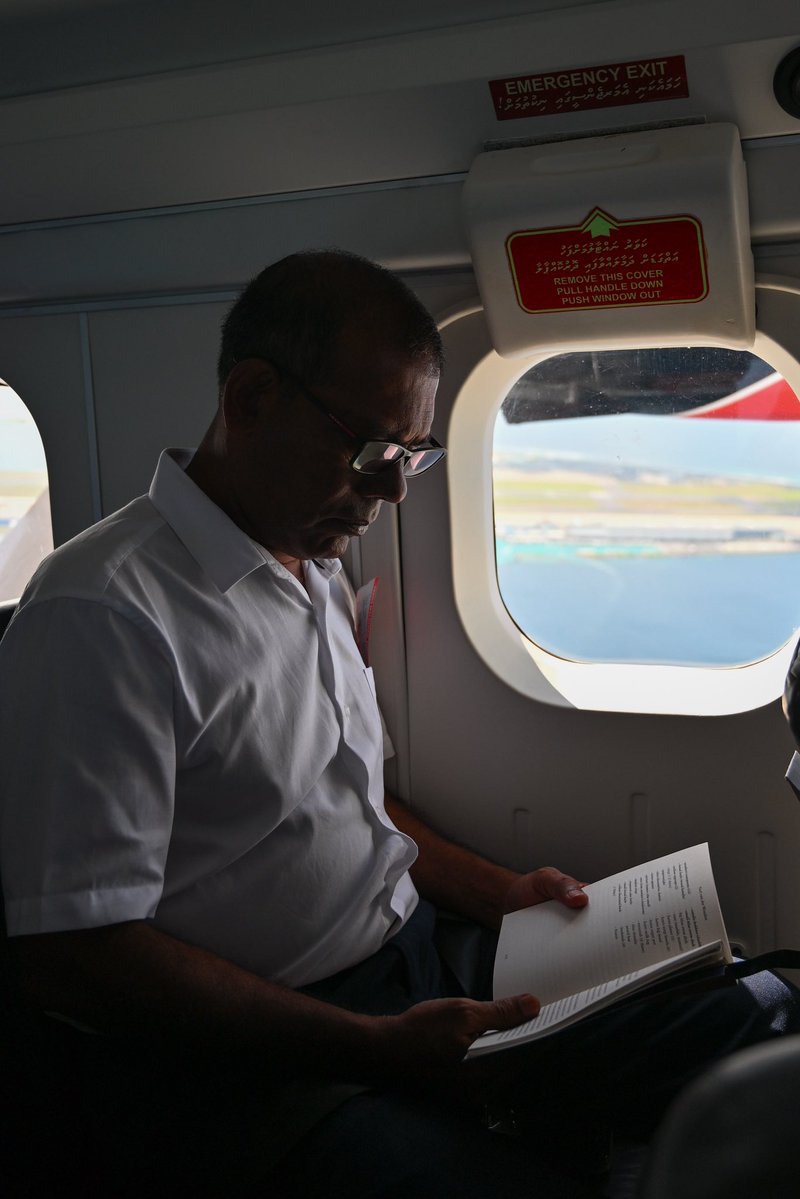
މީނާ އަންހެން ކުޅި ކުޅޭ ތަގަރި ވާހަކަ ފޮތެއް ފްލައިޓެއް މަތީ ކިޔާތީ އެކަމާއި ސޯޝަލް މީޑިޔާގައި މީހުން ފާޑުކީތާ ދެ ހަފްތާ އަދި ނުވޭ. މިއީ މިއަދު. ފްލައިޓް މަތީ އެހެރީ ހަމަ އެ ފޮތް ކިޔަން.
މިއީ ޤާނޫނީ ގޮތުން އޮރިޔާން ކާޑުގެ ތެރޭ ހިމެނޭ ވަރަށް އެއް ޖިންސުން ދެ އަންހެނަކު ހިންގާ ގުޅުންތައް ތަފްސީލް ކޮށްދީފައި އޮތް ފޮތެއް.
ފެންނަން އޮތް ޕޭޖަށް ޒޫމް ކޮށްލައްވާ. މަތީ ހެޑްލައިންގަ އެ އޮތީ ފޮތް ލިޔުނު މީހާގެ ނަން. Yael van der Wouden.
ރައްޔިތުންގެ އަޑެއް މީނާއަށް މުހިންމެއް ނުވޭ. އިސްލާމީ އަޚްލާގެއް މީނާ އަށް މުހިންމެއް ނުވޭ. ބަރަކާތްތެރި އަޟްޙާ ޢީދުގައި މިފަދަ ކަމެއް ކުރަން ފްލައިޓް މަތީ އިންނާނީ ހެއްދެވި އިލާހަށް ބިރުވެތި ކަމެއް ނެތް މީހެއް. މި ވަރު މުޑުދާރު މީހަކަށް ރައްޔިތަކަށް ކޮށްދެވޭނެ ކަމެއް ނޯންނާނެ.
BoduFan@BoduFan
ނަޝީދުގެ ފޭންސް: “މިއީ މުޅިން އެހެން ލެވެލްއެއްގެ މީހެއް” އާންމު ރައްޔިތު މީހާ: “ރާއްޖޭގެ ކުރީގެ ރައީސް، އަންހެނަކާއި އަންހެނަކު ލޯބިން ގުޅުން ހިންގާ ކާފަރު ވާހަކައެއް ކިޔަން ފްލައިޓްގައި މިއިނީ ކީއްވެ؟”
DV
ㄚ卂乙乇乇ᗪ retweetledi
ㄚ卂乙乇乇ᗪ retweetledi

ގައިދީންނަށް ގައިނތާހިރުވާނޭ ތަކެތި ނުލިބޭ. ސައިބޯންޏެއް ޝޭންޕޫއެއް ނެތް. ހުސް ފިހާރަގަނޑެއް. ތަކެތީގެ އަގު އޭހާ ބޮޑު.
އާއިލީ ބައްދަލުވުމަށް އައިސް މިތިބެން ޖެހެނީ ހާންތިވެފައި. ގެއިން ކާއެއްޗެއް ނޫނީ ބޭރުން ގަނަގެން ގެނެވޭނެ މަގުވެސް ބަންދުކޮށްލާފަ މިއޮތީ. ނުވަންޏާ ކީއްކުރަން؟
DV
ㄚ卂乙乇乇ᗪ retweetledi

ㄚ卂乙乇乇ᗪ retweetledi
1) Treaty of Hudaybiyyah was preceded by Muslims willing to fight the Kuffar for preventing them from Umrah, followed by a truce to allow them do Umrah the next year. Not to accept false beliefs and accept Israel as a nation while it continues to bomb Muslims. Ibn Kathir states in the tafsir of Ayah 190 from Surah Al-Baqarah,
“Allah's Messenger took the pledge from his Companions under the tree (in the area of Al-Hudaybiyyah) to fight (the polytheists), after the tribes of Quraysh and their allies, Thaqif and other groups, collaborated against the Muslims (to stop them from entering Makkah to visit the Sacred House).”
The peace treaty was a two-way treaty, so when the Quraysh broke it, the Prophet ﷺ fought back, unlike what happens today where people keep violating treaties and the rulers stay on their knees submissive.
2) The Sahabah رضي الله عنهم were against the treaty, but the Prophet ﷺ assured them that he got a command from Allah.
Ibn Hazm Rahimaullah said,
"“The Prophet (sallallāhu ‘alayhi wassallam) did not return any one from the Muslims to the Kuffār in that time period except that Allāh, the Exalted and Sublime informed him that they would not be put to trial in their Dīn or worldly life and that they shall be saved inevitably…”
Then he mentioned the Hadīth of Anas. Allāh the Exalted and Sublime said, describing His Prophet (sallallāhu ‘alayhi wassallam):
'He does not speak from his own desire. It is only revelation revealed to him.' [Surah An-Najm:3]
So we are certain that the information of the Prophet (sallallāhu ‘alayhi wassallam) (stating) that whoever came to him from among the Quraysh as a Muslim, then Allāh would make an opening and way for him, (we are certain that this) was revelation from Allāh that was correct without any discrepancy in it."
[al-Ihkām min Usūl al-Ahkām (5/26).]
And Ibn al-Arabī (rahimahullāh) said:
“As for his contract (stating that) he would return whoever embraced Islām to them, then that is not permissible for anyone after the Prophet (sallallāhu ‘alayhi wassallam) and it was only allowed for him because of what He (Allāh) knew in that of wisdom and (what) He decreed from benefit and made apparent after that of a good end and praiseworthy effect in Islām to the point that the Kuffār were pleased with dropping it and interceding in its provisions (removing it)."
[Ahkām al-Qur’ān (4/1789)]
Here is a playlist by one of the few scholars today who didn’t sell the deen to the rulers or the “Maslaha” gang, Shaykh Ahmad Musa Jibril, where he dissects the defeatist argument falsely claiming the Hudaybiyyah treaty for their cowardice.
youtube.com/playlist?list=…
English
ㄚ卂乙乇乇ᗪ retweetledi

Note that Shaykh Sulaymān, as well as Al-Uṣaymī and Shaykh Uthaymīn, adopt the view that supplications narrated as being "at the end of ṣalāt" are, by default, made after the final tashahhud and before the taslīm. As for those narrated as adhkār at the end of ṣalāt, they are recited after the taslīm. This was the view adopted by Shaykhul Islam. Insha Allah we will quote some of the words of Shaykh Uthaymīn and Al-ʿAlwān on this if time permits. The khilāf on this issue is valid as stated by ibn Ḥajar, the view adopted by some other shuyūkh like Al-Shaykh ʿAbdullah Al-Saʿd, ʿAbdul ʿAzīz al-Khuḍayr, Al-Ṭarīfī etc, is the opposite of what Shaykh Uthaymīn declared as rājiḥ.
~ Galandān 🖋
Català
ㄚ卂乙乇乇ᗪ retweetledi
Authentic Adhkār after Farḍ Prayers
— Sulaymān Al-ʿAlwān —
~ Galandān 🖋

Català
ㄚ卂乙乇乇ᗪ retweetledi
🩶 [SUPPLICATION IN ABSENCE]
[It is said] “A believer may attain through the supplication of his brother what he cannot achieve through his own supplication for himself.”
Ibn Taymiyyah (may Allāh have mercy on him) said:
"The supplication of one absent person for another absent person receives a greater response than the supplication of one who is present, because it is more complete in sincerity and furthest removed from shirk (here meaning hidden showing off or self-interest)."
Then, ponder the beauty of the angel's reply [to the one who suuplicates to his brother in his absence]:
"Āmīn, and to you the same." ⁽¹⁾
[The Day of ‘Arafah]
‘Arafah is an appointment that no believer carrying a deep need in their heart would ever miss—so how much more so when our hearts today hold countless, endless needs!
اللَّهُمَّ ارْوِ قَلْبِي بِكَلَامِكَ وَمَحَبَّتِكَ وَالتَّوَكُّلِ عَلَيْكَ وَطَلَبِ رِضَاكَ.
((O Allāh, quench the thirst of my heart with Your words, Your love, reliance upon You, and the seeking of Your pleasure.))
نَسْأَلُ اللَّهَ أَنْ يَرْزُقَنَا التَّوْحِيدَ الْخَالِصَ، وَأَنْ يُمِيتَنَا عَلَيْهِ، وَأَنْ يَمُنَّ عَلَيْنَا بِصُحْبَةِ نَبِيِّنَا فِي الْفِرْدَوْسِ الْأَعْلَىٰ، وَأَنْ يَرْزُقَنَا اللَّهُ عَافِيَةَ الدُّنْيَا وَالْآخِرَةِ.
((We ask Allāh to grant us pure monotheism (tawḥīd), to cause us to die upon it, to bless us with the companionship of our Prophet in the Highest Paradise (al-Firdaws al-A‘lā), and to grant us well-being (‘āfiyah) in this world and the Hereafter.))
اللَّهُمَّ ارْحَمْنَا بِرَحْمَتِكَ الْوَاسِعَةِ، وَارْحَمْ مَنْ قَرَأْنَا عَلَيْهِ وَقَرَأَ عَلَيْنَا، وَمَنْ تَعَلَّمْنَا مِنْهُ وَتَعَلَّمَ مِنَّا، وَاجْعَلْ بَعْضَنَا عَلَىٰ بَعْضٍ بَرَكَةً وَرَحْمَةً يَا أَرْحَمَ الرَّاحِمِينَ.
((O Allāh, have mercy on us with Your vast mercy; have mercy on those whom we read to and those who read to us, those from whom we learned and those who learned from us. Make us a source of blessing and mercy for one another, O Most Merciful of those who show mercy.))
— Al-Shaykh Al-Muḥaddith Māhir Al-Faḥl
~ Galandān 🖋
---------------------------
[1] Ḥadīth: On the authority of Abū al-Zubayr, from Ṣafwān (who is Ibn ‘Abdillāh ibn Ṣafwān, and he was married to al-Dardā’), who said:
I traveled to Shām (the Levant) and went to visit Abū al-Dardā’ at his home, but I did not find him there. Instead, I found Umm al-Dardā’, who asked me, "Do you intend to perform Ḥajj this year?" I replied, "Yes." She said, "Then supplicate to Allāh for good on our behalf, for the Prophet (peace and blessings of Allāh be upon him) used to say:
'The supplication of a Muslim man for his brother in his absence is answered. At his head there is an angel appointed; whenever he supplicates for his brother with good, the angel appointed to him says: "Āmīn, and to you the same."'"
Ṣafwān continued:
I then went out to the market and met Abū al-Dardā’, and he related to me a similar statement, narrating it directly from the Prophet (peace and blessings of Allāh be upon
him). [Ṣaḥīḥ Muslim 2733]
English
ㄚ卂乙乇乇ᗪ retweetledi
I honestly thought that these were automated processes now. Gov offices upload the amount to the bank & rest is done automatically. How hard is that? How many more digital summits to reach that level of automation?
Arushad Ahmed@dash8x
mihaaru.com/news/157719 At @javaabumv, we had given our salaries on the last working day before the Eid holidays started.
English
ㄚ卂乙乇乇ᗪ retweetledi

#كل_عام_وأنتم_بخير ...
إِظْهَار السرُور فِي الأعياد من شَعَائِر الدّين…
(ذَٰلِكَ وَمَن يُعَظِّمْ شَعَائِرَ اللَّهِ فَإِنَّهَا مِن تَقْوَى الْقُلُوبِ)
#عيدكم_مبارك …
تقبّل الله منّا ومنكم…
أدامَ عليكم المسرَّات...
وأسعدَ بالخيرات قلوبَكم...
وغفرَ الله ذنوبَكم...
ووفَّقكم لأحسن الأعمال…
وحقَّق لكم صالحَ الآمال...
كما نسأله أن يعيد هذا العيد علينا وعليكم وعلى الأمة جَمعَاء بالخير واليُمن والسعادة، والعِزِّ والنصر والتمكين للإسلام والمُسلمين…
العربية
ㄚ卂乙乇乇ᗪ retweetledi
🖊 ޚުލާޞާ: މަޛުހަބުތަކާއި ފަހުގެ މުޙައްދިޘުންގެ ތެރޭގައި ޢީދު ނަމާދުގެ ޙުކުމާއި އޭގެ މައްޗަށް ހުރި ރައުޔުތައް
🔗 mono.glndn.com/6a167b007a02db…
~ ގަލަންދާނު 🖋
DV