The Shadow Book of Ji Yun (紀昀/紀曉嵐): The Chinese Classic of Weird True Tales, Horror Stories, and Occult Knowledge bit.ly/shadowbookjiyun and Zhiguai (志怪) are both out now. Check them out if you're into horror, the paranormal, translated literature, or flash nonfiction.
"The fact that religions through the ages have spoken in images, parables, and paradoxes means simply that there are no other ways of grasping the reality to which they refer. But that does not mean that it is not a genuine reality. And splitting this reality into an objective and a subjective side won’t get us very far."
This is excellent: themarginalian.org/2018/02/01/nie…
In a world in which everything feels like a copy of a copy, where can we find creativity? | bit.ly/4fy7MOU
Here, philosopher Victoria Trumbull argues that consciousness holds the key, providing the space for the possible to become real.
“Does a ginkgo tree have an inner world? In the film Silent Friend, the protagonist, a neurologist who studies brain activity in infants, attempts to quantify the internal signaling of a ginkgo tree on a university campus.”
scientificamerican.com/article/can-pl…
Plato wanted to ban poetry because of its distance from truth, and philosophers have distrusted it ever since. | iai.tv/articles/poetr…
But Magdalena Ostas argues that poetry's embrace of ambiguity is a way of capturing reality's inexhaustibility that literal language simply can't.
Drawing on Emily Dickinson's exploration of the self, Ostas makes the case that poetry isn't the opposite of philosophy but one of its most powerful forms.
Contract signed! My Nebula, Hugo, and Rhysling Finalist poem "The Mourning Robot" (@UncannyMagazine) will be translated into Chinese and published at Science Fiction World!
This has been a top writer bucket list items for a long, long time. Can’t wait to show my parents 😭
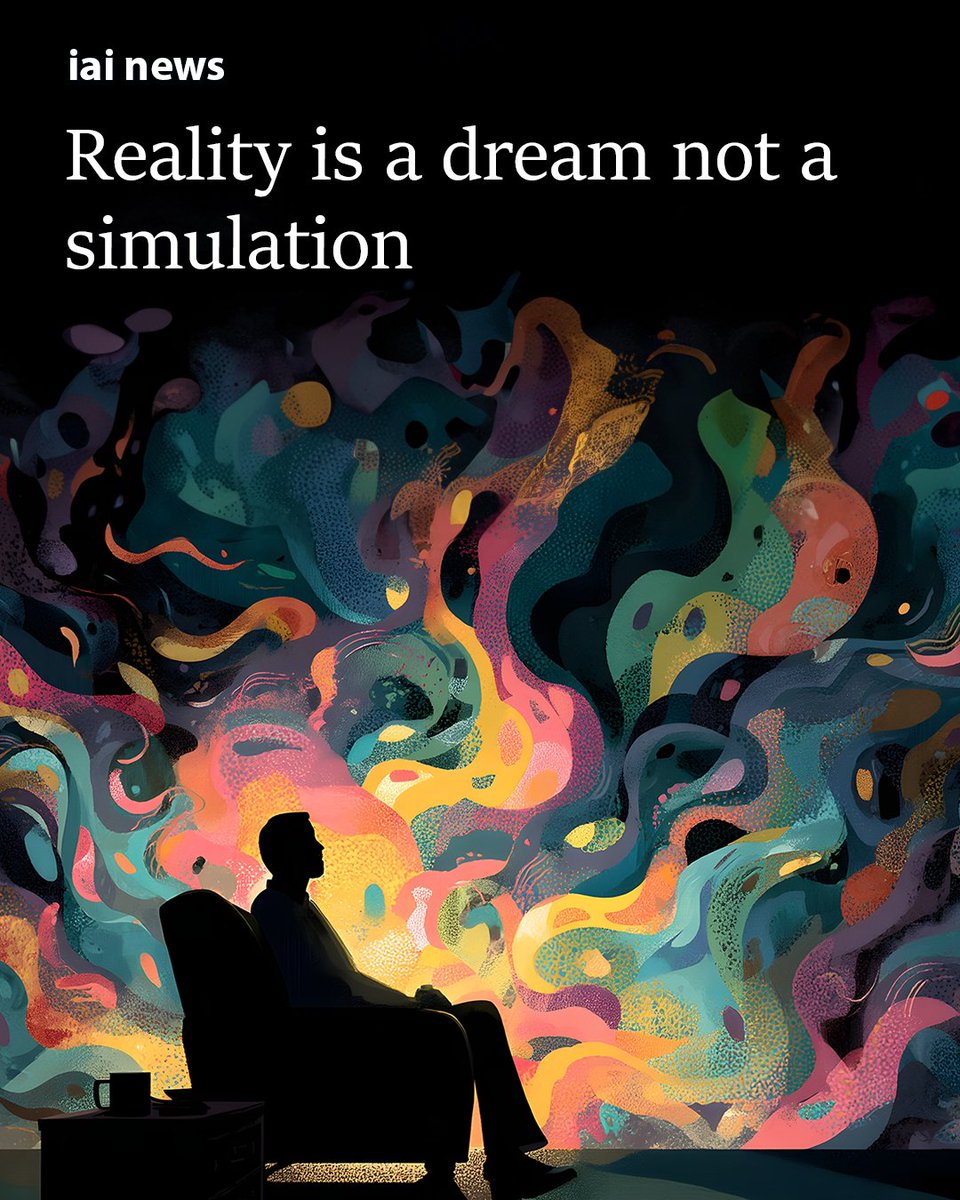
Most physicists are materialists: they believe the world, at its most fundamental level, is made of physical particles. | iai.tv/articles/reali…
Others have pushed further, arguing that reality is a simulation, or nothing more than a hallucination conjured by the brain.
But Andrew T. Jaffe thinks all of them are wrong, and proposes a radical alternative: a consciousness-first theory of reality, in which space and time don't form the bedrock of existence but they emerge within it, like the architecture of a dream.
Most physicists are materialists; others have argued reality is a simulation or a hallucination of the brain. | bit.ly/4ePhk7T
Andrew T. Jaffe challenges all of these views, proposing an alternative consciousness-first theory where space and time arise as within a dream.
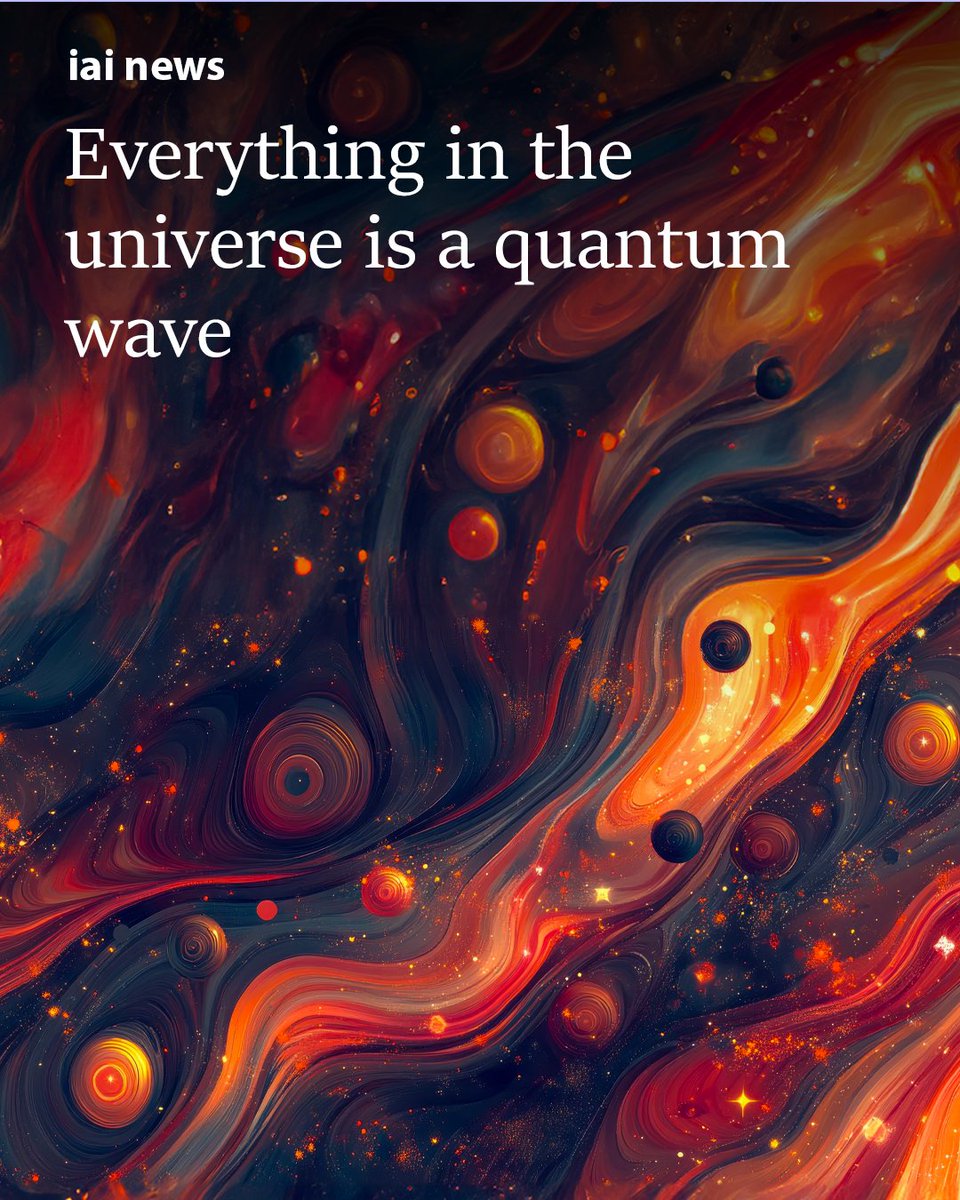
What if the divide between the quantum world and the classical world is an illusion? | iai.tv/articles/every…
Oxford Professor Vlatko Vedral offers a radical new interpretation of quantum mechanics, arguing that everything in the universe is a quantum wave.
This bold theory dissolves the measurement problem, the observer problem, and the puzzle of quantum entanglement (spooky action at a distance) in one sweep.
The classical world, it turns out, was never really there.
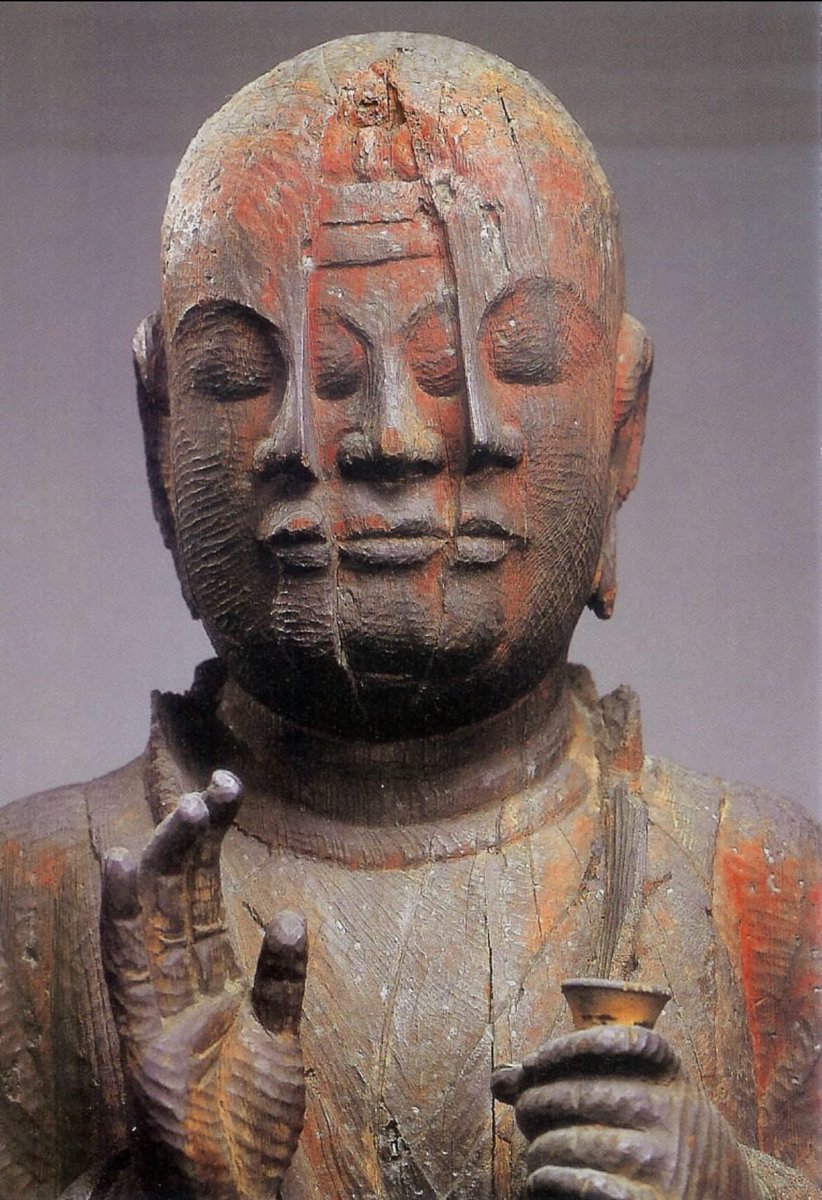
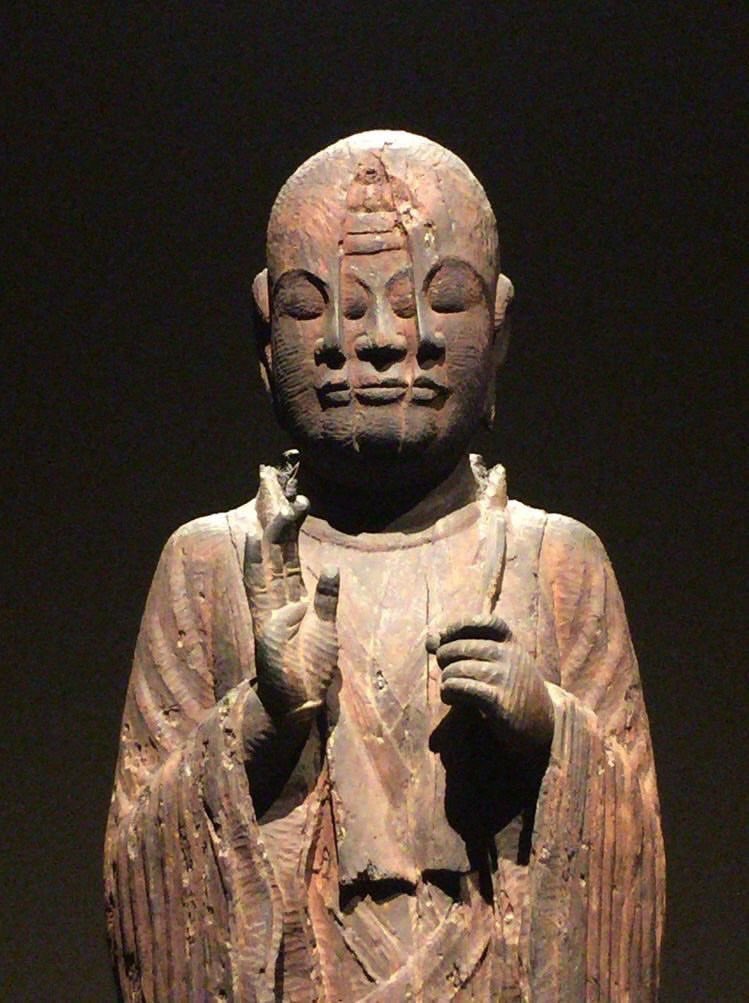
Easily in the top 5 Buddhist artefacts of all time.
11th century wooden statue depicting the priest Baozhi transforming into the Eleven-Headed Avalokitesvara as he reaches nirvana.
Created during Japan’s Heian Period.
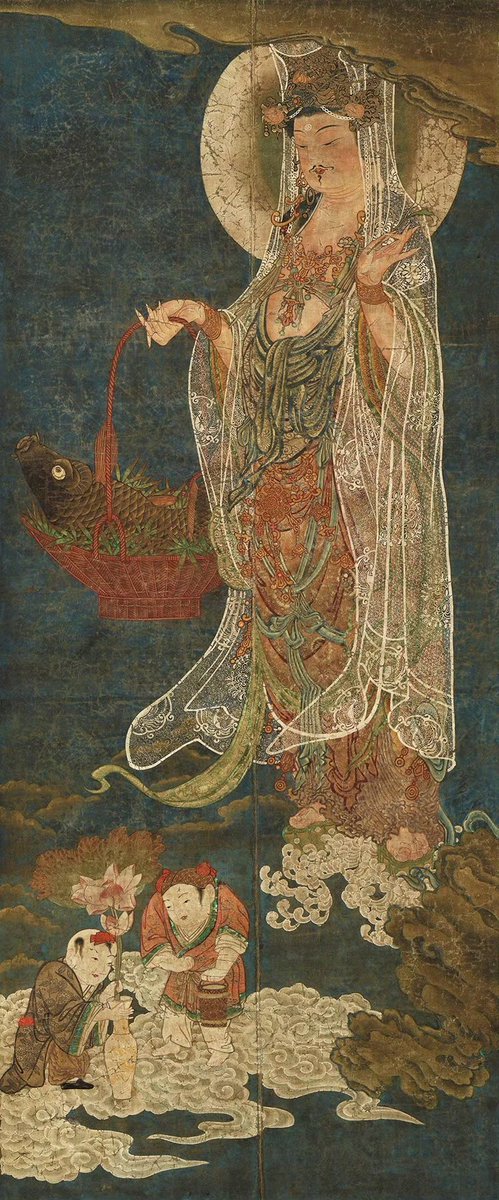
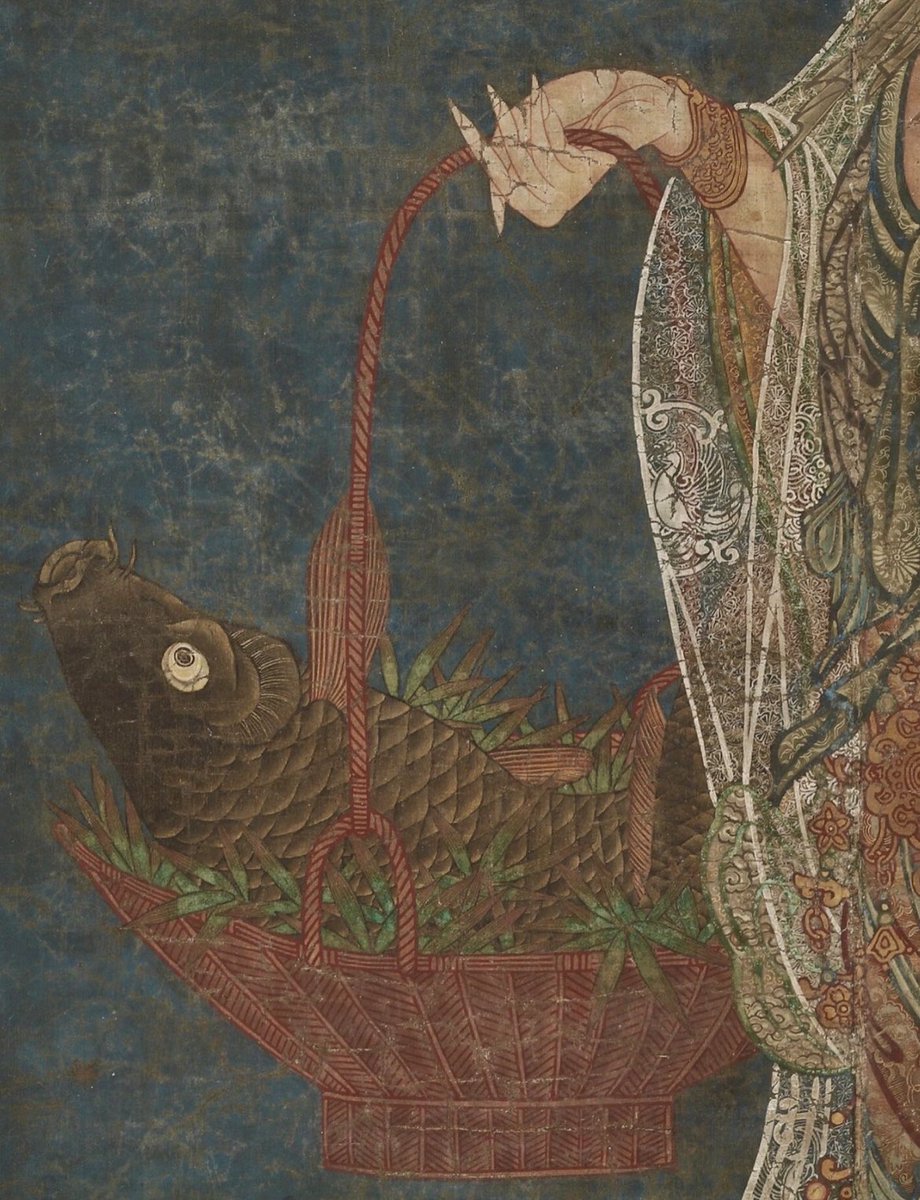
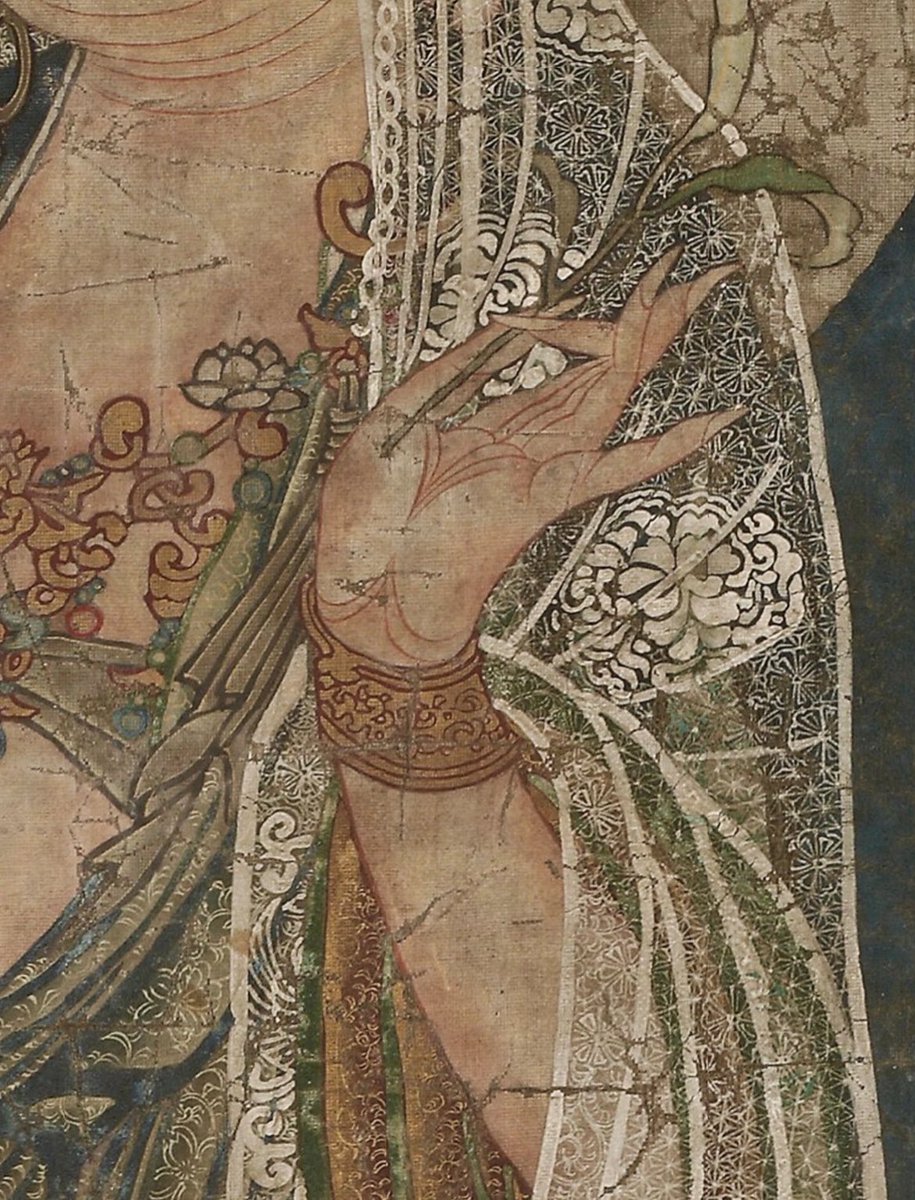
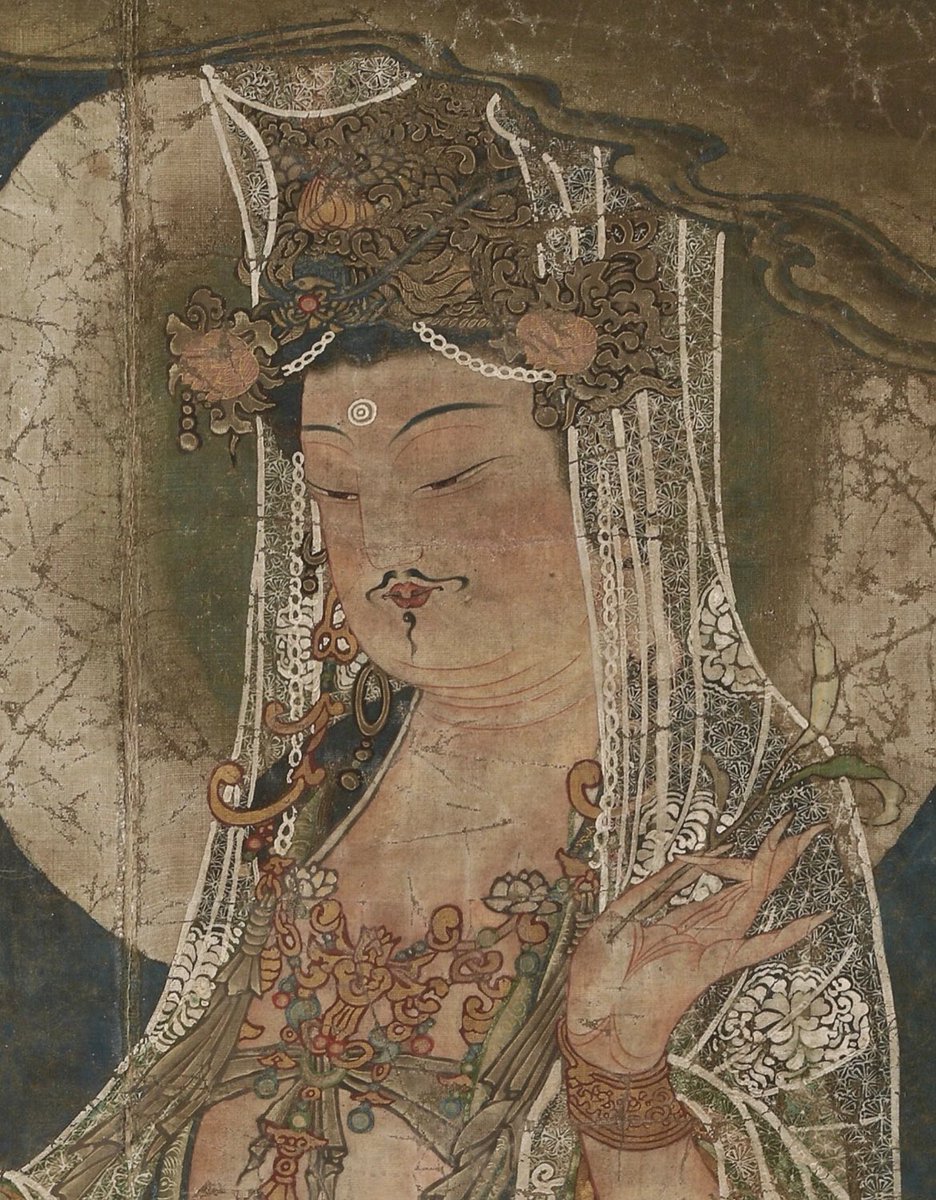
the Qing-dynasty copy of Yuan-dynasty painting of the Fish Basket Guanyin鱼篮观音.She also known as Malangfu马郎妇Guanyin, she is one of the Thirty-Three Forms of Guanyin, depicted as a folk maiden holding a bamboo basket filled with fish.
清人临摹元人鱼篮观音画轴。鱼篮观音又称马郎妇观音,是三十三观音相之一,化现为手提鱼篮的民间少妇形象。
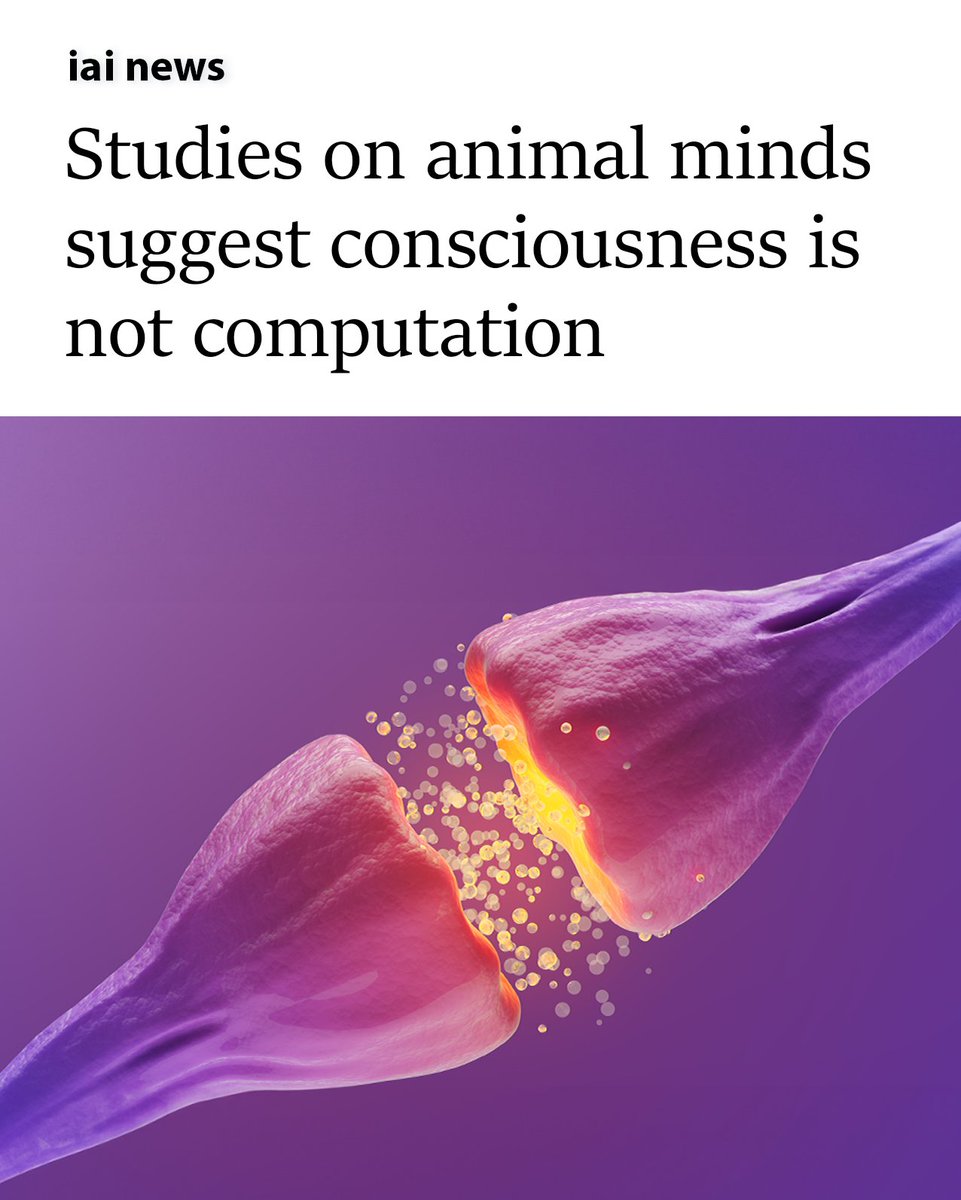
We’re often beguiled by the idea that the mind is a computer, and that consciousness is just a matter of running the right code. | iai.tv/articles/studi…
But Peter Godfrey-Smith uses recent research into animal minds to argue that only living brains can truly be conscious.
"Words are events, they do things, change things. They transform both speaker and hearer; they feed energy back and forth and amplify it. They feed understanding or emotion back and forth and amplify it."
A Le Guin classic: themarginalian.org/2026/03/25/tel…
The Map of Subduing the Demoness of Tibet(The Reclining Demoness of the Snowy Plateau)tangka
西藏镇魔图(雪域魔女仰卧图)民国时代
In the illustration, the entire Tibetan Plateau is depicted as a supine rakshasa demoness, symbolizing the “malicious energy” and unstable forces of the Tibetan land in its early period. Legend has it that after Princess Wencheng entered Tibet, she observed the terrain using geomancy techniques from the Central Plains and determined that the Tibetan landscape resembled a demoness lying on her back. Buddhist temples would therefore need to serve as “nails” driven into her vital points to subdue her and ensure the peace and stability of Tibet.
At Lhasa’s Wotang Lake (the present site of Jokhang Temple), Princess Bhrikuti used goats to carry earth and fill the lake, then built Jokhang Temple to pin down the demoness’s heart meridian. The Red Hill where the Potala Palace now stands represents the demoness’s heart bone; the royal palace and temple together suppress this central vital point.
To completely subdue the demoness, the Tibetan Empire constructed twelve demon-suppressing temples at the key locations of her four limbs’ joints, the centers of her palms and soles, and other vital points—much like acupuncture needles inserted into acupoints—rendering the demoness utterly immobile.