
Yanick Labrie

3.2K posts

Yanick Labrie banner
Yanick Labrie

Yanick Labrie

@Ylabrie

Économiste | Senior fellow, Fraser Institute | Affiliated scholar, Canadian Health Policy Institute

Montréal, Québec Katılım Ağustos 2009
1.1K Takip Edilen836 Takipçiler
Yanick Labrie retweetledi
Ricardo Hausmann
Ricardo Hausmann@ricardo_hausman·
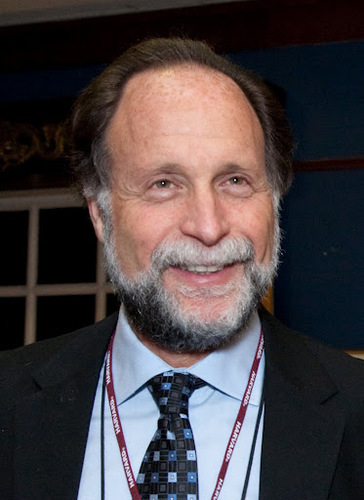
My column on Venezuela in @TheEconomist “Prosperity does not come from oil, decrees or even benevolent rulers. It comes from rights. Rights create private property. Rights create security. Rights create debate. Rights allow people to invest, to innovate, to dream—and to transform reality. Take rights away, and society withers. Restore them, and recovery is possible.” economist.com/by-invitation/…
English

2
1.8K
4.9K
649.5K
Yanick Labrie retweetledi
Peter Boettke
Peter Boettke@PeterBoettke·
Back in 2009 in The Economist, DeLong and Zingales debates the merits of Keynesianism. Zingales at the time had this to say: “Keynesianism has conquered the hearts and minds of politicians and ordinary people alike because it provides a theoretical justification for irresponsible behavior. Medical science has established that one or two glasses of wine per day are good for your long-term health, but no doctor would recommend a recovering alcoholic to follow this prescription. Unfortunately, Keynesian economists do exactly this. They tell politicians, who are addicted to spending our money, that government expenditures are good. And they tell consumers, who are affected by severe spending problems, that consuming is good, while saving is bad. In medicine, such behaviour would get you expelled from the medical profession; in economics, it gives you a job in Washington.”
English
24
106
463
29.2K
Yanick Labrie retweetledi
Christian Rioux
Christian Rioux@ChristianRioux7·
Le Devoir et la censure Ma dernière chronique… qui ne sera pas publiée dans Le Devoir Christian Rioux Cela se passait au coin d’Ontario et de Viau à deux pas du terrain vague d’une zone industrielle où poussaient des herbes folles. Il habitait à deux pas avec sa mère au troisième étage d’un immeuble où l’on gelait l’hiver. Pour des raisons qui seraient longues à expliquer, il passa cette année-là loin de l’école à errer dans ce quartier ouvrier où les enfants se chamaillaient dans les ruelles et parlaient une langue noble et savoureuse. C’est là que, sortant de ses rêveries, il se rappela que Le Devoir était le journal de son grand-père. Il se rendit donc au coin d’Ontario et Viau déposer son petit dix cents dans la fente d’une boîte à journaux ouverte aux quatre vents, à la pluie comme aux rafales de poudrerie. C’est ce qu’il fit quotidiennement durant toute cette année où le journal remplaça ses manuels scolaires. Le livre du peuple, dit-on. Par pudeur peut-être, j’ai rarement cédé à cette facilité qui consiste chez tant de chroniqueurs à se vautrer dans les anecdotes personnelles et à étaler sa vie de long en large. J’espère qu’on me pardonnera cet écart pour cette dernière chronique qui ne paraîtra pas dans Le Devoir puisque celui-ci, après 30 ans de loyaux services, ne veut plus de votre humble serviteur. J’avais treize ans à peine et l’on comprendra la fierté qui fut la mienne lorsque des années plus tard je devins le premier correspondant à Paris de ce journal qui occupait jusqu’à tout récemment une place à nulle autre semblable au Québec. À cette époque, Le Devoir était encore ce quotidien de référence qui dans la tradition des Laurendeau, Ryan et Bissonnette parlait au pouvoir. Il lui parlait de notre survie comme peuple, de notre langue, de notre avenir économique et même de souveraineté. Il suffit de ces quelques mots pour mesurer le fossé qui s’est creusé depuis peu entre ce journal et celui qui défile aujourd’hui sur votre écran. Lentement sans qu’on s’en aperçoive, il s’est enfermé dans une bien-pensance idéologique qui le fait parfois ressembler au journal étudiant du CÉGEP où j’ai commencé à écrire. Lentement, imperceptiblement, une sorte de carcan idéologique et d’entre-soi s’est imposé. Plus grave encore, il n’est plus ce lieu où devraient s’affronter les idées qui feront le Québec de demain. Il ne s’agit pas de dénigrer le professionnalisme de ses chroniqueurs et journalistes. Force est pourtant de constater que, malgré ces talents, lentement s’est installée une forme de conformisme et même de censure qui cherche insidieusement à susciter l’autocensure. Une censure où celui qui ose sortir du rang doit dorénavant se battre pied à pied pour défendre chaque mot, chaque figure de style, chaque phrase de ses articles face à une direction qui a cédé au diktat des minorités et au qu’en-dira-t-on des réseaux sociaux. Surtout ne pas faire de bruit, ne pas susciter de controverse. Le Devoir est devenu un journal où contrairement à ce que clame sa publicité, la liberté de penser se porte mal. Il m’arrive parfois de relire certains de mes articles écrits il y a dix ans à peine et de conclure qu’ils ne passeraient plus l’épreuve des censeurs. Mon tort aura été de penser le contraire. Je ne suis pas le seul chroniqueur à avoir fait les frais de cette nouvelle censure. Depuis un an, d’autres n’ont eu d’autre choix que de claquer la porte. Et ils risquent de ne pas être les derniers. Au moment de rendre mon tablier, mes remerciements les plus sincères vont à notre chère Lise Bissonnette sans qui rien n’aurait été possible, aux regrettés Bernard Descôteaux et Jean-Robert Sansfaçon, à mes rédacteurs en chef Josée Boileau, Michel Venne et Claude Beauregard, à l’ex-directrice du cahier Livres, Marie-Andrée Lamontagne, ainsi qu’à tous les autres pour qui la liberté de penser n’est pas un vain mot. À ces lecteurs fidèles qui, même s’ils sont parfois en désaccord avec mes prises de position un peu rudes, croient que la vérité ne peut surgir que d’un débat franc et honnête : nous nous retrouverons. Nul doute que ce journal reprendra ses esprits, renouera avec sa mission historique et retrouvera son âme. Je ne crois pas trahir mon grand-père en disant que le Québec en a cruellement besoin. Paris, 18 décembre 2025
Français
146
342
1.1K
146.5K
Yanick Labrie
Yanick Labrie@Ylabrie·
Avec Vincent Paris, je cosigne ce matin dans Le Devoir un texte en réplique à un appel à un « combat civilisationnel » contre l’IA. La peur et la logique de contrôle inhérentes à cet appel à la résistance sont plus inquiétantes que la technologie elle-même ledevoir.com/opinion/idees/…
Français
0
0
0
27
Yanick Labrie retweetledi
Northwestern
Northwestern@NorthwesternU·
What it's all about. 💜🥹 Prof. Joel Mokyr, winner of the @NobelPrize in Economic Sciences, shares a lovely message from a former student.
English
19
491
2.1K
329.4K
Yanick Labrie retweetledi
Johan Norberg
Johan Norberg@johanknorberg·
Hurrah! Joel Mokyr has been awarded the Nobel Prize in Economics. One of the greatest economic historians of our time. If you haven’t read him yet, start with The Lever of Riches, The Gifts of Athena, A Culture of Growth, and An Enlightened Economy.
Johan Norberg tweet media
English
12
131
737
45.2K
Yanick Labrie
Yanick Labrie@Ylabrie·
@Guillaume_Lamy @CJPS_RCSP @FRQSC Dire que le Palmarès « a augmenté les inégalités », c’est confondre corrélation et causalité. Les fractures scolaires existaient déjà et relèvent de nombreux facteurs. Réduire un phénomène complexe à un classement, c’est trompeur.
Français
0
0
0
14
Guillaume Lamy
Guillaume Lamy@Guillaume_Lamy·
Mon étude sur les effets des Palmarès sur la ségrégation scolaire dans le marché des écoles de Montréal et de Laval est bien rapportée par journaliste Mélanie Marquis ce matin dans La Presse. @CJPS_RCSP @FRQSC lapresse.ca/actualites/edu…
Français
1
0
0
62
Yanick Labrie retweetledi
Phil Magness
Phil Magness@PhilWMagness·
Imagine you are a scientist who studies how to put rockets in orbit. You've been working on this subject your entire adult life. You have an exemplary record of scholarship, and your calculations have been used to successfully launch astronauts into space, correct the orbit of satellites, and numerous other scientific achievements. Now imagine that NASA gets a new boss who's really into horoscope readings. He issues a directive that says all scientists are required to consult horoscopes when selecting the location, date, and timing of rocket launches from now on. Upon reviewing this new horoscope methodology, you discover that following it will practically guarantee that a planned rocket launch will end in a catastrophic crash on a highly populated area. So you raise the alarm, drawing on your expertise, and run a model that accurately predicts how and why the upcoming horoscope-based launch will end in disaster. To your surprise, the new NASA boss not only says full speed ahead on horoscope launches. He also responds to you and all other rocket scientists who raised similar warnings by claiming that the rocket science profession is part of a global conspiracy to suppress the lost "truth" of horoscope-based rocket launches. He then declares that recent natural disasters such as deadly floods, hurricanes, and tornados were really caused by the rocket science profession, because it failed to account for horoscopes when choosing its rocket launch sites and timing. He even accuses you of having blood on your hands for those disasters, and says you ignored horoscopes, thereby causing the natural disasters, because doing so allowed you to line your own pockets. The NASA chief then whips out a new self-published book by some astrologer named Floren Blass that claims the entire rocket science profession has been wrong since the inception of space flight, and that following his own proprietary horoscope methodology will prevent all future natural disasters. Blass has no scientific qualifications, but he has just given himself the title of "Chief Rocket Scientist" at the Institute for Novel Space Exploration, which he also founded and runs. You respond by pointing out that this guy is obviously unqualified, and his theories are obviously crazy...but then the president declares he also agrees with the new NASA administrator. This causes the president's supporters to bombard you with scorn, obscenity, and even more deranged conspiracy theories. You're told that your expertise doesn't matter, and that you have no way of knowing the horoscope-based rocket launch will crash. Nor can you even raise that concern, because the president "knows what he is doing," has a "grand strategy that you just don't understand," and is the "greatest rocket launcher of all time." When you show evidence from dozens of past rocket launches that indicate this scheme will end in disaster, you're told that "we just have to try something different" because hurricanes are bad, and the horoscope guy says they're linked to rocket launches. And when another rocket scientist friend of yours who works at NASA files a report showing similar data that indicates a catastrophic crash is coming, the president intervenes and fires him. Because that's what it's like to be a trade economist in our present political climate.
English
137
153
853
86.6K
Yanick Labrie retweetledi
The Fraser Institute
The Fraser Institute@FraserInstitute·
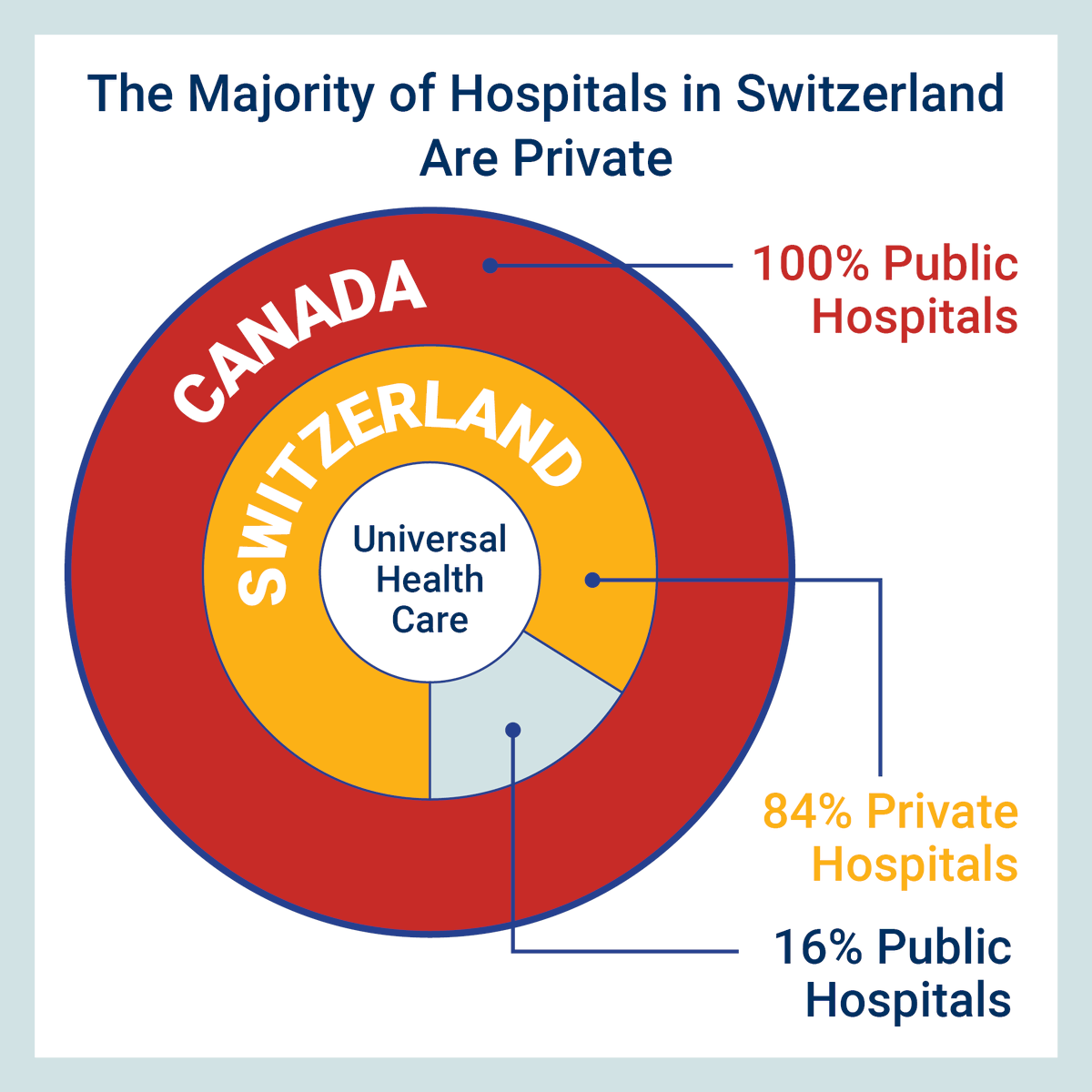
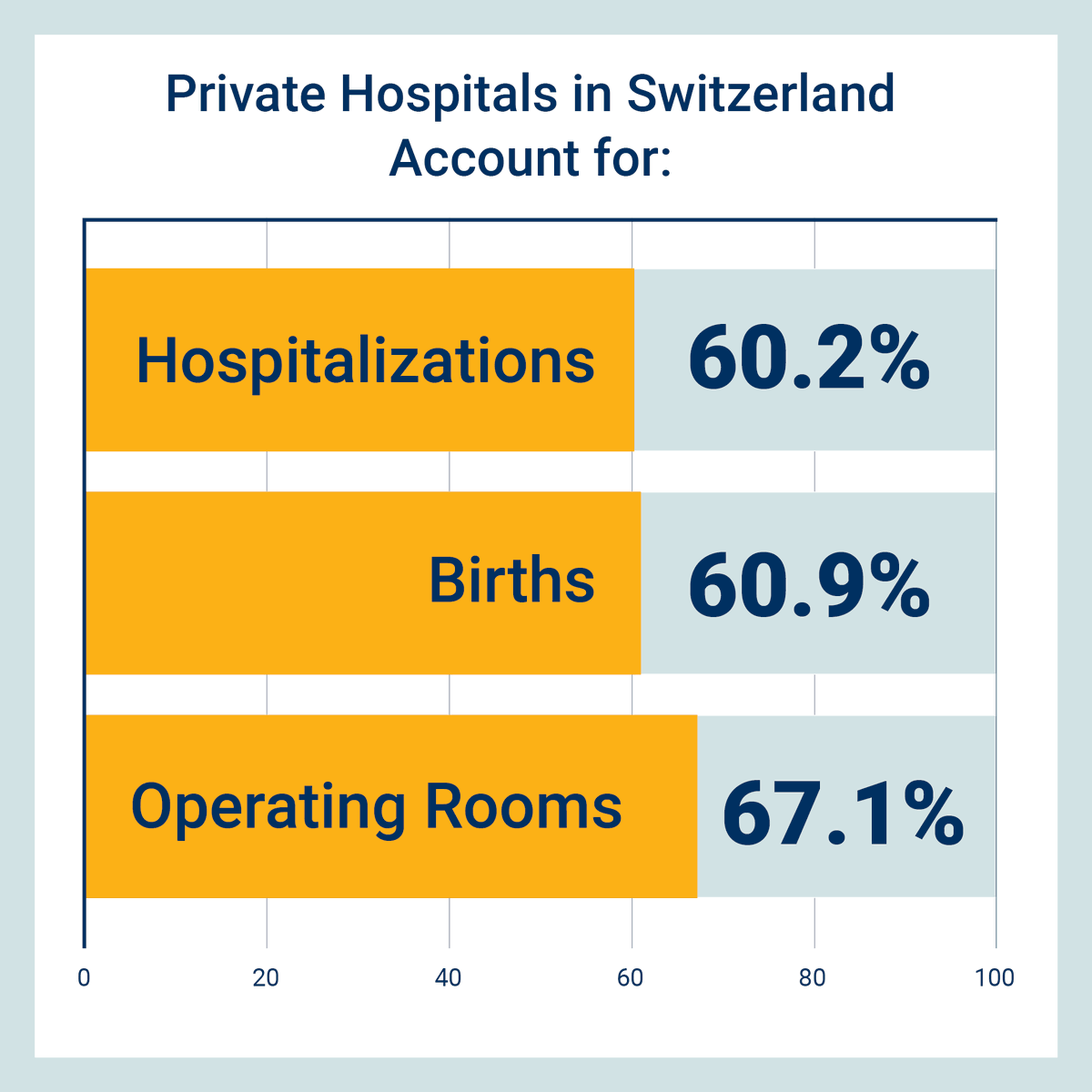
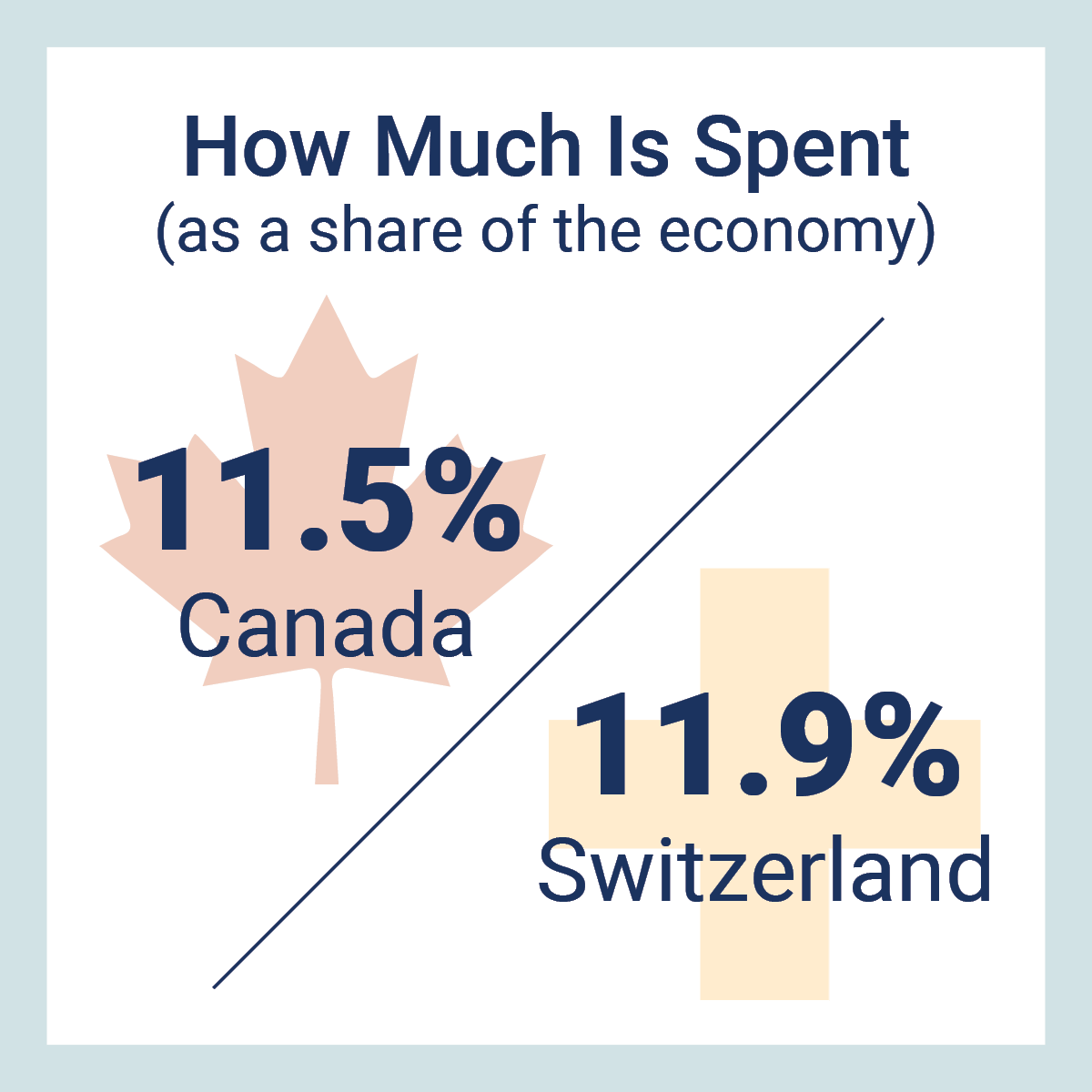
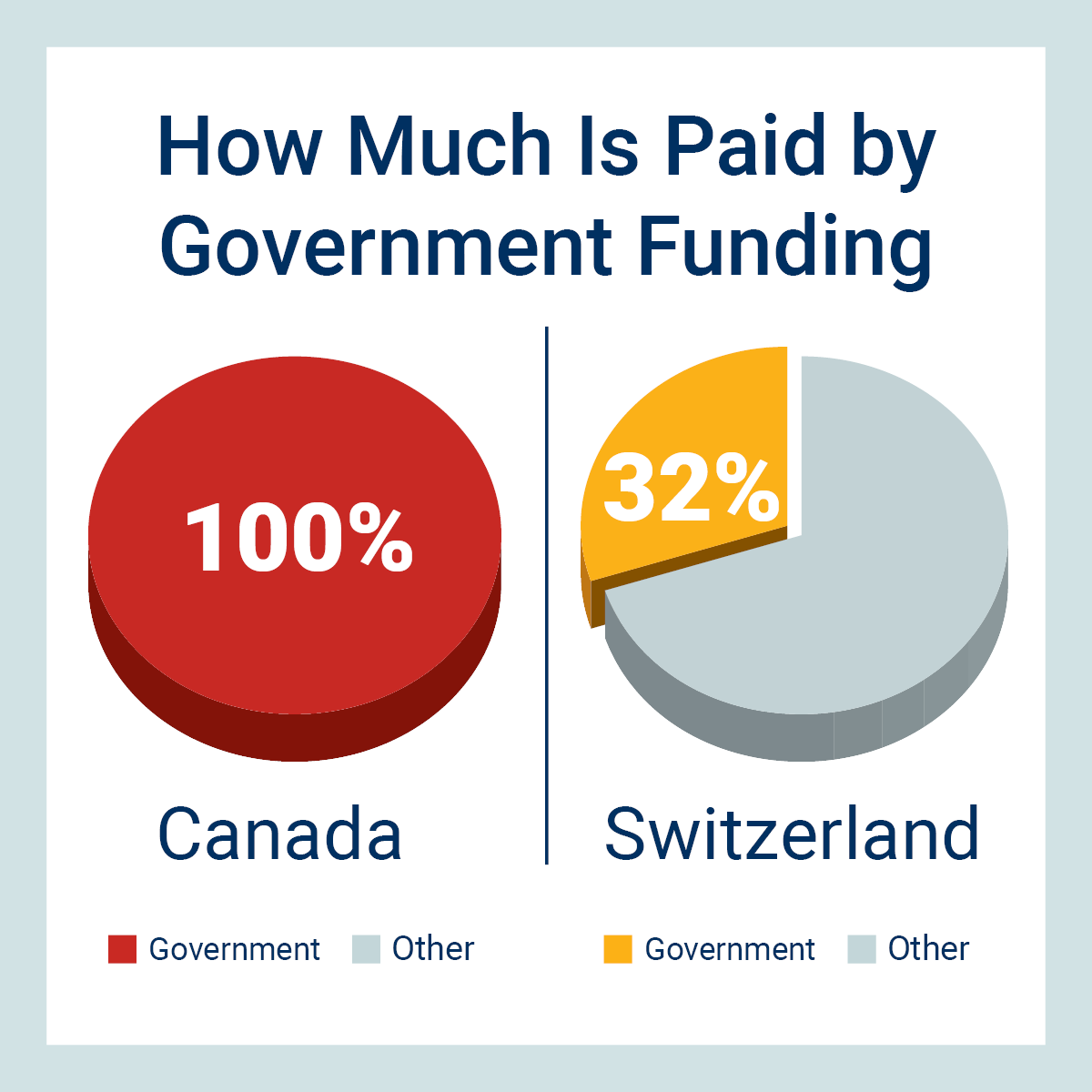
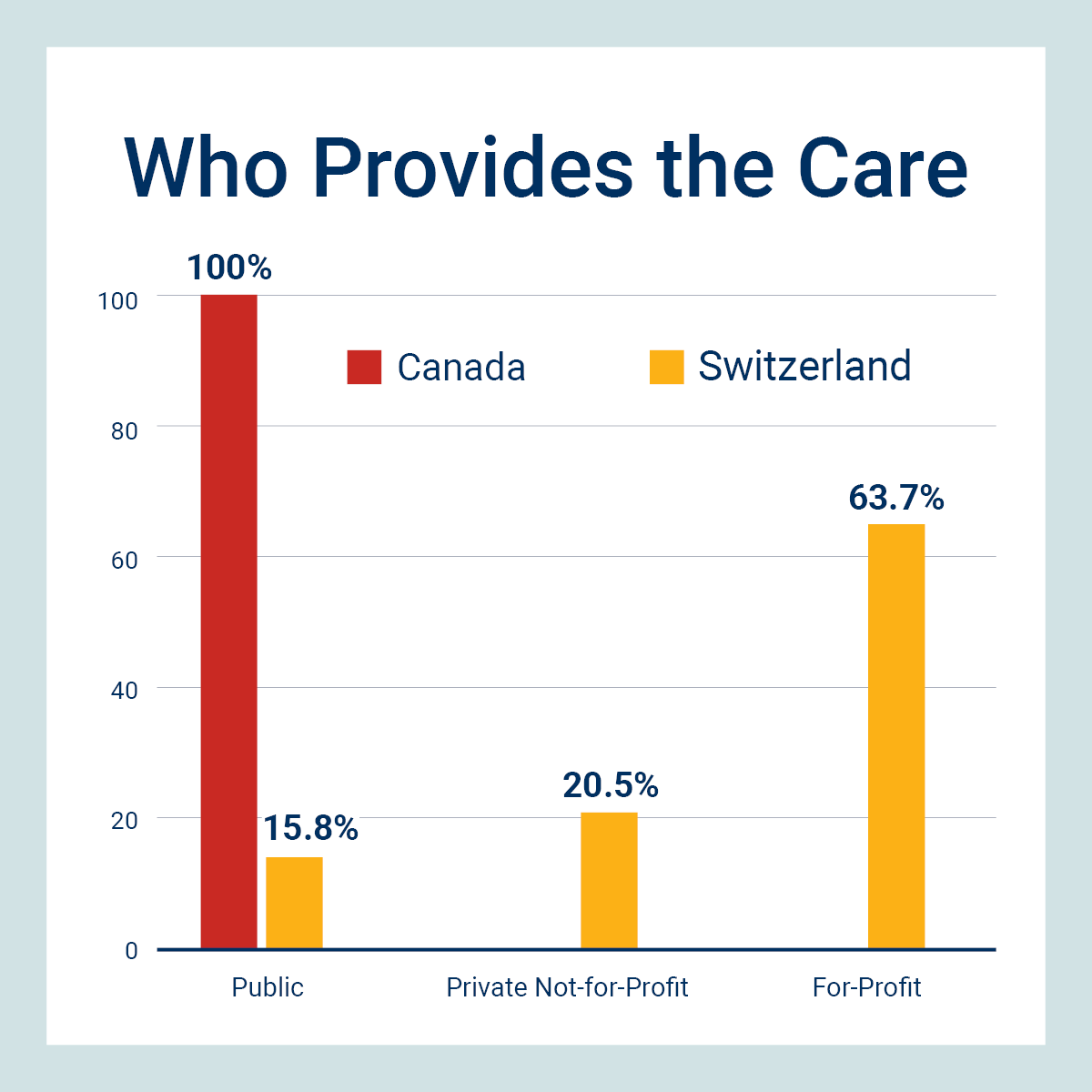
If Canada reformed to emulate Switzerland’s approach to universal health care, including its much greater use of private sector involvement, the country would deliver far better results to patients – and reduce wait times. Learn more: fraserinstitute.org/studies/integr… #healthcare #cdnpoli
The Fraser Institute tweet mediaThe Fraser Institute tweet mediaThe Fraser Institute tweet mediaThe Fraser Institute tweet media
English
6
9
12
761
Yanick Labrie retweetledi
Douglas Irwin
Douglas Irwin@D_A_Irwin·
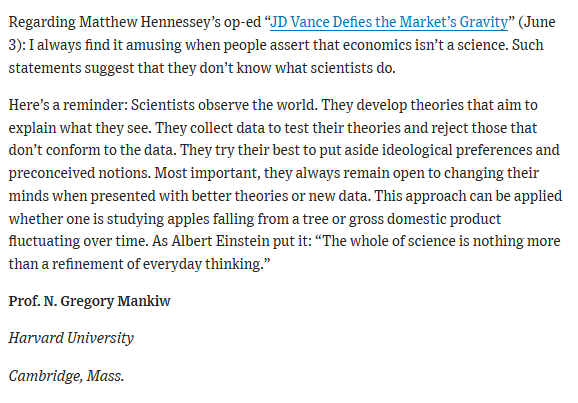
Greg Mankiw on whether economics is a science (WSJ)
Douglas Irwin tweet media
English
31
159
757
257.1K
Yanick Labrie retweetledi
The Fraser Institute
The Fraser Institute@FraserInstitute·
Switzerland’s universal health-care system delivers better results than Canada’s in terms of wait times, access to health professionals like doctors and nurses, and patient satisfaction. Learn more: fraserinstitute.org/studies/buildi…
The Fraser Institute tweet mediaThe Fraser Institute tweet mediaThe Fraser Institute tweet mediaThe Fraser Institute tweet media
English
2
16
26
1.7K
Yanick Labrie retweetledi
Alex Tabarrok
Alex Tabarrok@ATabarrok·
Just boggles my mind that the US *Trade* Representative is actively trying to reduce trade and make the US a poorer and more miserable place.
United States Trade Representative@USTradeRep

Reviving apparel production in America is not a pipe dream. It was not that long ago we were manufacturing 56% of U.S. apparel in America. “Made in America” is an economic and national security priority of this administration. @POTUS’ trade actions are ushering in a reshoring renaissance as companies pledge billions of dollars to expand U.S. manufacturing.

English
42
121
916
101K
Yanick Labrie retweetledi
Vincent Geloso
Vincent Geloso@VincentGeloso·
Tje🧵There it is! The paper that disentangles Cuba's socialist revolution from Soviet Aid and the US trade embargo. TLDR: The embargo explains nothing, Soviet aid ... aided (duh), and the Revolution takes the lion's share.
Vincent Geloso tweet media
English
9
99
328
114.5K
Yanick Labrie retweetledi
Douglas Irwin
Douglas Irwin@D_A_Irwin·
We sometimes say trade & trade policy "redistributes" income across groups. Given the bloodbath in the markets, higher tariffs are "destroying" a lot of capital wealth without any evident redistribution to labor
Jason Furman@jasonfurman

The tariffs could end up reducing inequality by hurting the rich even more than the poor. This should tell you something about the limits of thinking about trade liberalization through the prism of inequality.

English
10
47
191
47.3K
Yanick Labrie retweetledi
Vincent Geloso
Vincent Geloso@VincentGeloso·
My most radical take: tariff revenues, even those derived under the optimal tariff, are social losses rather than a transfer. If (when) the government doesn’t use the revenue efficiently (e.g., wastes it on rent-seeking projects), then it’s no longer a transfer. Also, tariffs create vested interests. Industries protected by tariffs engage in rent-seeking, lobbying for further protection or preferred fiscal privilege, which leads to inefficiencies not captured in the basic model. Institutions degrade. The result is that the revenus are a total loss. Whatever estimate you have of optimal tariff is thus overstated for sure.
Vincent Geloso tweet media
English
7
20
117
5.5K
Yanick Labrie retweetledi
Brady Trettenero
Brady Trettenero@BradyTrett·
Such a classy move by Ovechkin, making sure the Capitals shook Marc-Andre Fleury’s hand after the game
English
199
1.7K
29.4K
2.7M
Yanick Labrie retweetledi
Trevor Tombe
Trevor Tombe@trevortombe·
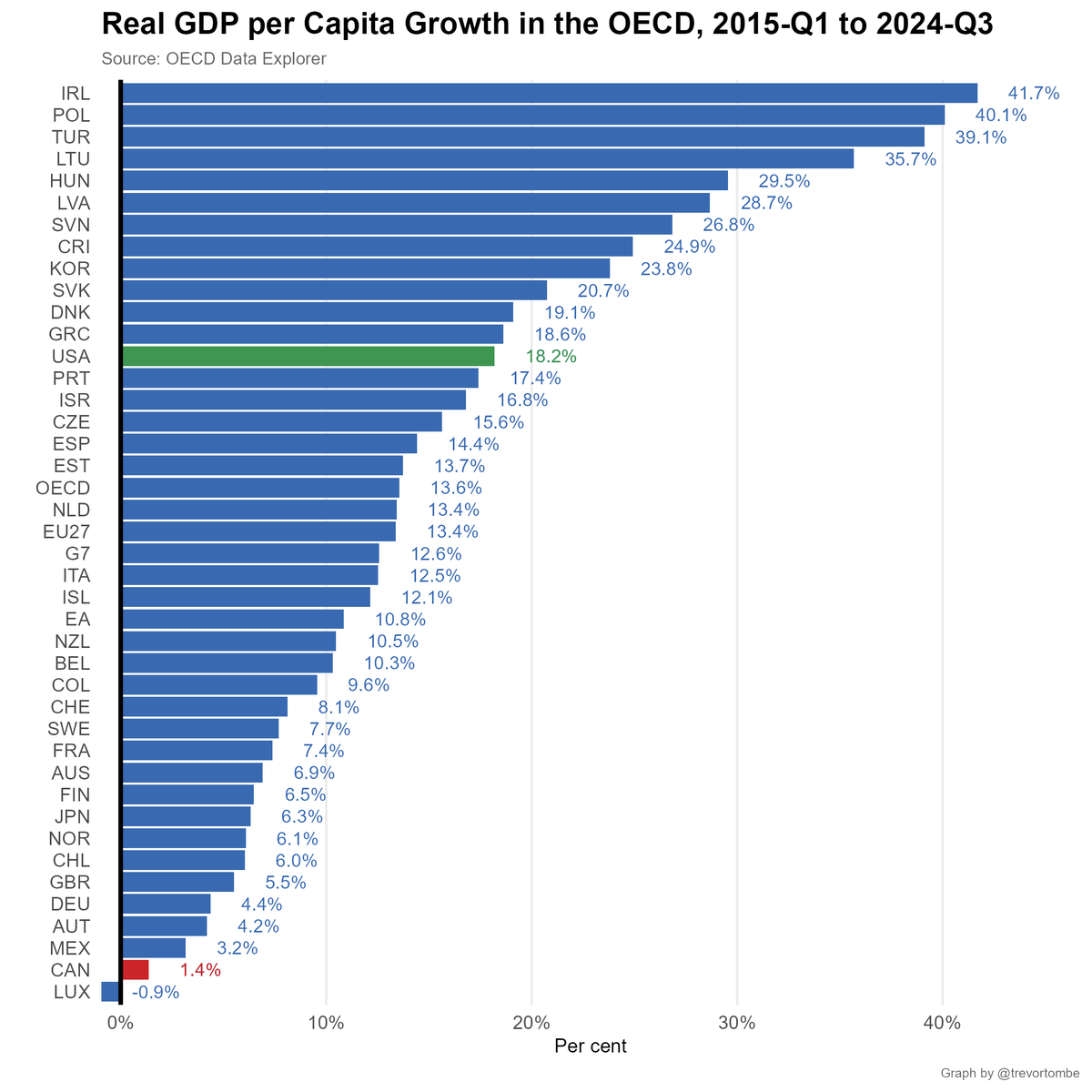
Comparing GDP/capita growth across OECD countries over the past decade (plus selected aggregates like EU/G7/etc). #cdnecon
Trevor Tombe tweet media
English
387
1.2K
3K
1.3M