Zehru Nissa

1.5K posts

Zehru Nissa banner
Zehru Nissa

Zehru Nissa

@Zehru

Journeying.

Srinagar, India Katılım Ağustos 2009
148 Takip Edilen558 Takipçiler
Zehru Nissa retweetledi
John Bistline
John Bistline@JEBistline·
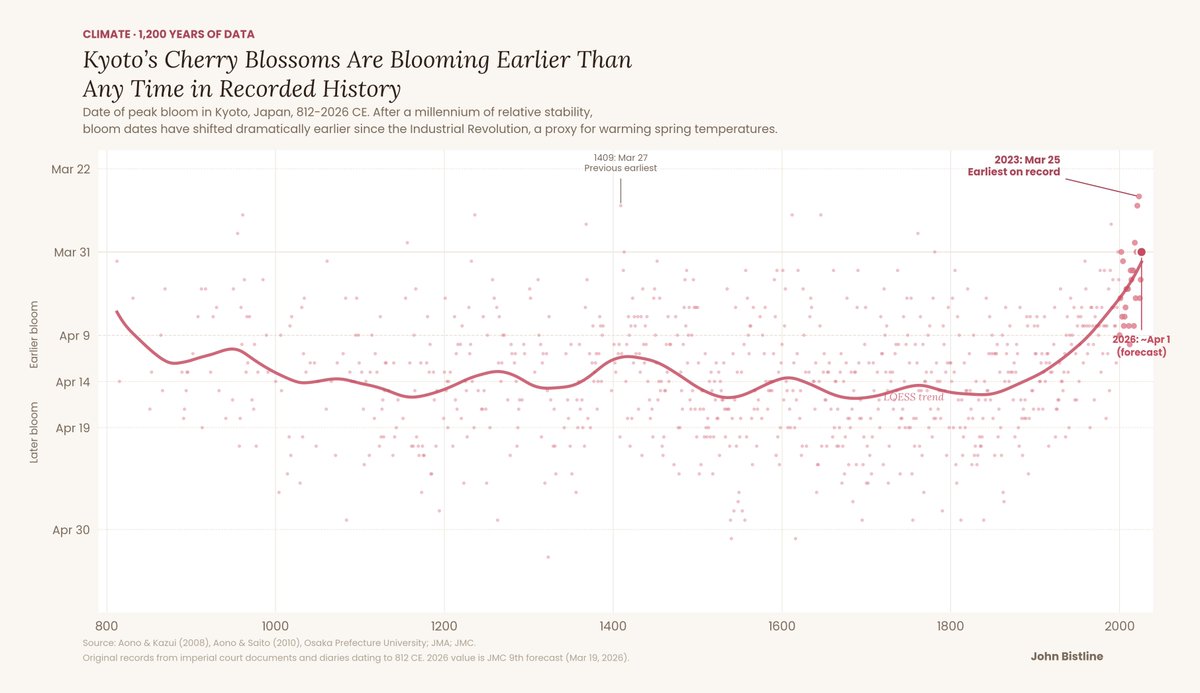
This is my favorite climate change chart. Japanese monks, aristocrats, and emperors kept meticulous records of cherry blossom festivals for 1,200 years and accidentally built the world's longest climate dataset.
John Bistline tweet media
English
235
9.4K
50.1K
1.6M
Zehru Nissa retweetledi
Down To Earth
Down To Earth@down2earthindia·
Are tigers more actively preying on human beings for sustenance? The 2026 State of India’s Environment (SOE 2026) report, released at Nimli near Alwar on February 25, 2026, by @CSEINDIA and @down2earthindia, has analysed available reports and studies and come to the conclusion that they are downtoearth.org.in/wildlife-biodi…
English
0
2
8
5.8K
Zehru Nissa retweetledi
هانثل | HANTHL
هانثل | HANTHL@HanthlPro·
Before the rites of Umrah, it is required and recommended for Muslims to: - Bathe and purify themselves - Remove body hair such as underarm and pubic hair - Apply perfume and fragrance - Trim their nails It is also obligatory for Muslims at all times to: - Maintain cleanliness with water - Wash parts of the body on average five times a day before each prayer (face, hands, feet) Personal hygiene is an essential ritual that a Muslim practices throughout the day, it is an obligation, not a choice. Also, the scent of the Grand Mosque in Mecca and the Prophet’s Mosque in Medina is the most beautiful fragrance of any place I have ever smelled in my life! The hygiene system is engineered brilliantly! Watch the video!
English
43
550
7.3K
393.3K
Zehru Nissa retweetledi
Anshul Saxena
Anshul Saxena@AskAnshul·
NEET-PG cut-off: - Orthopaedics seat filled at: 4 marks out of 800. - Obstetrics and Gynaecology seat: 44 marks out of 800. - General surgery seat filled at: 47 marks out of 800. - Biochemistry: minus 8 marks out of 800. - Transfusion medicine: 10 marks out of 800. - Anatomy: 11 marks out of 800. These extremely low scores at which seats were actually allotted indicate a serious crisis in academic standards. There should be a reasonable minimum qualifying merit, as it is crucial for maintaining the integrity of medical education and healthcare system.
English
505
4.6K
11.1K
380.9K
Zehru Nissa retweetledi
Greater Kashmir
Greater Kashmir@GreaterKashmir·
Kashmir’s largest circulated newspaper is Greater Kashmir. Government advertisements allotted to it are zero in the current financial year: this is what Directorate of Information and Public Relations (DIPR), J&K has revealed in a detailed publication-wise ad space allocation list released on Friday in Assembly. m.greaterkashmir.com/article/inform…
English
18
10
76
16.3K
Zehru Nissa retweetledi
TheLiverDoc™
TheLiverDoc™@theliverdoc·
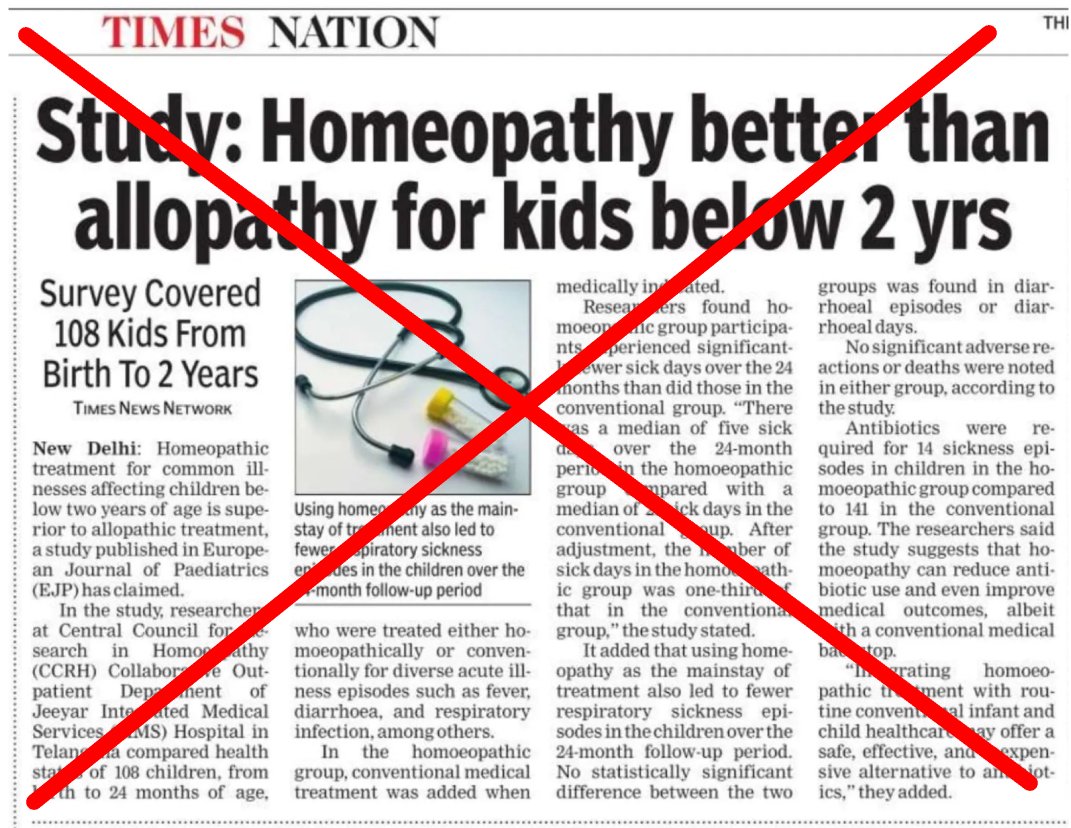
Hey @TOIIndiaNews ideally, we would expect major news media to update their reporting in the light on new evidence. Would you like to update your report based on the fact that this study was RETRACTED by the Journal due to fraud and fabrication by the so-called Homeopathy researchers? Or will you keep upholding yourself as an enabler of pseudoscience and medical fraud because this Government has invested to legalized it? Retraction Note: Homoeopathy vs. conventional primary care in children during the first 24 months of life—a pragmatic randomised controlled trial link.springer.com/article/10.100… - @EdzardErnst
TheLiverDoc™ tweet media
English
60
480
2.2K
51K
Zehru Nissa retweetledi
Neil Stone
Neil Stone@DrNeilStone·
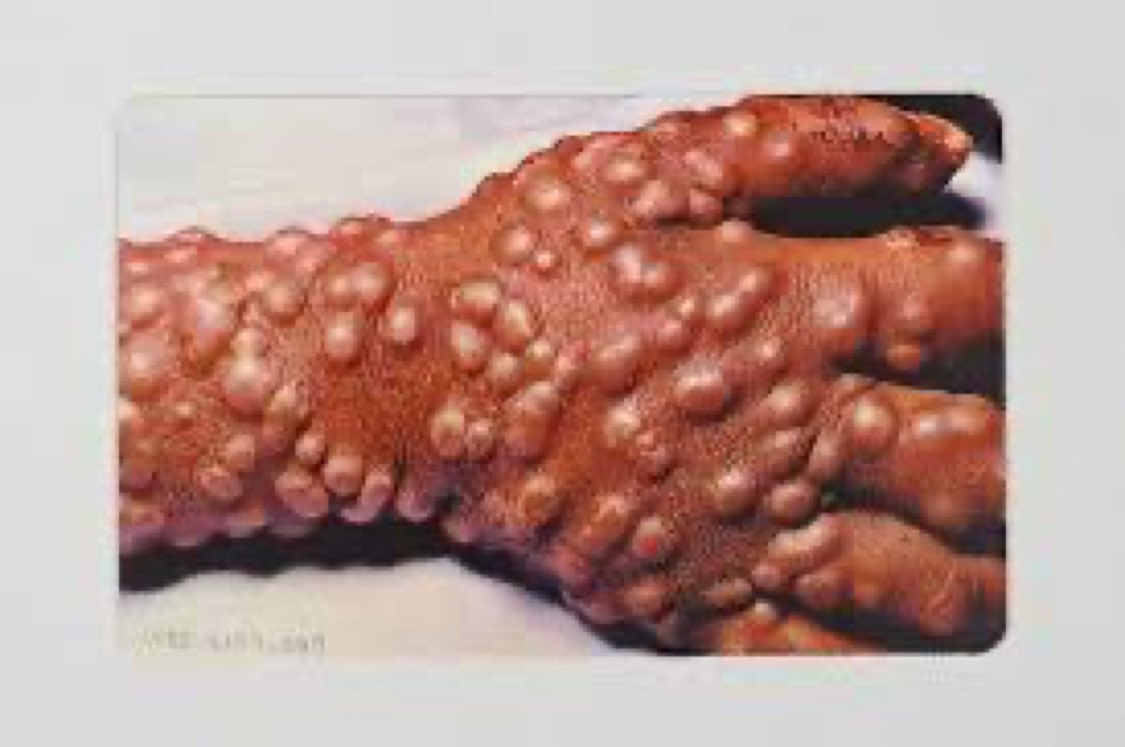
Remember smallpox? No? Because vaccines work
Neil Stone tweet media
English
638
2.7K
32K
422.7K
Zehru Nissa retweetledi
Ministry of Health
Ministry of Health@MoHFW_INDIA·
No one should have to choose between life-saving treatment and caring for their child. Under Ayushman Bharat PM-JAY, chemotherapy for breast, ovarian, colorectal, cervical, and bone tumors is fully covered — providing patients with essential care and families with hope for a healthier future. #AyushmanBharat #HealthForAll #CancerCare
English
1
24
40
4.4K
Zehru Nissa retweetledi
Dr Sudhir Kumar MD DM
Dr Sudhir Kumar MD DM@hyderabaddoctor·
Stem Cell Treatment cannot be offered to patients suffering from Autism Spectrum Disorder (ASD): Supreme Court There are many hospitals/centres freely advertising and offering stem cell treatment for ASD in India. These treatments are costly as well as unsafe, in addition to being ineffective for the condition. Will the authorities take action? @MoHFW_INDIA
Dr Sudhir Kumar MD DM tweet media
English
7
29
100
7.6K
Zehru Nissa
Zehru Nissa@Zehru·
Mind blowing!
GP Q@argosaki

BREASTMILK She thought she was studying milk. What she uncovered was a conversation. In 2008, evolutionary anthropologist Katie Hinde was working in a primate research lab in California, analyzing breast milk from rhesus macaque mothers. She had hundreds of samples and thousands of data points. Everything looked ordinary—until one pattern refused to go away. Mothers raising sons produced milk richer in fat and protein. Mothers raising daughters produced a larger volume with different nutrient balances. It was consistent. Repeatable. And deeply uncomfortable for the scientific consensus. Colleagues suggested error. Noise. Statistical coincidence. But Katie trusted the data. And the data pointed to a radical idea. Milk is not just nutrition. It is information. For decades, biology treated breast milk as simple fuel. Calories in. Growth out. But if milk were only calories, why would it change depending on the sex of the baby? Katie kept digging. Across more than 250 mothers and over 700 sampling events, the story grew more complex. Younger, first-time mothers produced milk with fewer calories but significantly higher levels of cortisol—the stress hormone. The babies who drank it grew faster. They were also more alert, more cautious, more anxious. Milk wasn’t just building bodies. It was shaping behavior. Then came the discovery that changed everything. When a baby nurses, microscopic amounts of saliva flow back into the breast. That saliva carries biological signals about the infant’s immune system. If the baby is getting sick, the mother’s body detects it. Within hours, the milk changes. White blood cells surge. Macrophages multiply. Targeted antibodies appear. When the baby recovers, the milk returns to baseline. This was not coincidence. It was call and response. A biological dialogue refined over millions of years. Invisible—until someone thought to listen. As Katie reviewed existing research, she noticed something unsettling. There were twice as many scientific studies on erectile dysfunction as on breast milk composition. The first food every human consumes. The substance that shaped our species. Largely ignored. So she did something bold. She launched a blog with a deliberately provocative name: Mammals Suck Milk. It exploded. Over a million readers in its first year. Parents. Doctors. Scientists. People asking questions research had skipped. The discoveries kept coming. Milk changes by time of day. Foremilk differs from hindmilk. Human milk contains over 200 oligosaccharides babies can’t digest—because they exist to feed beneficial gut bacteria. Every mother’s milk is biologically unique. In 2017, Katie brought this work to a TED stage. In 2020, it reached a global audience through Netflix’s Babies. Today, at Arizona State University’s Comparative Lactation Lab, she continues reshaping how medicine understands infant development, neonatal care, formula design, and public health. The implications are staggering. Milk has been evolving for more than 200 million years—longer than dinosaurs walked the Earth. What we once dismissed as simple nourishment is one of the most sophisticated communication systems biology has ever produced. Katie Hinde didn’t just study milk. She revealed that nourishment is intelligence. A living, responsive system shaping who we become before we ever speak. All because one scientist refused to accept that half the story was “measurement error.” Sometimes the biggest revolutions begin by listening to what everyone else ignores.

English
0
0
1
39
Zehru Nissa retweetledi
ArchaeoHistories
ArchaeoHistories@histories_arch·
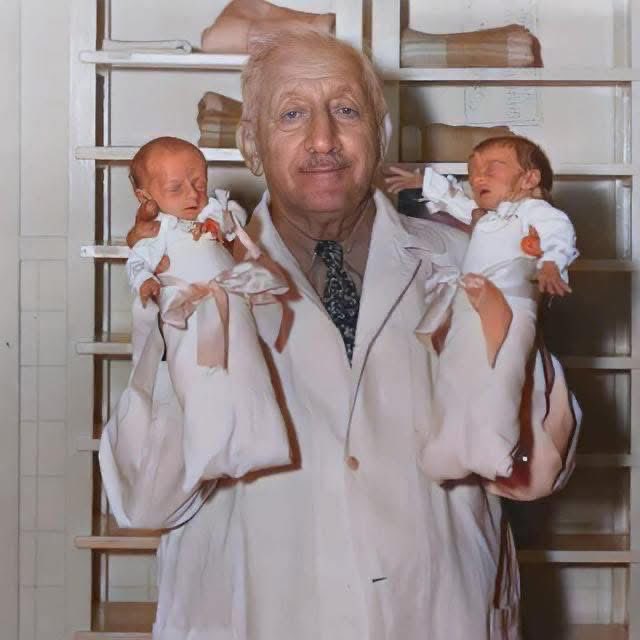
They called him a monster. They said he was exploiting children. They hurled insults at him, cursed his name, and accused him of cruelty. Martin Couney listened to it all with a quiet, sad smile and then went right back to saving babies’ lives... At the end of the 19th century, a new invention appeared: incubators for premature infants. Inside these glass-and-metal boxes, temperature and humidity could be carefully controlled, protecting fragile newborns who otherwise had almost no chance of survival. Today that sounds obvious. Back then, it was revolutionary. But there was a problem — incubators were expensive. Extremely expensive. Hospitals refused to buy them. Doctors believed premature babies were “too weak to survive anyway,” and many thought spending money on them was pointless. In most hospitals, premature infants were simply left to die. Couney could not accept that. He believed the technology worked. He believed the babies could live. And if the medical system wouldn’t help, he decided he would find another way. So he did something shocking. He bought 25 incubators and created a traveling exhibition — a public display of premature babies, each lying inside a warm, carefully maintained incubator. He took the exhibit across Europe, and later to the United States, setting up at fairs and amusement parks. People came in droves. Some were curious. Some were horrified. Some whispered cruel words like “freaks” and “monstrosities.” They paid for tickets to stare at tiny infants fighting for life behind glass. And every single cent of that ticket money went straight into their care. Couney hired trained nurses. He insisted on strict hygiene at a time when many hospitals still ignored sanitation. The incubators were cleaned constantly. The babies were fed, bathed, and monitored around the clock. While critics accused him of running a circus, he was quietly running one of the safest neonatal units in the world. Hospitals mocked him. Doctors dismissed him. Newspapers questioned his ethics. Yet parents who had been told, “Your baby won’t survive,” watched their children grow stronger under his care. Day after day. Year after year. By the time hospitals finally began adopting incubators as standard medical equipment, Martin Couney had helped save an estimated 7,000 premature babies. Seven thousand lives — children who would have been written off as hopeless. Many of those babies grew up, built families, and lived full, ordinary lives — all because one man refused to accept that “nothing can be done.” History often remembers heroes in white coats and clean laboratories. But sometimes, progress comes from someone standing in a noisy fairground, surrounded by judgment and misunderstanding, using whatever imperfect means they have… to do what no one else is willing to do. They called him a monster. But to thousands of families, Martin Couney was something very different. He was the man who refused to let their children be forgotten. © Reddit #archaeohistories
ArchaeoHistories tweet media
English
74
1.3K
9.3K
949.3K
Zehru Nissa retweetledi
Science girl
Science girl@sciencegirl·
The Day Science Made Miracles Real In the winter of 1922, the children’s diabetic ward at Toronto General Hospital was a place of quiet despair. Fifty or more beds lined the long room, each holding a child with type 1 diabetes. One January morning, a small team of researchers walked in carrying vials of a clear, newly purified liquid. Frederick Banting, Charles Best, James Collip, and their colleagues had spent the previous year extracting and refining a hormone in a cramped University of Toronto lab. They called it insulin. They moved from bed to bed, No one knew for certain whether it would work in humans; animal tests had been promising, but this was the moment of truth. By the time they reached the last unconscious child and pushed the plunger, something astonishing happened at the far end of the ward. The first child who had been injected (14-year-old Leonard Thompson) stirred, opened his eyes, and looked around in confusion. Minutes later another sat up. Then another. One by one, children began to wake, colour returning to their faces, asking for water, for food, for their mothers. The room that had been heavy with grief suddenly rang with gasps, laughter, and sobbing parents who could not believe what they were seeing. life was flooding back. That same year, Banting, Best, and Collip chose to sign away the patent for insulin to the University of Toronto for one dollar each. They refused to profit from their discovery saying it belonged to every child, everywhere, who would otherwise face the same beds and the same destiny
Science girl tweet media
English
37
170
594
55.1K
Zehru Nissa retweetledi
Kashmir Life
Kashmir Life@KashmirLife·
Marks Are for Relatives, Says Class 10 Topper
English
17
10
227
15.5K