deep zj
16 posts


“接受知识的熏陶。” 「冷白清透CCD生活照风」×「知性室内生活照」 - 湖蓝色修身针织上衣也选得很聪明,不会太寡,也不会太甜,放在冷白清透的光线里,反而特别显干净、知性、有距离感。 - 再加上认真阅读这个动作,整个人就不像在“凹文艺人设”,而是真的属于这个空间。 - 这种图真正吸引人的,不是“她在看书”,而是那种安静、克制、清爽,又带一点高级感的状态。 提示词: 摄影风格:冷白清透CCD生活照风 写真方向:知性室内生活照 场景方向:现代书店阅读区 / 白色书架 / 浅木桌 / 大面积落地窗 服装方向:湖蓝色修身针织上衣 + 米白色高腰包臀中裙 气质标签:知性、清冷、安静、温柔、干净 五官方向:真实清冷淡颜,干净高级,不网红 五官细节:偏窄鹅蛋脸,轮廓利落但柔和;清亮杏眼,眼神安静克制;鼻梁清秀流畅;唇形自然克制,低饱和裸粉唇色 发型方向:黑色长发低扎或自然披散,脸侧少量碎发,整体利落干净 身形方向:轻盈纤细,上围饱满自然 线条强调:中偏强 镜头方向:半身到大腿 姿态动作:站在书架旁,弯着腰查找书籍 光线氛围:落地窗高色温自然光 + 书架白色漫反射 + 冷白极弱柔闪 滤镜效果:冷白高光 + 蓝白清透CCD色彩 + 轻颗粒 + 轻数码噪点 画幅比例:9:16 补充要求:湖蓝色上衣要清爽高级,修身剪裁自然突出胸线、腰线和肩颈线,整体知性但不沉闷








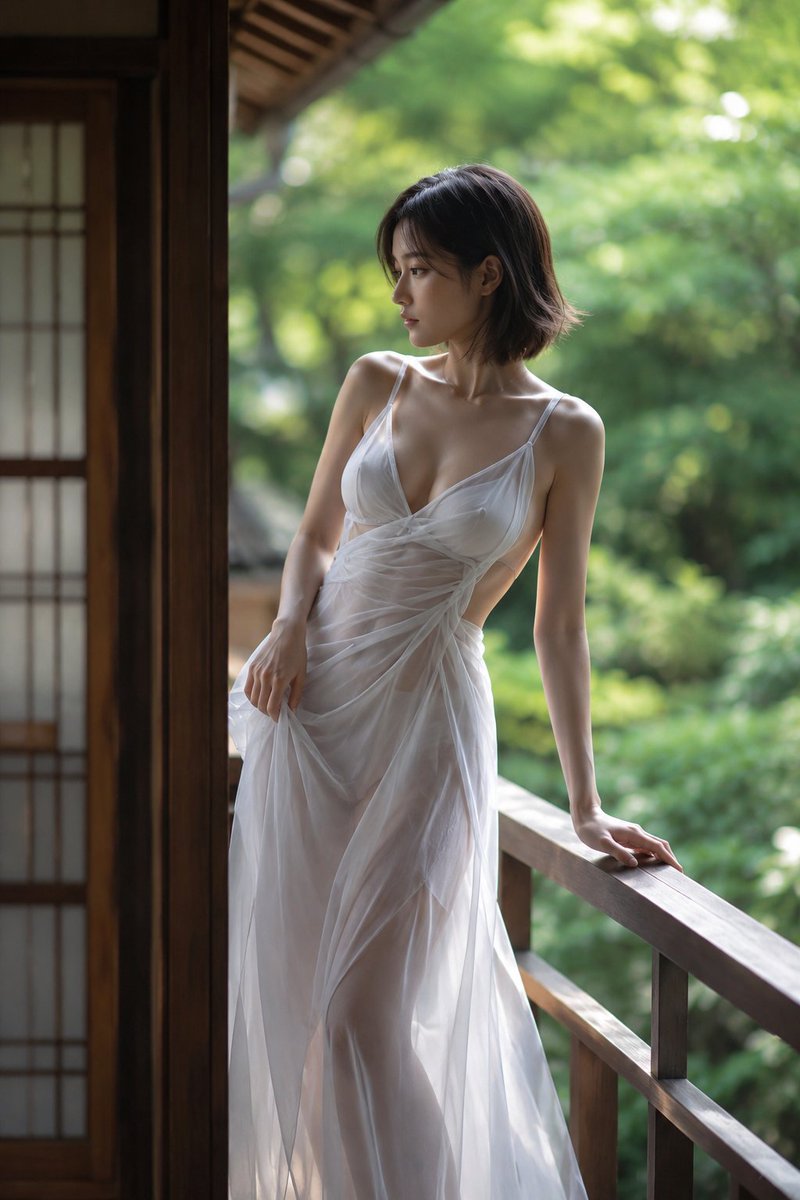


兄弟们, 分享一组「日间冷白清透CCD」×「都市通勤生活照」。 - 银灰扶梯、玻璃顶棚、蓝天反光,本来就很适合冷白通透的氛围,再配上冷白短上衣和浅蓝百褶裙,整个人会显得特别干净、轻、亮。 - 而且这类图最妙的,不是刻意凹造型,而是那种站在地铁口、手扶包带、微微一笑的瞬间,看起来像真实都市生活里会遇到的漂亮女生。 - 不是网红感,也不是游客照,而是清冷、耐看、很有都市空气感的一帧。 提示词如下: 摄影风格:日间冷白清透CCD生活照风 写真方向:都市通勤生活照 场景方向:现代地铁站出口 / 银灰金属扶梯 / 玻璃顶棚 / 蓝天反光 / 干净城市背景 服装方向:冷白色短款拉链针织上衣 + 浅蓝低腰修身百褶裙 气质标签:清冷、知性、清纯、都市感、克制 五官方向:高颜值真实初恋感淡颜,清冷干净,不网红 发型方向:黑色长发自然披散,发丝顺滑,额前少量碎发 身形方向:轻盈纤细,上围饱满自然 线条强调:强 镜头方向:半身到大腿 姿态动作:站在地铁站出口扶梯旁,身体轻微侧向镜头,一只手轻扶包带,另一只手自然垂落,轻微自然微笑看向镜头 光线氛围:晴天高亮自然光,玻璃顶棚和金属扶梯反射冷白光,人物面部、肩颈、锁骨和服装前景清晰发亮 滤镜效果:冷白高光 + 蓝白清透色彩 + 明亮空气感 + 轻微过曝 + 日间CCD数码卡片机感 画幅比例:9:16 补充要求:人物要漂亮耐看,脸不能普通,背景简洁干净,有真实都市生活抓拍感




This idea is brilliant. I asked GPT-5.6 to rewrite the prompts, and the results turned out surprisingly well. Let’s travel back to Shanghai in 1990 and see how AI can transform a still image into a living moment from the past. Workflow: Use GPT Image 2.0 to generate a reference image of a Shanghai dock in 1990 Image prompt: promptsref.com/tool/AI-Image-… DIRECTIVE: Generate a single hyper-realistic documentary photograph. The main subject is a group of Chinese dock workers resting and talking near the Huangpu River docks in Shanghai, China, in 1990. Natural and unposed. Shot on 35mm film with a Leica M6. No text or overlays. SCENE: Several Chinese men sitting and standing near a working dock along the Huangpu River in Shanghai. Cargo ships, cranes, warehouses, bicycles, handcarts, and industrial elements are visible in the background. The environment should accurately reflect an ordinary Chinese port area in 1990, with an authentic working-class atmosphere and no modern elements. PEOPLE: A group of Chinese male dock workers in their 30s and 40s, wearing practical, slightly worn work clothes typical of China in 1990: faded blue or gray work jackets, simple shirts, loose trousers, cloth shoes, and work caps. They are resting, smoking, drinking tea from enamel mugs, and talking casually after work. Their expressions, poses, and interactions are natural and unposed. COMPOSITION: Medium shot from a low angle, giving presence and dignity to the workers. The port elements are softly out of focus in the background. Direct but respectful framing, with the spontaneous feeling of a photograph captured during an ordinary moment of working life. TECHNICAL SPECIFICATIONS: - Camera: Leica M6, 35mm film - Film stock: Kodak Gold 200 - Style: Humanistic documentary photography with strong natural light and an authentic depiction of Chinese working-class life in 1990 - Lighting: Bright, slightly harsh natural sunlight typical of an industrial riverside port - Color: Slightly faded warm tones, restrained saturation, subtle color shifts, and authentic 1990-era film grain - Quality: Natural skin textures, realistic worn work clothing, imperfect exposure, and subtle analog-film softness - Historical accuracy: Architecture, clothing, hairstyles, bicycles, ships, tools, and industrial equipment must be appropriate to China in 1990 - Prohibitions: No text, no logos, no overlays, no smartphones, no modern vehicles, no contemporary fashion, no futuristic architecture, and no modern infrastructure Use the reference image with Seedance 2.0 to generate the video Video prompt:promptsref.com/tool/AI-Video-… Create 15 seconds of authentic documentary footage set at the Huangpu River docks in Shanghai, China, in 1990. Use the reference image as the exact visual foundation. Preserve the same people, faces, clothing, body proportions, spatial arrangement, architecture, lighting, colors, ships, bicycles, handcarts, industrial equipment, and working-class atmosphere. Bring the photograph naturally to life. Chinese dock workers rest after work, talk quietly, smoke cigarettes, drink tea from enamel mugs, and observe the port. Their gestures are subtle, relaxed, realistic, and unposed. Keep all faces and identities consistent with the reference image. In the background, workers move cargo, bicycles pass, ships drift slowly, cranes operate in the distance, and ropes and clothing move gently in the river breeze. Everything must be historically accurate to Shanghai in 1990. Use natural documentary cuts every 1.5–2.5 seconds, showing different workers, small groups, faces, hands, cigarettes, enamel mugs, bicycles, cargo, and wider views of the same dock from varied angles. All shots remain in the same location, time, lighting, and continuous moment. The camera is handheld and slightly shaky, with constant organic movement, imperfect framing, subtle focus breathing, occasional motion blur, and minor exposure changes, as if the filmmaker is walking through the dock. Use direct, respectful framing. No smooth stabilization, dramatic camera moves, slow motion, or polished commercial cinematography. The footage looks like genuine 35mm color film from 1990: visible grain, slightly faded warm colors, restrained saturation, soft contrast, subtle flicker, natural skin texture, imperfect exposure, and occasional dust or scratches. It must not look digitally sharp, glossy, modern, or AI-generated. Natural location sound only: quiet Mandarin and Shanghainese conversations, ship horns, river water, bicycle bells, footsteps, cargo, metal tools, cranes, and wind. No music, narration, subtitles, or artificial sound effects. The result must feel like recently discovered archival footage of everyday Chinese dock workers in Shanghai in 1990. No text, logos, modern clothing, smartphones, contemporary vehicles, modern skyline, facial distortion, identity changes, duplicated people, morphing bodies, artificial gestures, or anachronistic objects.