Zyne Tan

103 posts

Zyne Tan

Zyne Tan

@ZyneTan

Katılım Aralık 2023
49 Takip Edilen0 Takipçiler
Zyne Tan retweetledi
Heart_BMJ
Heart_BMJ@Heart_BMJ·
"Current and emerging treatment options for transthyretin amyloid cardiomyopathy" Enjoy the paper and listen to an in-depth discussion about what the future holds for amyloidosis therapies, between @jhfrudd and Senior author, Dr Marianna Fontana Publication - bit.ly/4cap4i7 Podcast - apple.co/4tc6mNW (also available on all other major podcast platforms)
Heart_BMJ tweet media
English
0
2
0
89
Zyne Tan retweetledi
Taito Arai, MD, PhD
Taito Arai, MD, PhD@Taito_Arai·
🚀 Excited to share our study presented as a LBCT at #EuroPCR and simultaneously published in @CircIntv! 🫀 “Impact of Intravascular Imaging on Clinical Outcomes in Focal versus Diffuse Coronary Artery Disease” 🔍 Key findings: • Intravascular imaging-guided PCI reduced 1-year target vessel failure • Benefit was observed across the spectrum of CAD • Particularly pronounced benefit in focal disease 📊 In 811 patients (840 vessels) undergoing physiology-guided PCI, intravascular imaging improved clinical outcomes compared with angiography guidance alone. 💡 These findings support the complementary role of physiology + imaging to optimize PCI outcomes. 🔗 [ahajrnls.org/3Ps2jPh] 🙏 Special thanks to @ColletCarlos, @bernardBruyne, @KoshiroSakai_MD, and @DMunhoz for their invaluable guidance and support. 👏 Grateful to all collaborators and investigators involved in the PPG global study. #CardiologyX #Physiology #PPG #IVI #PCI #EuroPCR
Taito Arai, MD, PhD tweet media
English
0
7
9
929
Zyne Tan retweetledi
Peter Blahut
Peter Blahut@PeterBlahut·
🫀 Atrial Fibrillation needs two things to start and survive 📖 Everything about AF → afguidelines.com ⚡ A trigger — abnormal electrical impulse firing in the heart 📍 85% of triggers originate from the pulmonary vein ostia 🔁 A substrate — remodeled heart tissue that keeps it going ❤️ Most common substrate: posterior wall (60%) & pulmonary vein ostia (50%) 📊 The infographic below shows the exact percentage occurrence of each trigger and substrate location in the heart #cardiology #medicaleducation #paramedic #MedstudentTwitter #CardioTwitter #FOAMed #MedEd #CardioEd #AFib #EPeeps
Peter Blahut tweet media
English
2
37
141
5.9K
Zyne Tan retweetledi
Hany Ragy
Hany Ragy@Hragy·
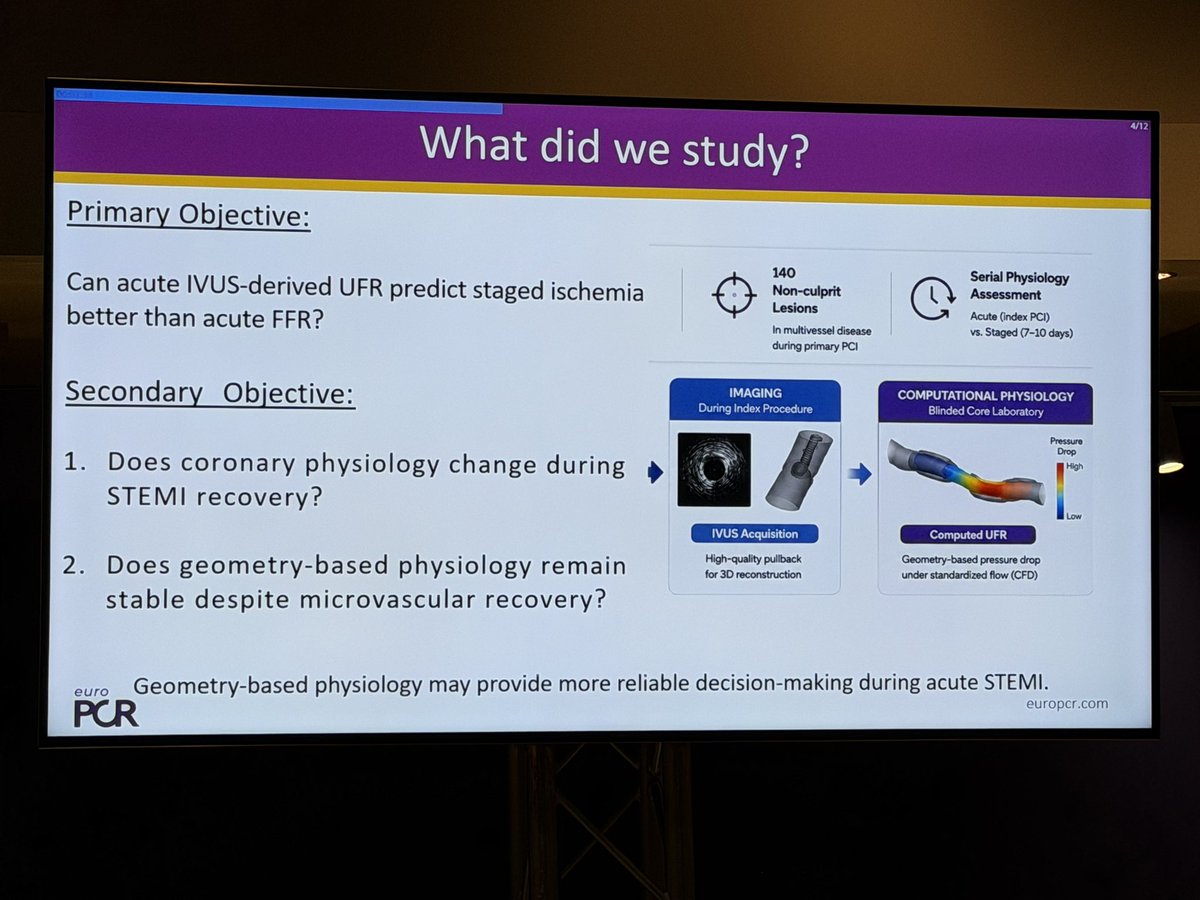
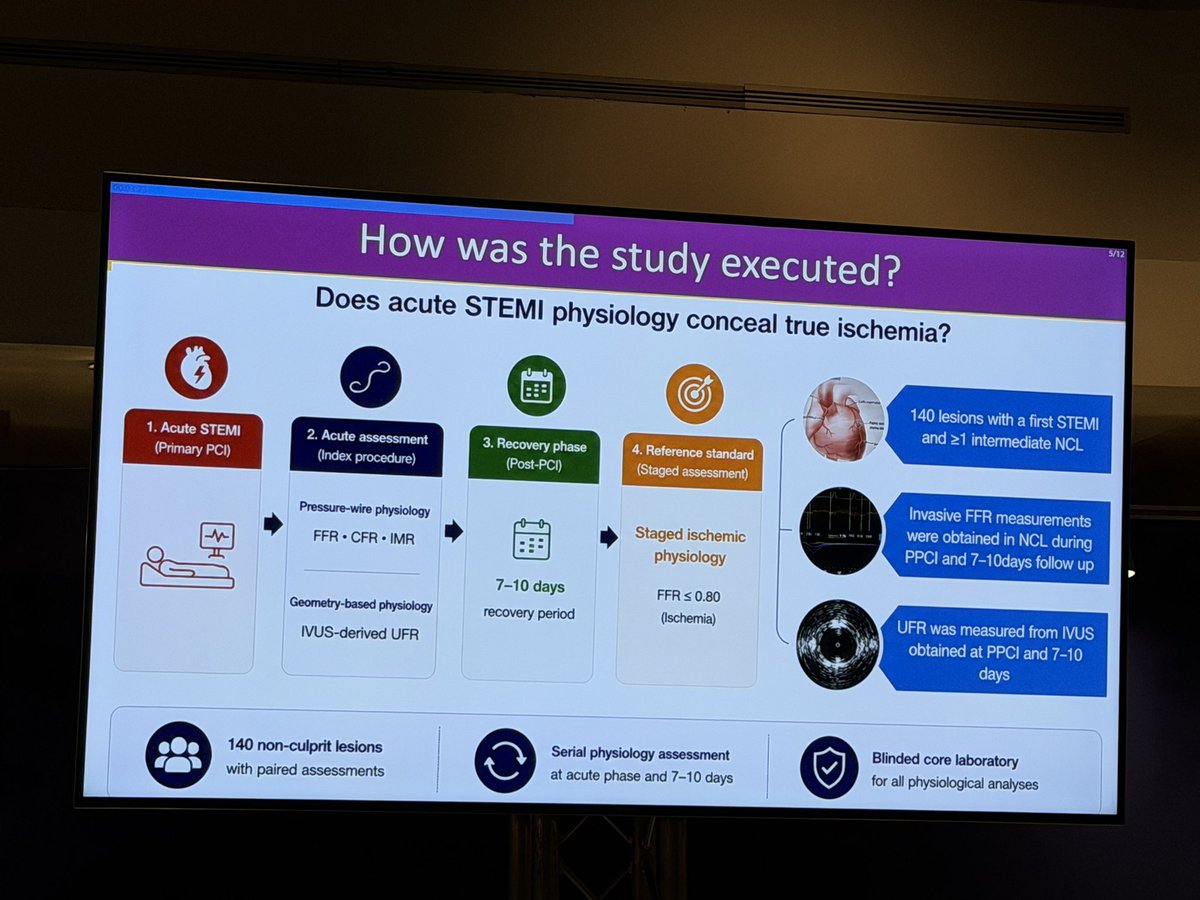
IVUS derived UFR !!! Whoa!!!! Unbelievably good science in #EuroPCR smaller rooms from young investigators world wide presenting their work.. @PCRonline
Hany Ragy tweet mediaHany Ragy tweet media
English
0
7
12
1.1K
Zyne Tan retweetledi
Dr. Filippo Cademartiri
Dr. Filippo Cademartiri@FCademartiri·
🧠🫀 We still treat carotid disease like it’s 1995.
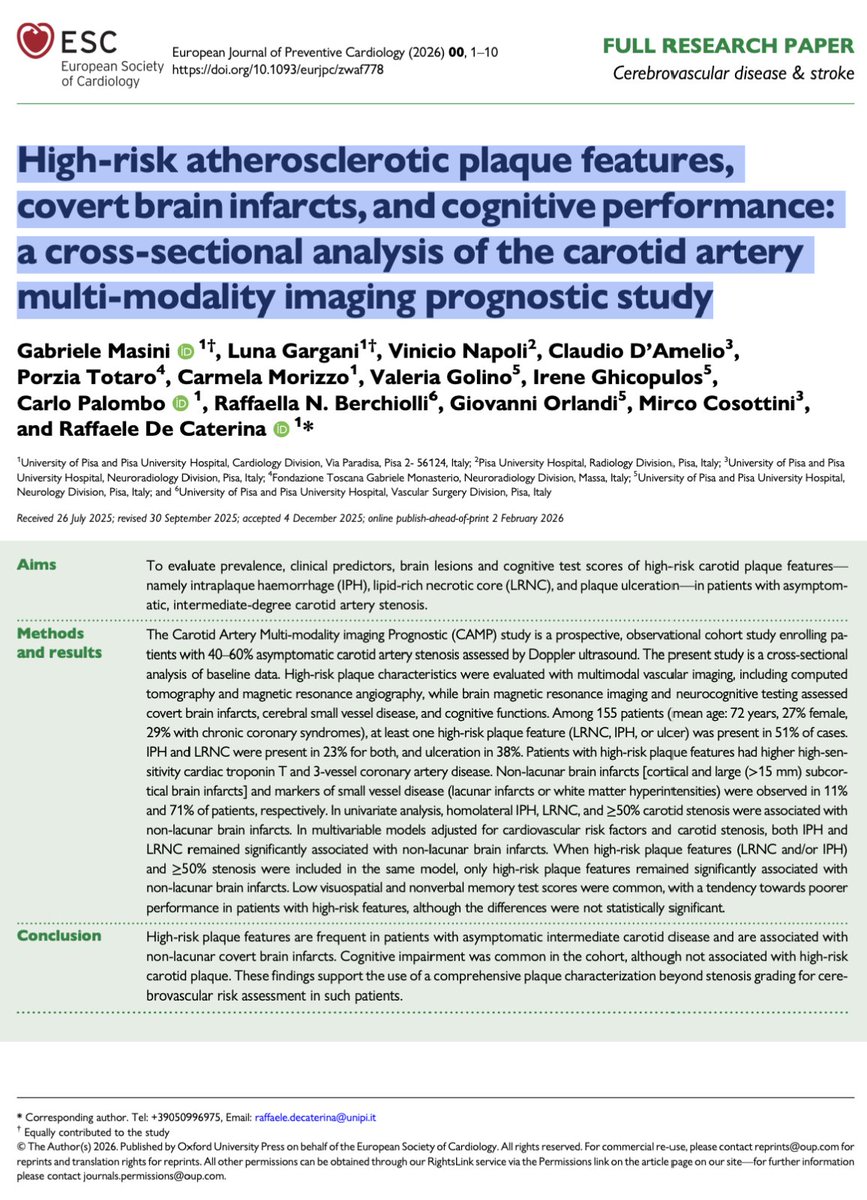
Measure the stenosis. Decide. Move on. This wonderful and insightful paper is a quiet but very uncomfortable reminder that this model is… outdated. In patients with: 👉 “moderate” (40–60%) carotid stenosis 👉 no neurological symptoms more than half already have: 👉 intraplaque haemorrhage 👉 lipid-rich necrotic core 👉 ulceration And here’s the key point: 👉 These biological features—not the degree of narrowing—are associated with silent brain infarcts. When both are included: 👉 stenosis loses significance 👉 plaque biology doesn’t Let’s translate this properly. We are still asking: ❌ “How tight is the carotid?” When we should be asking: 👉 “How dangerous is the plaque?” The paradox is almost comical In coronary disease, we’ve finally accepted that: 👉 stenosis ≠ disease 👉 ischemia ≠ disease 👉 plaque biology drives events But in carotids? We still behave like: 👉 a 55% stenosis is “moderate” → relax 👉 a 75% stenosis is “severe” → act Meanwhile, reality: 👉 11% already have silent brain infarcts 👉 many more have diffuse small vessel disease All while being labelled: “asymptomatic” My take (slightly uncomfortable) Carotid atherosclerosis is not: ❌ a plumbing problem It is: 👉 a biological, inflammatory, embolic disease And the idea that: 👉 lumen narrowing alone defines risk is increasingly hard to defend. The real issue We don’t lack tools. CT and MRI can already show: 👉 IPH 👉 LRNC 👉 surface disruption We lack: 👉 a paradigm shift Bottom line We’ve already learned this lesson in the coronaries. We just haven’t fully accepted it in the carotids. ⚡ Until we do, we’ll keep: 👉 underestimating “moderate” disease 👉 over-trusting stenosis 👉 and missing the biology that actually causes events #Atherosclerosis #CarotidDisease #StrokePrevention #PlaqueBiology #CCTA #MRI #PrecisionMedicine
Dr. Filippo Cademartiri tweet media
English
0
19
50
3.7K
Zyne Tan retweetledi
Shockwave Medical
Shockwave Medical@ShockwaveIVL·
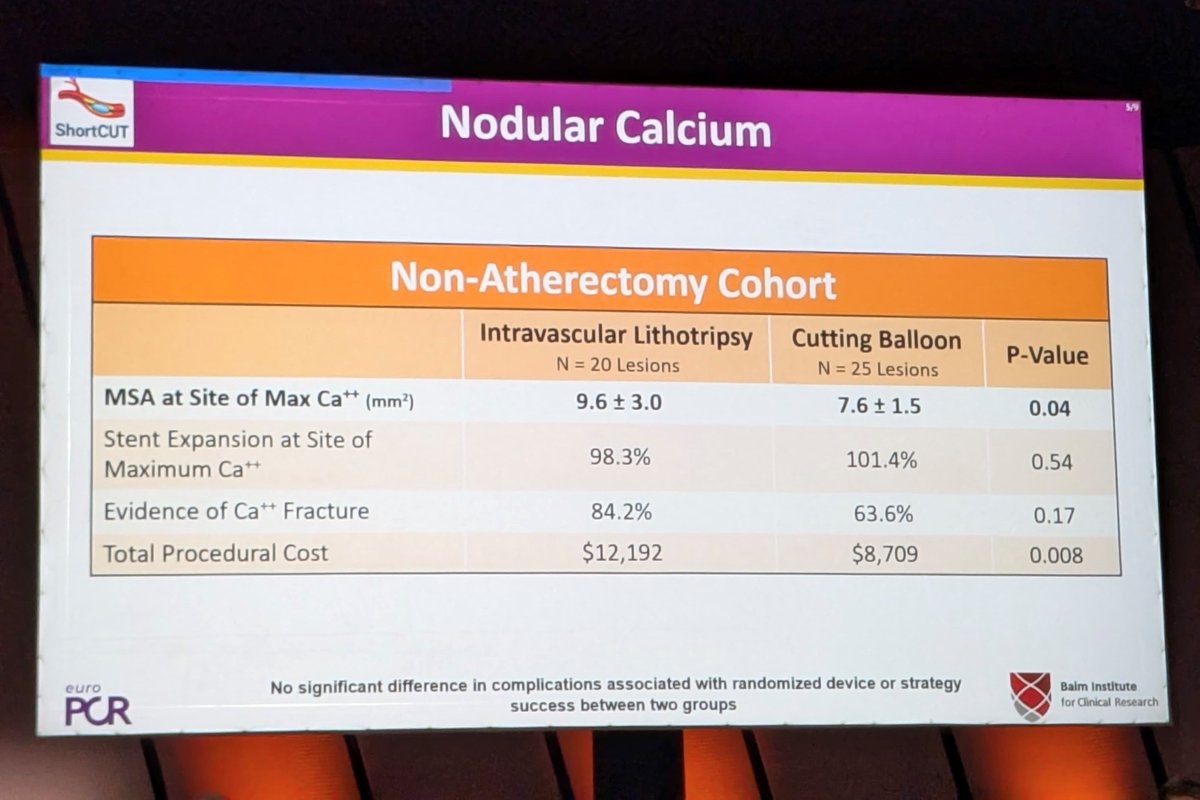
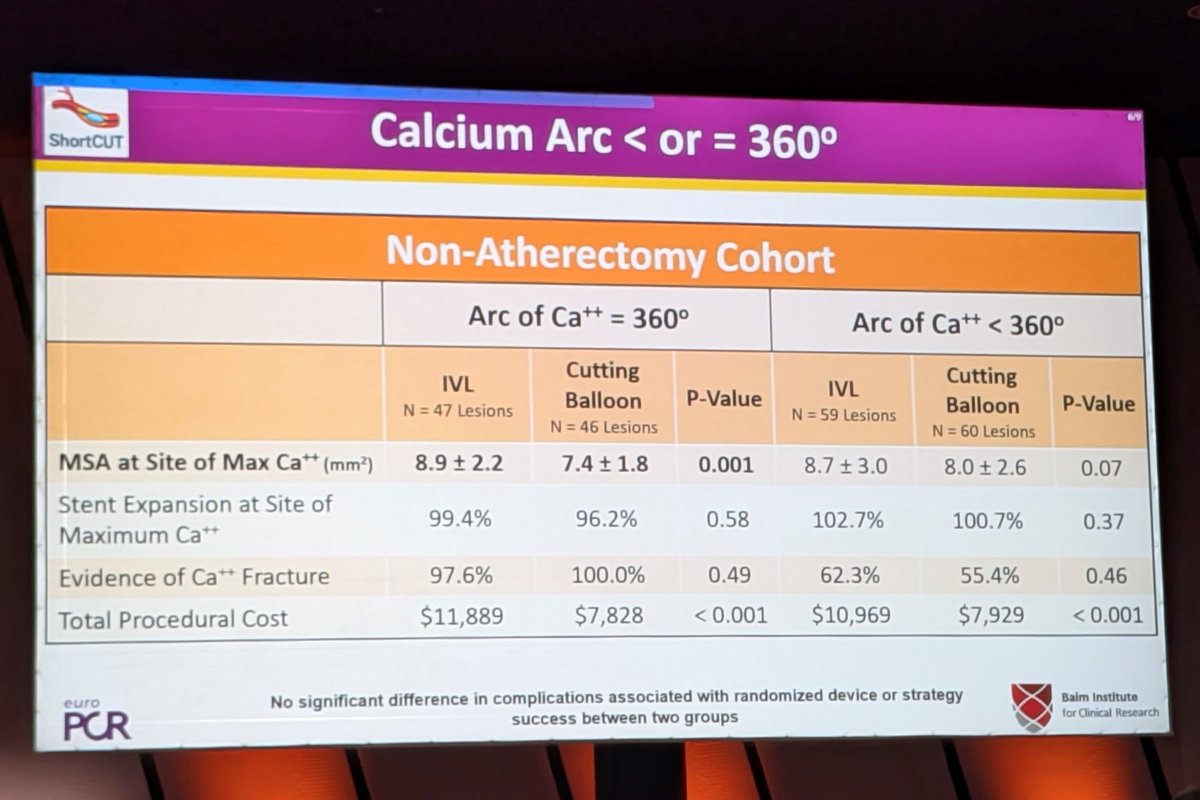
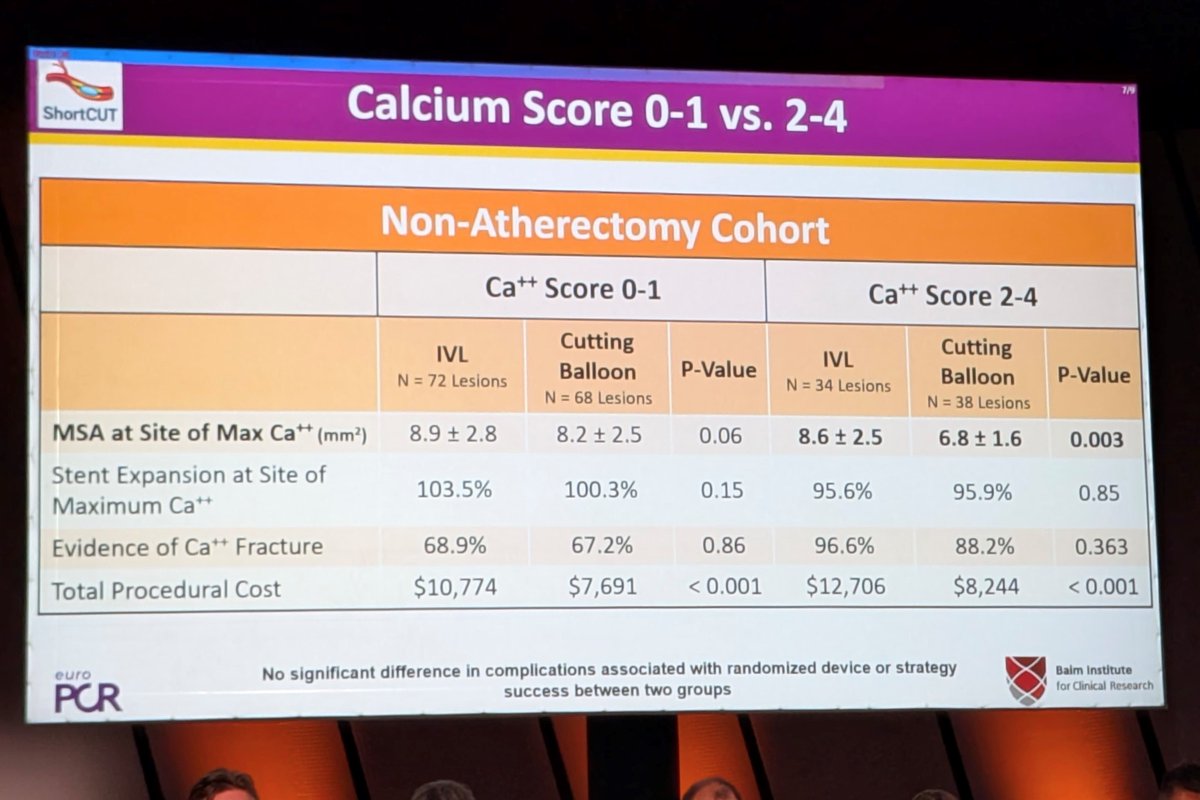
The #ShortCut IVUS images tell the story, cutting balloons can’t cut it in more challenging calcium. In the #ShortCut IVUS sub-analysis presented at #EuroPCR today, cutting balloons failed to match Shockwave IVL’s effectiveness with increasing calcium burden. #ShockwaveIVL showed statistically significant larger MSAs across nodular and concentric calcium arcs, including complex calcified lesions as defined by the IVUS scoring system (0-1 vs 2-4). #ThereAreNoShortCutsInCalcium US Rx only. Safety Info: shockwavemedical.com/isi/?utm_sourc… Product availability may vary by country.
Shockwave Medical tweet mediaShockwave Medical tweet mediaShockwave Medical tweet media
English

0
3
7
411
Zyne Tan retweetledi
Ahmed Bennis MD 🫀
Ahmed Bennis MD 🫀@drbennisahmed·
🧵 Patient with unexplained dyspnea? Figure 7 gives us the most comprehensive stepwise diagnostic algorithm for #HFpEF I’ve seen — from chart review all the way to invasive CPET. A must-know framework 👇
Ahmed Bennis MD 🫀 tweet media
English
0
13
42
1.6K
Zyne Tan retweetledi
EHJ-IMP Editor-in-Chief
📄 Low-burden ATTR cardiac amyloidosis: can CMR detect early disease? 🔗 DOI: doi.org/10.1093/ehjimp… 🫀 Transthyretin cardiac amyloidosis (ATTR-CA) is often diagnosed late—but early detection is critical. This study focuses on a challenging question: 👉 What does early (low-burden) ATTR look like on CMR—and how do we distinguish it from mimickers? ✨ Study at a glance: 🔹 83 patients with confirmed ATTR-CA 🔹 Stratified by ECV (extracellular volume) 👉 Low burden: ECV ≤43% 🔹 Compared with: ✔ hypertensive heart disease (HHD) ✔ mild hypertrophic cardiomyopathy (HCM) ✨ Key findings: 📊 Low-burden ATTR has a distinct phenotype: 🔹 Often subtle or even normal wall thickness 🔹 Mildly reduced EF (~52%) 🔹 Abnormal strain despite preserved function 👉 As shown in Figure 2 (page 5): ➡️ early disease predominantly affects basal segments 📈 Tissue characterization is the key: 🔹 LGE and ECV outperform strain ➡️ LGE AUC: 0.99 ➡️ ECV AUC: 0.97 ❗ Strain-based metrics perform significantly worse ⚠️ Why this matters: 👉 Early ATTR can mimic: HCM hypertensive LVH 👉 Conventional parameters (wall thickness, EF) are insufficient ➡️ Risk of misdiagnosis or delayed diagnosis 🧠 Unique imaging signature: ✔ Basal predominance of infiltration ✔ Progressive base-to-apex gradient ✔ Increased ECV even with mild phenotype 👉 As illustrated in segmental maps (page 6): ➡️ clear spatial pattern of disease progression 📉 Prognostic insight: ✔ Low-burden ATTR = better survival ❗ But still abnormal biomarkers and imaging 👉 Early stage = window for intervention 💡 Clinical take-home message: 👉 Suspect ATTR even in mild LVH or “atypical HCM” ✔ Use CMR tissue characterization (ECV + LGE) ✔ Do not rely on strain alone 🚨 Bottom line: Early ATTR is subtle—but CMR tissue characterization can unmask it and differentiate it from hypertrophic mimickers. #Cardiology #CMR #Amyloidosis #ATTR #CardiacImaging #ECV #LGE #HeartFailure #PrecisionMedicine #EarlyDiagnosis 🫀📊
EHJ-IMP Editor-in-Chief tweet media
English
0
12
36
1.8K
Zyne Tan retweetledi
Siddharth Agrawal
Siddharth Agrawal@dr_siddharthh·
Excited to share our meta-analysis published in JCF Intersections @JCFINT : Fluid restriction vs liberal fluid intake in HF showed no significant differences in mortality, hospitalization, QoL, congestion, or biomarkers. @SarasVallabhMD @JDawnAbbott1
Siddharth Agrawal tweet mediaSiddharth Agrawal tweet media
English
2
7
34
4K
Zyne Tan retweetledi
Dr.Salman Sahibzada
Dr.Salman Sahibzada@sahibzada_86·
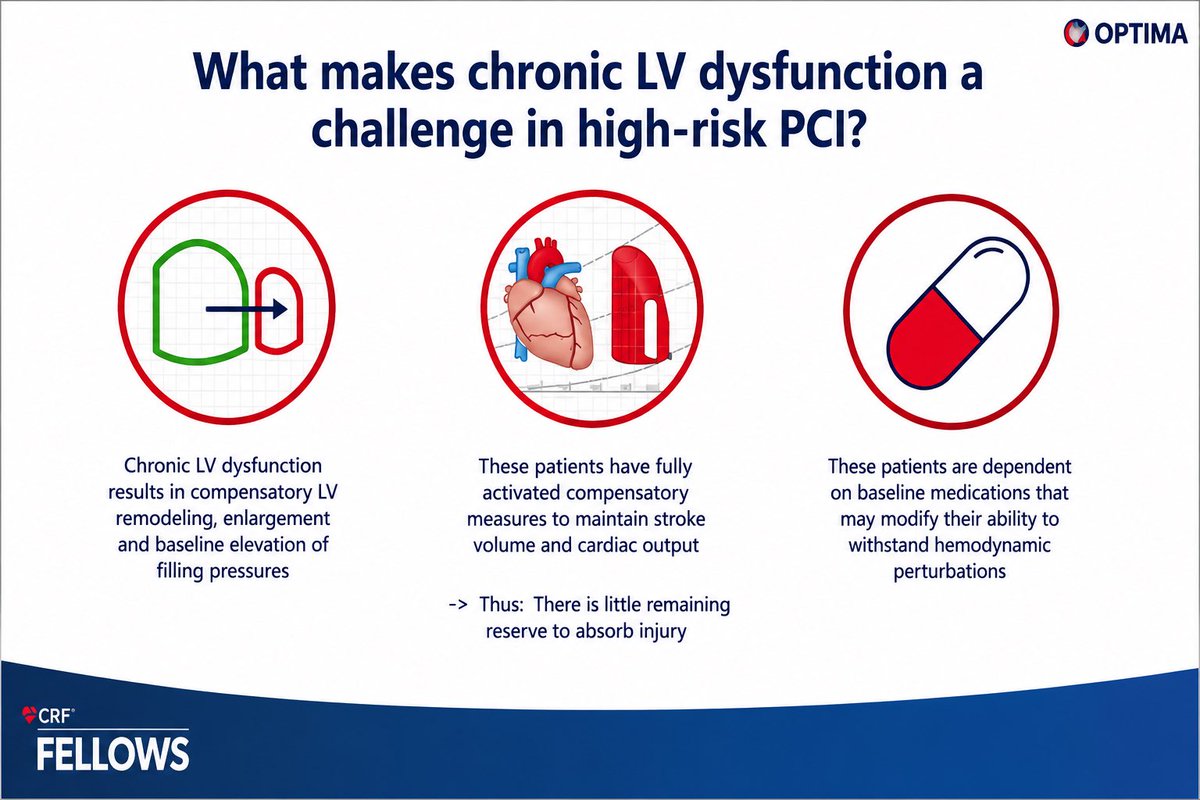
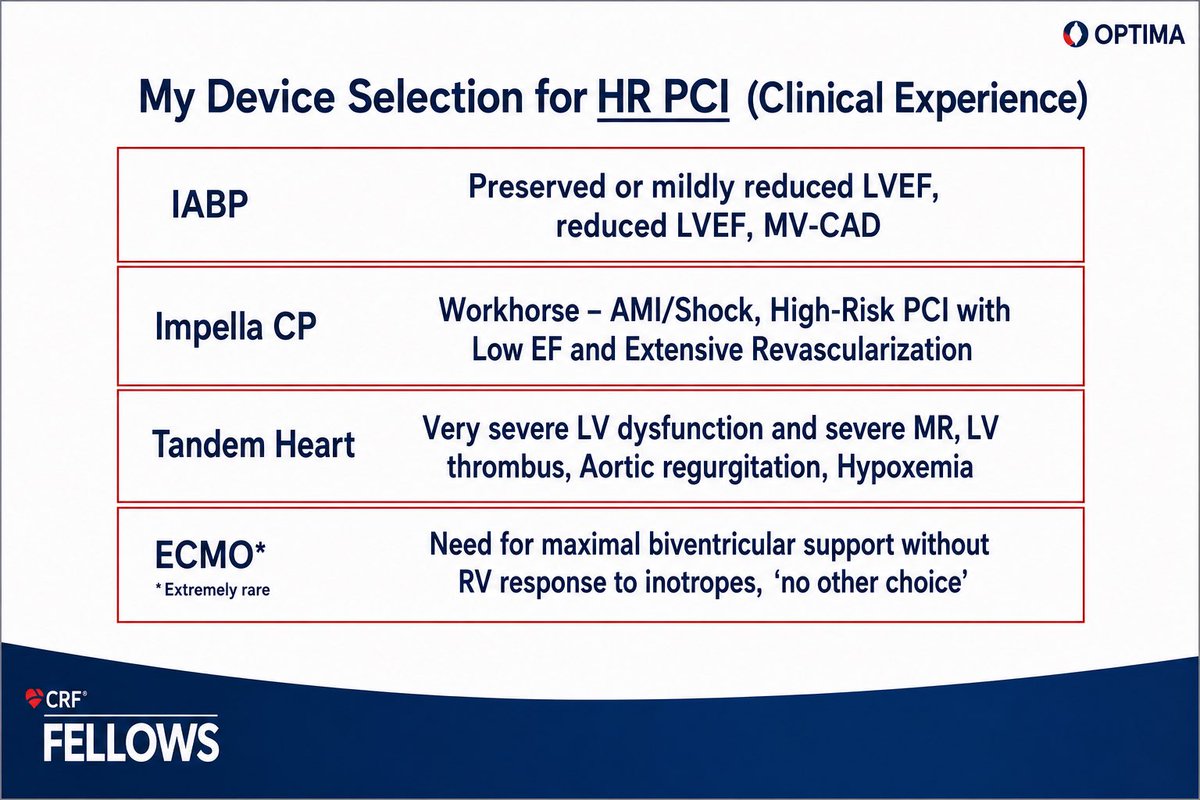
Key takeaway at #Fellows2026 Patients with chronic LVSD are often already operating at the limits of their compensatory reserve: LV remodeling and ⬆️filling pressures Minimal reserve to tolerate ischemia/hemodynamic shifts Heavy dependence on baseline medical therapy @crfheart
Dr.Salman Sahibzada tweet mediaDr.Salman Sahibzada tweet mediaDr.Salman Sahibzada tweet media
English
1
3
5
817
Zyne Tan retweetledi
American College of Cardiology
Both ivabradine and propranolol reduced tachycardia and symptoms of postural orthostatic tachycardia syndrome, compared with placebo, based on findings from a randomized, double-blind crossover trial published in #JACC and #JACCAdvances. Learn more: bit.ly/3P8A3RD #cvEP
American College of Cardiology tweet media
English
2
18
53
4.7K