Adam

2.1K posts

Adam banner
Adam

Adam

@_adumbo_

manufacturing the first ever composite structure in-space @ the University of Illinois

Katılım Mart 2017
596 Takip Edilen1.4K Takipçiler
Adam
Adam@_adumbo_·
@somefoundersalt @risknc Any access to a TVAC for design validation? Would be pretty interesting and fun to strap on a few TC's and compare expected vs actual.
English
0
0
2
30
Edward
Edward@somefoundersalt·
@risknc “We don’t have much better options, and it works in all the simulations, so let’s try it” has led to the design of much strange-looking hardware
English
3
0
3
281
Kyle Cothern
Kyle Cothern@risknc·
I mean it works in ansys.
GIF
Edward@somefoundersalt

Saw the buzz about a radiator design that we tested for an upcoming orbital data center demo mission. It’s not a conventional design, and also not one that’s intuitive, so why did we pick it? Several reasons: 1. First and foremost, we had to work within the confines of an existing ESPA-class design, and already had one hand tied behind our back when it came to expanding surface area. We’re a small startup, and can’t afford to upgrade to a bigger craft. With this in mind: 2. Theoretically, the radiation heat transfer equation is: Q=VF*σ*ε*A*(Tsurface^4 - Tspace^4), which relies on the delta between Tsurface and Tspace. The larger that delta is, the larger Q (heat transferred) is. If those numbers are the same, or close to the same, then Q is small. With multiple GPUs spread out inside and sensors in the center, then theoretically each fin would not be that much different in temperature from one another, thus minimizing the delta. 3. Yes, the view factor is poor (VF, a unitless range between 0 and 1 with 1 being perfect VF) to space, but they still have some VF to space. This means the longer and closer the fins are placed together, the more inefficient they become, resulting in diminishing returns (due to non-ideal VF). It’s also why a totally flat, geometric radiator with no fins is ideal. But we didn’t have that option due to 1. 4. The side fins are the least efficient, but still useful as a mechanical mounting point. We could honestly delete a few as we didn’t really need them.   So why didn’t we think the radiator design would cause thermal issues? It would require a significant delta-T between the fins. This would be a legitimate issue if we had all our heat sources biased towards a face, but this isn’t the case. But, theoretically, with our evenly distributed payload, if one fin is at 50C, then it's likely that the two fins on either side of it are also at the same temperature. So if the delta-T was at zero in the equation Q=VF*σ*ε*A*(T_surface^4 - T_surface^4), then Q should also be zero. Lastly, this also works in Ansys Thermal Desktop. Maybe we found a glitch in Thermal Desktop, I don’t know. But faced with the first constraint, the lack of alternative options, and the requirements of a GPU-dense payload, it was worth the prototype to find out.

English
1
0
13
1.2K
Adam
Adam@_adumbo_·
@somefoundersalt Any considerations into a deployable radiator? Or would that not work for this specific application? And did y'all buy a pre-fabbed primary structure for this sat hence the volume constraint?
English
1
0
5
354
Edward
Edward@somefoundersalt·
Saw the buzz about a radiator design that we tested for an upcoming orbital data center demo mission. It’s not a conventional design, and also not one that’s intuitive, so why did we pick it? Several reasons: 1. First and foremost, we had to work within the confines of an existing ESPA-class design, and already had one hand tied behind our back when it came to expanding surface area. We’re a small startup, and can’t afford to upgrade to a bigger craft. With this in mind: 2. Theoretically, the radiation heat transfer equation is: Q=VF*σ*ε*A*(Tsurface^4 - Tspace^4), which relies on the delta between Tsurface and Tspace. The larger that delta is, the larger Q (heat transferred) is. If those numbers are the same, or close to the same, then Q is small. With multiple GPUs spread out inside and sensors in the center, then theoretically each fin would not be that much different in temperature from one another, thus minimizing the delta. 3. Yes, the view factor is poor (VF, a unitless range between 0 and 1 with 1 being perfect VF) to space, but they still have some VF to space. This means the longer and closer the fins are placed together, the more inefficient they become, resulting in diminishing returns (due to non-ideal VF). It’s also why a totally flat, geometric radiator with no fins is ideal. But we didn’t have that option due to 1. 4. The side fins are the least efficient, but still useful as a mechanical mounting point. We could honestly delete a few as we didn’t really need them.   So why didn’t we think the radiator design would cause thermal issues? It would require a significant delta-T between the fins. This would be a legitimate issue if we had all our heat sources biased towards a face, but this isn’t the case. But, theoretically, with our evenly distributed payload, if one fin is at 50C, then it's likely that the two fins on either side of it are also at the same temperature. So if the delta-T was at zero in the equation Q=VF*σ*ε*A*(T_surface^4 - T_surface^4), then Q should also be zero. Lastly, this also works in Ansys Thermal Desktop. Maybe we found a glitch in Thermal Desktop, I don’t know. But faced with the first constraint, the lack of alternative options, and the requirements of a GPU-dense payload, it was worth the prototype to find out.
Edward tweet media
English
15
3
82
8.8K
Adam
Adam@_adumbo_·
@NileMcmillion @build_boost @JulianFried What do you suggest otherwise for, say, A286 stainless fasteners going into an aluminum thread? Obviously using a lot of krytox but is that it? Maybe put in a keensert as well?
English
0
0
1
20
Nile McMillion
Nile McMillion@NileMcmillion·
@build_boost @JulianFried I hate helicoils so much, it absolutely baffles me why so many engineers love to put them in brand new inconel parts. If you have to use a helicoil for its retention features and not as a thread repair, you messed up your design. start over.
English
5
0
5
132
Julian Fried
Julian Fried@JulianFried·
Name a fastener more loved by engineers and more hated by service techs
Julian Fried tweet media
English
323
41
2.2K
192.1K
Connor Love
Connor Love@ConnorLoveCA·
20kW is big. Rly big.
Karan Kunjur@KaranKunjur

We have shipped our 20kW satellite - Gravitas - to the launch site. Given the supply chain to operate at this power regime doesn’t exist, we had to build 85% of the satellite in-house. This includes building our own large solar arrays, high power propulsion system, large batteries, large reaction wheels and much more. This launch will represent the first time all of these systems are test on orbit together. Internally at @K2SpaceCo, we’ve thought about a few levels of success for this mission - we expect mission success to fall somewhere along this spectrum: - Tier 1 (Baseline mission success): Deploy solar arrays, establish comms, operate the satellite —> we’ve now got an operational 20kW satellite on orbit - Tier 2: Power on the payloads, activate the 20kW propulsion system —> we’re completing payload missions and have fired the highest power hall thruster ever flown on orbit - Tier 3: Orbit raise the satellite, test performance in high radiation environments (like 2,000km) —> we’ve collected massive amounts of data on the performance of the platform in very very difficult environments More than anything, Gravitas represents the start of an iterative journey, where we will take the data we receive from this first satellite and incorporate it into the next wave of satellites launching next year. We’re excited to start this journey, we’ll report back as we get more data. Thanks to Tim for covering our story on TechCrunch techcrunch.com/2026/03/19/k2-…

English
3
0
16
1K
Adam
Adam@_adumbo_·
@sierras_account Oh absolutely not, but I had an onsite interview in brownsville with the ship propulsion team just over half a year ago.
English
0
0
0
304
verb
verb@sierras_account·
@_adumbo_ Were u a build engineer?
English
1
0
0
630
verb
verb@sierras_account·
Im helping my friend prep for a starship interview in Brownsville and it feels like being begged to walk a prisoner off a cliff
English
4
1
133
8.4K
Adam
Adam@_adumbo_·
@emm0sh “Learning” FEA before s=mc/I
English
2
0
6
411
106
106@SYLV4lN·
my favorite thing is when a team is losing and the social media accounts update the score with a Full Stop at the end
English
57
1.3K
43.1K
638.7K
Adam
Adam@_adumbo_·
@andrewmccalip Nah. They're almost all M4's. Is the rule of thumb that smaller threads should use keenserts while larger threads use helicoils? I worked at a machine shop during high school and installing M6 helicoils was miles easier than M3's.
English
2
0
1
147
Adam
Adam@_adumbo_·
Yeah I think SolidWorks has problems but it's nowhere near what a lot of people in these threads are making it seem to be. I'm fortunate enough to work alongside the JPL team that designed the Perseverance rover robotic arm and sample caching system all in SolidWorks. If SW is the preferred package of Martian robot builders, then it can't be all that bad.
English
0
0
2
34
Robotbeat🗽 ➐
Robotbeat🗽 ➐@Robotbeat·
@KenKirtland17 I’m pretty sure you’re just using it wrong to be honest. I find solid work to be one of the better cat packages out there. I like it more than sketch up, that is for sure.
English
3
0
13
224
Firefly Aerospace
Firefly Aerospace@FireflySpace·
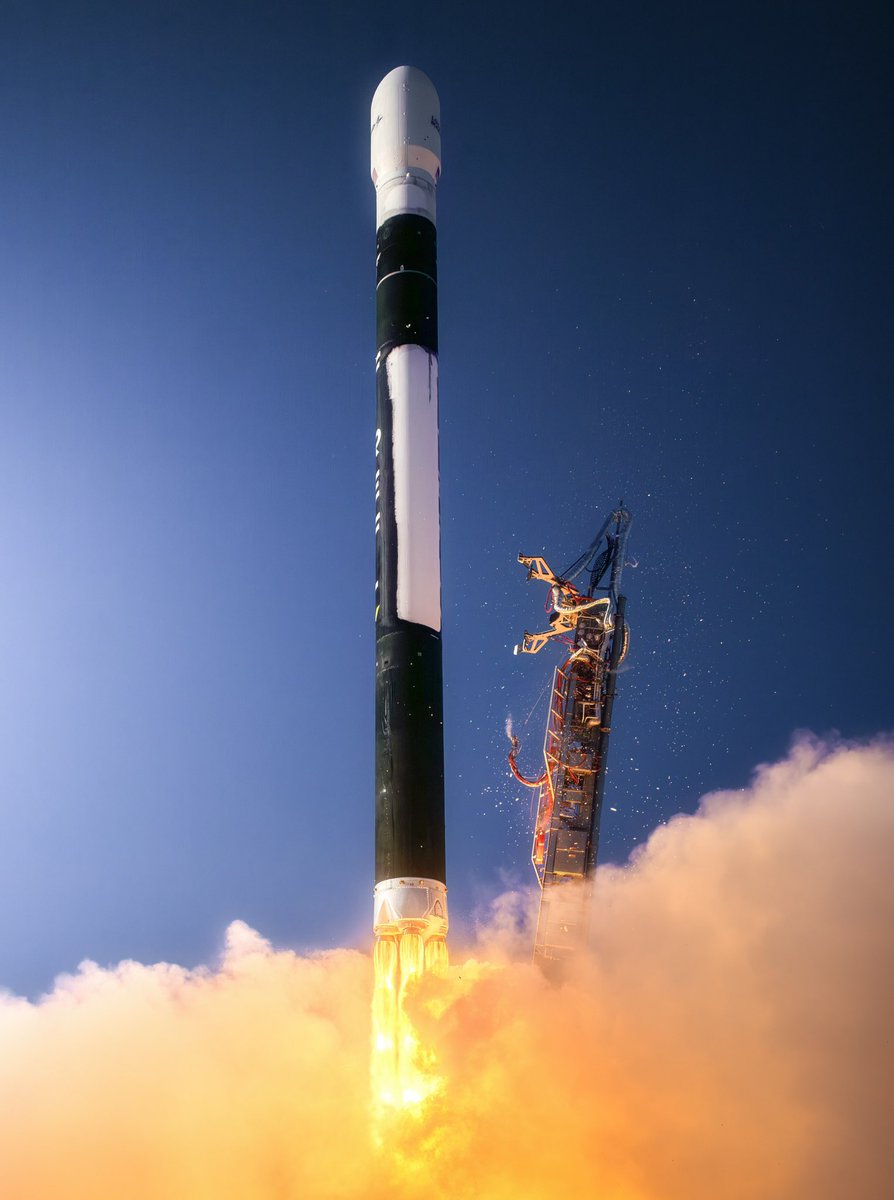
Mission success! Alpha Flight 7 achieved nominal performance and validated key systems ahead of our Block II configuration upgrade. This test flight also delivered a demonstrator payload for @LockheedMartin . Congratulations to the entire Stairway to Seven team! Read more: fireflyspace.com/news/firefly-a…
Firefly Aerospace tweet media
English
78
352
2.3K
196.8K
Edward
Edward@somefoundersalt·
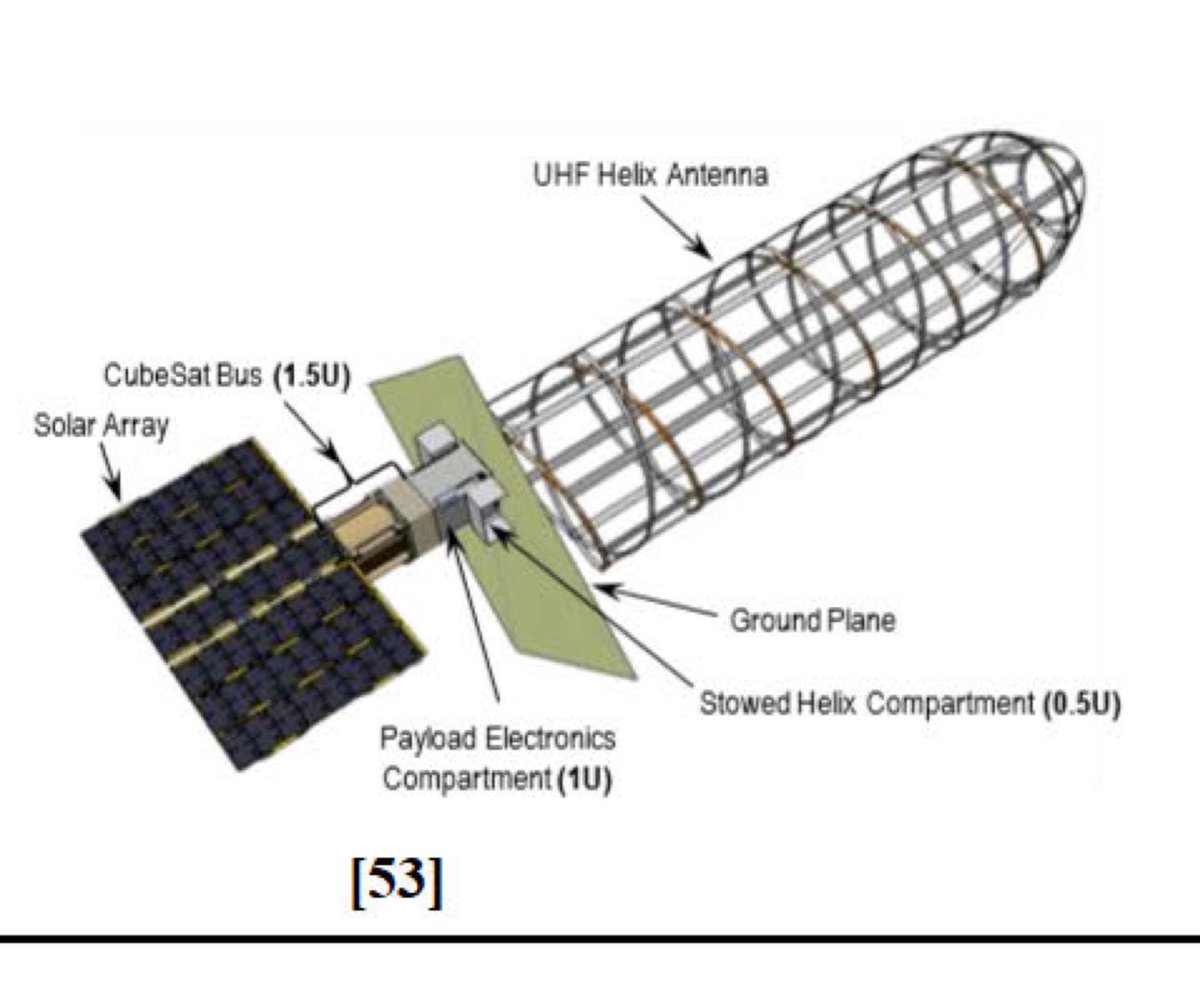
Was reading through some papers when I found a really…interesting design for a spacecraft antenna
Edward tweet media
English
7
2
83
4.4K
Adam
Adam@_adumbo_·
@SciGuySpace This is good. A number of my friends have gotten Blue offers, but a vast majority of them went elsewhere because of equity/stock FOMO.
English
0
0
19
1.7K
Eric Berger
Eric Berger@SciGuySpace·
A week ago I sent some questions to Blue Origin about its "monopoly money" stock options program. An hour ago, CEO Dave Limp tells the company they're launching a new stock options program. arstechnica.com/space/2026/03/…
English
29
38
644
105.3K
Samuel Cardillo
Samuel Cardillo@CardilloSamuel·
happy to announce that i've just entered the drone game. our team in australia have been hard at work. drone top from 450 to 650km/h if interested, dm. only authorized institutions.
English
68
60
896
213.9K
Adam
Adam@_adumbo_·
@GossipAero @TheCatholicEngr @DSchonhardt1 I’d argue that if that level of precision is needed, calipers are not my primary metrological instrument of choice. If I remember correctly, calipers usually aren’t trusted for any precision tighter than +/- 1 thou.
English
1
0
2
74
Adam
Adam@_adumbo_·
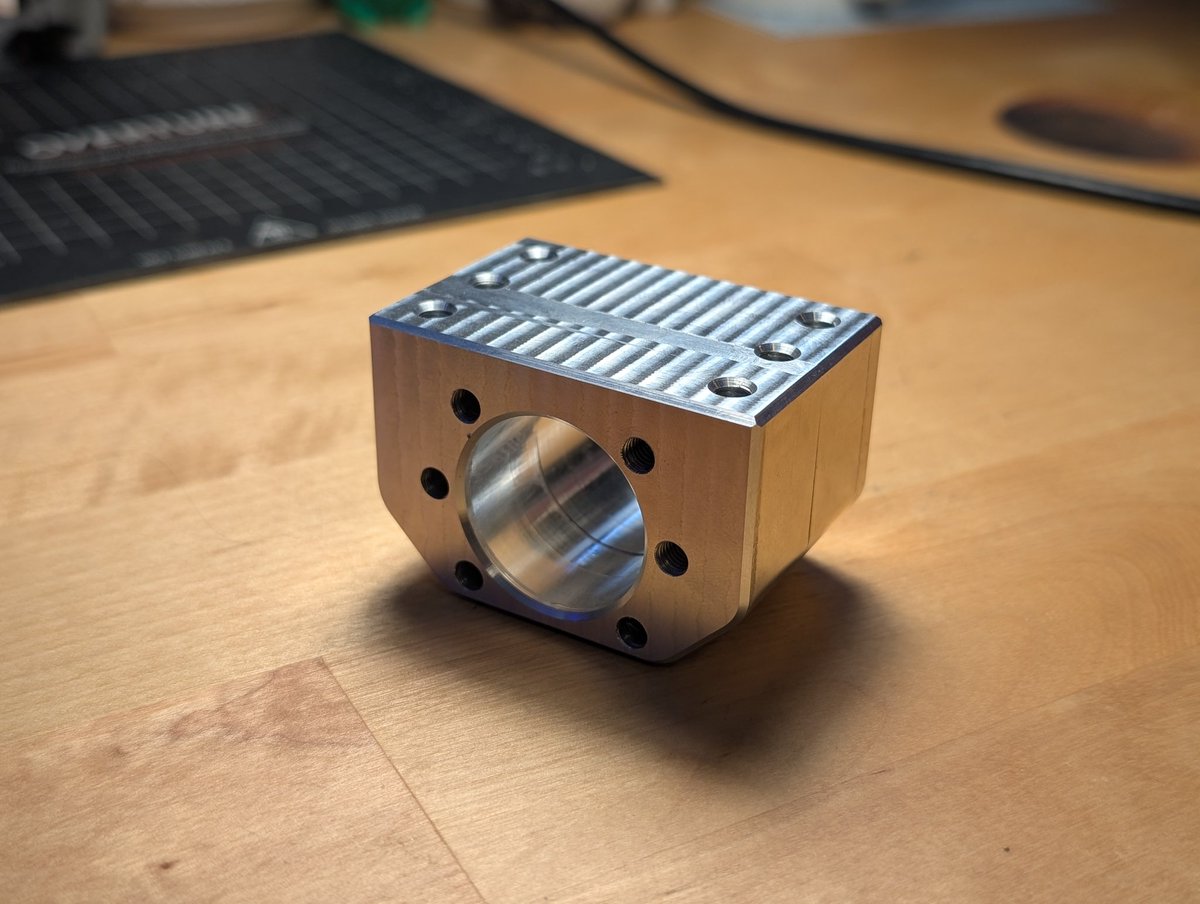
@GoddenThomas Did you tap those threads with the machine or manually?
English
1
0
2
258
Thomas Godden
Thomas Godden@GoddenThomas·
Finished machining the first real part. Lots to improve, but it's fun to have a block of metal you made in your room.
Thomas Godden tweet media
English
14
5
182
5.5K
Adam
Adam@_adumbo_·
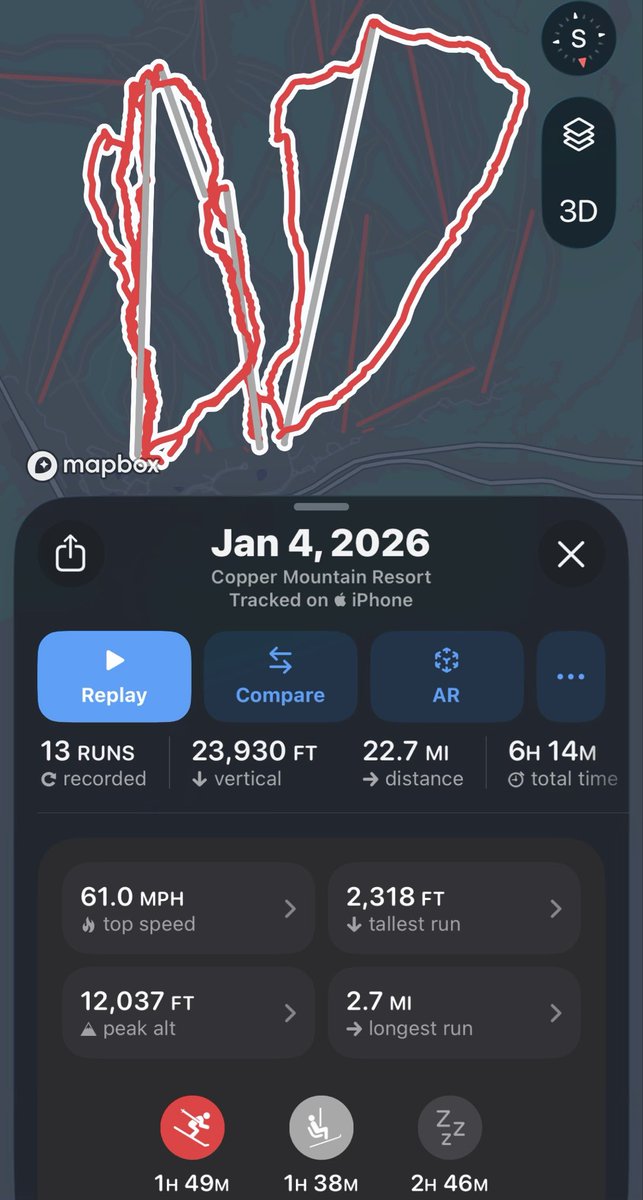
@Alex_Hoganson Can resonate with this tweet completely. This is my best speed of the season.
Adam tweet media
English
0
0
1
23
Alex Hoganson
Alex Hoganson@Alex_Hoganson·
my friends ski without slopes and I don’t even know how you have fun without recording top speed and tracking your vertical. do you even know your max heart rate???
English
1
0
3
151