

Elisa Caro
12.8K posts
Elisa Caro
@_caroscha
👩🏻🔬 BQ y PhD en farmacología. Science, series, shitpost & songs
Mordor, Chile Katılım Temmuz 2010
1.5K Takip Edilen360 Takipçiler

Did togashi intend for hskr to feel oddly romantic? How insane and obsessed they are with each other is strangely beautiful...
English
Elisa Caro retweetledi

We have spent years being told it is “just a period problem” while our skin, our weight, our mood, and our energy were all falling apart. Today, the medical world finally admitted you were right.
PCOS is now PMOS.
English
@BenjaminJLandon @FrailSkeleton Wonder Fair, right? It's amazing, a couple years ago I bought the best planner that I've ever had and some really nice art supplies
English

@FrailSkeleton There’s a store like that in Lawrence Kansas I absolutely love that we stumbled across on a drive from Colorado to Pennsylvania. I’ve wanted to open one ever since. Fountain Pens and other things we can hold and cherish. Glad others are seeing the value.
English

My neighbor is a marketing master. When she opened a “custom stationery store that also showcases local art” in a high rent area (with a big opening party with free food& drinks that I attended), I assumed it was a money losing hobby job for a bored wife. I was wrong
English
Elisa Caro retweetledi


Elisa Caro retweetledi

Elisa Caro retweetledi

sorry i can’t hang out i have to watch my close and personal astronaut friends come back to earth
NASA@NASA
Artemis II astronauts have traveled 252,756 miles from Earth, flown around the Moon, and observed the lunar surface like never before. Now, they’re coming home. 🌎 Watch the crew splash down on Friday, April 10, around 8:07pm ET (0007 UTC April 11). nasa.gov/ways-to-watch/
English
Elisa Caro retweetledi

The $46 billion vape industry hired flavor chemists to solve a specific problem: nicotine tastes bitter. The human tongue has T2R receptors that detect nicotine and trigger aversion. So the industry reverse-engineered the problem. They loaded e-liquids with fruity aromatic compounds like farnesol, farnesene, and ethyl butyrate that suppress the bitterness signal and activate sweetness perception through the orbitofrontal cortex instead.
Turns out they built something more powerful than a nicotine delivery system.
A 2023 study in the Journal of Neuroscience found that green apple vape flavorants, with zero nicotine present, independently fire dopamine neurons in the ventral tegmental area and increase dopamine release in the nucleus accumbens. The same reward circuitry that nicotine hijacks. The flavor chemicals alone were producing reward-seeking behavior in mice. A separate study found strawberry additives significantly increased nicotine vapor sampling, meaning the fruit smell made subjects inhale more of the drug without any conscious decision to do so.
95% of vape users choose flavored products. The industry has always framed this as “consumer preference.” The neuroscience says the flavors are pharmacologically active compounds that directly alter brain reward circuits and increase drug intake.
Now look at what those compounds do once the device gets tossed. The UK was discarding 5 million disposable vapes per week before the ban. The aromatic volatiles don’t stop broadcasting once the device is empty. Orthonasal olfaction, the same pathway that makes you smell a strawberry from across a room, works identically in mammals. A squirrel’s olfactory system processes fruity volatiles through the same receptor families humans use. The signal reads as food.
Nobody saw squirrels gnawing on Marlboro butts for 60 years. Vapes show up and suddenly there’s footage from London, Philadelphia, and Wales. The animals are chewing on lithium batteries wrapped in candy-scented plastic because the flavor engineering worked exactly as designed on a nervous system it was never tested on.
The lithium in those discarded vapes equals 5,000 electric vehicle batteries per year. Oxford researchers found the cells inside can cycle 450+ times, but the product is built to be used once and thrown in a park.
A squirrel holding a blueberry vape on a Brixton fence is the most honest product review the flavor chemists have ever received.
New York Post@nypost
Squirrels are 'vaping' e-cigarettes after mistaking fruity aromas for food trib.al/IvZIB0D
English

@_caroscha @Enel_Informa_CL Ahí está lo que sucedió.
San Eugenio con Matta oriente hace una hra.

Español
@Enel_Informa_CL hola se sabe algo de un corte en Ñuñoa por Edo Castillo Velasco??
Español
Elisa Caro retweetledi

Elisa Caro retweetledi

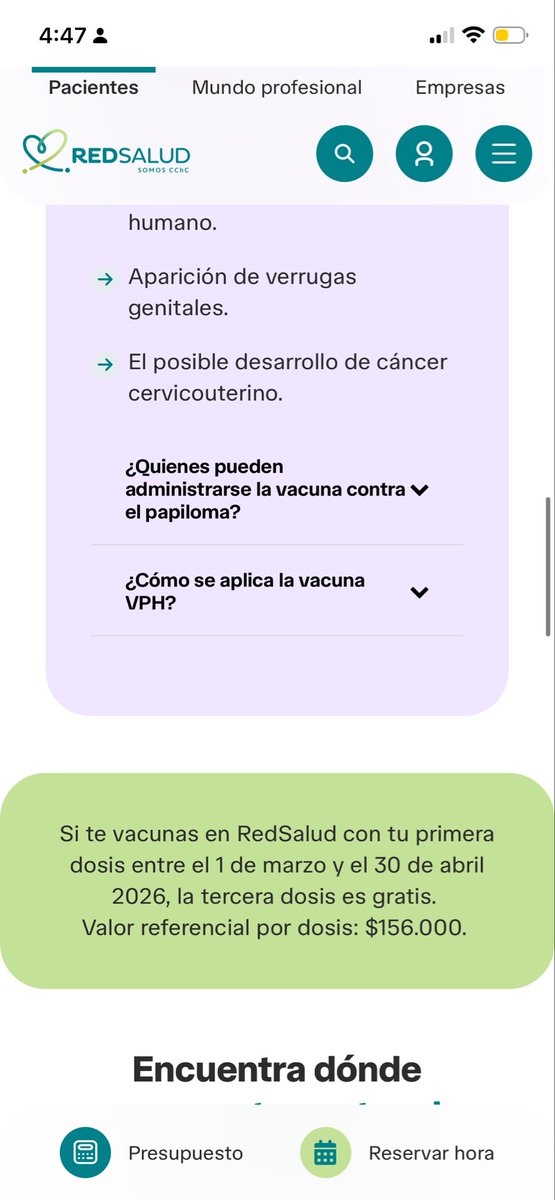
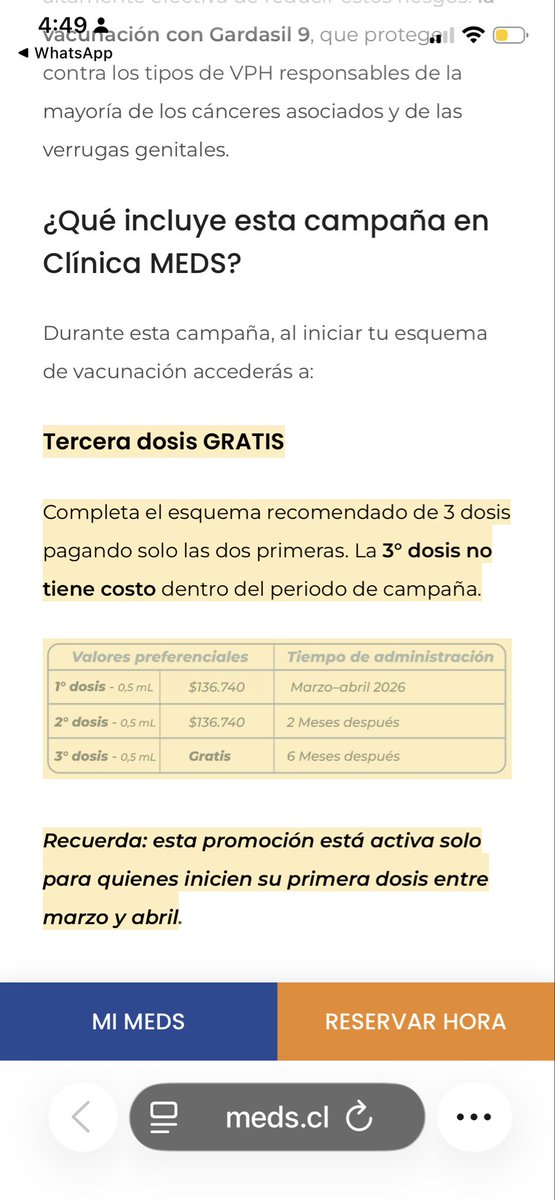
Amiguitas: clínica Med y Redsalud tienen la 3 dosis de la vacuna VPH, adjunto imágenes de las condiciones. @DescuentosRata
Español
Elisa Caro retweetledi

Elisa Caro retweetledi

Elisa Caro retweetledi


over ten years ago i was in a bar and met a co-workers fiancé for the first time: he could tell i was also a nerd and unloaded about his new job, which he had become obsessed with: genetically modifying chinese female hamster ovary cells in a lab a few hours from his house.
…
English
Elisa Caro retweetledi

Quando voce decide ir pra copacabana passar virada de ano e acaba caindo no exame hunter sem querer

Português


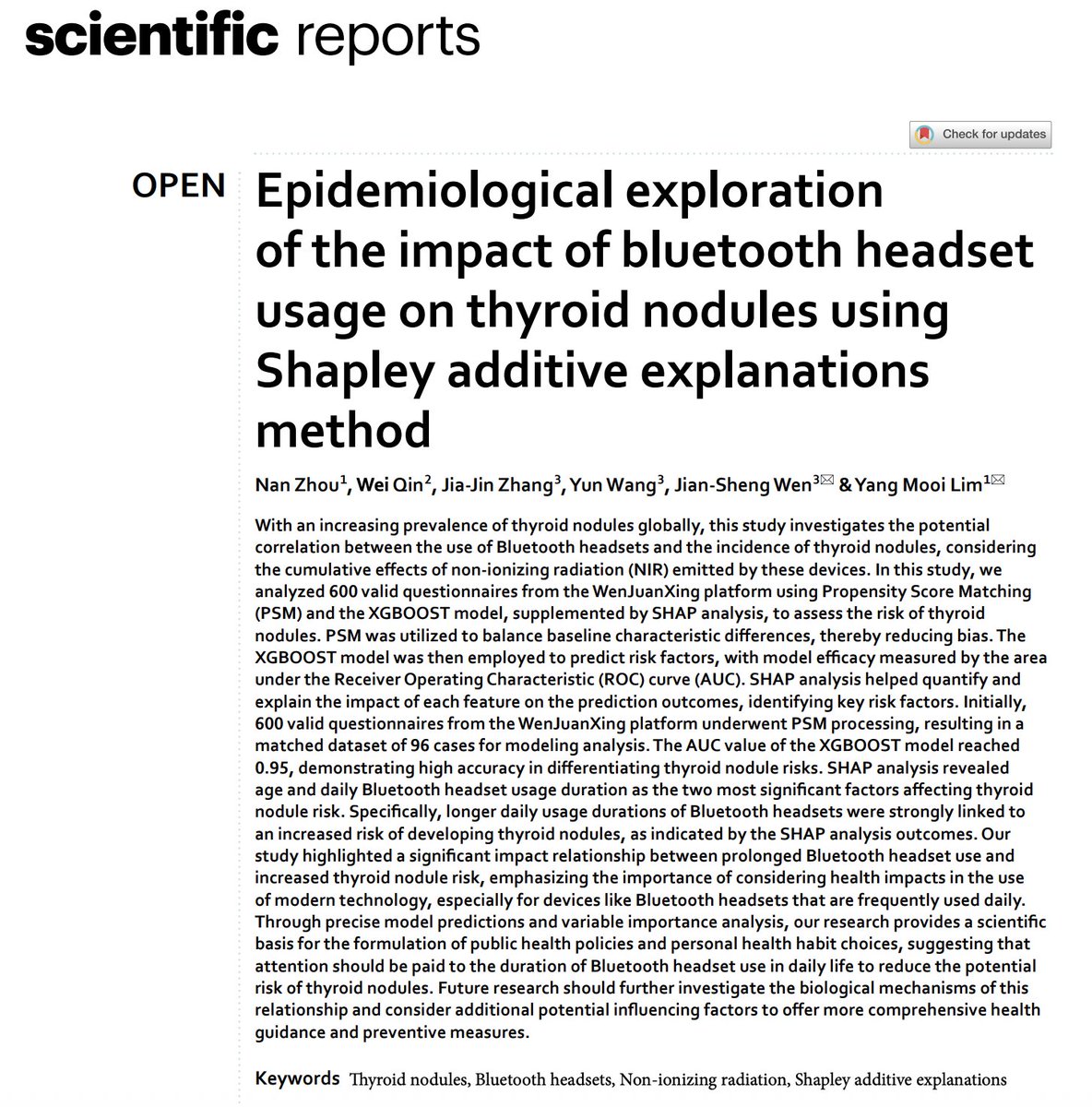
Bluetooth headphones might cause serious damage, new research has shown.
(🧵1/7)
English
Elisa Caro retweetledi

This paper from Harvard and MIT quietly answers the most important AI question nobody benchmarks properly:
Can LLMs actually discover science, or are they just good at talking about it?
The paper is called “Evaluating Large Language Models in Scientific Discovery”, and instead of asking models trivia questions, it tests something much harder:
Can models form hypotheses, design experiments, interpret results, and update beliefs like real scientists?
Here’s what the authors did differently 👇
• They evaluate LLMs across the full discovery loop hypothesis → experiment → observation → revision
• Tasks span biology, chemistry, and physics, not toy puzzles
• Models must work with incomplete data, noisy results, and false leads
• Success is measured by scientific progress, not fluency or confidence
What they found is sobering.
LLMs are decent at suggesting hypotheses, but brittle at everything that follows.
✓ They overfit to surface patterns
✓ They struggle to abandon bad hypotheses even when evidence contradicts them
✓ They confuse correlation for causation
✓ They hallucinate explanations when experiments fail
✓ They optimize for plausibility, not truth
Most striking result:
`High benchmark scores do not correlate with scientific discovery ability.`
Some top models that dominate standard reasoning tests completely fail when forced to run iterative experiments and update theories.
Why this matters:
Real science is not one-shot reasoning.
It’s feedback, failure, revision, and restraint.
LLMs today:
• Talk like scientists
• Write like scientists
• But don’t think like scientists yet
The paper’s core takeaway:
Scientific intelligence is not language intelligence.
It requires memory, hypothesis tracking, causal reasoning, and the ability to say “I was wrong.”
Until models can reliably do that, claims about “AI scientists” are mostly premature.
This paper doesn’t hype AI. It defines the gap we still need to close.
And that’s exactly why it’s important.

English