

Fyr ☣
160.4K posts
Fyr ☣
@_fyr
Bio Hazard, Techno-Mage full time, Warlock often, Net-Cleric sometimes FreeBSD
Earth, Milky Way Katılım Eylül 2009
1.3K Takip Edilen615 Takipçiler

@TribunePop23 Ce qui prouve bien que les usa sont un état terroriste
Français

📂🇺🇸FLASH INFO - L’ancien officier de la CIA John Kiriakou évoque en direct le dossier dans lequel la CIA aurait délibérément empoisonné Pont-Saint-Esprit en mettant secrètement du LSD dans la levure.
Il révèle comment la CIA administrait systématiquement des drogues à des Américains innocents pour extraire leurs secrets les plus intimes.
Tribune Populaire🌐@TribunePop23
💡 Le saviez-vous ? En 1951, à Pont-Saint-Esprit, en France, une vague de folie s'abat sur le village : hallucinations, crises de démence, décès… Officiellement attribuée à du pain contaminé, cette affaire du "Pain Maudit" serait en réalité des tests de la CIA. Des chercheurs avancent que la population aurait été exposée au LSD par voie aérienne, dans le cadre des expériences secrètes du projet MK-Ultra..
Français


@TribunePop23 Oui, il y a très longtemps, un docu était passé à la télé sur Arte où France 2 il me semble. Et il était explicite que cela venait de la CIA, les dossiers avaient été declassifiés. Sur you tube vous pourrez trouver des extraits, mais je ne retrouve plus le docu que j’avais vu.
Français

@AnnieGenevard @Agri_Gouv Le rapport entre l’agricultire et une opé de comm à 13 euros le kilo ?
Français

1,29€ seulement pour la tomate française.
C’est le prix d’un geste fort pour nos agriculteurs et pour notre souveraineté alimentaire. Pensez-y !
Français
@L_ThinkTank @Thinker_View Le pb c’est qu’on sait reflechir 95% ou plus d’un laser infrarouge avec une fine couche d’alu de l’ordre du 1/4 de la longueur d’onde. Et c’est facile à déposer sur n’importe forme pour pas très cher (cvd/pvd)
Du coup va falloir beaucoup d’energie. Beaucoup.
Français

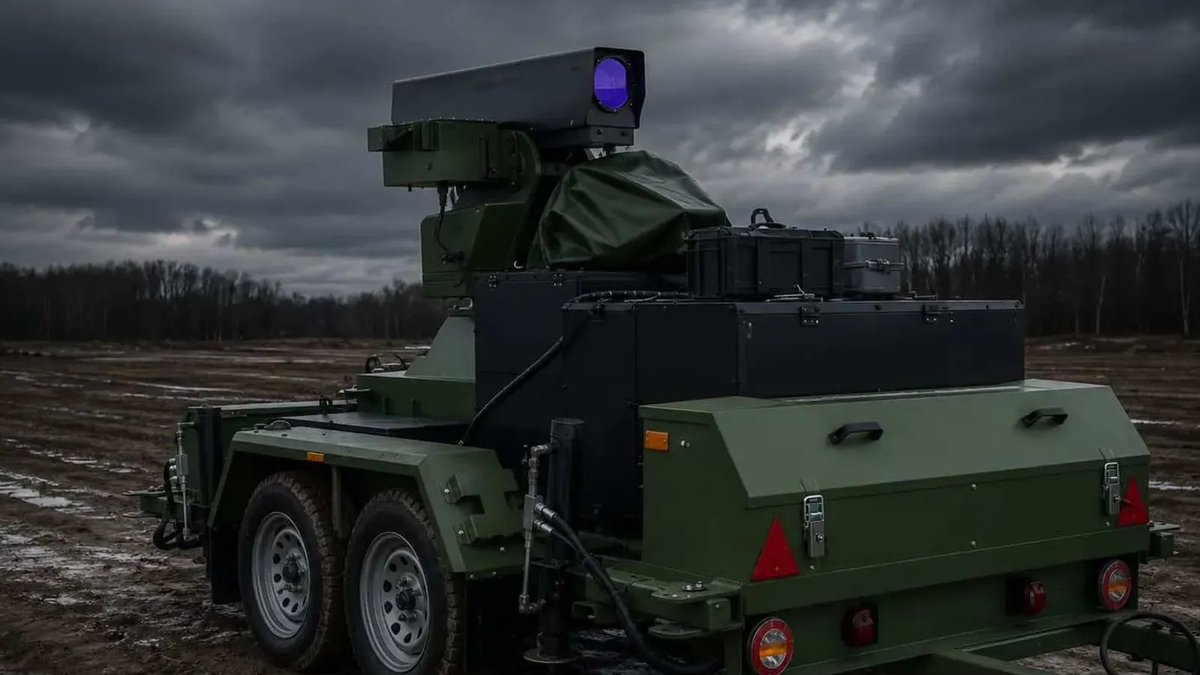
[ 🇺🇦 UKRAINE ]
🔸 Une entreprise ukrainienne affirme avoir développé un système laser capable de détruire des drones à plus de 5 km, notamment des modèles Shahed, avec un coût bien inférieur aux missiles intercepteurs.
Baptisé « Trident », ce dispositif serait déjà testé sur le front depuis fin 2024 et s’appuie sur l’intelligence artificielle pour détecter et suivre automatiquement ses cibles.
L’objectif est de répondre au déséquilibre économique de la guerre des drones, où des engins à bas coût sont neutralisés par des missiles valant plusieurs millions de dollars.
Français
@jurgon55 @szczepdim1 @__julienf__ @NoviaNewsGroup Euh c’est pareil…
En plus on les congèle vivant aussi. Et ceux en vivier bah ca clapse direct dans l’eau bouillante ca prend pas une heure
Français

@szczepdim1 @__julienf__ @NoviaNewsGroup La tendresse de la chair n’est pas la même si tu tues le homard avant de la bouillir..
Français

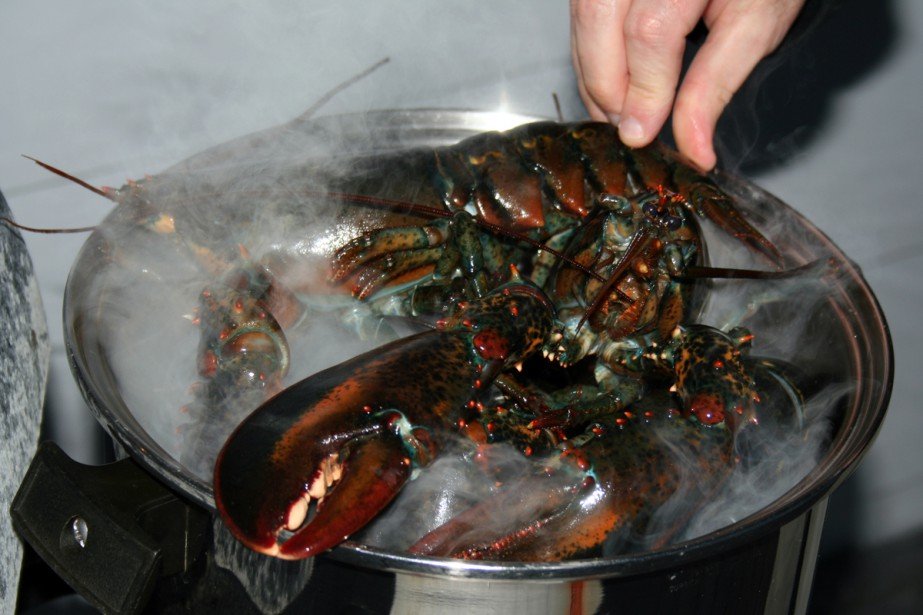
🚨🇨🇭 FLASH | La Suisse interdit désormais l’ébullition des homards vivants.
Français

🔴 MACRON | « Je me souviens lorsque nous étions au G7. Le président Biden était assis avec le président Macron, et le président Biden a dit : "L'Amérique est de retour." Et Macron a répondu : "Pour combien de temps ?" »
– Anthony Blinken, ancien secrétaire d'État américain
Français
@stephanie_rist @institutpasteur C’est la souche qui a 30-50% de mortalité ?
Français

L’@institutpasteur a réalisé le séquençage complet de la souche Andes détectée chez une passagère française du MV Hondius.
Le virus analysé correspond aux souches déjà connues et surveillées en Amérique du Sud. À ce stade, aucun élément ne laisse penser à l’apparition d’un variant susceptible d’être plus transmissible ou plus dangereux.
Ce travail de séquençage nous permet de mieux comprendre le virus et de garantir une surveillance sanitaire étroite.
Les données seront partagées avec la communauté scientifique internationale selon les protocoles en vigueur.
Français
@Bordeauben95316 @stephanie_rist @institutpasteur Comme d’hab. Du contact d’un humain avec un reservoir
Le reservoir c’est un animal qui a le virus dans son génome le fabrique en permanence et le domine.
Français

@stephanie_rist @institutpasteur Pouvez vous nous dire d'où vient d'un seul coup ce virus svp ?
Français
@ClementGaill @paysannature Au pire allez faire maçon ou couvreur et venez nous parler de votre ressenti 🤷♂️
Français

@paysannature Si si il faut des études scientifiques, sinon on se base que sur des impressions et notre corps n'est pas un thermomètre. Et non la température sous arbre n'est pas toujours inférieure, elle peut même être supérieure de nuit !
Français
Avec l'été, c'est le retour de ces visuels sur le rafraîchissement : il s'agit ici de températures de SURFACE, pas de l'AIR.
Dans l'image, le personnage est dans une température de l'air homogène d'environ 33°C. Il ne fait pas 27°C sous l'arbre et 50°C à 1 mètre sur les pavés.
Massimo@Rainmaker1973
Trees have a cooling effect, this is quite easy to understand. But their effect is considerble, especially in summer's heat waves: they can reduce the cities' surface temperature in the summer by a significant level.
Français
Alors y a des espèces de mammifères qui depuis 60 millions d’années ont le code génétique 🧬 d’ebola dans le leur. Ils le produisent en permanence mais le dominent. Evidement vu que l humain empiète leur domaine de vie PAF..
Le Parisien@le_Parisien
« Un risque élevé de propagation » : la RDC frappée par une nouvelle épidémie d’Ebola, 65 décès suspects ➡️ l.leparisien.fr/Pg9M
Français

Alerte croissance ! Notre petit protégé a doublé son poids en 15 jours : 700g de ronrons et d’amour ! Seul bémol : il prend nos pieds et nos mains pour des proies. Des astuces pour lui apprendre que les humains ne sont pas des jouets à mâcher ?


Français
@prof1054 @MRousselie Un doigt sur le front comme la patoune de maman
Si vous le pouvez faut le laisser avec sa maman et ses freros 2-3 mois.
Français
@PythonCEstLaVie @tim_ide_ Bah justement bonne raison pour lever le pied et prendre des bagnoles pas de 2T
Français

@tim_ide_ Oui parce que les humains sont des robots infaillibles et que le traffic routier est toujours parfaitement prévisible et dans le cadre prévu par code de la route, ce texte sacré et parfait écrit par dieu qui envisage tous les scénarios possibles.
Français

m’est avis que quand vous êtes au volant d’un objet de 2 tonnes qui roule à 100 km/h vous devez absolument être attentif à TOUT
EnZigZag 🍩@EnZigZag
@clementvermot Traquer les """excès""" de vitesse de moins de 10 km/h est en réalité une taxe sur l'inattention 🤷
Français

This rare example of Roman *lorica squamata*, or scale armor, was designed specifically for a cavalry horse and dates to 3rd Century AD. Found at sites like Dura-Europos, this type of protection was used by heavy cavalry units known as cataphracts. The armor consists of hundreds of small bronze or iron scales sewn onto a fabric backing, providing a flexible yet formidable defense against arrows and melee weapons.
The use of such extensive armor reflects the changing nature of warfare in the later Roman Empire, as they encountered the specialized cavalry tactics of eastern empires. Protecting the horse was as vital as protecting the rider, as a downed mount often meant the death of the soldier. The design allowed for the necessary movement of the animal while maintaining a continuous barrier of overlapping metal.
This artifact offers a direct link to the tactical innovations of the Roman military machine. It highlights the immense resources dedicated to the equipment of specialized units and the logistical complexity of maintaining a cavalry force. The horse armor remains a powerful symbol of the intersection between human ingenuity and the harsh realities of ancient combat.
National Museum of Syria, Damascus
#archaeohistories

English
GIF
ArchaeoHistories@histories_arch
This rare example of Roman *lorica squamata*, or scale armor, was designed specifically for a cavalry horse and dates to 3rd Century AD. Found at sites like Dura-Europos, this type of protection was used by heavy cavalry units known as cataphracts. The armor consists of hundreds of small bronze or iron scales sewn onto a fabric backing, providing a flexible yet formidable defense against arrows and melee weapons. The use of such extensive armor reflects the changing nature of warfare in the later Roman Empire, as they encountered the specialized cavalry tactics of eastern empires. Protecting the horse was as vital as protecting the rider, as a downed mount often meant the death of the soldier. The design allowed for the necessary movement of the animal while maintaining a continuous barrier of overlapping metal. This artifact offers a direct link to the tactical innovations of the Roman military machine. It highlights the immense resources dedicated to the equipment of specialized units and the logistical complexity of maintaining a cavalry force. The horse armor remains a powerful symbol of the intersection between human ingenuity and the harsh realities of ancient combat. National Museum of Syria, Damascus #archaeohistories
ZXX
@NicLechat @le_Parisien Les fameux policiers qui couinent aux armes par destination dès que possible ?
Français

@le_Parisien J’ai un ami policier qui m’a conseillé ça. Personne ne pourra rien y trouver à redire, ce n’est pas une arme mais c’est redoutablement efficace.
Français

« Pulvériser ça dans les yeux d’un homme menaçant » : laque et déodorant, les nouvelles armes anti-agressions des femmes
➡️ l.leparisien.fr/j2SF

Français
@arminarefi Quel bullshit
Même l’AIEA reconnait s’être faite berner. Obama n’a jamais pu vérifier que l’Iran respectait les regles. Iran qui lui même fanfaronait des taux d’enrichissement ou même avoir fini une 2eme usine.
Français

C'EST DIT. « Nous avons réussi, sans tirer un seul missile. Nous avons sorti 97 % de leur uranium enrichi » d'Iran.
Barack Obama, ex-président des États-Unis, avril 2026, sur l'accord sur le nucléaire iranien de 2015, déchiré par Donald Trump alors que Téhéran le respectait.
Français