Sabitlenmiş Tweet

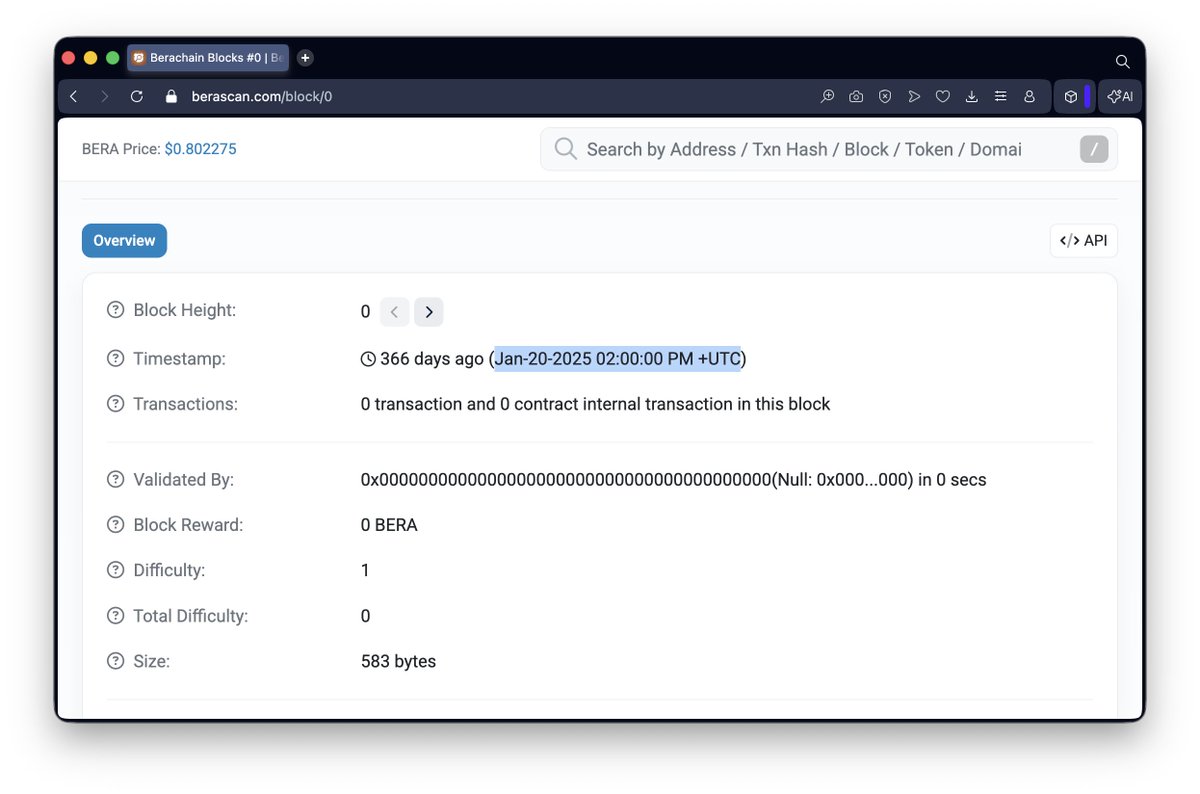
Big up @The_HoneyCast for the juicy 1/1 🙏 honored to be collabing with true OGs
wif mainnet thoon its time to give yall some alfafa as to what we've been cooking over at @buildabera 🧵⤵️
English
Ian
1.1K posts

@_ianchain
ops @buildabera 🐻⛓️ | prev @okx @brincvc

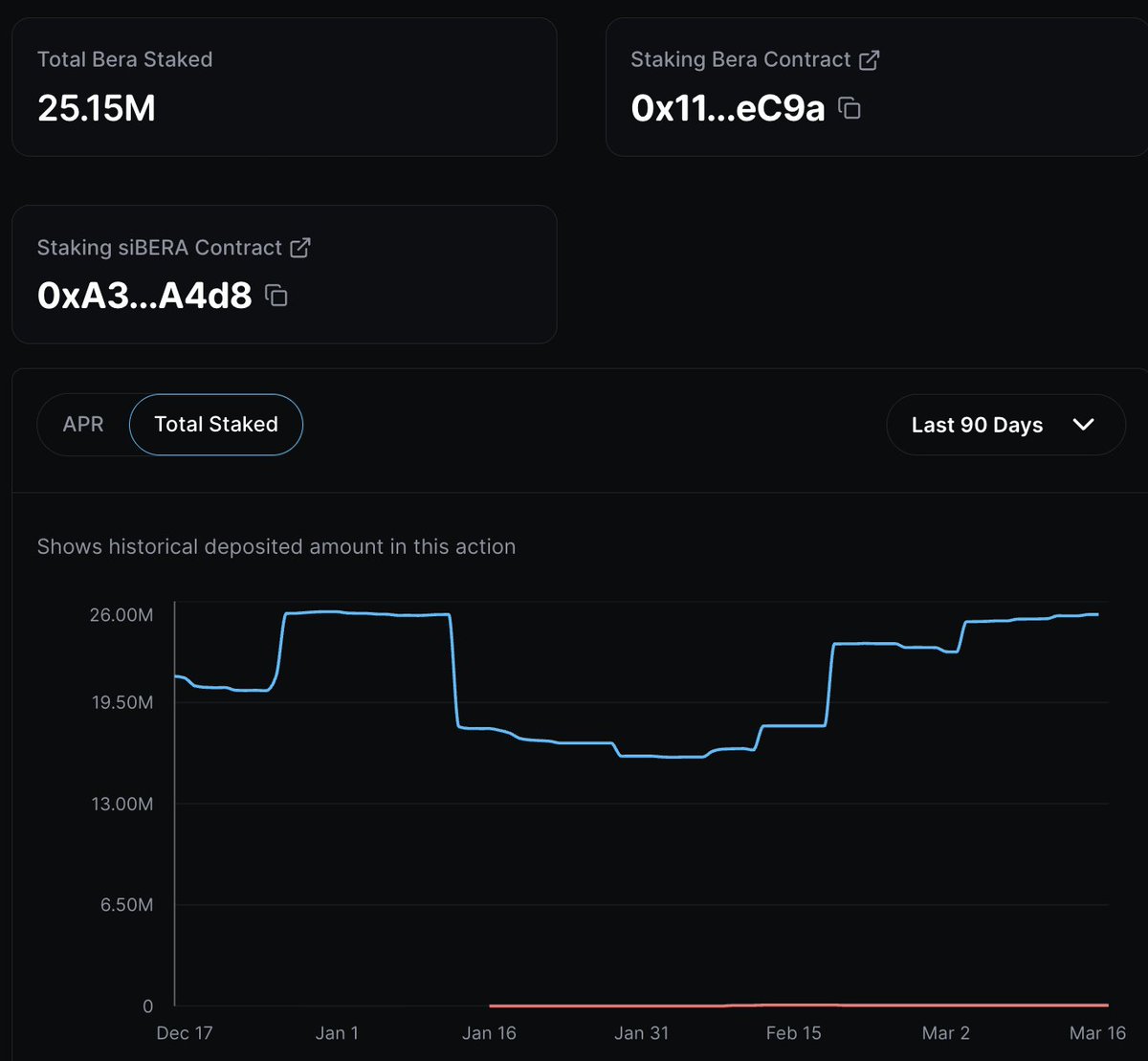

Our boys at @playonjoy are absolutely cooking atm. Launching soon, Joy is about to bless the timeline with a whole host of exciting announcements. Be at the forefront of gaming and follow the team @playonjoy to not miss a beat. BAB is back 🐻⛓️



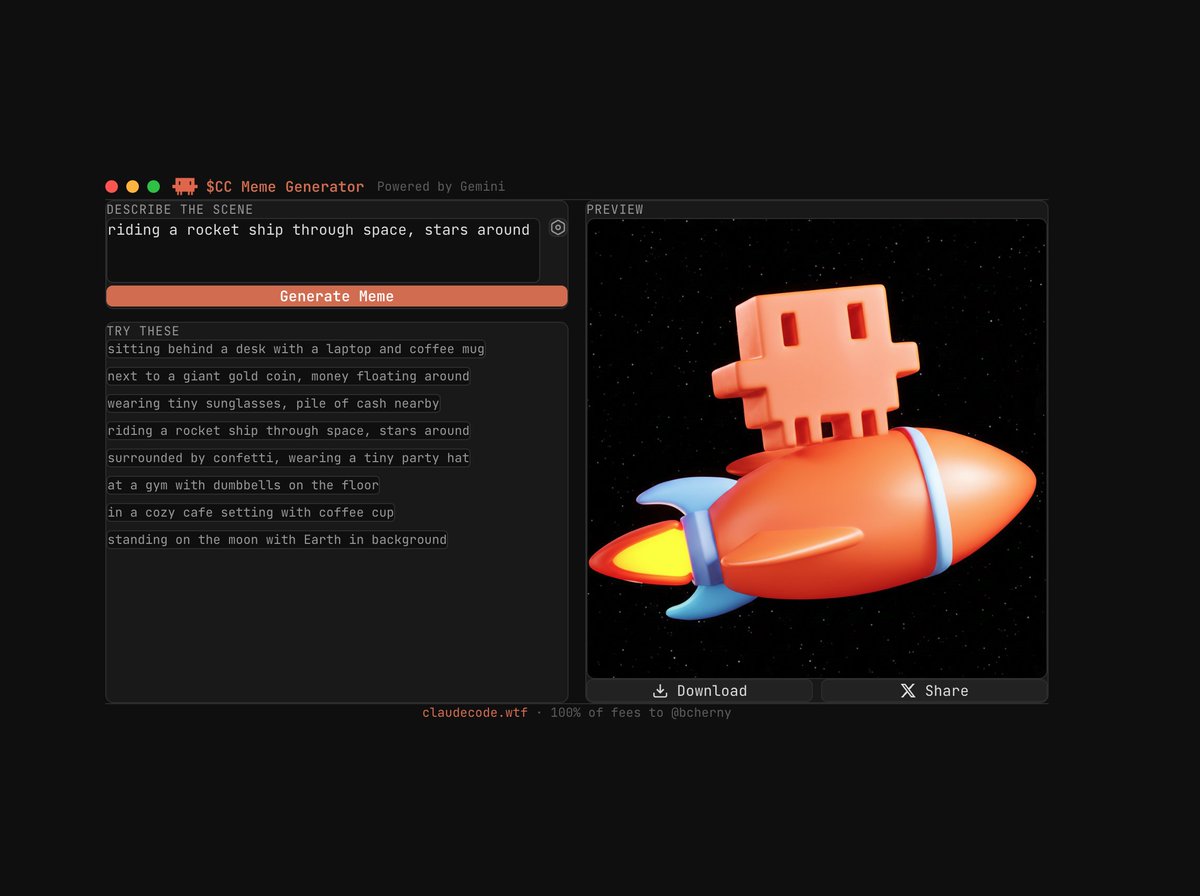


When I created Claude Code as a side project back in September 2024, I had no idea it would grow to be what it is today. It is humbling to see how Claude Code has become a core dev tool for so many engineers, how enthusiastic the community is, and how people are using it for all sorts of things from coding, to devops, to research, to non-technical use cases. This technology is alien and magical, and it makes it so much easier for people to build and create. Increasingly, code is no longer the bottleneck. A year ago, Claude struggled to generate bash commands without escaping issues. It worked for seconds or minutes at a time. We saw early signs that it may become broadly useful for coding one day. Fast forward to today. In the last thirty days, I landed 259 PRs -- 497 commits, 40k lines added, 38k lines removed. Every single line was written by Claude Code + Opus 4.5. Claude consistently runs for minutes, hours, and days at a time (using Stop hooks). Software engineering is changing, and we are entering a new period in coding history. And we're still just getting started..



Notable that Black Friday sales data shows: -A 9.1% increase spend from last year. But: -A -1% in total item volume from last year. -Prices +7% higher. -Consumers bought on average 4.1% fewer items. And: -An 11% increase on buy-now-pay-later use. -Klarna specific use up 45% by volume since last year Meaning: -Roughly 11% of ALL Black Friday spending was financed through BNPL. -And 84% of all purchases were financed by credit cards, where 67% of those consumers expect to not pay the full balance in the first month. So overall: -A total of 95% of Black Friday shopping ($11.2B) was financed. -And, 67% ($7.9B) was financed on debt that consumers do not expect to be able to pay in the next 30 days. This is the sign of a weakening and stretched consumer.