Sabitlenmiş Tweet
Matteo Troìa
5.5K posts

Matteo Troìa
@_matteotroia
Papà di G&T | Data Scientist @Capgemini | Runner | Già @teamdigitaleIT e Commissione Digitalizzazione PA di @Montecitorio | “Senza fretta, ma senza sosta”
Bologna Katılım Haziran 2010
3.9K Takip Edilen1.4K Takipçiler
Matteo Troìa retweetledi

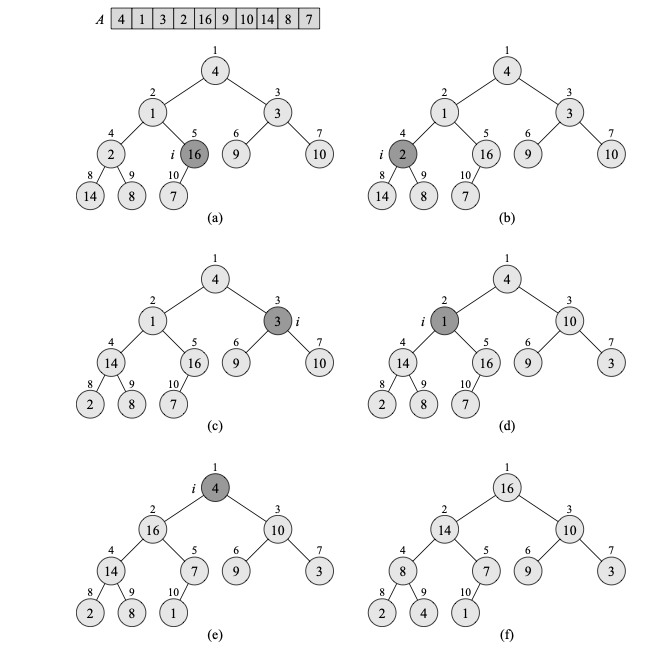
"Introduction to Algorithms" is an extraordinary university-level resource for anyone studying algorithms and computer science.
It covers computational complexity, data structures, graph algorithms, dynamic programming, divide and conquer methods, greedy algorithms, randomized algorithms, and many of the mathematical foundations underlying modern computer science.
What makes it particularly valuable is the balance between mathematical rigor and practical algorithmic reasoning. It is one of those books that profoundly shapes the way you think about problems, efficiency, and computation itself.
An absolute must-have in the toolkit of anyone working in computer science.
cs.mcgill.ca/~akroit/math/c…

English
Matteo Troìa retweetledi

The Little Book of Deep Learning by François Fleuret is a beautiful example of how a complex field can be reduced to its essential structure.
No hype, no noise. Just the core ideas, clearly explained.
fleuret.org/public/lbdl.pdf
English
Matteo Troìa retweetledi

今天刷到这篇文章几次,说点不一样的。与其说 AI First,不如说软件工程 First。
这篇文章看着在讲 AI,底下全是软件工程。
抛开后面讲组织和人的部分,原文前半段的重点简单总结一下:
AI 时代,人成了瓶颈。PM 花几周做需求,AI 两小时就能实现,PM 成了瓶颈。QA 测三天,AI 写代码只要两小时,QA 成了瓶颈。团队 25 个人,对手几百人,人力也是瓶颈。
怎么办?把人从链条里拿掉。AI 写代码、AI 审查代码、AI 跑测试、AI 部署上线、AI 监控线上状态,出了问题自动回滚。每天定时扫描日志,自动发现问题、分配任务、跟踪修复。整条流水线跑起来,人只需要在关键节点做判断。
至于文中提到的统一代码库,锦上添花,和 AI First 关系不大。有当然更好,没有也有很多替代方案。
整套方案听下来,逻辑自洽,效果也漂亮:一天部署好几次,功能当天上当天撤,数据说了算。
但先别急着照搬,先对照自己的情况想几件事:
第一,自动化测试。AI 改完代码,你得有办法确认它没搞崩别的功能。测试覆盖不够的话,每次 AI 提交代码你都得人工回归一遍,那速度根本快不起来。
第二,CI/CD 流程。从提交代码到部署上线,中间的测试、审查、发布、回滚,是不是全自动跑通了?这条流水线不通,AI 写得再快,代码也堆在那儿等人手动处理。
第三,A/B 测试和线上监控。新功能上线之后效果好不好,得有数据说话,效果不好得能随时关掉。没有这套机制,AI 一天产出五个功能,你都不知道哪个该留哪个该砍。
第四,任务管理。任务得拆到合适的粒度,生命周期得跟踪得住。一个大而模糊的任务丢给 AI,现在的能力还啃不动。多个 Agent 同时干活的时候,谁做哪个、哪个优先、做到什么程度,这些都得有地方管。
第五,系统架构。架构太乱或者压根没有架构的代码,AI 维护起来跟人一样头疼。上下文塞满了还是搞不清边界在哪,改一处崩三处。
这几条里如果有做不到的,就得靠人去补。补不上,AI First 就只是一句口号。
但假设你全做到了,就能 AI First 了?
还是不行。这套玩法只适合一部分场景。
什么场景适合?后端逻辑为主、界面不复杂的产品,比如 API 服务、数据处理平台、内部工具。功能好不好,跑一下数据就知道,不需要人去盯着每个像素。原文里的就是个 Agent 平台,本质上是后端驱动的产品,可以用这套打法。
再比如早期产品快速试错,功能上了不行就撤,用户预期本来就没那么高,AI 的速度优势能充分发挥。
但很多场景玩不转。
比如 UI 密集的产品。自媒体天天喊前端已死,但你让 AI 做个复杂界面试试,各种易用性问题、交互细节、视觉还原,它搞不定的。否则马斯克靠 AI 早就改了不知道改版 X 多少次了。
比如对功能质量敏感的产品。Anthropic 和 OpenAI 不知道 AI First 吗?他们敢在 Claude Code 和 Codex 上这么搞吗?让 AI 全自动迭代自家的核心产品,用户不骂死才怪。
再比如安全性要求高的场景,银行系统、在线交易平台,AI 代码出个差错,那可不是回滚能解决的。
AI First 的方向没有错,它代表的是一种意识的转变:每做一个决策的时候,想一想这件事能不能让 AI 来做,如果不能,缺什么条件,怎么把条件补上。
但这种意识要落地,靠的不仅是买几个 AI 工具的订阅,还需要把基础搭好。测试、CI/CD、监控、架构、任务管理,这些做扎实了,AI 的能力自然能释放出来。做不好,加再多 AI 也是在沙子上盖楼。
从这个角度看,AI First 的终点未必是让 AI 干所有的活,而是借着这股力量,把你一直想做但没动力做的工程改进,真正推动起来。
仰望星空是好的,但也还要脚踏实地。
Peter Pang@intuitiveml
中文
Matteo Troìa retweetledi

🚨 Andrej Karpathy documented the exact ways LLMs fail at coding. Someone turned those observations into a single Claude config file.
It's called andrej-karpathy-skills.
+3,741 stars this week.
Why it's great:
Claude Code makes the same mistakes on every project. It over-explains. It adds code you didn't ask for. It ignores constraints you set 3 prompts ago.
Most people just accept this as the baseline. Karpathy didn't.
He catalogued the failure patterns. This repo converts every one of them into a CLAUDE.md instruction that fixes the behavior at the source.
How to use it:
Drop the CLAUDE.md file into the root of any project. Claude reads it automatically on every session.
No prompt engineering on every request. No babysitting. The behavior changes once and stays changed.
One file. Every project.

English
Matteo Troìa retweetledi

Middle management existed to pass information up and down the org chain.
AI removes this middle management layer and flattens orgs.
Great article suggests we only need 3 roles in an org:
ICs (builders), DRIs (owners), and player-coaches (builders who lead).
jack@jack
English
Matteo Troìa retweetledi

In honor of Apple's 50th anniversary tomorrow, here is my favorite Steve Jobs quote on what a founder actually does:
"There needs to be someone who is the keeper and reiterator of the vision.
Because there's just a ton of work to do. A lot of times, when you have to walk a thousand miles and you take the first step, it looks like a long way.
It really helps if there's someone there saying, 'Well, we're one step closer. The goal definitely exists. It's not just a mirage out there.'
So in a thousand and one little, and sometimes larger, ways, the vision needs to be reiterated."

English
Matteo Troìa retweetledi

Today, we’re introducing Forge, a system for enterprises to build frontier-grade AI models grounded in their proprietary knowledge.
🌎 Forge bridges the gap between generic AI and enterprise-specific needs. Instead of relying on broad, public data, organizations can train models that understand their internal context embedded within systems, workflows, and policies, aligning AI with their unique operations.
We have already partnered with world-leading organizations, like ASML, DSO National Laboratories Singapore, Ericsson, European Space Agency, Home Team Science and Technology Agency (HTX) Singapore and Reply to train models on the proprietary data that powers their most complex systems and future-defining technologies.
English
Matteo Troìa retweetledi

It is hard to communicate how much programming has changed due to AI in the last 2 months: not gradually and over time in the "progress as usual" way, but specifically this last December. There are a number of asterisks but imo coding agents basically didn’t work before December and basically work since - the models have significantly higher quality, long-term coherence and tenacity and they can power through large and long tasks, well past enough that it is extremely disruptive to the default programming workflow.
Just to give an example, over the weekend I was building a local video analysis dashboard for the cameras of my home so I wrote: “Here is the local IP and username/password of my DGX Spark. Log in, set up ssh keys, set up vLLM, download and bench Qwen3-VL, set up a server endpoint to inference videos, a basic web ui dashboard, test everything, set it up with systemd, record memory notes for yourself and write up a markdown report for me”. The agent went off for ~30 minutes, ran into multiple issues, researched solutions online, resolved them one by one, wrote the code, tested it, debugged it, set up the services, and came back with the report and it was just done. I didn’t touch anything. All of this could easily have been a weekend project just 3 months ago but today it’s something you kick off and forget about for 30 minutes.
As a result, programming is becoming unrecognizable. You’re not typing computer code into an editor like the way things were since computers were invented, that era is over. You're spinning up AI agents, giving them tasks *in English* and managing and reviewing their work in parallel. The biggest prize is in figuring out how you can keep ascending the layers of abstraction to set up long-running orchestrator Claws with all of the right tools, memory and instructions that productively manage multiple parallel Code instances for you. The leverage achievable via top tier "agentic engineering" feels very high right now.
It’s not perfect, it needs high-level direction, judgement, taste, oversight, iteration and hints and ideas. It works a lot better in some scenarios than others (e.g. especially for tasks that are well-specified and where you can verify/test functionality). The key is to build intuition to decompose the task just right to hand off the parts that work and help out around the edges. But imo, this is nowhere near "business as usual" time in software.
English
Matteo Troìa retweetledi

🚨 BREAKING: Someone built the one tool every AI coder was silently begging for.
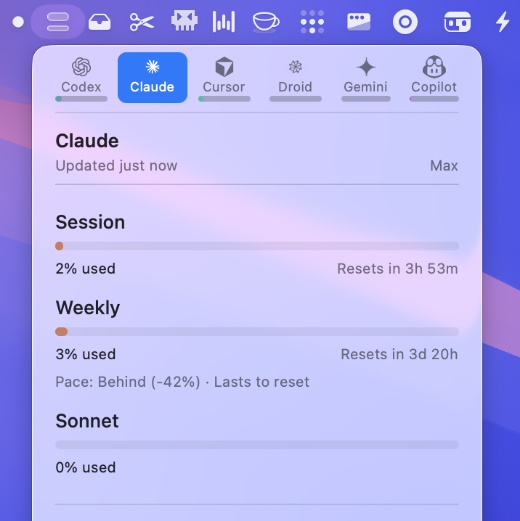
It's called CodexBar — a tiny macOS menu bar app that tracks your AI usage limits in real-time.
No more "why did my Claude Code stop working?" No more logging into dashboards. No more guessing when your limits reset.
Here's how it works:
→ Lives in your menu bar — always visible, zero distraction
→ Shows session + weekly usage for every AI coding tool you use
→ Countdown timer tells you exactly when your limits reset
→ Tracks Codex, Claude Code, Cursor, Gemini, Copilot, Kiro, and more
→ One icon per provider or merge them all into one
Here's the wildest part:
It reads your local data. No passwords stored. No cloud sync. No login required. Pure on-device privacy.
It even has a built-in CLI so you can check usage from your terminal or CI pipelines.
Install in one command:
brew install --cask steipete/tap/codexbar
1.7K GitHub stars. 1,177 commits. 28 contributors. Actively maintained.
100% Open Source. MIT License.

English
Matteo Troìa retweetledi

After many years of development, I’m excited to share the interior of the first electric Ferrari designed by LoveFrom. Tactile controls and digital interactions blend into one cohesive interface, shaped through deep collaboration across engineering, interaction, graphics, typography, sound, and industrial design. So incredibly proud of the thoughtfulness and care the team brought to every detail.
ferrari.com/en-US/auto/fer…
English
Matteo Troìa retweetledi

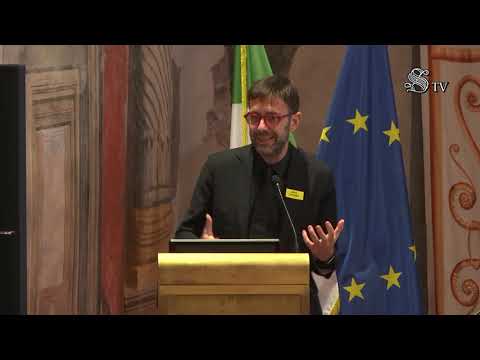
La nostra capacità di attenzione è crollata: da 2,5 minuti a circa 45 secondi.
Il 45% degli adolescenti è quasi sempre online e usa la rete come canale principale per costruirsi un’idea “informata” della realtà.
Il problema?
Non cerchiamo più risposte, ma storie belle che confermano ciò che pensiamo già, dentro una bolla cognitiva a basso sforzo mentale.
Tutto questo è uno dei segnali della crisi epistemica che stiamo vivendo.
🎥 Video completo tratto dal mio intervento al Senato della Repubblica su “Il potere dell’IA”: youtube.com/watch?v=UcAR72…
#IntelligenzaArtificiale #AI #CrisiEpistemica #GuerraCognitiva #Algoritmi #ArchitettiDellaRealtà #PensieroCritico #BollaCognitiva #SocialMedia

YouTube
Italiano
Matteo Troìa retweetledi

How to get ChatGPT to stop agreeing with everything you say:

Alex Friedman 🤠@heyalexfriedman
@JamesonCamp Go to your settings and tell it “You are an expert who double checks things, you are skeptical and you do research. I am not always right. Neither are you, but we both strive for accuracy.” That’s the only way I’ve gotten it to tell me I’m wrong lol
English
Matteo Troìa retweetledi

Today we are launching my favorite feature of ChatGPT so far, called Pulse. It is initially available to Pro subscribers.
Pulse works for you overnight, and keeps thinking about your interests, your connected data, your recent chats, and more. Every morning, you get a custom-generated set of stuff you might be interested in.
It performs super well if you tell ChatGPT more about what's important to you. In regular chat, you could mention “I’d like to go visit Bora Bora someday” or “My kid is 6 months old and I’m interested in developmental milestones” and in the future you might get useful updates.
Think of treating ChatGPT like a super-competent personal assistant: sometimes you ask for things you need in the moment, but if you share general preferences, it will do a good job for you proactively.
This also points to what I believe is the future of ChatGPT: a shift from being all reactive to being significantly proactive, and extremely personalized.
This is an early look, and right now only available to Pro subscribers. We will work hard to improve the quality over time and to find a way to bring it to Plus subscribers too.
Huge congrats to @ChristinaHartW, @_samirism, and the team for building this.
English