philipleo

341 posts

philipleo banner
philipleo

philipleo

@_philipleo

Seeking to play long-term games with long-term people. Scaling Ethereum to maximize freedom @the_matter_labs, the core contributor to @ZKsync

Berlin Katılım Mayıs 2009
920 Takip Edilen442 Takipçiler
philipleo retweetledi
Will Ahmed
Will Ahmed@willahmed·
You have no experience. You’ve never started a company. You’ve never had a full time job. Nike is going to kill you. You’re a kid. You don’t have technical skills. You shouldn’t build hardware. Apple is going to kill you. You can’t build hardware. You can’t measure heart rate non-invasively. Athletes don’t care about recovery. Under Armour is going to kill you. It won’t be accurate. You don’t listen. You’re an ineffective leader. You can’t recruit great talent. You’re going to have to pay every athlete. You can’t measure sleep non-invasively. It’s too expensive to research. Athletes are a small market. The product costs too much to make. The product costs too much to sell. Your valuation is too high. Consumers aren’t going to want it. Hardware is too hard. You should measure steps. Fitbit is going to kill you. You can’t build a marketing engine. You can’t raise enough money. You need a real CEO. Google is going to kill you. You can’t be a subscription. You can’t build a brand. You can’t do consumer in Boston. Your valuation is too high. You shouldn’t make accessories. You shouldn’t make apparel. Lululemon is going to kill you. You can’t predict Covid. Stay in your niche. You are going to run out of money. You can’t build a health platform. Amazon is going to kill you. You can’t measure blood pressure. You can’t get medical approvals. The market is too small. You don’t understand AI. The market is too competitive. It won’t work internationally. The supply chain is too complicated. You can’t build an AI. You can’t raise enough money. It’s too competitive. Healthcare isn’t going to want it. … Just keep going ✌️
Will Ahmed tweet media
English
1.1K
2.9K
23.3K
2.5M
philipleo
philipleo@_philipleo·
@zksync Built for Banks, Not Around Them 🫡
English
0
0
6
287
ZKsync
ZKsync@zksync·
Today marks a new chapter for U.S. banking. The Cari Network, developed alongside five regional banks, is building a new platform to bring tokenized deposits onchain. Secure. Private. Within the regulatory perimeter. Powered by ZKsync’s Prividium.
English
93
244
1.1K
727.1K
philipleo retweetledi
Christian Catalini
Christian Catalini@ccatalini·
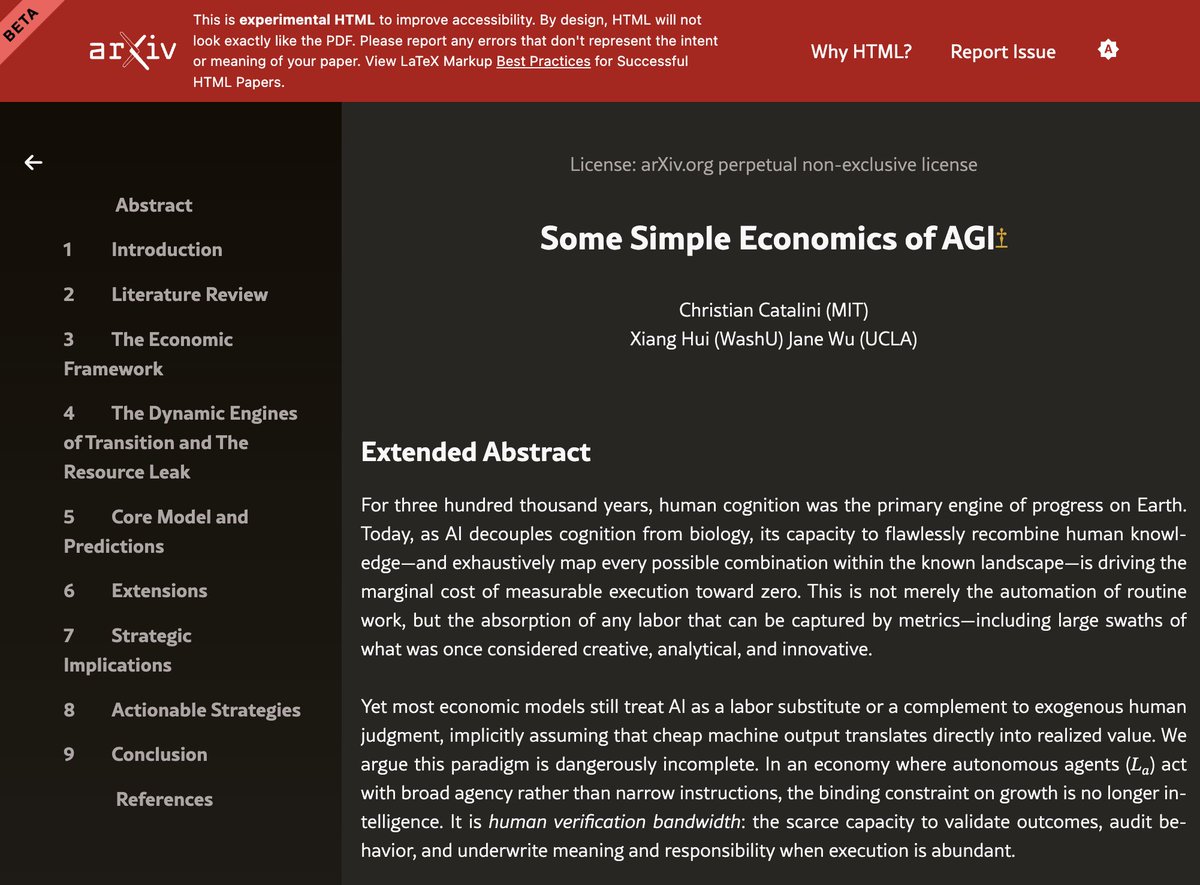
1/ Some Simple Economics of AGI—🔥🧵 Right now, there is a low-grade panic running through the economy. Everyone is asking the same anxious question: what exactly is AI going to automate, and what will be left for us?
Christian Catalini tweet media
English
148
384
2K
618.2K
philipleo retweetledi
SpaceX
SpaceX@SpaceX·
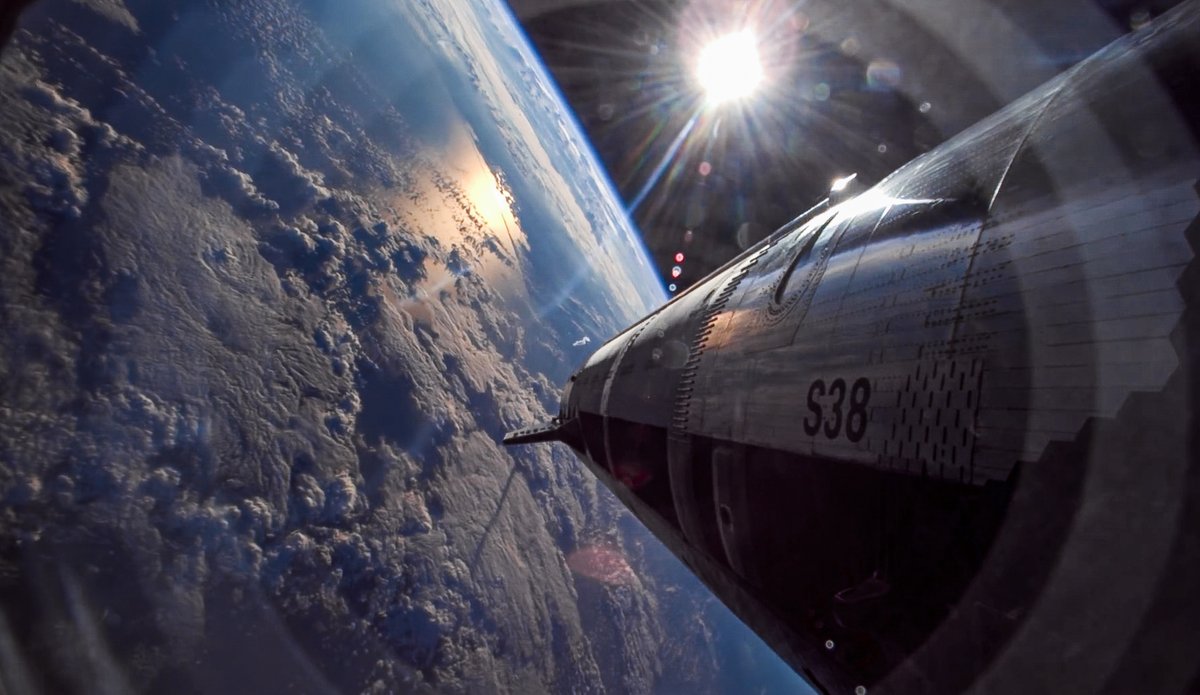
SpaceX has acquired xAI, forming one of the most ambitious, vertically integrated innovation engines on (and off) Earth → #xai-joins-spacex" target="_blank" rel="nofollow noopener">spacex.com/updates#xai-jo…
SpaceX tweet media
English
3.9K
7.9K
45.5K
19.3M
philipleo retweetledi
ZKsync
ZKsync@zksync·
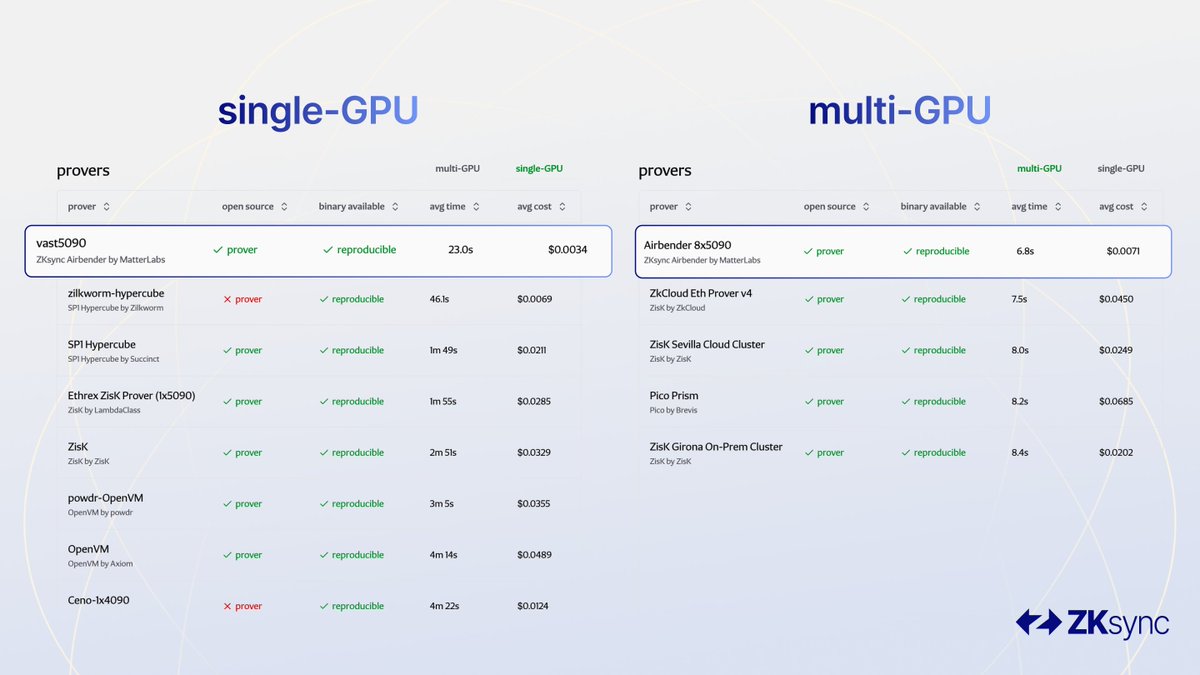
Airbender just took the #1 spot on @eth_proofs. Leading on both proving time and cost per proof, across single-GPU and multi-GPU categories.
ZKsync tweet media
English
48
47
338
60.9K
philipleo
philipleo@_philipleo·
typos + all lowercase is the new power move. raw dogging your thoughts.
English
1
0
3
77
Aakash Gupta
Aakash Gupta@aakashgupta·
This is Elon telling you the future. A mass driver is basically a giant electromagnetic catapult. You build a track on the Moon, run current through superconducting coils, and yeet payloads into space at 5,300 mph. No fuel. No rocket engines. Just electricity. Gerard O'Neill built the first working prototype at MIT in 1976. The tech is 50 years old. The economics are what changed. Here's the math: Falcon 9 costs $2,720/kg to low Earth orbit. Starship targets $100/kg once fully reusable. A lunar mass driver, powered by solar and running continuously with zero propellant? The Space Studies Institute estimated $1 per pound back in 1979. Updated for modern superconductors and solar efficiency, we're talking single digits per kilogram. The Moon has over 1 million metric tons of helium-3 (worth $2,000 to $20 million per kg on Earth). Titanium. Aluminum. Iron. Silicon. Rare earths. Water ice at the poles. So what's the timeline? Artemis III lands astronauts at the lunar south pole around 2027-2028. SpaceX wants a permanent base by early 2030s. NASA has plans for a 100-kilowatt nuclear reactor on the surface by 2030. China is racing to build their own lunar station by 2035. Once you have power and people, a mass driver is just construction. O'Neill's original designs called for a track a few kilometers long. A 160-meter track can reach escape velocity at high g-forces. Modern estimates suggest 12 tons of equipment landed over 20 years could bootstrap a self-expanding lunar industry. The realistic timeline? First operational mass driver by 2045-2050. Maybe faster if the space race with China heats up. And here's the part nobody's pricing: A functioning lunar mass driver can throw 600,000 tons of material per year into cislunar space at near-zero marginal cost. That's O'Neill's 1979 estimate with conservative tech. At that point, the supply curve for critical resources inverts. You stop asking "how much does it cost to lift this from Earth?" You start asking "can we mine it on the Moon?" Mining on the Moon, with 1/6th gravity and no atmosphere, gets cheaper every year as robotics and AI improve. Launching from the Moon gets cheaper as solar panels improve. The cost curves only go one direction. Elon's "money becomes irrelevant" framing sounds crazy until you think about what happens when energy and raw materials both approach zero marginal cost. Every economic system ever built assumes scarcity of stuff. A mass driver breaks that assumption for anything you can make from lunar regolith. This is why Starship matters as a bootstrap mechanism. You need cheap Earth-to-Moon transport to build the infrastructure that eventually makes rockets obsolete for bulk cargo. Rockets get you to the Moon. The Moon gets you everywhere else. And Elon just told you that's the plan.
Elon Musk@elonmusk

@IterIntellectus When the mass driver on the Moon gets going, I’m not sure money will be relevant

English
372
990
7.4K
1.5M
philipleo
philipleo@_philipleo·
@pip_net I don't get your concern. Don't we want people from the most successful private companies contribute their skills to the public sector? Who would be better placed to upgrade public tech infra?
English
0
0
0
64
Philipp Kloeckner
Philipp Kloeckner@pip_net·
The Trump Administration has officially built the largest "revolving door" in the history of the U.S. - 1.000 big tech employees will join the "US Tech Force" to modernize U.S. GovTech while partly being put on leave by their current BigTech employers. en.wikipedia.org/wiki/Revolving…
Philipp Kloeckner tweet media
English
6
1
27
5.1K
Alton Syn
Alton Syn@WorkflowWhisper·
Claude and Cursor can now deploy n8n workflows directly into your instance. Not "generate code you have to fix." DEPLOY. 95% complete. Ready to run. And you don't change a single thing about your setup. Same Claude you already use. Same Cursor you already use. Same n8n instance you already run. Just connect Synta's MCP and watch what happens. I typed: "Build a competitor monitoring system that scrapes pricing, analyzes with AI, and alerts Slack when I'm being undercut" Didn't open n8n. Didn't configure a single node. Didn't debug a single webhook. Closed Cursor. Made coffee. Came back. 6 workflows sitting in my instance. Connected. Running. Time: 4 minutes Nodes configured manually: 0 Consultant quote for this: $14,000 Here's why this changes everything: Most AI tools generate broken JSON you spend 3 hours fixing. Synta's MCP: → Interviews you before building → Scrapes real-time n8n docs (not 2023 training data) → Deploys directly to YOUR instance → Auto-debugs before you even see errors Your workflow. Your instance. Your existing tools. Just 10x faster. While consultants schedule "technical scoping calls"... You already shipped. Comment "MCP" and I'll send you: → Setup guide for Claude + Cursor → 5 workflows to deploy in your first hour → Link to check if you got early access The barrier to automation just became a conversation.
English
950
111
1.4K
116.9K
philipleo
philipleo@_philipleo·
4/ Sovereign ≠ Isolated. We need to stop building isolated silos. You can have your own sovereignty AND have access to the world. Stop launching ghost towns. Start building network economies.
English
0
0
0
93
philipleo
philipleo@_philipleo·
3/ Real assets. No souvenirs. Because the portal is direct, there are no "wrapped" tokens or IOUs. You keep the privacy and control of your sovereign chain. But you inherit the liquidity and life of the entire Ethereum mainnet.
English
1
0
0
127
philipleo
philipleo@_philipleo·
Don't launch a ghost town. Launching a new chain usually feels like building a town in the middle of a desert. You have the infrastructure, but you don't have the people or the money. ZKsync Interop acts like a portal. It lets you build your own sovereign world, while opening a direct door to the massive economy of Ethereum from Day 1. Launch local. Access global. 👇
philipleo tweet media
ZKsync@zksync

Skip the cold start. Launching a new chain usually means starting with zero liquidity. That ends today. With ZKsync Interop enabled by our Atlas upgade, all ZK Chains can interact natively with @Ethereum DeFi. This means Enterprises leveraging Prividiums to tap into Ethereum liquidity for the first time, while maintaining their own private environment.

English
4
2
20
1.2K
Infinex
Infinex@infinex·
We are thrilled to announce our first Weekly Cash Draw Winner! Congratulations @_philipleo, you've won $50,000 USDC. Philip opened 6 crates, and won the prize draw with just 6 tickets! 🎟️
English
68
13
160
19.4K