

Siva
7.7K posts


@VIVIANWERE2 Wewe mbona uliiba picha yangu ya food ukapost kwako?
Filipino
Siva retweetledi


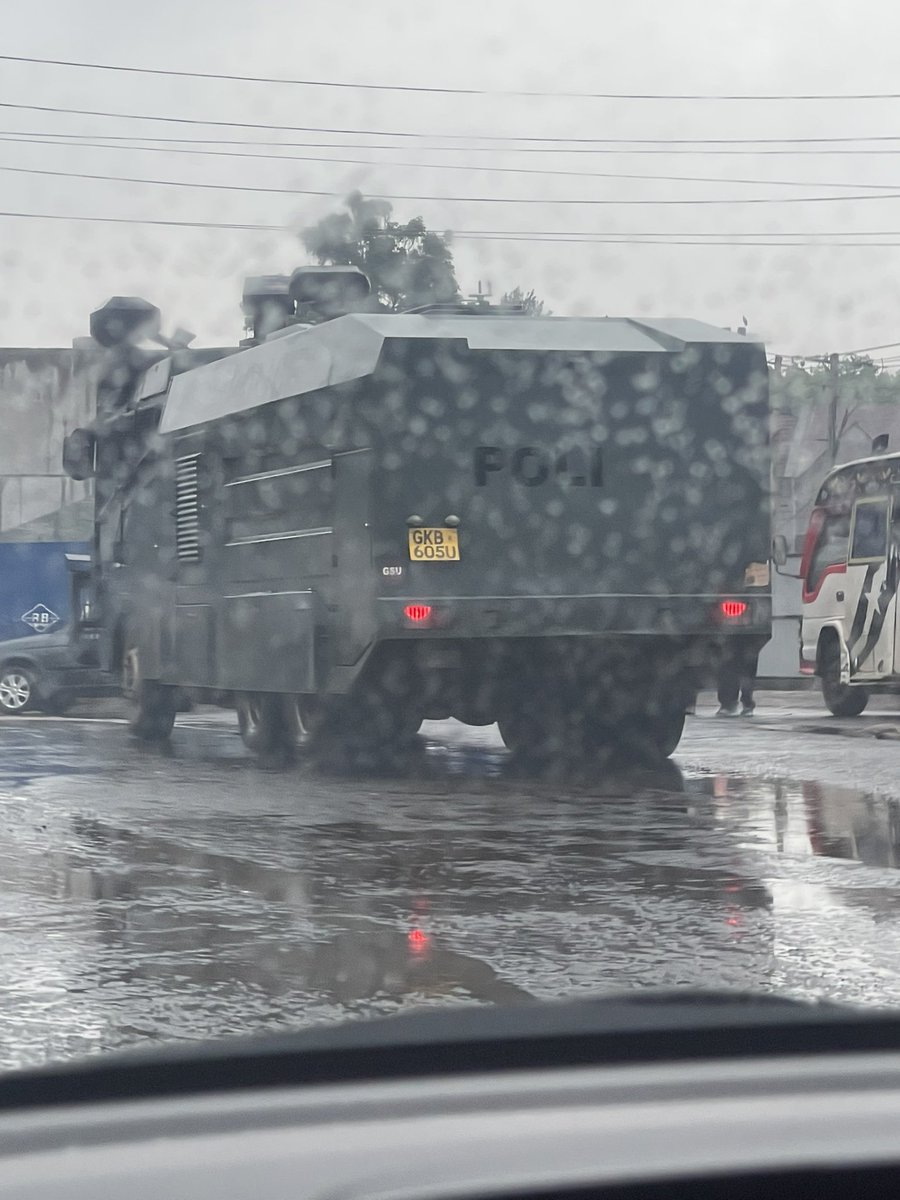
Hawa watu ni waoga !!! Waoga kama Rais wao .

Indonesia
Siva retweetledi

Siva retweetledi

You’re lying waziri! This thing of releasing statements everytime someone criticizes SHA is insulting to the public .It is not Gachagua using that cover,it’s the teachers who are going to hospitals and being turned away!! Everyone is suffering under this insurance and a million statements won’t change that. Hospitals are struggling all over the country,people are dying but it’s Gachagua you’re worried about!?Do your work!
Hon. Aden Duale, EGH@HonAdenDuale
English
Siva retweetledi

Siva retweetledi

Not really. Sometimes he gets takeaways on his way home, and then you have lunch and date nights. On other days, you eat bread or leftovers, and sometimes he cooks.
maMvelase ❤️@Nocylove123
So if you marry you have to cook for your husband everyday? Like everyday, everyday, everyday?😭
English
Siva retweetledi
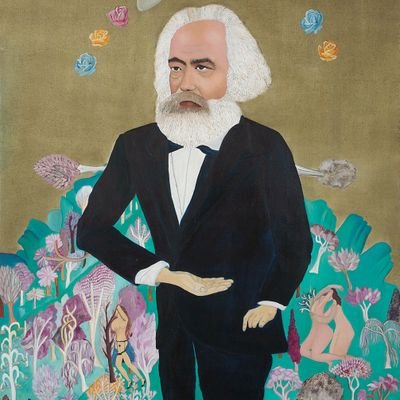
"They're not farmers. They're just people who have resources. A farmer is me, who spends the day in the field"
Rain Drops Media@Raindropsmedia1
Farmers struggle to find workers as immigration enforcement tightens 👀
English
Siva retweetledi

I wish we can all turn away from money worshipping as a society. Nobody should be aspiring to be a billionaire. No billionaire has ethical wealth. The politicians who are also billionaires are the reasons why you are very poor. They don’t have your interest at heart.
English
Siva retweetledi

This is why I will never accept that the habit of stealing is caused by poverty.
Jae@Real_jaeflex
In Benin Republic, A truck carrying soft drinks had an accident and people were actually helping them pack the drinks in place, I know a country where all the drinks will be looted in minutes 🤦🏾♂️
English
Siva retweetledi

Siva retweetledi

Curtis giving us this photo so we never have to see the Trent one ever again 👑👑👑👑👑👑👑👑👑👑👑👑👑👑👑🥰🥰🥰🥰🥰🥰🥰🥰🥰🥰🥰🥰🥰

English
Siva retweetledi

"The government must answer without comparisons..." 👏🏾👏🏾👏🏾
Politicians and civil servants don't know how to answer without comparisons. They're are always travelling abroad to benchmark and earn per diems, so they don't understand reality, neither of the countries they visit, or least of all in Kenya.
Martha Karua@MarthaKarua
Before we compare Kenya to London and other “middle income countries”, let us examine our reality. Sit with Wafula, a boda boda rider in Gitaru, and walk through his day. From morning to evening, he might make 15–20 short distance trips. On a good day, he brings in about Ksh 1,500–2,000. Out of that, fuel takes a significant share, now add bike repayment or rent, a little for maintenance, and by the end of the day, what is left is barely enough to take care of his family needs, let alone save. This is the reality for many Kenyans. The issue is what fuel costs a Kenyan whose income has not kept pace, whose business depends on daily movement, and whose survival is tied to every shilling spent at the pump. In the UK, higher prices exist alongside higher incomes, reliable public transport, functioning healthcare, and social systems that return value to the taxpayer. Hapa Kenya, hizo mizigo zote ni za mwananchi, who already is stretched, with little cushioning and even less return. So the question remains, is fuel affordable for Kenyans, within our reality? The government must answer that without comparisons, but with solutions that ease the pressure on everyday lives.
English
Siva retweetledi
Siva retweetledi

You voted to sell KPC, and give Uganda some very extra ordinary powers.
Mnauza nchi alafu mnakuja kucomplain kama sisi walalahoi?
Sen. Ledama Olekina@ledamalekina
Unless we rein in ministry officials working in cohort with KPC officials and Uganda oil marketers, and prioritize our own fuel reserves at least 540,000 MT to cushion us for three months we will continue to face supply risks. How do you explain a situation where transit fuel, destined for neighboring countries like Uganda, is given priority in storage at KPC over our own local reserves? @WilliamsRuto @OpiyoWandayi @kenyapipeline
Indonesia
Kenyans are taxes are compared to the UK but service delivery is compared to Uganda.
If you tax us like the UK be ready to deliver the same level of services.
Sen. Ledama Olekina@ledamalekina
I know it hurts a lot, but the truth is : Fuel isn’t “free money.” Cheaper fuel means less levy revenue for roads. Kenya has 164,967 km of roads, 15.1% paved (24,868 km); Uganda has 146,000 km, 4.4% paved (6,466 km); Tanzania has 181,000 km, 8% paved (15,000 km). Kenya uses a fuel/roads levy, and cheaper fuel still means less road funding unless the gap is covered elsewhere. The choice is simple: lower taxes and cheaper fuel with slower road development, or higher levies and stronger road expansion. The opposition should stop turning every fuel conversation into cheap politics and blaming Ruto for everything.
English
Siva retweetledi

This argument sounds clever until you actually break it down. Yes, fuel isn’t “free money,” but the real issue you’re ignoring is that Kenyans are being taxed like people in rich countries while earning like a low-income economy. In the UK, someone earning minimum wage makes about £12 an hour and fuel is roughly £1.50 per litre, meaning they work less than 10 minutes to afford a litre. In the US it’s similar, around 5 – 10 minutes of work per litre depending on the state.
Now compare that to Kenya, where many people earn around KSh 15,000–20,000 a month, translating to maybe KSh 70–100 per hour or none because minimum wage is a foreign concept in Kenya, yet fuel costs over KSh 200 per litre. That means a Kenyan is working 2 – 3 hours just to afford a single litre of fuel. So this is not some simple “trade-off” between cheaper fuel and road development, it’s an issue of overburdening people who are already stretched thin.
Kenyans are already paying multiple layers of taxes on fuel, fuel levy, VAT, excise duty, road maintenance levy, and then still being charged to use roads like the Expressway, plus parking fees on top of that, yet many roads remain in poor condition. So where exactly is all this money going? You can’t heavily tax fuel, introduce toll roads, and still argue it’s a fair or necessary balance. That’s triple charging citizens. Countries with cheaper fuel still manage to build and maintain far better infrastructure, so this idea that high fuel costs are the only way to fund roads simply doesn’t hold water at all.
It’s a shame that a senator who has lived, worked and is even an American citizen chose to suspend common sense just to support this despotic govt of Zakayo!
Sen. Ledama Olekina@ledamalekina
I know it hurts a lot, but the truth is : Fuel isn’t “free money.” Cheaper fuel means less levy revenue for roads. Kenya has 164,967 km of roads, 15.1% paved (24,868 km); Uganda has 146,000 km, 4.4% paved (6,466 km); Tanzania has 181,000 km, 8% paved (15,000 km). Kenya uses a fuel/roads levy, and cheaper fuel still means less road funding unless the gap is covered elsewhere. The choice is simple: lower taxes and cheaper fuel with slower road development, or higher levies and stronger road expansion. The opposition should stop turning every fuel conversation into cheap politics and blaming Ruto for everything.
English
Siva retweetledi

When they tax us they compare us to London. When it is time for development and fighting corruption and wastage suddenly we are being compared to Uganda
KBC Channel 1 News@KBCChannel1
PUMP PRICE DEBATE “I just came back from London. Diesel is selling at almost 2 pounds, that's about Ksh 350 per litre, while Petrol is at 1.75 pounds, that's about Ksh 306. President Ruto has taken measures to adjust our VAT on fuel from 16 to 8 percent, to mitigate the pain on the pump for the people of Kenya.” ~ Kimani Ichung’wah, Majority Leader National Assembly #KBCniYetu ^PM
English
Siva retweetledi

Ruto’s biggest problem is that he hears every public complaint as an election threat and his "debe talk"
Kenyans say fuel is too expensive, he says ballot.
Kenyans say the cost of living is unbearable, he says ballot.
Kenyans say stop police brutality and arrogance in government, he says ballot.
Why is this man so obsessed with elections and winning? What do Kenyans’ daily struggles have to do with his campaign psychology?
The truth is simple that elections are not a licence for leaders to ignore the public until the next vote. Citizens have a right to speak, to protest and to demand accountability in between elections.
When a president answers pain with campaign language, he exposes himself and It means he is thinking more about political survival than public suffering.
Kenyans are not your campaign audience every day please. They are citizens and when they are angry, you do not lecture them about the next election.
#TuesdayNitakuwepo

English
Siva retweetledi
When we ask why taxes are soo high, we are compared to UK and Singapore.
When we ask why our debt is so high, they talk about Japan and their gdp to debt ratio.
But healthcare? Infrastructure? Education? Quality of life? Suddenly, we are comparable to Uganda and Tanzania
KBC Channel 1 News@KBCChannel1
PUMP PRICE DEBATE “I just came back from London. Diesel is selling at almost 2 pounds, that's about Ksh 350 per litre, while Petrol is at 1.75 pounds, that's about Ksh 306. President Ruto has taken measures to adjust our VAT on fuel from 16 to 8 percent, to mitigate the pain on the pump for the people of Kenya.” ~ Kimani Ichung’wah, Majority Leader National Assembly #KBCniYetu ^PM
English