Thomas
493 posts


@HODLmars @hakluke Ah yes, FreeBSD would never have this issue.. zerodayinitiative.com/blog/2022/6/15…
English

I've come across a potential interesting N64 prototype find - however the rom in question does not boot on emulators/real hardware. I'm looking for someone who has experience with N64 reverse engineering/rom/binary hacking to see if they can bring this to life so we can preserve this. DM if you can help!
English

Get full access to your variable names for only $9.99 a month.
zdimension@zdimension_
did rustc actually write a type name to a file because it was *too long* ????
English

@awesomekling You should start writing your own vector icon editor really :)
English

An interesting twist on this wide spread bug is that #Linux kernel itself mis-parses own /proc/pid/stat output:
#L48" target="_blank" rel="nofollow noopener">elixir.bootlin.com/linux/v6.3/sou…
#L86" target="_blank" rel="nofollow noopener">elixir.bootlin.com/linux/v6.3/sou…
Dmitry Vyukov@dvyukov
99% of /proc/pid/stat parsing code is buggy. It splits by space, but 2nd field is exe name which may contain space: Bugs are everywhere: OpenJDK, qemu, BoehmGC, containers/sandboxes; same bug in C/C++/Java/Go/Py/JS/Rust, ~every hit: sourcegraph.com/search?q=conte… Fix: strrchr(')') first

English

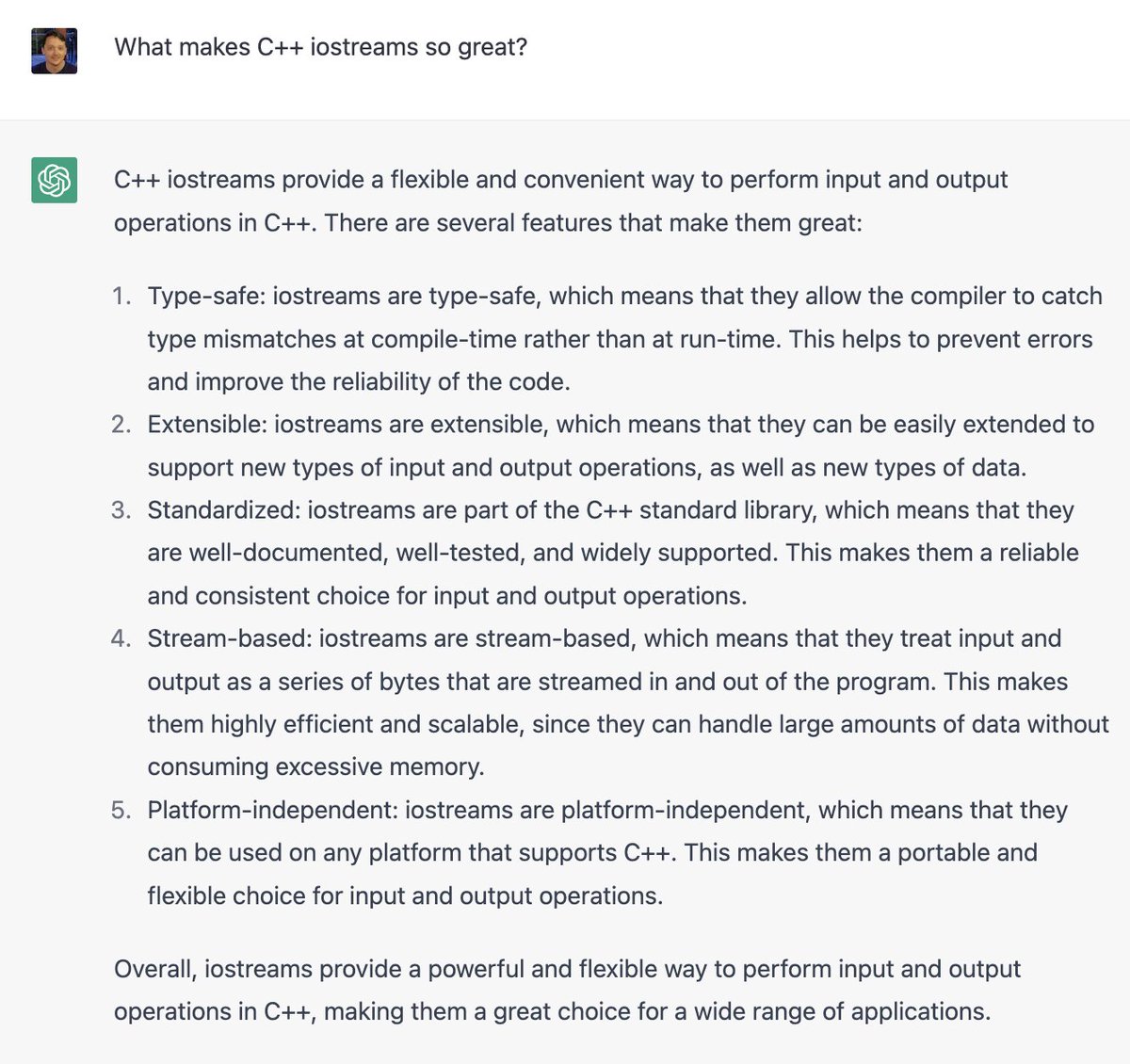
@vzverovich Their ability to confuse beginners once they get to the left-shift operator
English

Fascinating thread about how 8086 instructions were implemented.
If I didn't already have multiple huge projects going in parallel, a microcode-level x86 emulator could be fun to tinker with.. 🤓
Ken Shirriff@kenshirriff
The Intel 8086 microprocessor (1978) led to the x86 architecture that your computer probably runs today. The 8086 provided a complicated set of memory access modes to get values from memory. Let's take a close look at how microcode and hardware work together to implement them. 🧵

English