Manish

434 posts

Manish banner
Manish

Manish

@_wealthyr

Education | AMFI-Registered MFD | Likes & RT≠Endorsement | Views are personal, not advice

Telegram Katılım Şubat 2021
276 Takip Edilen38 Takipçiler
Manish
Manish@_wealthyr·
If your “long-term plan” needs reassurance every month, it’s not long-term. #FinancialPlanning
English
0
0
0
5
Manish
Manish@_wealthyr·
⚡️Arbitrage funds can behave differently from FDs, especially in terms of taxation and flexibility. But most people don’t understand the difference.
English
0
0
0
4
Manish
Manish@_wealthyr·
Fixed Deposits (FDs): ✔ Guaranteed returns ✔ No volatility ✔ Simple to understand ❌ Fully taxable (as per slab) ❌ Returns often just beat inflation #stockmarket
English
0
0
0
25
Manish
Manish@_wealthyr·
Make a deliberate decision on asset allocation for your total investments depending on your age, goals and requirements. #personalfinanance
English
0
0
0
10
Manish
Manish@_wealthyr·
You don’t need 10 investments. You need: •1 FD plan •1 insurance setup •1 expense system That’s it. #wealthyr #savings
English
0
0
0
5
Manish
Manish@_wealthyr·
@isic_healthcare Booked an appointment but still made to wait 2–3 hours for no reason. Irony: very few patients in OPD, yet the doctor keeps cancelling/rescheduling and is often busy on her phone during consultations.
English
0
0
0
12
Manish
Manish@_wealthyr·
@elonmusk Can it help students prepare for competitive exams like JEE?
English
0
0
0
10
Manish retweetledi
Bloomberg
Bloomberg@business·
India’s market regulator has allowed the country’s $384 billion actively managed equity funds to park more of their money in gold and silver bloomberg.com/news/articles/…
English
33
208
1.2K
170.3K
Jack Peach | Dynastic Dating
Jack Peach | Dynastic Dating@ThinkInPeach·
You think the greatest privilege you can give your kids is a big house, a good school and a trust fund. You're wrong. It's a mom and dad who stay married. No amount of co-parenting or "quality time every other weekend" replicates what a child gets from watching their parents build a life together. This isn't popular. But it's true.
English
127
350
3K
86.8K
Sanjiv Bajaj
Sanjiv Bajaj@sanjivrbajaj·
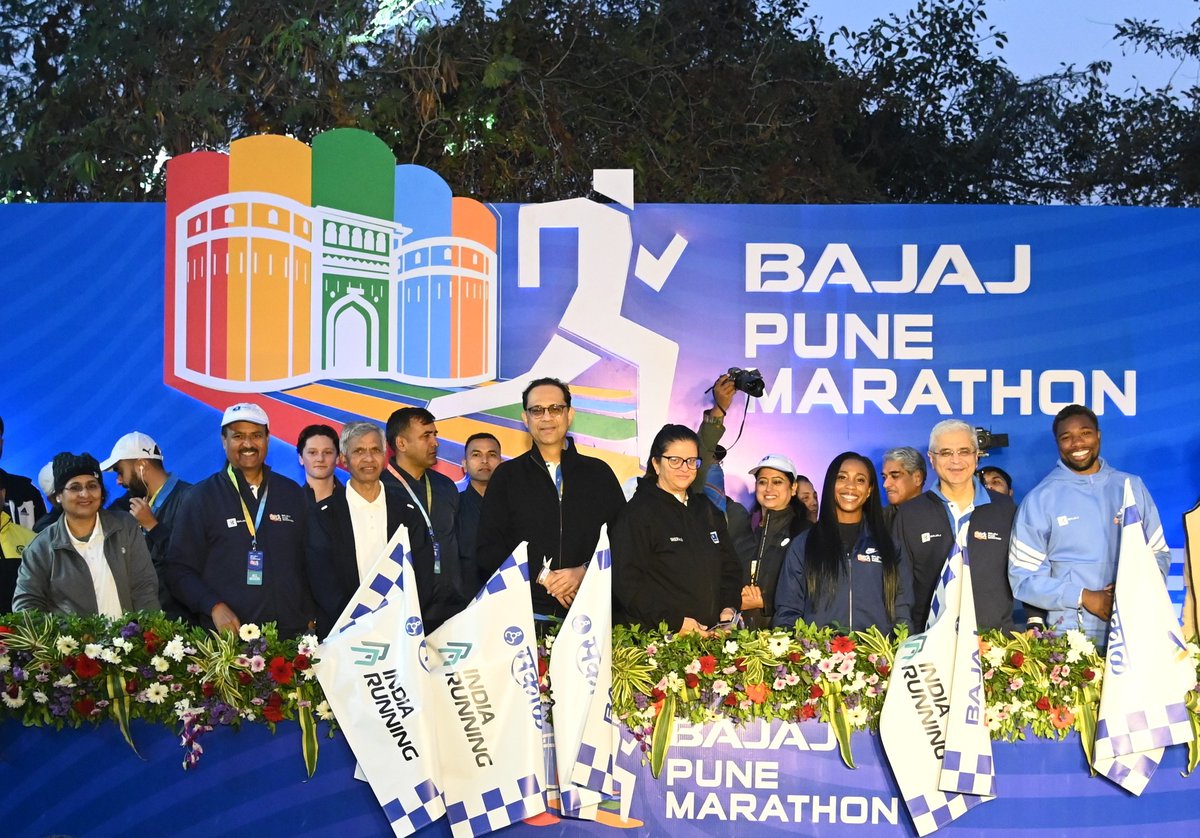
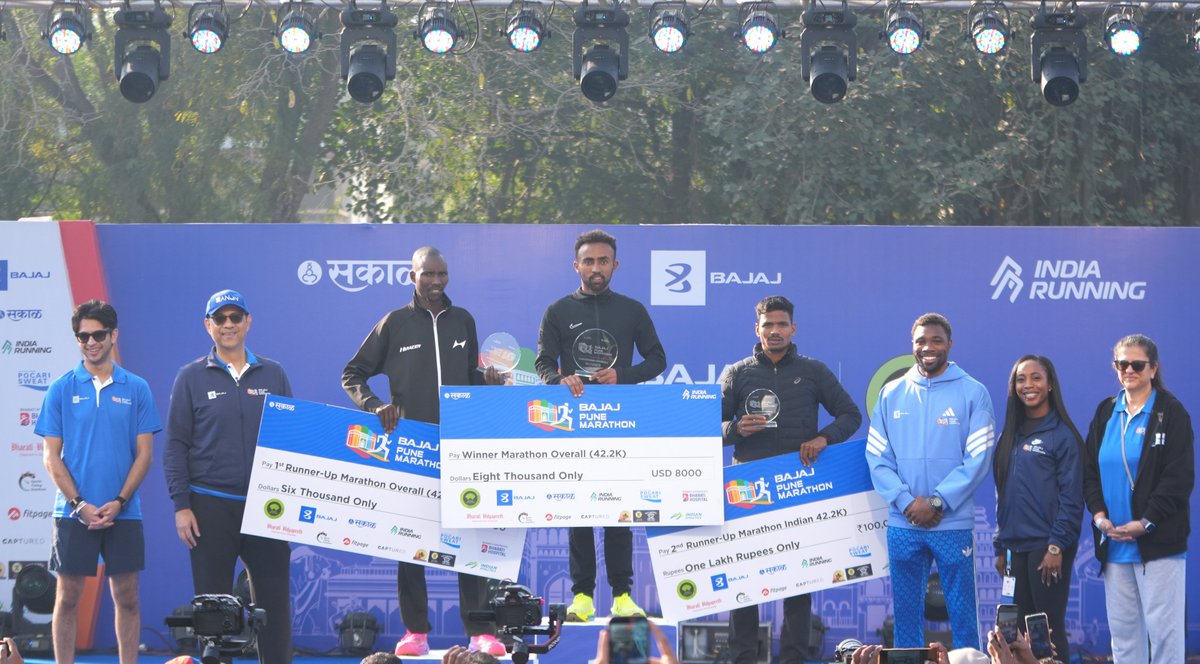
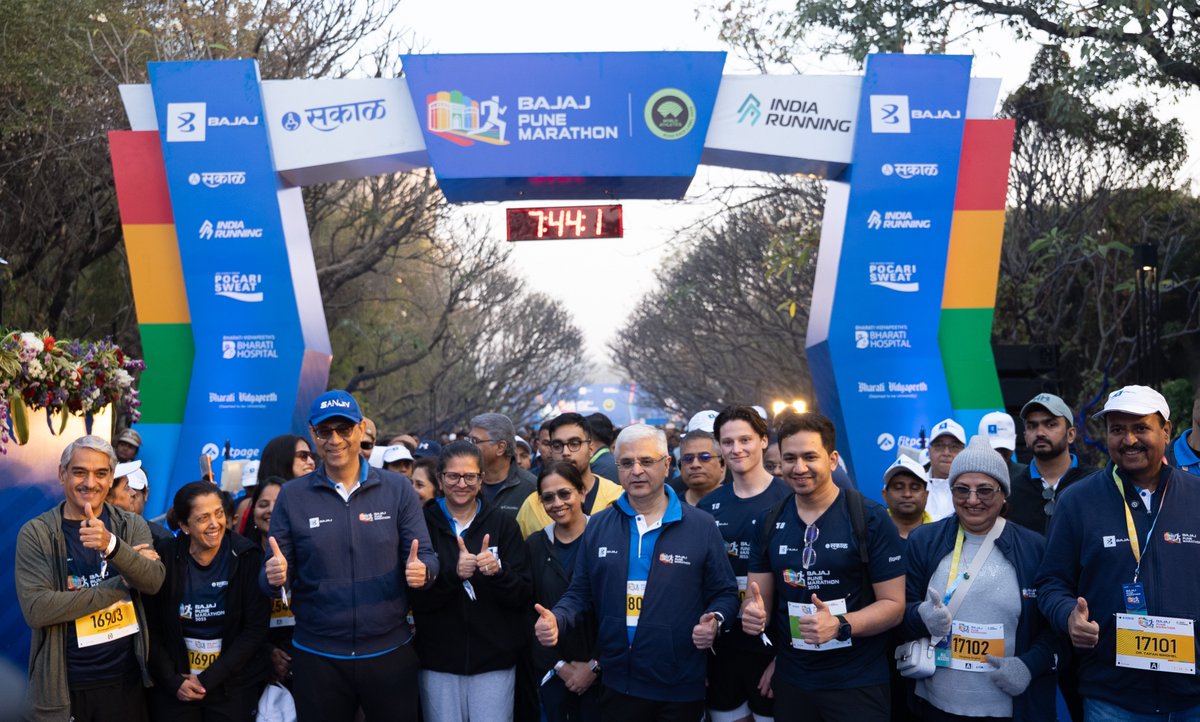
Excitement. Endurance. Energy. The #BajajPuneMarathon came alive as we flagged off with global legends Noah Lyles and Shelly-Ann Fraser-Pryce. Thousands ran from as early as 3am. With over 31% women participation, this was one of India’s most inclusive marathons. Congratulations to every runner. #YouTooCanFly @Bajaj_Finserv
Sanjiv Bajaj tweet mediaSanjiv Bajaj tweet mediaSanjiv Bajaj tweet mediaSanjiv Bajaj tweet media
English
58
9
36
5.2K
Manish retweetledi
Philosophy Of Physics
Philosophy Of Physics@PhilosophyOfPhy·
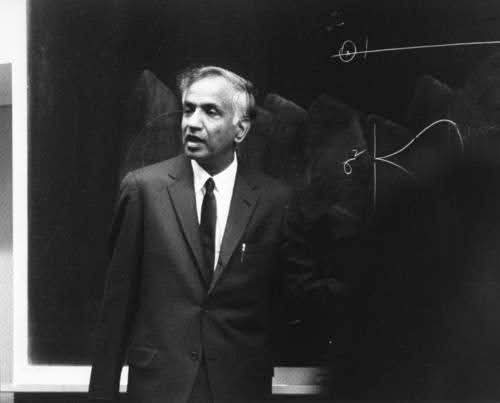
In the 1940s, at the University of Chicago, Subrahmanyan Chandrasekhar taught an advanced astrophysics seminar. Enrollment: two students. That is not a typo. Two. Most people would see that as a failure low turnout, empty seats, a quiet room. But those two students were Chen Ning Yang and Tsung-Dao Lee. In 1957, both won the Nobel Prize in Physics for their groundbreaking work on parity nonconservation in weak interactions. A class of two. Two future Nobel laureates. It may have been one of the smallest graduate courses in history, but it was certainly one of the most successful. Sometimes greatness does not need a crowd. It just needs a room, a mind on fire, and students ready to catch the spark.
Philosophy Of Physics tweet media
English
40
324
2.1K
92.3K
Manish retweetledi
Mindset Machine 
Mindset Machine @mindsetmachine·
In 1911, 3,000 men rose to their feet and applauded for one woman: Marie Curie
English
11
180
2K
25.4K
Kiran Kumar S
Kiran Kumar S@KiranKS·
Do you see a higher prevalence of cancer in the states with more meat consumption in India? Leaving out the Punjab and Himachal Pradesh exception (heavy fertilizer usage), it does seem like that to me. The more vegetarian food, the lesser the cancer rate. What do you think?
Kiran Kumar S tweet mediaKiran Kumar S tweet media
English
243
102
532
82.7K
Jasveer Singh
Jasveer Singh@jasveer10·
Why so many global CEOs are Indian is the wrong question. The real question is what kind of system produces them. This isn’t about Indians being genetically smarter or IITs magically creating genius. It’s only about selection pressure. India is not a talent factory. India is a high-pressure talent filter. Most Indians are born into middle class or lower middle class families. There is no safety net, no fallback plan, no cushion. From the day you’re born there is an unspoken contract. Do well or the whole family stays stuck. Education isn’t optional. It’s survival, now add population. Five to ten lakh people fighting for a few thousand seats. Even after years of preparation, effort doesn’t guarantee success. You still have to win against insane odds. What comes out of this system is not creativity. It’s endurance. People who can sit for long hours, delay gratification for a decade, operate under pressure without breaking, and don’t feel entitled to comfort. That profile matters - Large global companies don’t reward raw brilliance at the top. They reward people who can survive complexity, politics, scale, and boredom for 20 to 30 years straight. That’s why Indian origin leaders show up disproportionately in operator roles. CEOs, presidents, heads of massive systems, not founders. They didn’t rise because they were the loudest or flashiest. They rose because they had already been trained by a brutal system that rewards consistency over brilliance. Compare that to a child born in a developed country. There is pressure, yes. But there is also a safety net. More options. Less existential fear. That environment is great for creativity and risk taking. It produces founders and innovators. India produces survivors who become operators. That’s the difference most people miss. And let’s be clear, this system is not something to romanticize. For every one person who makes it, millions burn out. Talent gets wasted. Mental health gets crushed. The system is inefficient and cruel. But it does one thing extremely well. It filters for people who can endure. That’s why Indians don’t dominate early stage innovation globally, but they dominate long-run leadership in established systems. So no, Indians aren’t exceptional because of IQ. They’re exceptional because they were never allowed to be comfortable. The uncomfortable question is not why this works. The real question is whether this is the only way we should be producing leaders. And whether the cost is worth it.
English
408
682
2.6K
374K