Sabitlenmiş Tweet

Okay so I've received a ton of questions since starting to post these delayed honeypots. Mainly these two:
- How can it be a honeypot when every scan is showing a clean/safe when renounced contract?
- How can I find out that it's a honeypot when the scanners doesn't show it?
So for the first question the answer is as simple as it is confusing. The scanners doesn't pick up the honeypot at launch, since there isn't one. Makes no sense, right? Let's take it step by step.
1. Scammer funds a new wallet.
2. As the address of a new contract deployment can be calculated in advance, the scammer does exactly this, but doesn't deploy the contract. Yet.
3. The calculated address is added to the code of the token contract, for example as the marketing wallet. After funding another new wallet, the dev will now deploy the token contract.
4. When trading starts, funds will flow to the marketing wallet added and if you check it on etherscan, it looks like any ordinary wallet. And since it's just a wallet, scanners doesn't see it as malicious. But as this is just a calculated future smart contract address, the devs doesn't have any keys for it and can currently not move the funds.
5. When happy with the token progress, the scammer will deploy a malicious contract from the wallet in step 1. As this is deployed on the marketing wallet address, the MW is suddenly no longer a regular wallet, but a smart contract tied to the token which allows the devs to either manually or automatically make it unsellable and/or take control of LP functions in the contract to drain even locked or burnt LP's.
6. RIP user funds.
For the second question, I can't reveal exactly how I find these as I believe it would help the scammers avoid detection more than it would help most people avoid buying into them - but there are still measures that can be taken to dodge them.
1. Load the contract into code reader on @etherscan and search for 0x.
They can't turn the deployer into a contract, so if the token use the deployer as tax receiver and you find no other wallet reference in the code, you should be safe from this type of delayed honeypot.
If you find a wallet address that leads to a fresh wallet and the word private just before, it's a red flag.
2. Scan the contract on telegram with @OttoBots_xyz. Avoid anything with only 1 deployment (check screenshot). Unique contracts rarely end well.
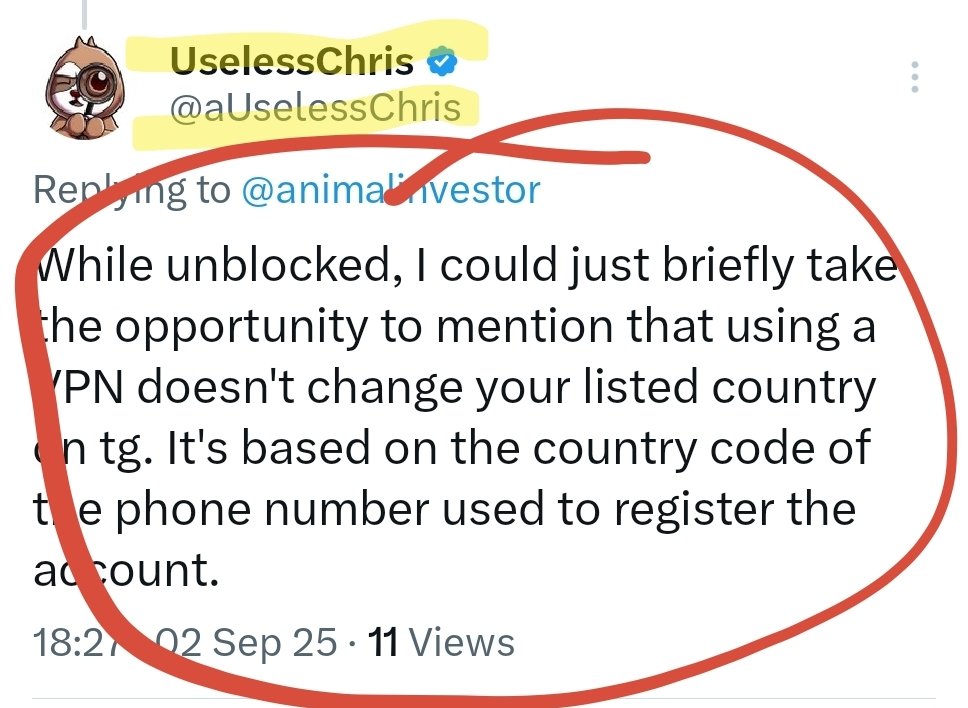
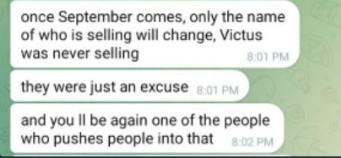
3. Enter their tg and try to work honey or hp into a sentence. These scammers usually have autodelete on a number of combinations of honey and pot.
4. Be vigilant about suspicious functions even in renounced contracts, like the one from.@TTFBot in the screenshot.


English