Aarti Shahani. 1st Gen & Proud.

4.7K posts

Aarti Shahani. 1st Gen & Proud. banner
Aarti Shahani. 1st Gen & Proud.

Aarti Shahani. 1st Gen & Proud.

@aarti411

Writer. Journalist. Occasional Host, Forum on KQED/NPR.

Queens NY. San Francisco CA. Katılım Şubat 2010
2K Takip Edilen18.5K Takipçiler
Snigdha Sur
Snigdha Sur@snigdhasur·
Celebrated turning a perfect square with some friends, including many I met on Twitter!
English
3
0
20
2.3K
Adam Grant
Adam Grant@AdamMGrant·
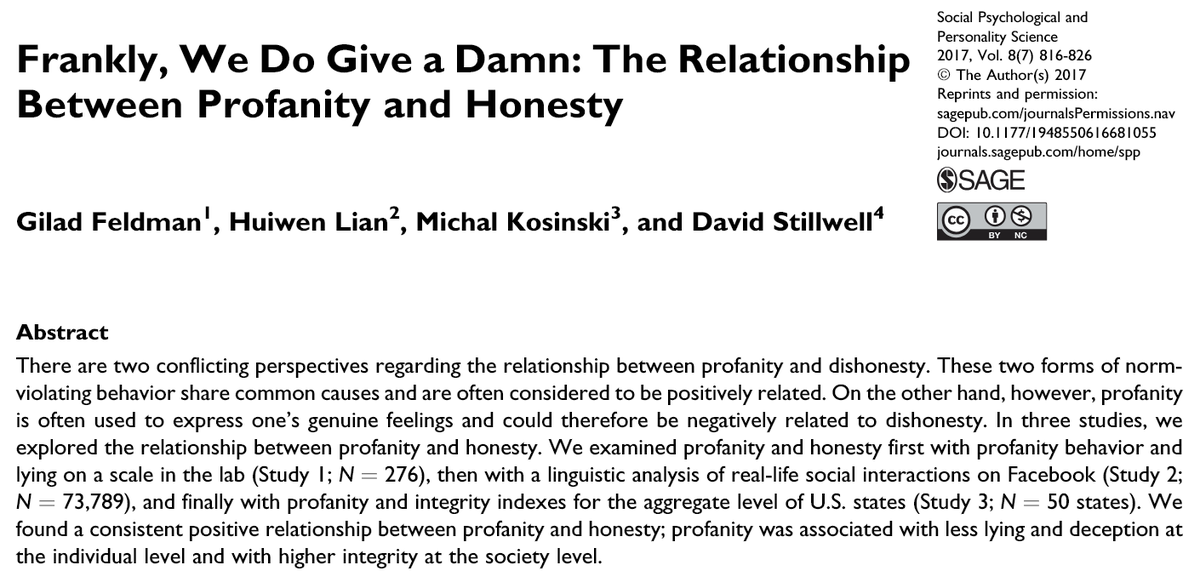
Cursing is rarely a symbol of low class. It's often a mark of high authenticity. Evidence: Swearing predicts higher rates of honesty and integrity. It signals a willingness to prize candor over courtesy. A little profanity shows that you're being real and you do give a damn.
Adam Grant tweet media
English
360
1.4K
9K
1.2M
Asma Khalid
Asma Khalid@asmamk·
Good morning! Some big personal news — am stepping away from the White House to try a new challenge! Starting today, I’ll be Guest Hosting NPR’s midday news show co-produced with WBUR — Here & Now. Join us every Monday-Friday live on the 📻 🎧
English
31
36
877
35.1K
Aarti Shahani. 1st Gen & Proud.
@snigdhasur I’m sorry to read this sis — and admire you for sharing a horrible situation with such lucid lessons for other young women. If you have any interest in exploring what Ayurvedic docs have to say — it IS a parallel system of medicine — happy to share some contacts.
English
1
0
4
616
Snigdha Sur
Snigdha Sur@snigdhasur·
I had been wrestling myself to write about this. But after talking to so many women, I think it's important to talk about. In December I got diagnosed with idiopathic POI, which affects <1% of women <35 years old. There is no treatment, there is no cure
English
31
19
426
83.4K
Aarti Shahani. 1st Gen & Proud. retweetledi
Voice of Witness
Voice of Witness@voiceofwitness·
"Talking to a parent about their personal history can be tough – especially if they have painful, shameful or traumatic memories, or if you’ve had a strained relationship. That said, so many of us want to deepen our connection with loved ones." @aarti411 buff.ly/4f59qVG
English
0
2
2
742
Snigdha Sur
Snigdha Sur@snigdhasur·
Thanks to our friends at @FirstMarkCap and @amishjani, we're hosting a @thejuggernaut event today with samosas, mango lassis, and gbbo finalist Crystelle Pereira! 7-8pm q&a. food before and after. get your ticket below! 🔎👇🏿
The Juggernaut@thejuggernaut

🎟️#NYC! Catch us in person with #GreatBritishBakeOff finalist #CrystellePereira, today, at 7pm ET sharp. Grab your ticket today (free for Juggernaut paying members!) juggernaut.splashthat.com

English
1
0
10
1.6K
S. Mitra Kalita
S. Mitra Kalita@mitrakalita·
Every bed in my house is full with a visiting friend or cousin. My eldest (abroad) just called and said her college classmate lands at LGA late and needs to crash and I was like no way but then I remember my lil one is on an overnight school field trip so there’s room at the inn after all. May it always be so.
Queens, NY 🇺🇸 English
6
0
38
3.1K
DJ Cuzzin B
DJ Cuzzin B@DJCuzzinB·
SEAN PAUL TINY DESK. TOMORROW. NOON. PREPARE YOUR STUFF.
DJ Cuzzin B tweet media
English
159
4.7K
22.2K
2M
Shadi Hamid
Shadi Hamid@shadihamid·
Turkish man who just illegally crossed the US border immediately becomes border hawk, says he's worried about who's coming in and warns of the possibility of "killers and psychopaths" entering the country. Basically, the American dream in 30 seconds.
English
124
493
3.8K
986.9K
Aarti Shahani. 1st Gen & Proud. retweetledi
Steve Inskeep
Steve Inskeep@NPRinskeep·
Thanks. Your description is false. NPR is hearing people involved on all sides of a complex issue: migrants, border agents, city officials. More to come. What you haven’t heard is a simple comforting narrative that confirms your opinion. You can find your safe space elsewhere.
bf@gckingsalmon

@NPRinskeep every interview has been with a pro immigration person. Let's get some diversity of perspective on the issue. The BP Agent never got to speak about his view on the issue, just asked about the agency. Be better/do better. #UriBerliner


English
83
108
2.3K
104.6K
Aarti Shahani. 1st Gen & Proud. retweetledi
Azmat Khan
Azmat Khan@AzmatZahra·
There is more to say, but for now let me tell you how proud I am of our @columbiajourn students, whom I've watched report non-stop for days, sleep on floors, support one another & give their all to bearing witness under dire conditions: pulitzer.org/news/statement… @PulitzerPrizes
Azmat Khan tweet media
English
39
1.2K
4.2K
406.4K
Katherine Boyle
Katherine Boyle@KTmBoyle·
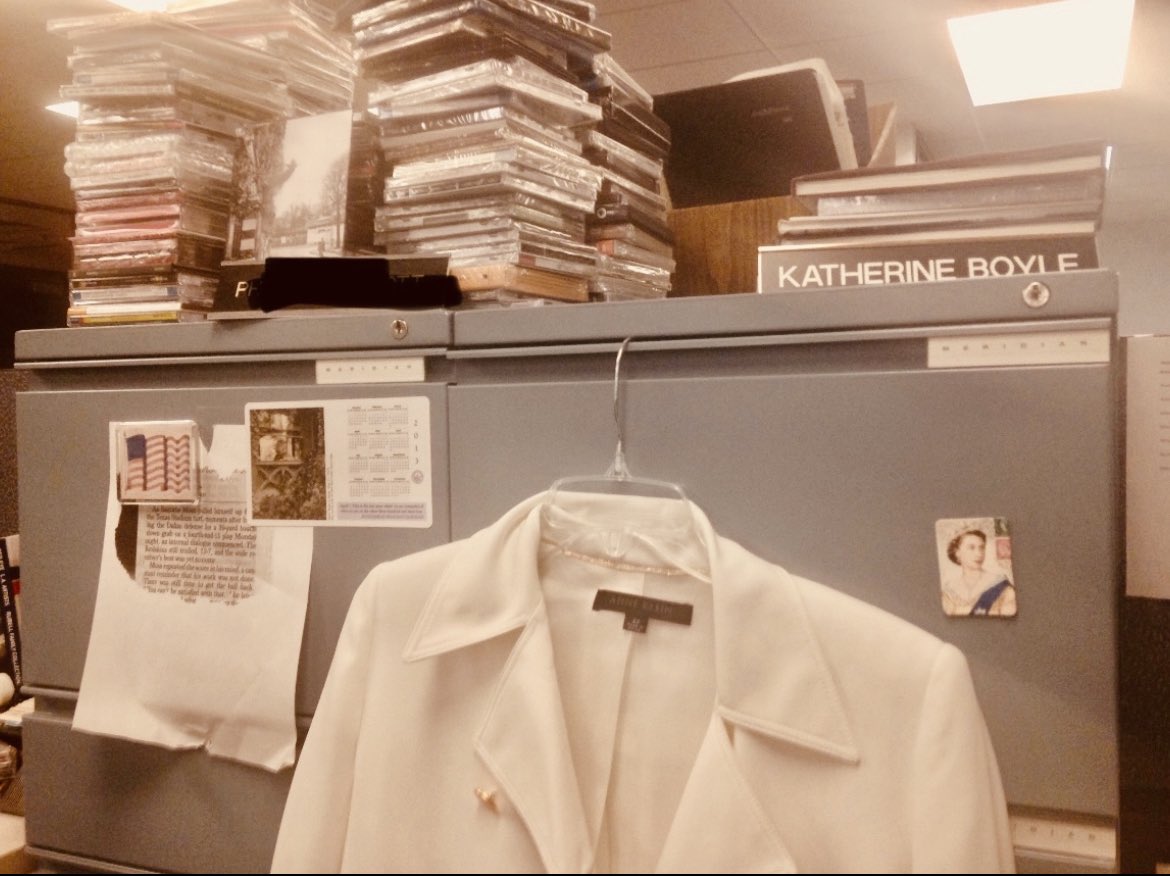
Quitting Ten years ago today, I quit my job at The Washington Post, sold my furniture, packed my bags and left DC so I could go learn more about this nebulous thing called “technology.” Unlike what most of the advice books will tell you— “you must be running toward something greater with certainty!” —That was not how I felt. I was running away. I had met the limit of what I thought possible in my short career and I needed to jolt into something new. I had decided to leave journalism during a bad snowstorm months before. I lived two miles from the old Post newsroom, had no car and needed to get to my desk. The busses weren’t running, Uber was not yet in DC, and I couldn’t afford a taxi during surge pricing. So I walked two miles with a blanket around my shoulders. At the time, I was among the youngest and lowest paid reporters at a shrinking newspaper that was looking for a buyer. I had made a very bad bet, and I knew it. But even in that moment, I didn’t fully accept that I needed to quit right away. Anyone who has ever decided to quit their former life knows there’s a bit of a negotiation with the self. Negotiation on what it would take to make us stay, to make it tolerable. There’s always a last-ditch effort. And it’s almost always a bad deal. My negotiation was mostly predicated on money, something I didn’t have very much of. I loved my job, I told myself. I worked all the time. I made $53,000 a year. And if I could somehow get a 15 percent raise, despite Union rules and buyouts and pay freezes that year, I would stay at the Washington Post. Maybe they’d finally let me do a story or two for the foreign desk! Maybe next year would be different! So I went into the managing editor’s office and begged for a raise, which did not work. This was more cinematic and embarrassing than it needed to be. It was the one time I’ve cried at work, and I think I ended the conversation saying “I am just trying to better myself!” which was true, but a terrible line to use in a negotiation. Unsurprisingly, this bad line of argument failed and I left her office with a clear answer. What followed the next ten years was not something I could have predicted, nor should we try to predict the future when making the decision to quit the present. But I learned more from that negotiation — not the one with the managing editor, the one with myself— than I have in all of my negotiations of the last decade. Here are the lessons I learned from quitting: — If you’re at the point where you are thinking of quitting everything —the job, the city, the furniture, the life you have— 15 percent is not enough. 100 percent is not enough. I look back at how little I thought of myself and how small my ask was. This Isn’t a sign that you should make the ask bigger. This is a sign that you should quit. —If you’re going to quit, burn the boats. The times where I quit previous chapters required definitive changes where I couldn’t go back. If you’re going to quit one thing, quit many things at the same time, so you aren’t looking back to see if you made the right call. The other reason to burn the boats is it’s a test for whether you should be quitting. If you aren’t willing to burn the boats, quitting likely isn’t the answer to the problem you’re trying to solve. —Quit while you’re young, unattached and mobile, but only quit once. Young people often bounce between jobs and experiment. I advise the opposite: make hard choices, have conviction and let those choices compound. But If you’re like me and you realize you’ve made a very bad bet that will never reverse, quit everything. Just make sure you do that only once. Everyone makes a very bad bet in a lifetime. But if you’re making many bad bets, the problem is you. And for managers of would-be quitters, here’s my conclusion:
Katherine Boyle tweet media
English
49
98
1.1K
320.8K