Anand D Jeyasekharan

2.9K posts

Anand D Jeyasekharan banner
Anand D Jeyasekharan

Anand D Jeyasekharan

@adj_23

Clinician-Scientist (Lymphoma/Sarcoma/personalized medicine) @NUSingapore. Alumnus @offcmcvellore @cambridge_uni. Anti-anti-intellectual #heforshe

Singapore Katılım Ağustos 2012
444 Takip Edilen817 Takipçiler
Anand D Jeyasekharan retweetledi
claudio.tripodo@unipa.it
[email protected]@ClaudioTripodo·
🚀 We're hiring! Join the Casola & Tripodo Labs at IFOM as a Bioinformatics Data Analyst! 🔬 RNA-seq, TCR genetics, spatial omics. 📍 Position Based in Catania, collaborating with IFOM wet labs in Milan. 🧬 PhD/MSc in bioinformatics required. To apply: stefano.casola@ifom.eu
English
0
1
1
529
Anand D Jeyasekharan retweetledi
Sejal Sud
Sejal Sud@SejalSud·
Too Real 😭😭😭
Sejal Sud tweet media
English
143
228
2.3K
195.4K
Anand D Jeyasekharan retweetledi
Prachee Avasthi
Prachee Avasthi@PracheeAC·
Not sure anything good has been written about it. We tried to turn a journal with a good reputation into a preprint review service, eliminating accept/reject decisions, and replacing with public reviews + a concise editorial assessment highlighting the strength of support and significance of findings. This way, the substance of the work and nuance of reviews could be weighed by readers rather than whether it was accepted in a journal (de-emphasizing journal name as a proxy and deconflating impact from rigor). Reviews and assessments would be public regardless of the editorial opinion so the decision didn’t dictate whether discussion of the work was visible. But authors could decide when they were done revising and trigger the completion of the process at their discretion. This was at one journal of thousands, with significant independent funding so wasn’t as dependent on revenue from publication fees (aka could absorb pushback from status quo opinion better than any other journal). The loudest, nastiest, most coordinated, and scheming opponents weren’t the vulnerable or next generation. It was from the most senior, famous people who pulled out all the stops to lobby their powerful friends. Whatever people thinks happens behind closed doors, it’s worse. Instead of holding the line and making the case, there was only appetite to cling fruitlessly to those who already decided they’d never submit without a stamp of legitimacy to lean on. Muddied thinking, muddied strategy, scarcity mindset. And then they fired the only person who understood, actually fought for, and could articulate the vision elegantly without apology. So now with no one left to whack-a-mole the infinite attempts at re-establishing a binary decision by indirect means, there’s now a bastardization of an outcome in which filtering and partial submission for indexing based on some bar will exist. So those who were already lost are gone and those who truly believed in the vision are punished. The future lost to the past.
English
1
1
10
914
Anand D Jeyasekharan retweetledi
Aju Mathew
Aju Mathew@ajumathew_·
Updates from a hobby researcher. No grants/affiliations/backing/dedicated research team. 100% clinical practice. Thank you for all the collaborators. Shows what we can do if we join hands and share our experiences.
Aju Mathew tweet mediaAju Mathew tweet media
English
6
6
37
2.3K
Anand D Jeyasekharan retweetledi
Sandro Santagata
Sandro Santagata@SantagataMDPhD·
It's exciting to see our field getting the spotlight and recognition it deserves. Great work by the editors and all of the authors involved!! But I wonder if we need to reconsider the general term that is used for these methods ... "spatial proteomics" I don't view our antibody imaging work at all as 'proteomics', even though we are of course imaging many proteins. In my mind "-omics" methods tend to provide rather comprehensive data. DVP is in a different category, and is bona fide proteomics, as implied in the editorial. The term we tend to use - "Multiplexed Tissue Imaging" - is likely insufficient. Maybe it is more likely "Multiplexed Protein Imaging" or perhaps "Multiplexed Spatial Protein Imaging" (if the word "Imaging" alone does not sufficiently imply a spatial element ). So while these methods provide vast amounts of data (20-60 or more antibody markers on millions of cells), and it is tempting to refer to them as something as grand as 'spatial proteomics', they are actually in fact often used to perform distinct experiments (asking specific questions - with refutable hypotheses - just in case a grant or manuscript reviewer is reading this!). Even if in fact they generate vast data available and we make them available in atlases like #HTAN, these studies tend to have experimental intent. Experimental design is therefore key, not solely large scale omic data collection. I wish the methods were that comprehensive! For instance, here we designed the CyCIF multiplexed imaging to focus on studying cell proliferation and cell cycle dynamics nature.com/articles/s4155… And here we focused the panel to study the mouse immune response to cancer, immune checkpoint blockade, and tumor antigen vaccination linkinghub.elsevier.com/retrieve/pii/S… And here on Orion imaging to develop prognostic biomarkers (image feature models) for colorectal cancer nature.com/articles/s4301… And here on the spatial relationships of components of purinergic signaling in glioblastoma nature.com/articles/s4146… And here on nuclear envelope proteins and lineage plasticity in glioblastoma biorxiv.org/content/10.110… You of course get my point ... each of these studies involved quite a lot of experimental design - carefully selecting and testing antibodies to address questions, often very different antibodies in each study, and we often used multiple antibody panels per manuscript ... with the data from each imaging experiment driving the generation of a new panel and another experiment ... I think this is an important point, that I am afraid may go unappreciated when some hear the term 'spatial proteomics.' Certainly not casting any shade here! I am of course totally delighted and grateful that these methods are gaining traction and being recognized as powerful tools ... but hopefully for targeted, hypothesis-driven research. I without question share the excitement for the future of this field. And I will be sure to write in the cover letter of my next manuscript submission that our study uses 2024’s Method of the Year!😉Thank you @naturemethods!🥳 #ScienceTwitter #ResearchMethods
Rita Strack@rita_strack

It was an absolute dream to help with this Method of the Year! SPATIAL PROTEOMICS gets a well-deserved spotlight! Thanks so much to all the authors who contributed their comments! @RongFan8 @BodenmillerLab @leeat_keren @labs_mann @DanielaQuail

English
1
5
17
2.1K
Anand D Jeyasekharan retweetledi
Led By Donkeys
Led By Donkeys@ByDonkeys·
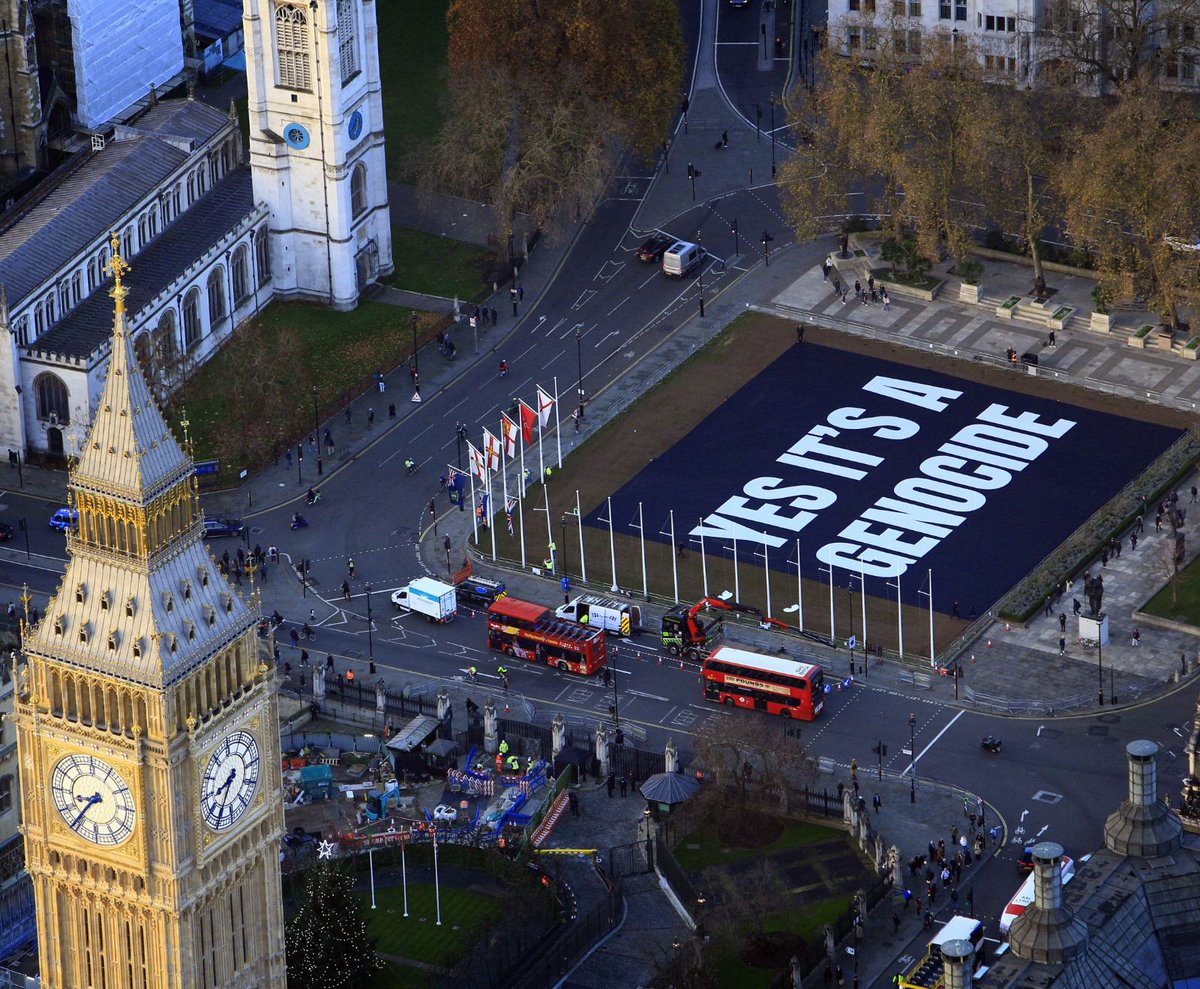
“My name is Amos Goldberg. I am an Israeli Professor of Holocaust Studies. For nearly 30 years I have researched and taught the Holocaust, genocide and state violence. And I want to tell whoever is willing to listen that what’s happening now in Gaza is a genocide. A year ago when October 7th happened, like all Israelis I was in shock. It was a war crime and a crime against humanity. 1200 people - more than 800 of them civilians - were killed in one day. Children and the elderly were among those taken hostage. Communities were destroyed. It was outrageous, traumatizing, personal. Like most Israelis, I know people who were killed, who lost loved ones or whose loved ones were taken hostage. But immediately afterwards came Israel’s response and within weeks thousands of civilians were killed in Gaza. It took me some time to digest what was unfolding before my eyes. It was agonizing to confront that reality. I was reluctant to call it a genocide. But if you read Raphael Lemkin – the Jewish-Polish legal scholar who coined the term ‘genocide’ and was the major driving force behind the 1948 United Nations Genocide Convention – what is happening in Gaza now is exactly what he had in mind when he spoke about genocide. It does not need to look like the Holocaust to be a genocide. Each genocide looks different and not all involve killing of millions or the entire group. The United Nations Genocide Convention explicitly asserts that genocide is the act of deliberately destroying a group in whole or in part. Those are the words. But there does need to be a clear intent. And indeed, there are clear indications of intent to destroy Gaza: Israel’s leaders - including the prime minister and the minister of defence - and many high-ranking military officers, media personalities, rabbis, as well as ordinary soldiers were very open about what they wanted to achieve. There were countless documented incitements to turn the whole of Gaza into rubble and claims that there are no innocent people living there. A radical atmosphere of dehumanization of the Palestinians prevails in Israeli society to an extent that I can’t remember in my 58 years of living here. Now that vision has been enacted. Tens of thousands of innocent children, women and men have been killed. Over a hundred thousand were wounded. There is a near total destruction of infrastructure, intentional starvation and blocking of humanitarian aid. There are mass graves and reliable testimony of summary executions. Children that were shot by snipers. All the universities and almost all hospitals are gone. Almost all the population is displaced. There have been numerous bombings of civilians in so-called ‘safe zones’. Gaza does not exist anymore. It is completely destroyed. Thus, the outcome fits perfectly with the stated intentions of Israel’s leadership. Lemkin - that scholar who coined the term ‘genocide’ - described two phases of a genocide. The first is the destruction of the annihilated group and the second is what he called ‘imposition of the national pattern’ of the perpetrator. We are now witnessing the second phase as Israel prepares ethnically cleansed areas for Israeli settlements. And therefore, I have come to the conclusion that this is exactly what a genocide looks like. We don’t teach about genocides in order to realize it retrospectively. We teach about it in order to prevent it and to stop it. But like in every other case of genocide in history right now we have mass denial. Both here in Israel and around the world. But reality cannot be denied. So yes, it is a genocide. And once you come to this conclusion you cannot remain silent.” - Statement to Led By Donkeys, December 2024 - Photo: Parliament Square, London, 8.40am, 4th December 2024
Led By Donkeys tweet media
English
1.4K
12.1K
25.6K
1.6M
Anand D Jeyasekharan retweetledi
Community Notes & Violations
Community Notes & Violations@CNviolations·
SNL did good on this one, not gonna lie.
English
523
8.6K
58.1K
4.6M
Anand D Jeyasekharan retweetledi
Sydney🚀
Sydney🚀@CountVolpe·
The person at Apple who designed the new layout for the photos app should be imprisoned
English
2K
24.9K
215.5K
10.2M
Anand D Jeyasekharan retweetledi
Vincent Rajkumar
Vincent Rajkumar@VincentRK·
Wow! Dr. Druker resigns. This is the Dr. Brian Druker! Academic medicine has a problem. I hear this sentiment from many investigators. wweek.com/news/2024/12/0…
Vincent Rajkumar tweet media
English
9
25
137
58.5K
Anand D Jeyasekharan retweetledi
FearBuck
FearBuck@FearedBuck·
just 2 dudes in 2003 not realizing they just made one of the best songs ever x.com/copiumx/status…
English
2.7K
39.4K
387.8K
39.6M
Anand D Jeyasekharan retweetledi
James Blunt
James Blunt@JamesBlunt·
What with the fall of Aleppo, the imminent end of the essential pastime of skiing due to global warming, and the possibility that the Russians own the guy who owns X, I’ve opened an account on @Bluesky. bsky.app/profile/jamesb…
English
86
52
657
132.3K
Anand D Jeyasekharan retweetledi
Michael Eisen
Michael Eisen@mbeisen·
It's an absolute scandal and tragedy that India is forced to spend $250m/year to provide access to the latest science to its people. A complete and total failure of global science leadership and of science writ large.
Niko McCarty.@NikoMcCarty

Indian gov't is buying a subscription to 13,000 academic journals, and then making them all available to "18 million students, faculty, and researchers" for free. The cost is $715 million over 3 years. It includes Elsevier, Nature, and AAAS. Have any other countries done this?

English
15
108
577
67.2K
Anand D Jeyasekharan retweetledi
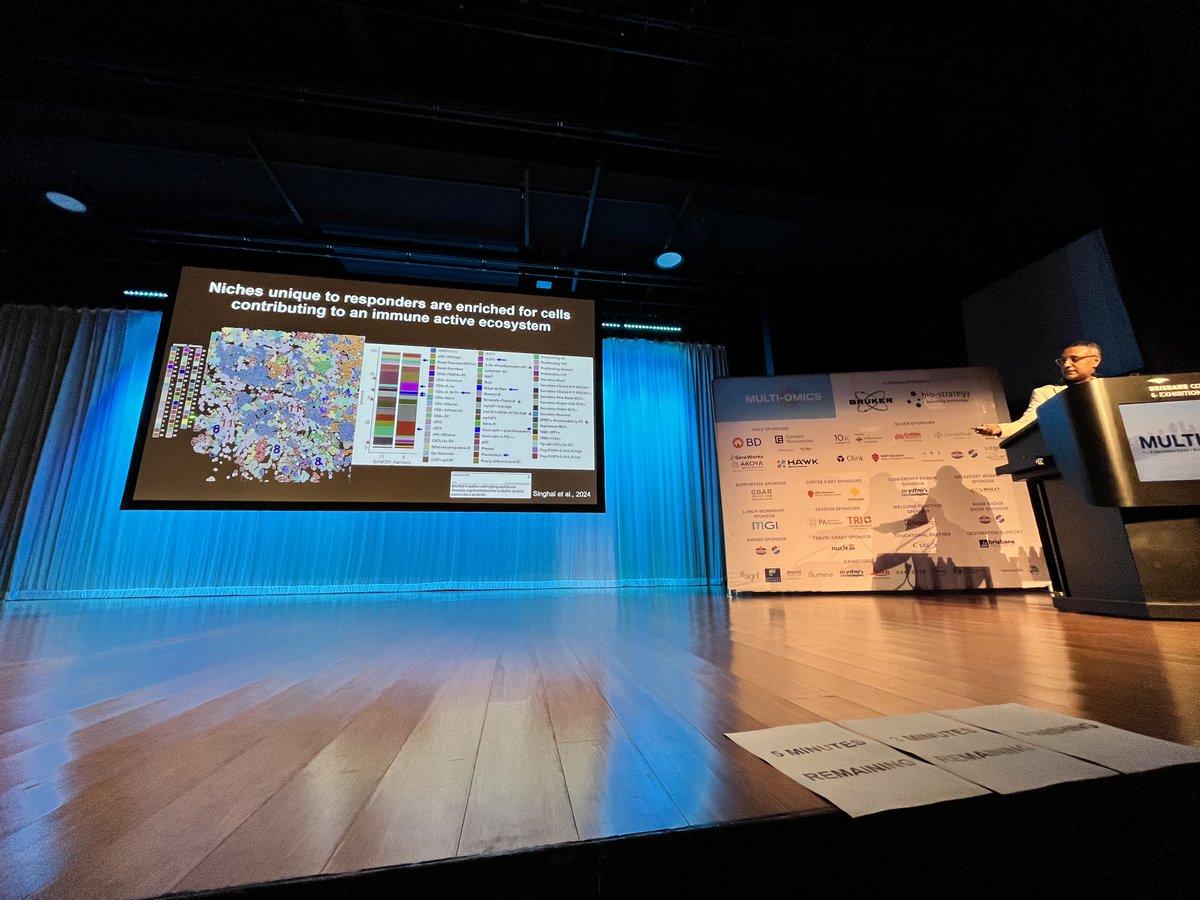
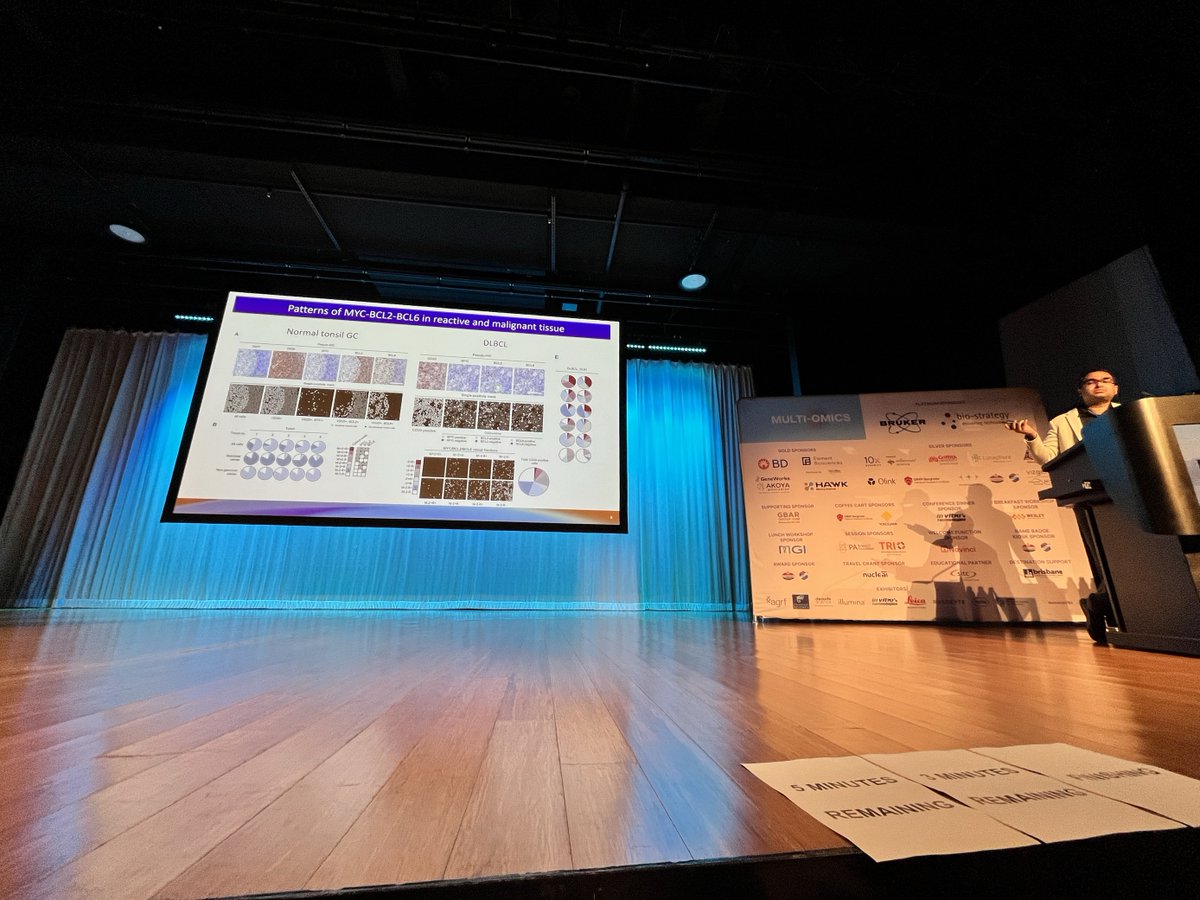
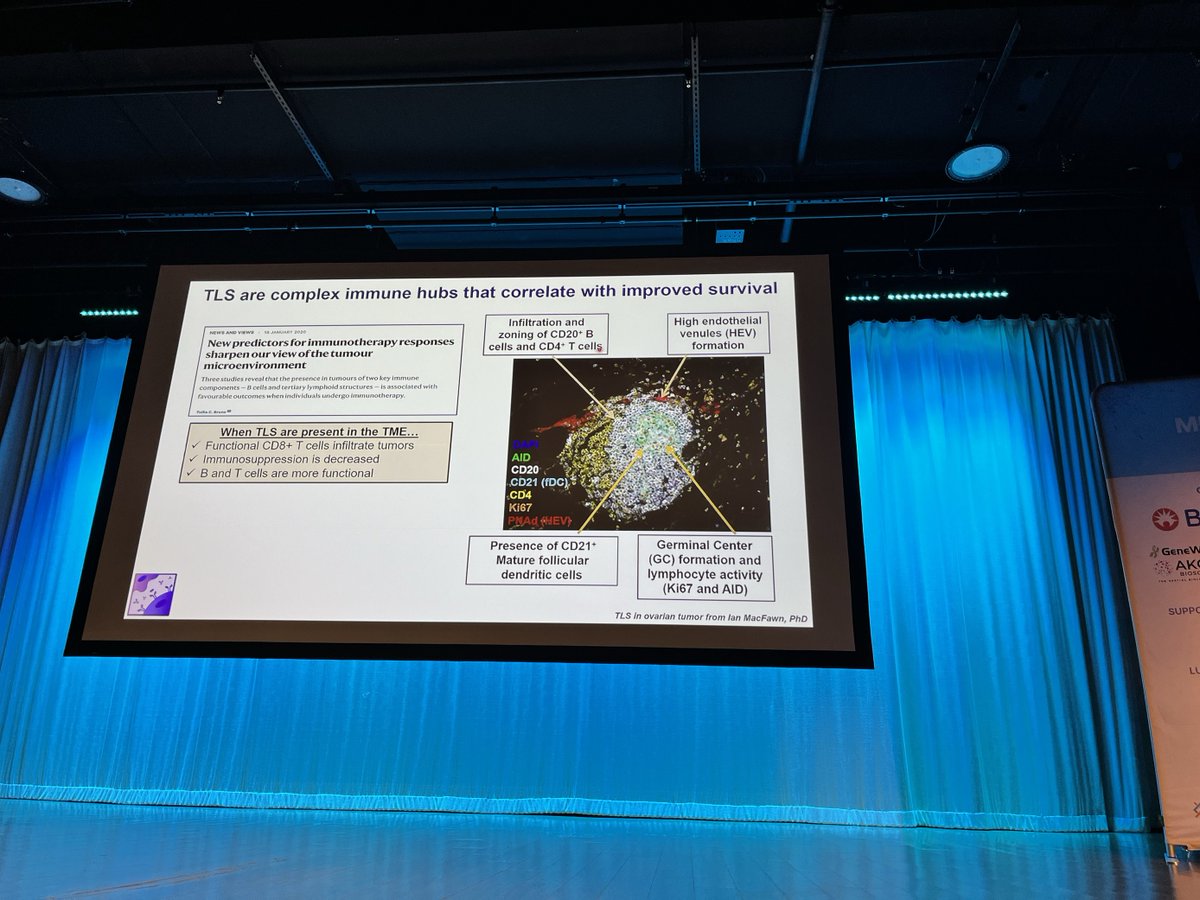
Arutha K
Arutha K@aruthak·
Arutha K tweet media
Brisbane, Queensland 🇦🇺 QME
1
1
2
215
Anand D Jeyasekharan retweetledi
Linus ✦ Ekenstam
Linus ✦ Ekenstam@LinusEkenstam·
WORST REDESIGN A THREAD
Linus ✦ Ekenstam tweet media
English
76
22
615
89.2K