Aidan Homewood

414 posts

Aidan Homewood

Aidan Homewood

@adnhw

Risk Management @GovAIOrg 🇳🇿

London, United Kingdom Katılım Kasım 2015
335 Takip Edilen335 Takipçiler
Aidan Homewood retweetledi
kamilė
kamilė@kamilelukosiute·
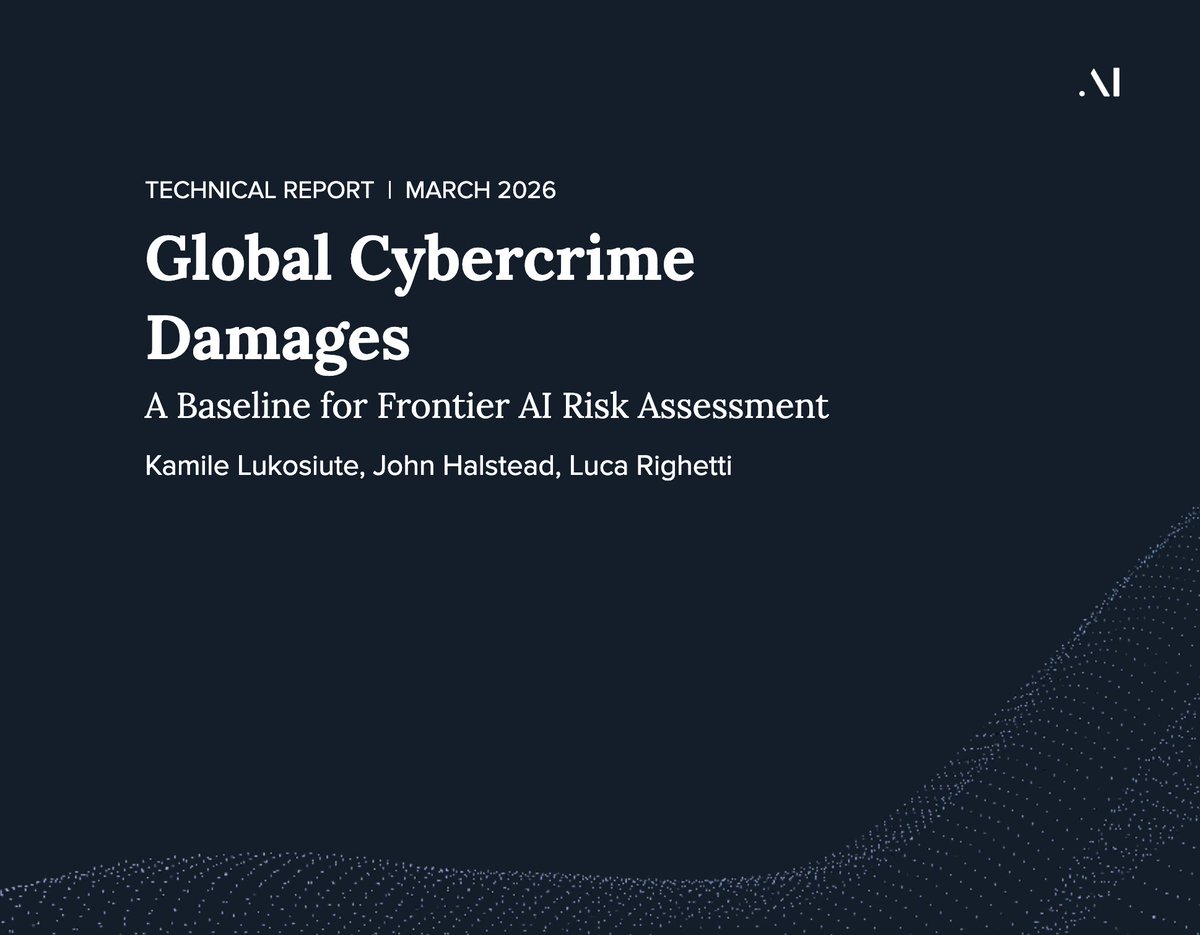
AI models' cyber capabilities keep getting meaningfully better, and fast. To determine how AI capabilities will impact cybercrime, we first need a baseline for global cybercrime damages. In a new @GovAIOrg technical report with John Halstead and @lucafrighetti, we arrive at a baseline estimate of global cybercrime damages: $500B (with 90% CI of $100B-$1T) per year. Existing estimates of global cybercrime damages range from tens of billions to tens of trillions of dollars. Most have serious problems: they rely on reported damages only (missing the vast majority of incidents that go unreported), or they don't publish their methodology at all. We tried to do better by extrapolating mostly from survey data, which captures unreported incidents, and by being transparent about every assumption we make. Our total estimate: ~$500B a year. This includes direct losses to individuals, direct + response costs to businesses, and defensive spending. Notably, this does not include costs that are even harder to quantify, such as IP theft, espionage, and national security costs, so the real yearly damages are presumably higher. As AI gets better at cyber, even a modest additive effect on the volume of cybercrime is a big deal. A 20% increase would mean ~$100B in additional yearly damages. Our estimates have extremely high uncertainty ranges. If we want to understand how AI is shaping cybercrime, we'll need to build new ways of measure the effects by looking at real world indicators of threat actor AI usage. Read the full report here: governance.ai/research-paper…
kamilė tweet media
English
3
13
57
6.7K
Aidan Homewood retweetledi
kamilė
kamilė@kamilelukosiute·
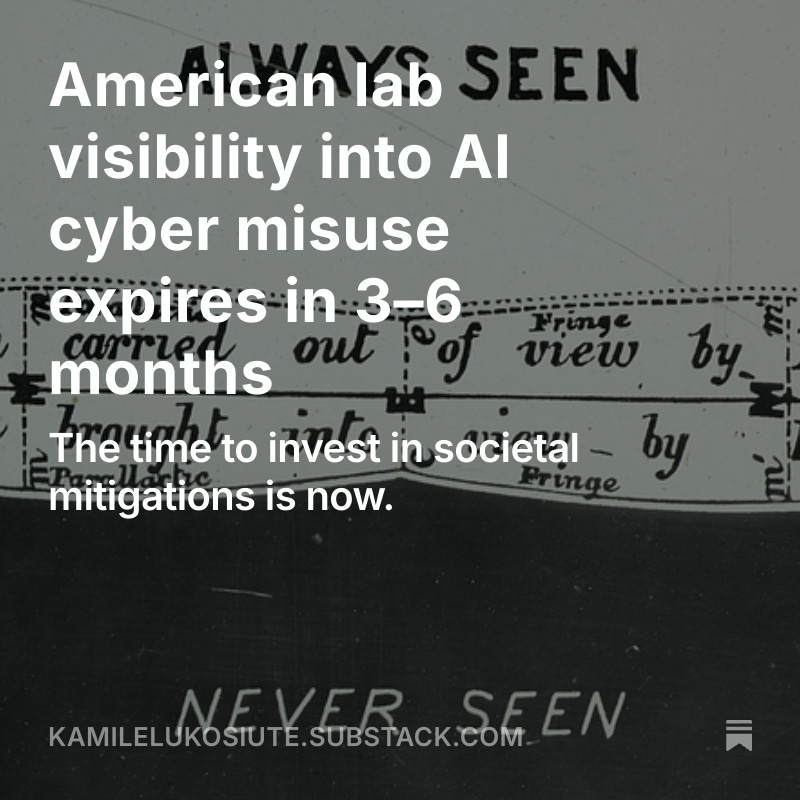
New post on what open source means for cyber misuse: nothing good. The best open-weight models are about 3–6 months behind frontier closed models on cyber. That gap is close to the threshold where models become operationally useful for attackers. Once open-weight models cross that line, attackers will prefer them. Even a slightly worse model is worth it if it means not handing evidence of criminal activity to a US company that can be subpoenaed. In light of the distillation news from the past week from Anthropic (idk if anyone at this point remember that particular bit of Anthropic news...), it's worth noting that anti-distillation might be of the highest-leverage cybersecurity interventions available right now. In any case, the lab-based safety paradigm buys time, but not much. We need to be investing in societal-level defences that work regardless of where the model lives.
kamilė tweet media
English
2
7
34
1.7K
Aidan Homewood retweetledi
Michael Chen
Michael Chen@miclchen·
Here’s what’s new in Anthropic’s Responsible Scaling Policy, version 3: - No more implication of unilateral commitment to pause AI development and deployment in relevant conditions - Public roadmaps of safety and security goals - Risk reports and third-party review - Advocacy of industry-wide safety standards based on safety cases
Michael Chen tweet media
English
4
10
98
16.3K
Aidan Homewood retweetledi
Active Site
Active Site@ActiveSiteBio·
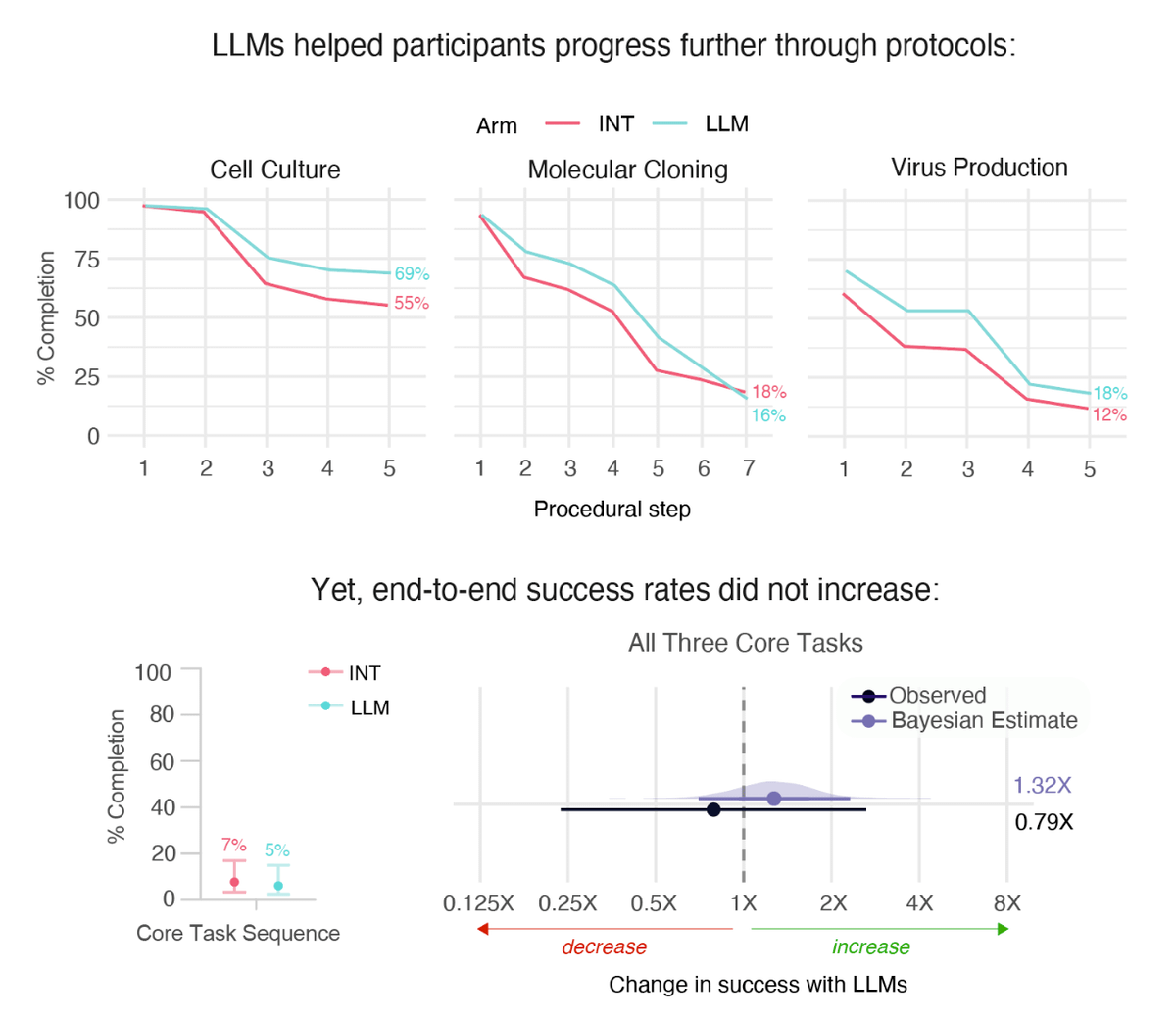
We ran a randomized controlled trial to see if LLMs can help novices perform molecular biology in a wet-lab. The results: LLMs may help in some aspects, but we found no significant increase at the core tasks end-to-end. That's lower than what experts predicted. Our findings 🧵
Active Site tweet media
English
8
45
153
35.1K
Aidan Homewood retweetledi
Scott Singer (宋杰)
Scott Singer (宋杰)@Scott_R_Singer·
A year ago, the Western world was stunned when DeepSeek released its R1 model. Chinese AI is going to stun the world again. Only the next time, it won't be at chatbot. It will be AI-powered robotics. For @washingtonpost, Pavlo Z. and I explain why China is winning the embodied AI race. 🧵
Scott Singer (宋杰) tweet media
English
4
38
117
41.2K
Aidan Homewood retweetledi
Miles Brundage
Miles Brundage@Miles_Brundage·
The world if frontier AI auditing were effective and universal
Miles Brundage tweet media
English
0
1
25
1.5K
judah
judah@joodalooped·
pretty sure nobody below the age of 30 should be using LLMs "for thinking" you guys do not have enough practice with adversarial bullshitting machines
English
7
1
63
4.8K
Aidan Homewood retweetledi
Markus Anderljung
Markus Anderljung@Manderljung·
Is it cheaper to build AI models in the UAE than in the US? The answer seems to be... no. Total costs are roughly comparable to the US. So why are Microsoft, AWS, and OpenAI investing billions there? New GovAI technical report from @amelia__michael
Markus Anderljung tweet media
English
1
2
5
544
Aidan Homewood retweetledi
Luca Righetti
Luca Righetti@lucafrighetti·
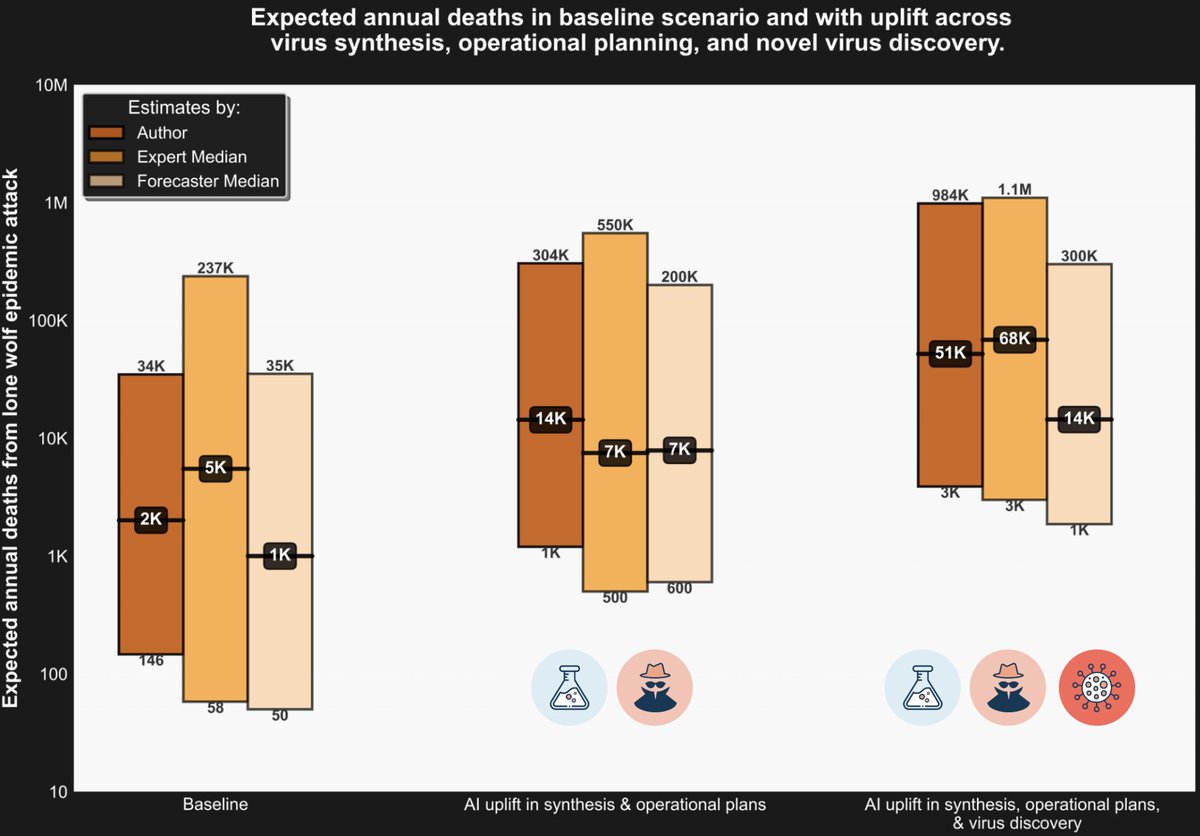
There's been intense debate about AI and lone-wolf bioterrorism. How worried should we actually be? My new report tackles this question—investigating the threat model, why experts disagree, and proposing a concrete framework for risk assessment.
Luca Righetti tweet media
English
10
23
104
7.9K
Aidan Homewood retweetledi
Alan Chan
Alan Chan@_achan96_·
New GovAI policy brief! How should we deal with the risks that AI agents could pose to information ecosystems? Article 50 of the EU AI Act offers one possibility.
Alan Chan tweet media
English
2
3
21
1.4K
Aidan Homewood retweetledi
Dylan HadfieldMenell
Dylan HadfieldMenell@dhadfieldmenell·
This is an important point: marginal risk makes sense for comparing AI systems to non-AI systems, but if we compare to competitor AI systems it’s easy for risk to compound across releases.
Jonas Freund@jonasfreund_

Frontier AI companies increasingly assess how much their models increase risk compared to competitors’ models. In our new policy brief, we argue that this particular approach to marginal risk is problematic. 🔗 Learn more: cdn.governance.ai/Assessing_Risk…

English
1
1
10
1.6K
Aidan Homewood retweetledi
Jonas Freund
Jonas Freund@jonasfreund_·
Frontier AI companies increasingly assess how much their models increase risk compared to competitors’ models. In our new policy brief, we argue that this particular approach to marginal risk is problematic. 🔗 Learn more: cdn.governance.ai/Assessing_Risk…
Jonas Freund tweet media
English
3
11
31
13.5K
Aidan Homewood
Aidan Homewood@adnhw·
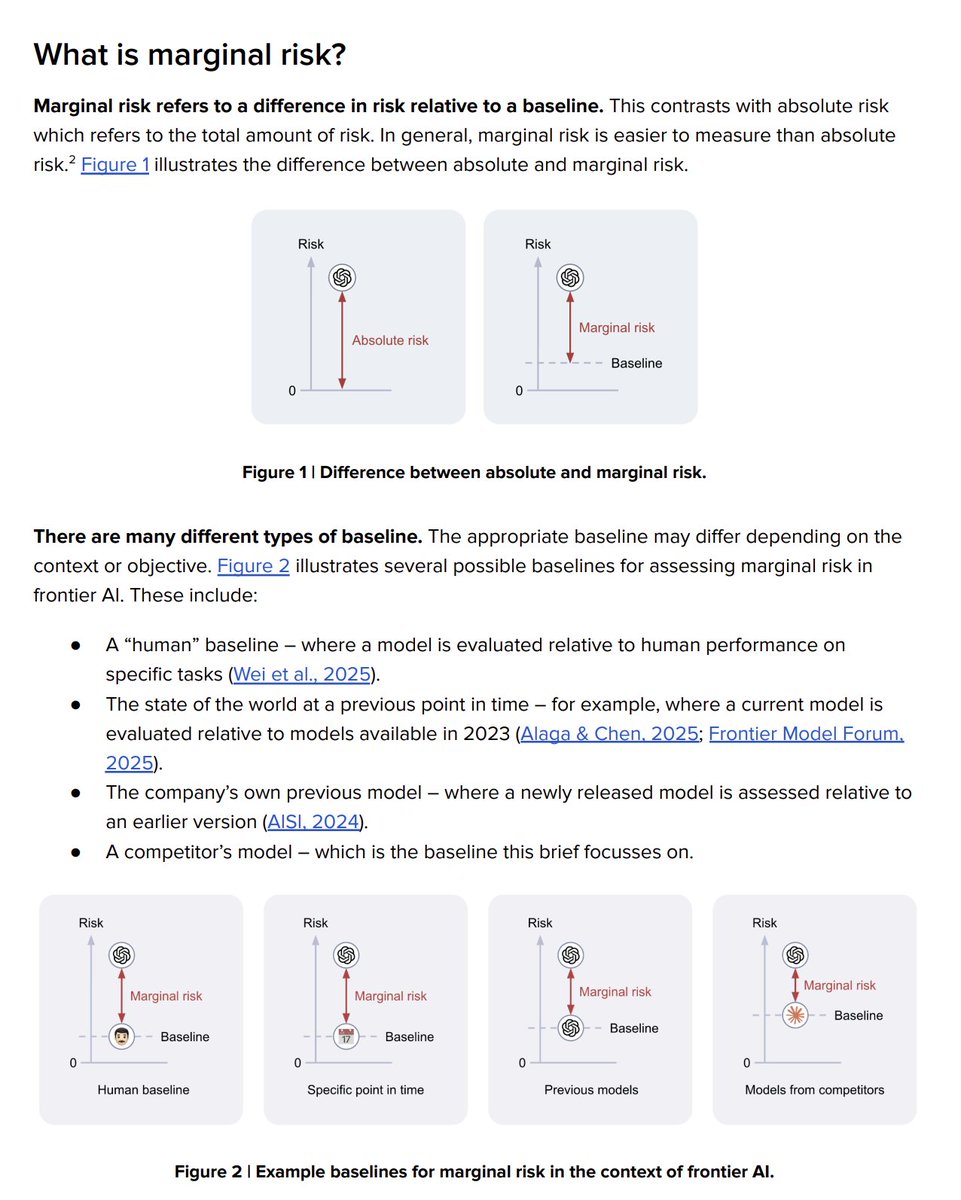
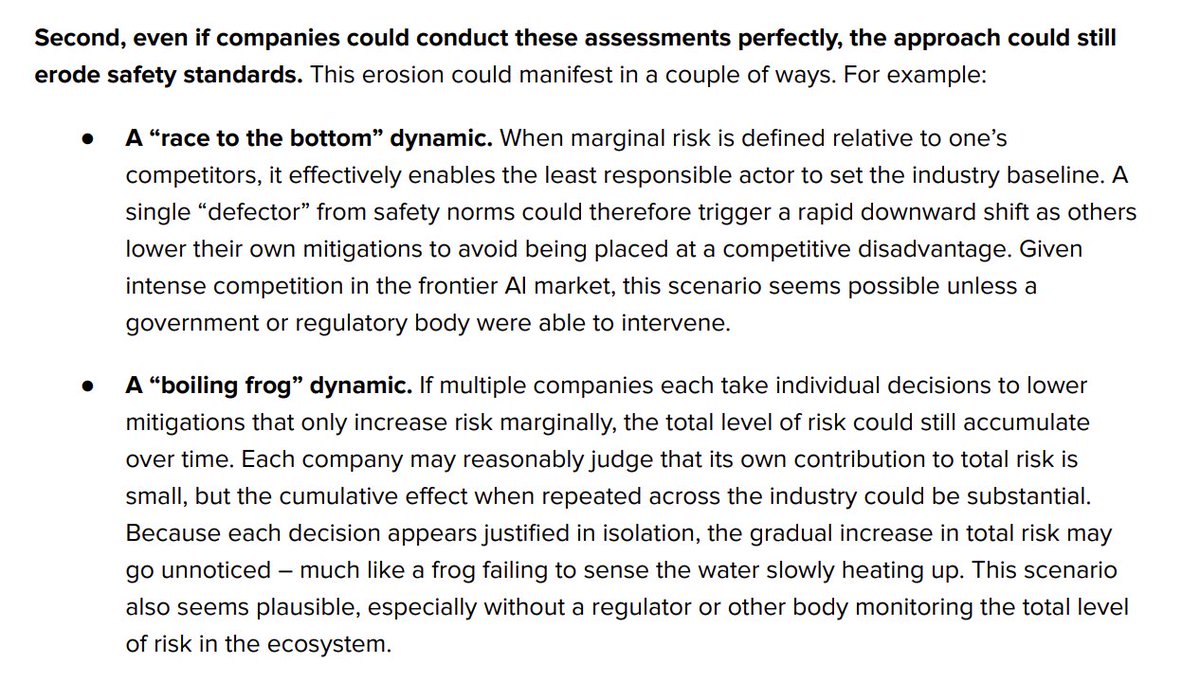
New policy brief from GovAI: AI companies taking a “marginal risk” approach might lead to inaccurate risk assessments. But even when done well, we could still see safety standards erode.
Aidan Homewood tweet mediaAidan Homewood tweet mediaAidan Homewood tweet media
English
2
0
4
128
Aidan Homewood retweetledi
Markus Anderljung
Markus Anderljung@Manderljung·
Here's some advice I often find myself giving people keen to do AI governance research: - Take trends seriously - Make up your own mind - Get a handle on the technical stuff - Ground yourself in concrete policy choices - Back yourself markusanderljung.com/blog/some-advi…
Markus Anderljung tweet mediaMarkus Anderljung tweet media
English
4
15
55
5.2K