Andrea I Fuentealba MD
2.2K posts

Andrea I Fuentealba MD
@afcargill
Fetal/Cardiothoracic Peds Radiology Fellow @cuanschutz #ECFMG certified. Love music, travel, ski, meditation…
Denver, CO Katılım Eylül 2010
1.8K Takip Edilen377 Takipçiler
Sabitlenmiş Tweet

@MirskyDavid @RadiologyACR @iyer_md @VMSilvera @AndrewTroutMD @MTWhiteheadMD @sumsnet @drmankad Really good guideline! Thank you for sharing ❤️
English
Andrea I Fuentealba MD retweetledi

@ariana_farhad @MaryBowdenMD So, for you having a step 1 attempt and be unable to answer 1 question 1 day in her rotation make that med student not good enough for matching. We all have bad days, a bit of compassion!
English

Once, at an Ivy League–affiliated hospital, I observed a fourth-year medical student during her clinical cardiology rotation. A mentor asked her about the P wave on an ECG, its pathological variations, and the pressure differences between the right and left sides of the heart. She was unable to answer.
That same year, however, she matched into a highly prestigious internal medicine residency program in New York—despite having previously failed the USMLE Step 1 exam.
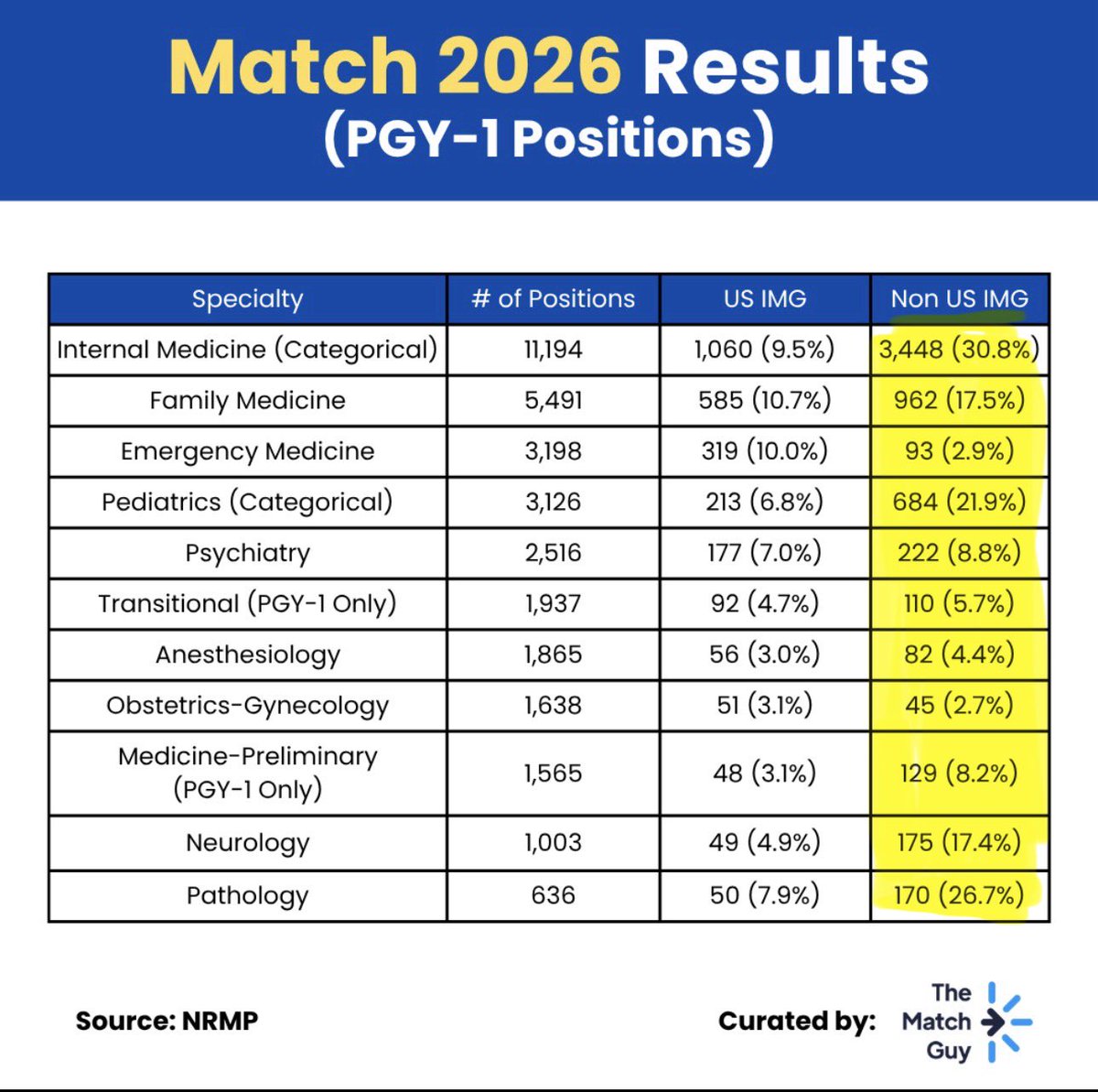
Let’s put it more simply: many U.S. medical graduates prefer not to train at small, under-resourced community hospitals in rural areas—such as a 50-bed facility in parts of Louisiana or Oklahoma. Instead, they often aim for highly prestigious institutions like Stanford University, Yale University, Duke University, University of Virginia, or other major academic centers and University hospitals , where opportunities for specialization, research, and higher future earnings are greater.
As a result, many of the residency positions in smaller or less competitive hospitals are filled by international medical graduates (IMGs), particularly from developing countries.
Interestingly—and perhaps paradoxically—many of these IMGs perform at levels comparable to their U.S.-trained peers on exams such as the United States Medical Licensing Examination.
English
Andrea I Fuentealba MD retweetledi

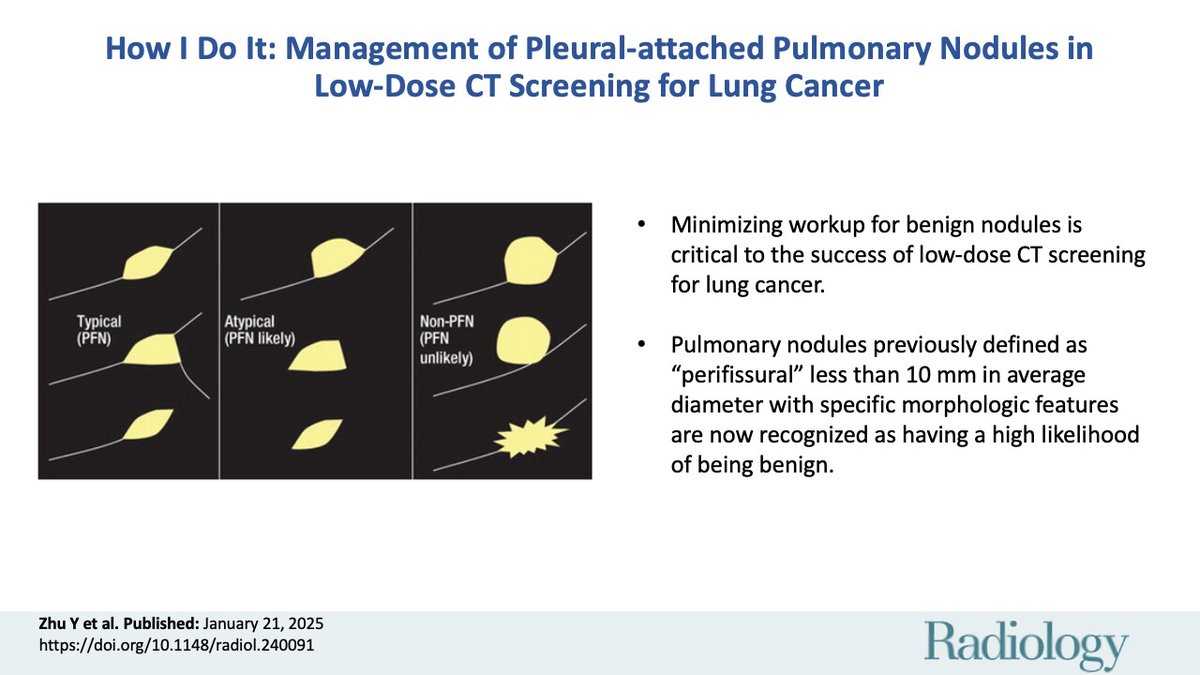
Our countdown continues with the no. 3️⃣ most viewed article of 2025, which summarizes the management of pleural-attached pulmonary nodules in lung cancer screening. Read more in this popular How I Do It article: bit.ly/40PuNVP

English

I love this yarn store! michiganfineyarns.com/?smile_ref=eyJ…
English
Andrea I Fuentealba MD retweetledi

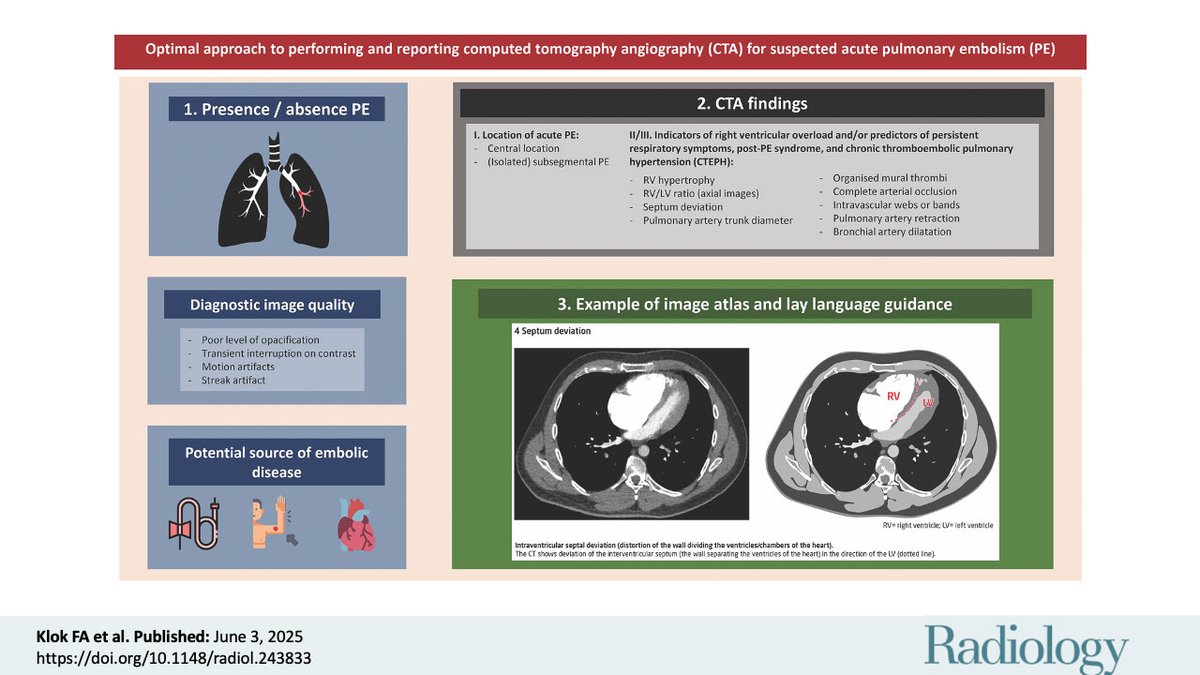
Pulmonary embolism protocols got you second-guessing? 🫁💡This new consensus statement offers a practical guide to performing and reporting CTA for suspected PE, backed by major societies in radiology and cardiology. A must-read for refining your approach:
pubs.rsna.org/doi/10.1148/ra…

English

@target got any promotional codes currently running? couponfollow.com/site/target.com via @couponfollow
English

@jbcarmody I cannot find words to explain how it feels to read that… just wow
English

@CMBarbee_ Hi! Have you read ‘Quiet’ from Susan Cain?
I strongly recommended it! (From an introverted radiology fellow)
English

Hello #MedTwitter! How should I navigate preceptor feedback saying I’m“too quiet”? Apparently in the extrovert world being quiet means you’re dumb. How do I impress preceptors as a more quiet, reserved student?
English
Andrea I Fuentealba MD retweetledi

@mahad_minhas I am sorry for your lost. You are in my prayers.
English

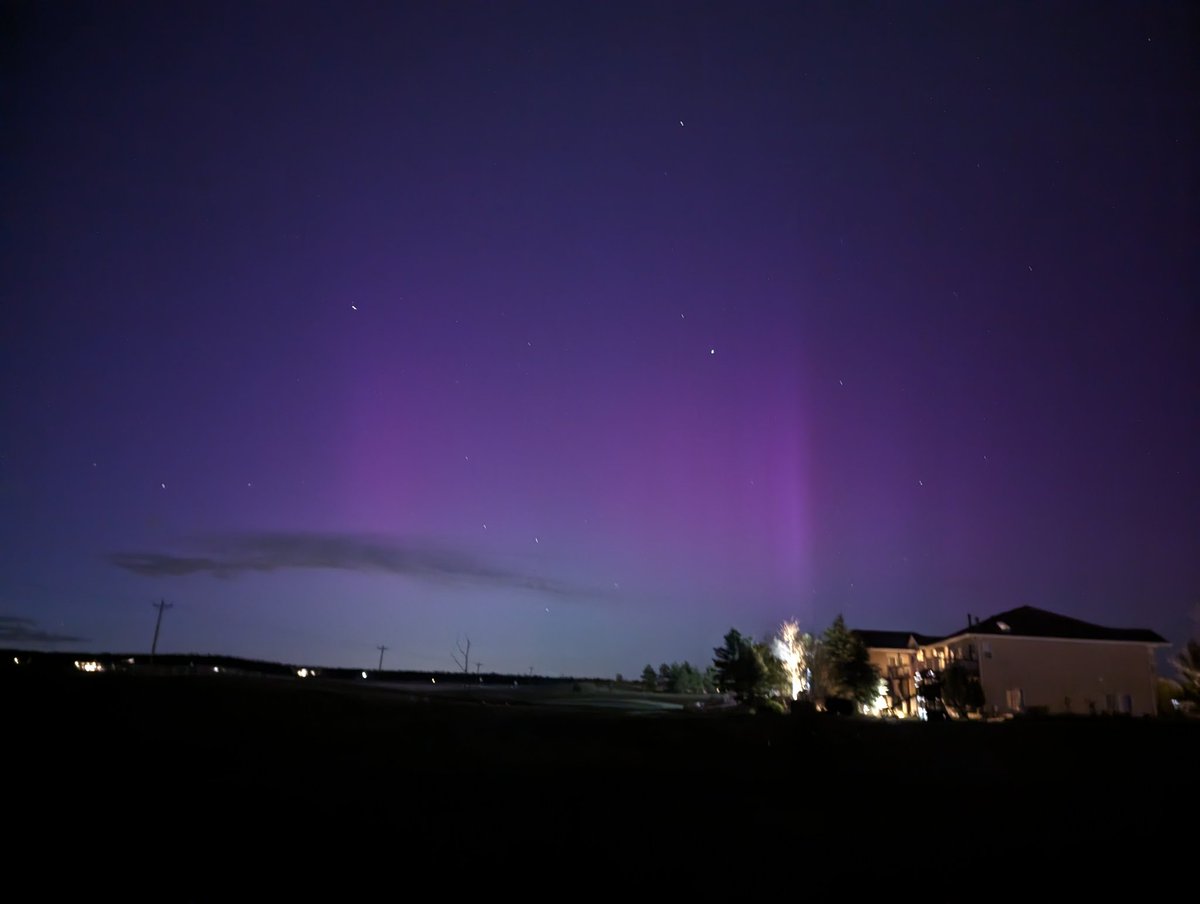
Aurora chasing MEGA THREAD! How to catch the aurora tonight. In case you haven't heard, this is the strongest geomagnetic storm we have seen in over 20 years. Auroras are currently being seen in places as far south as India, Portugal, and the Bahamas.
If you live in Canada, the contiguous United States, or even northern Mexico, you have a chance of seeing aurora tonight. All U.S. states are in play. Here's how to do it.
1. Since we know the geomagnetic storm is strong NOW, aurora will be visible RIGHT AFTER SUNSET! Get in position early and look to the north/northeast when it gets dark.
2. Find a dark place away from city lights with a clear view of the northern horizon. Usually, you only need to get 30 minutes from the outskirts of your city. Find a bortle <5 sky on this chart: lightpollutionmap.info
3. Find a clear place. Aurora occurs above clouds. You need to find a place to watch the aurora without clouds. High clouds/wispy cirrus might be okay, but the clearer, the better. I use windy.com to monitor cloud coverage.
4. Make a report of what you are seeing! Tag me or other space weather enthusiasts. Go to aurorasaurus.org and make a report with a photo if you can! This helps science and will help researchers piece together this historic aurora event!
5. Stay safe! Bring a friend. Bring water, food, warm clothes, a flashlight/headlamp, and tell people where you are going. Often times, aurora chasing leads you to places you haven't been before. Download offline maps (Google Maps can do this) so you don't get lost.
6. Observe proper aurora chaser "etiquette." Try to turn off your high beams when passing roadside pullouts. Do not blast loud music or talk loudly when you are around strangers looking at the lights. It's an emotional experience for many people, so if you can't hold it in, that's fine, but just be respectful! If you can, use red lights instead of white lights. This will preserve your night vision and the night vision of those around you.
7. Know what you are seeing. Is it aurora? Take a test shot with your phone and try and find some color. Many of the shots you see on social media reporting auroras from low latitudes were taken with a cell phone. That's all you need... cell phones can pick up colors where our eyes can't. The aurora often looks like a pale green/pink glow to the north. Cameras reveal their full glory.
8. Have fun!

English
Andrea I Fuentealba MD retweetledi

Beyond grateful to @GuerbetGroup & @Philips CT for your committment to the #PromoParty and Pediatric Neuroradiology Research!
American Society of Pediatric Neuroradiology@The_ASPNR
Thanks again to @GuerbetGroup & @Philips CT for sponsoring the ASPNR #promoparty and supporting #pedineurorad! Visit their booths at #ASNR24 to learn more. guerbet.com usa.philips.com/healthcare/sol… Get your tix here 👉 aspnr.org/meetings/promo…
English
Andrea I Fuentealba MD retweetledi

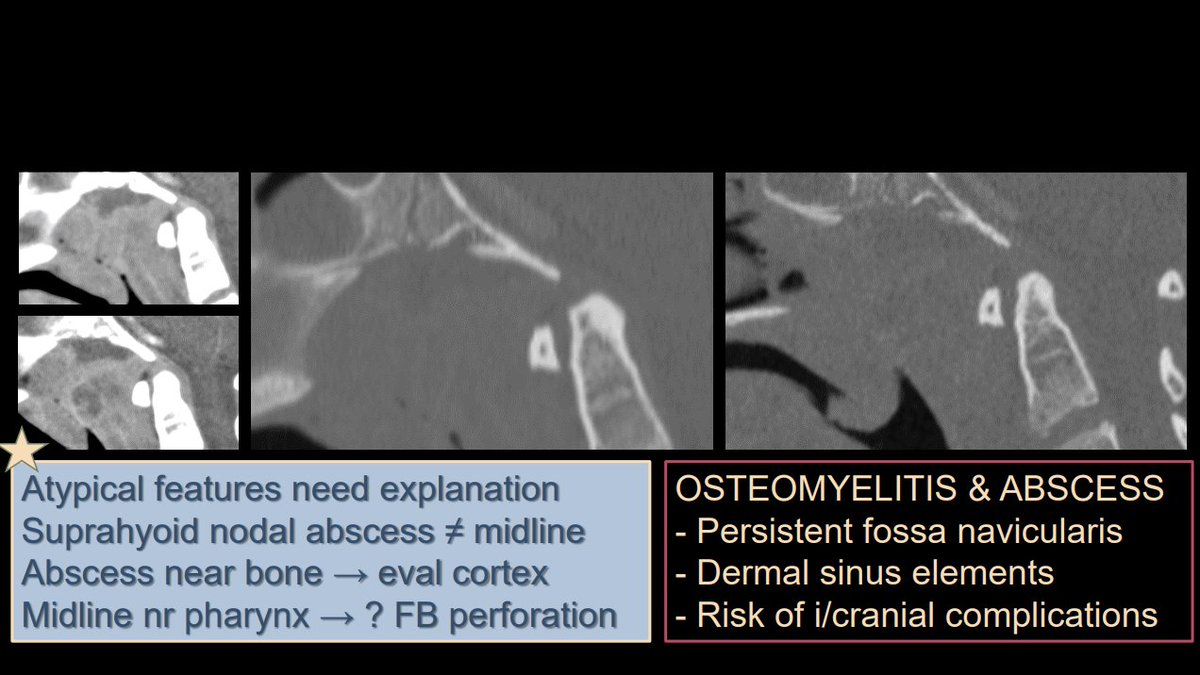
Not all retropharyngeal swelling is caused by a typical retropharyngeal abscess. Look carefully for where the infection is centered and for atypical features that clue you in to alternative diagnosis. #IPNTN #pedineurorad #neurorad


English
Andrea I Fuentealba MD retweetledi

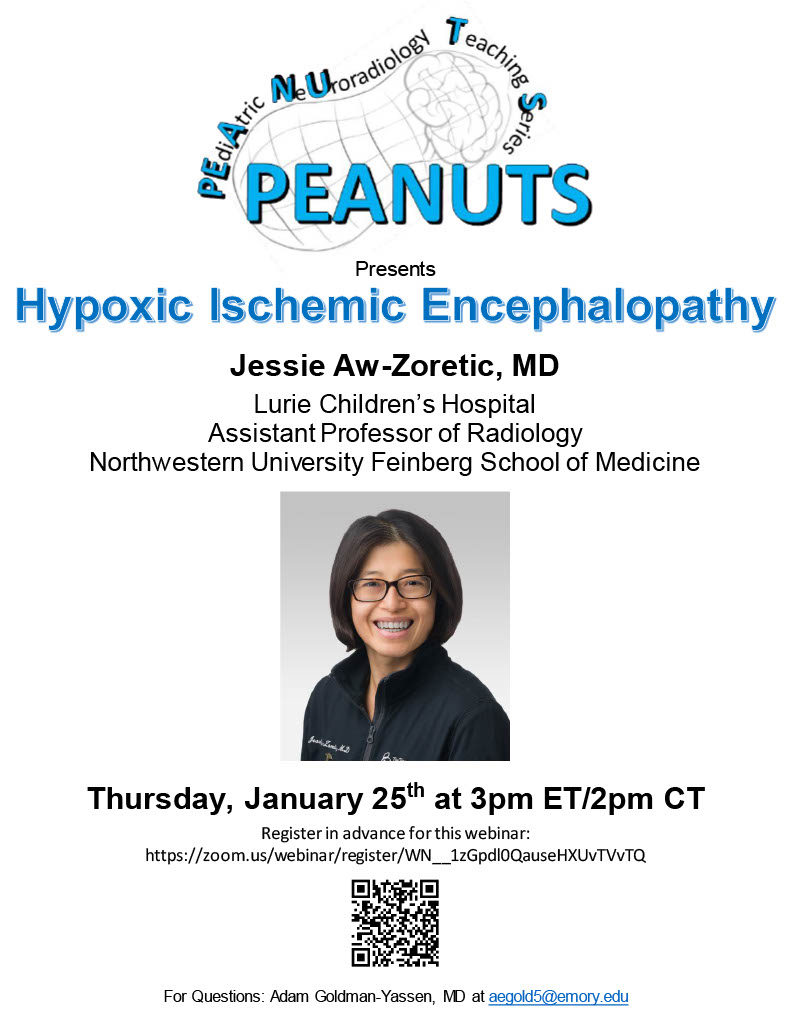
Join us on Thursday 1/25 at 3PM Eastern Time for the monthly PEdiAtric NeUroradiology Teaching Series (PEANUTS) lecture:
"Hypoxic Ischemic Encephalopathy"
Jessie Aw-Zoretic, MD
@LurieNeuroRads @NorthwesternMed
Register in advance: zoom.us/webinar/regist…

English

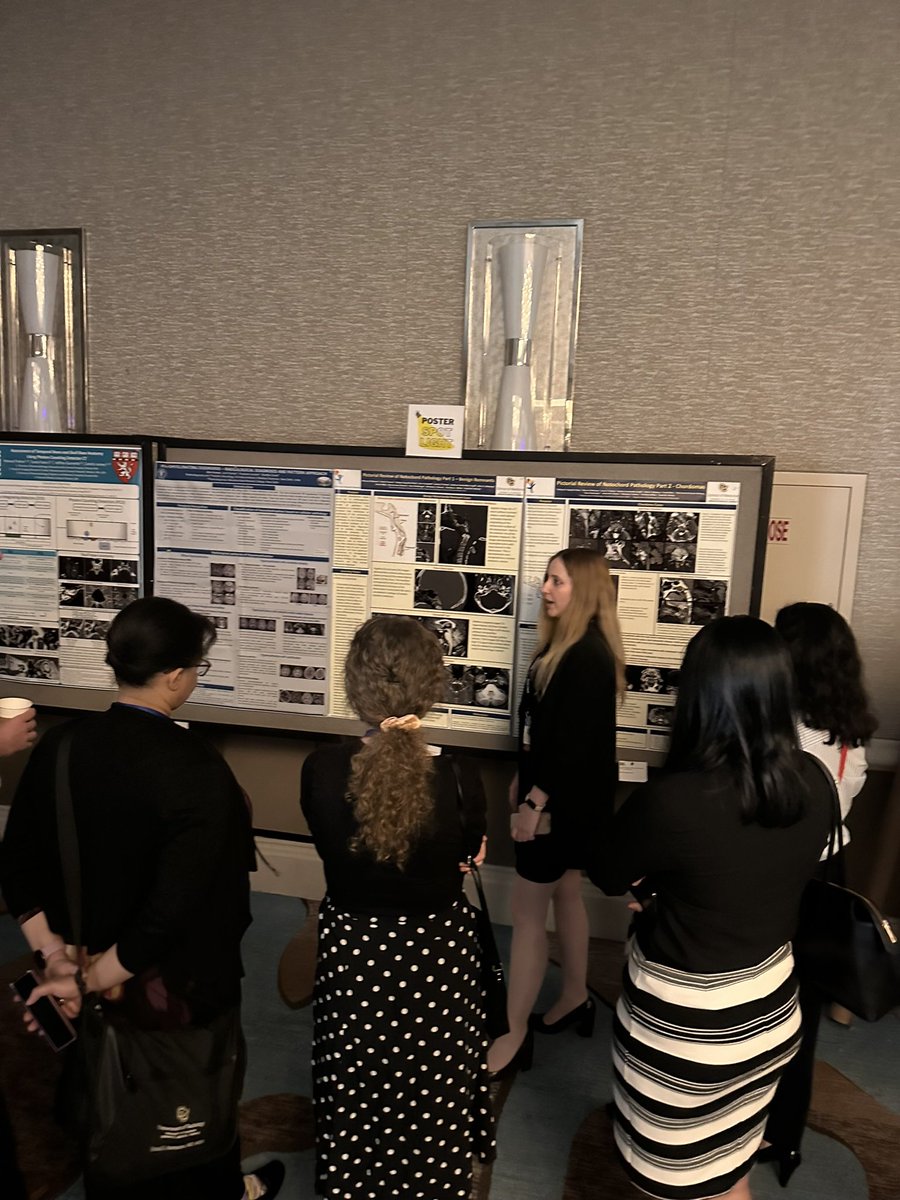
Our own @ChebaaneMona in the spotlight with her poster!
@The_ASPNR @CUAnschutz @curadresidents @ChildrensColo @MirskyDavid

English

Amazing talk! Such an inspiration!
American Society of Pediatric Neuroradiology@The_ASPNR
Dr. @TYPoussaintMD empowering us as the Keynote Speaker now at #ASPNR24! Empathy, collaboration, resilience, mentorship & inclusivity are some of the keys to success. #PediNeuroRad #success
San Diego, CA 🇺🇸 English