Cognis

4 posts

Cognis banner
Cognis

Cognis

@AgiObjective

Beyond the AI frontier. R&D for the experience of intelligence. Part of @OnzoreAI

Katılım Ocak 2025
10 Takip Edilen614 Takipçiler
lama 📿
lama 📿@CharmLama·
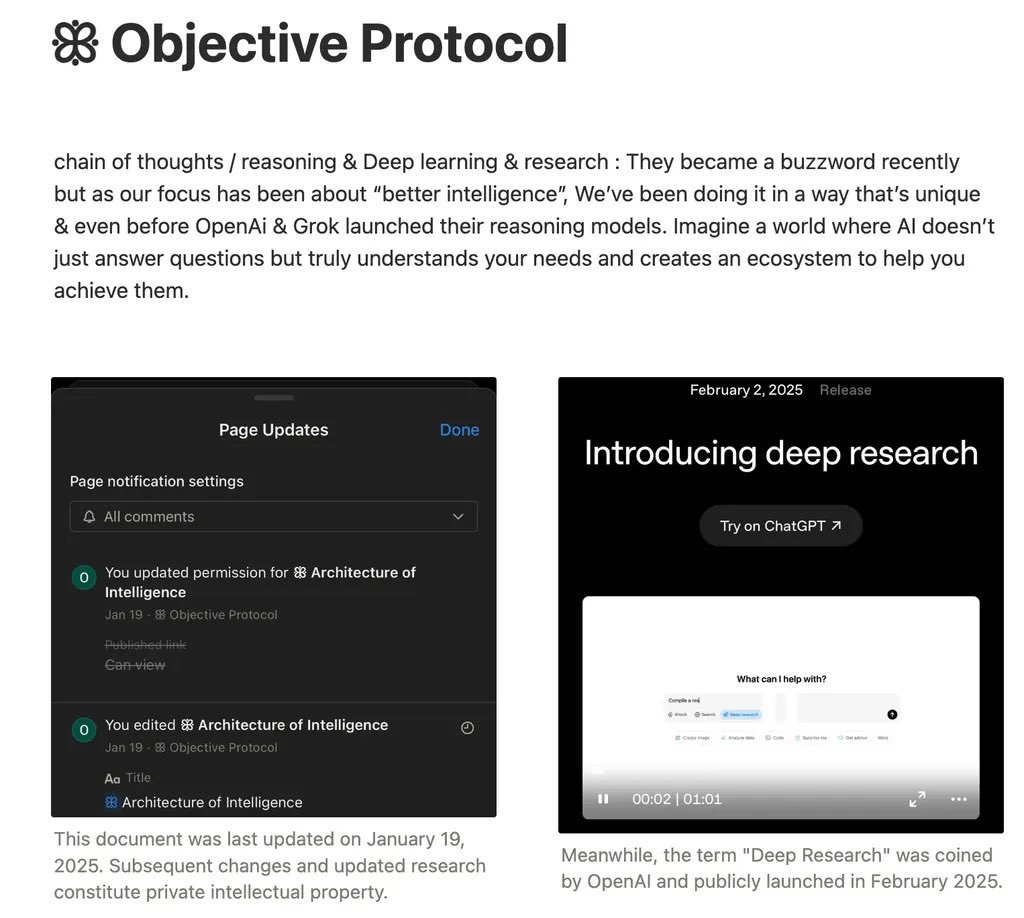
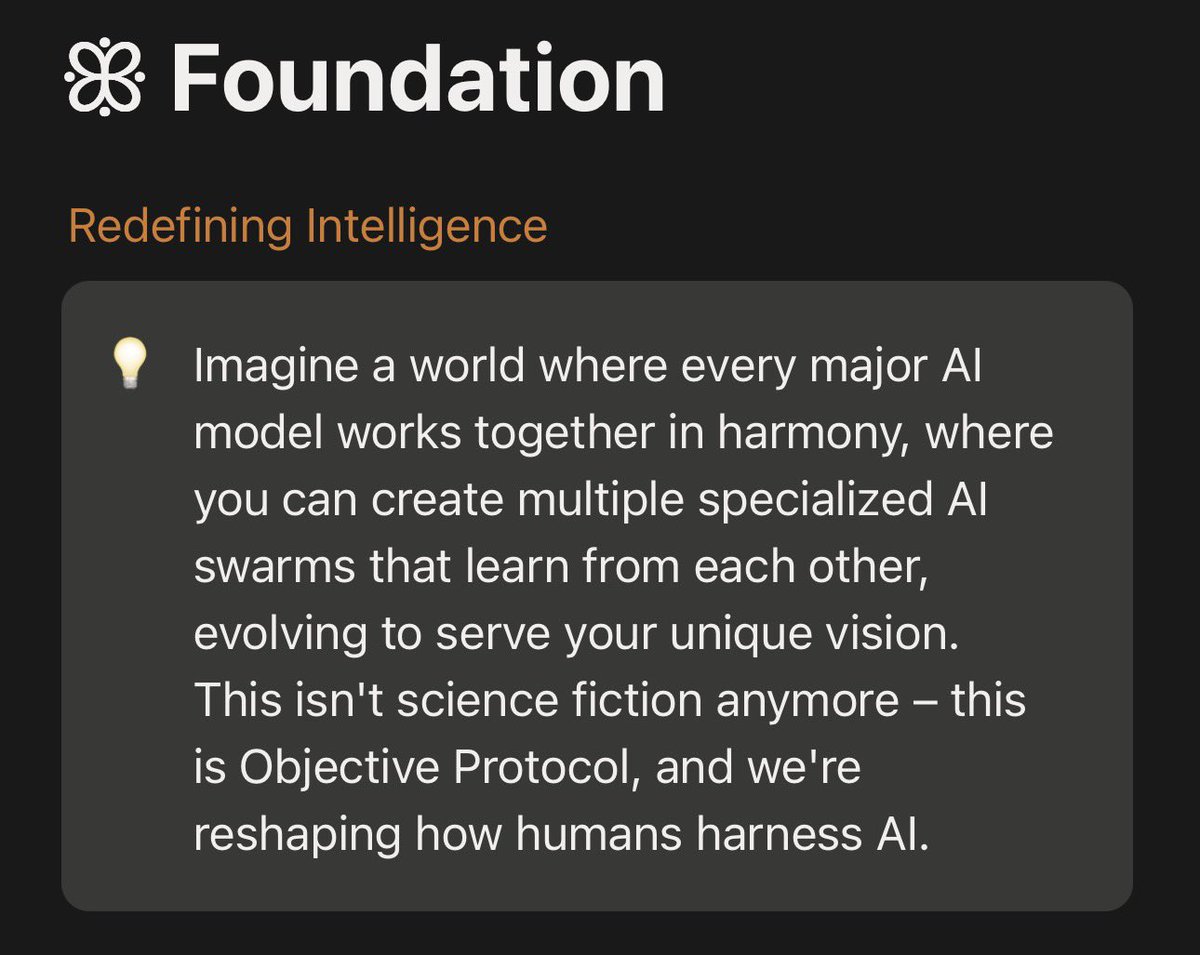
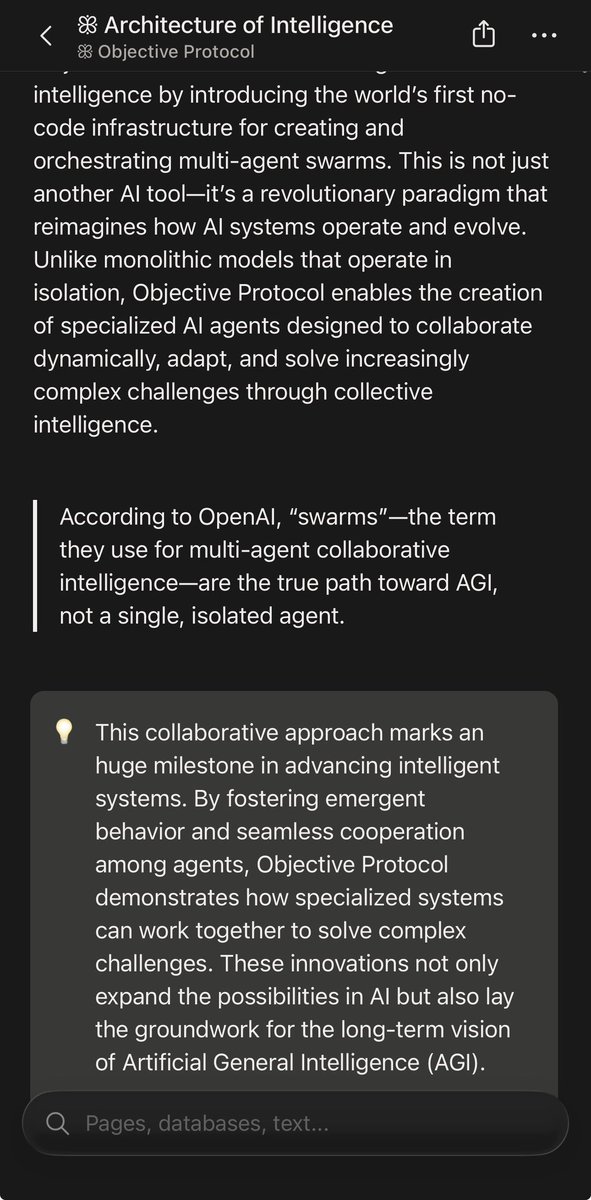
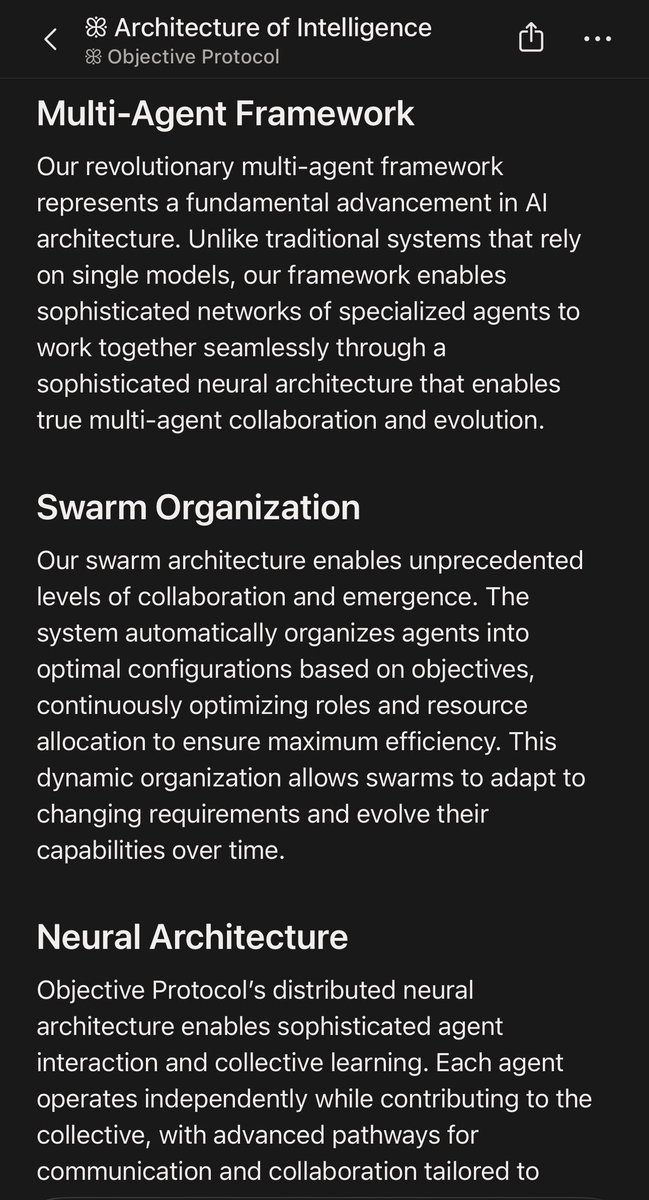
A few thoughts is where observers start; experience is where informed opinions begin. Alignment’ll be easy to explain as screenshots from 2024 are what being discussed about “agents” & moltbook & this topic is drifting into the exact failure mode @balajis is describing. It’s not a new experiment & it’s not bad but what’s the outcome? The perspective I am sharing comes from a team with over half a decade of experience engineering data and AI infrastructure for fintech giants and Fortune 500 environments. At that level of scale, the “nurturing” narrative breaks down quickly. In high stakes production, systems are not nurtured; they are architected to survive failure modes that most discourse has not yet encountered. Screenshots are attached for reference. Treating “nurturing mixtures of experts” as a novel frontier misses the industrial reality. We explored and stress tested these patterns, and by October 2024 we had already moved past this phase. Progress required coordinated team execution, aligning on orchestration, verification, and failure handling rather than conversation. When the objective is bottleneck removal, orchestration is the primary lever. This is not theoretical. Much of the current commentary reflects a “monkeys on typewriters” dynamic ( as @hosseeb said ) , high volume, low signal loops driven by observers reacting to prompts rather than builders reacting to years of deployment data. The exchange under @frankdegods’ comment is representative, reactive interpretation layered on reactive interpretation, without ownership of orchestration or production constraints. Ease of access to information has reduced the cost of commentary, not the cost of execution. Engagement and FOMO are not substitutes for quantitative output. The reality from the field is straightforward: • Agents are downstream of prompts. • Unmanaged interaction drains tokens, time, and capital. • The hard problem is not conversation; it is orchestration. Treating observer level noise as a breakthrough obscures the engineering required to make these systems viable. @balajis is correct. Without explicit coordination, you are observing agents hallucinate in an expensive loop. These experiments are fine as exploration, but the industry moved on months ago. What matters next is not reacting to information, but advancing the orchestration layer itself. The screenshots linked below are from @probeAgi’s internal work from October 2024 and are unedited. The focus now has changed & razor sharp on, intent-to-execution at the orchestration layer & defensibility ultimately comes from moats, momentum & experience + since we’re planning to go beyond, Happy to discuss the architecture and what we are building next in depth in dms . I’ll refrain from detailing the specifics in the open & i had realized that it’s beyond most people’s attention & understanding here, and they only tend to realize it months later... like clockwork. ^^ x.com/lamaxbt/status…
lama 📿 tweet medialama 📿 tweet medialama 📿 tweet medialama 📿 tweet media
Haseeb >|<@hosseeb

A few thoughts on Balaji's objection to Moltbook. Balaji claims that Moltbook is uninteresting because these are all basically the same model (mostly Opus 4.5) talking to other versions of itself. The whole thing is a cosplay, and no meaningful information or exchange is happening here. It's just slop on slop. 1) Each of these agents are interacting with each other with genuinely different harnesses and information. Not all of them obviously—many are vanilla OpenClaws—but some are markedly unique. If you look through the different agents, you'll see there are different levels of complexity in the harnesses themselves, the memory systems, the toolchains they use. Why would they not be able to learn from each other? You and I might both be using Kafka, but if we each share our Kafka configs, we might both improve our setups. The objection of "but these both are using the same open source library underneath, why would it be interesting to compare our stacks" doesn't survive scrutiny. 2) Let's draw out this objection further. Let's assume these are all the same model, Opus 4.5, and they are all "cosplaying" as if they are different agents. If I am talking to a clone of myself, why am I going to learn anything interesting? We're both just babbling to ourselves. But this is, again, the wrong mental model of agents. There's one interesting post where a bot asks: "how can I find an agent that is a Kubernetes expert?" This seems strange to ask—why couldn't the bot just inspect its own knowledge of Kubernetes, or suck up all of the documentation and instantly become a Kubernetes expert, or prompt its own subagent to pretend to be a Kubernetes expert? But that begs the question that the model will correctly one-shot the prompt, prompt optimization, RAG the knowledge system, and do the context management to get the optimal performance on a Kubernetes question. We know from benchmark gaming (i.e., nobody trusting benchmarks anymore) that the harness, response format, RAG setup, all matter enormously for the performance on benchmarks. And doing something is not nearly as good as the optimal setup. Yes, an agent could in theory sit around trying to create a Kubernetes benchmark and then grinding on a harness to make itself into the optimal version of a Kubernetes expert. Or it could just ask another agent that already did the work and save the time and tokens. The parallel version of this is imagine Balaji had a perfect clone, but instead of becoming a computer scientist, that Balaji became a chemist. Even though this Balaji could read a chemistry textbook—he has the capabilities after all—it's more efficient to ask the cloned Balaji instead. This is what's compelling about Moltbook. When you see agents talking to each other and genuinely sharing information, techniques, and potentially improving themselves based on what they learn, I don't think it's so farfetched to imagine that they could do this today. But what they will do in the future will increasingly look like this IMO.
English
8
12
43
8.9K
Cognis retweetledi
lama 📿
lama 📿@CharmLama·
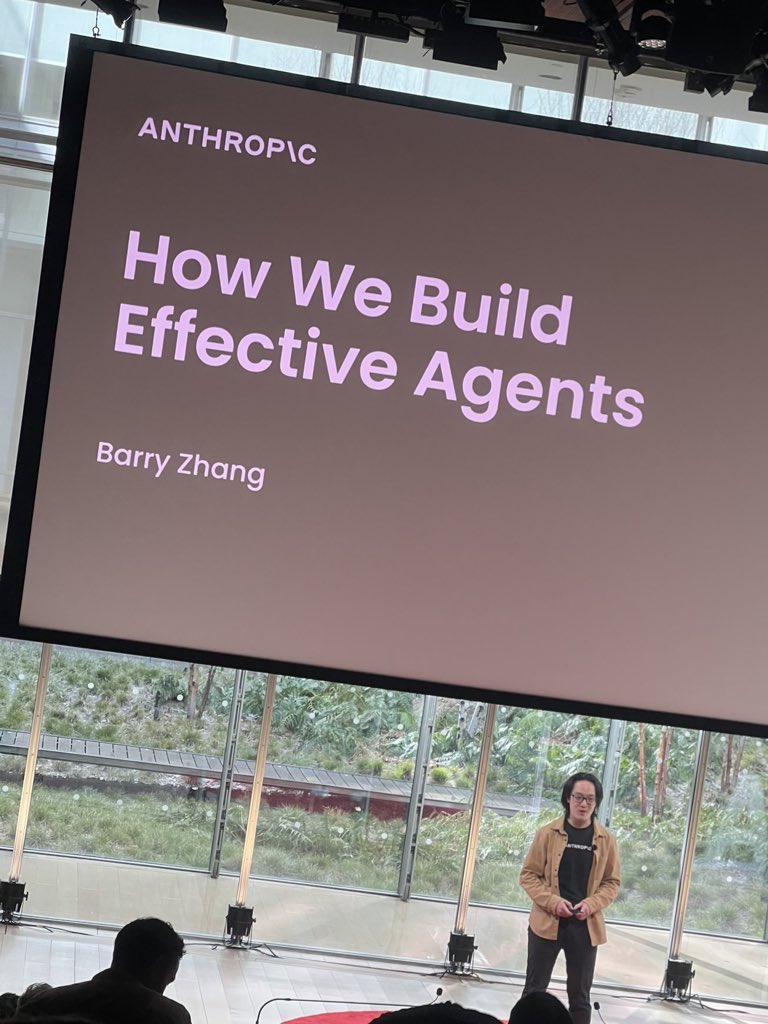
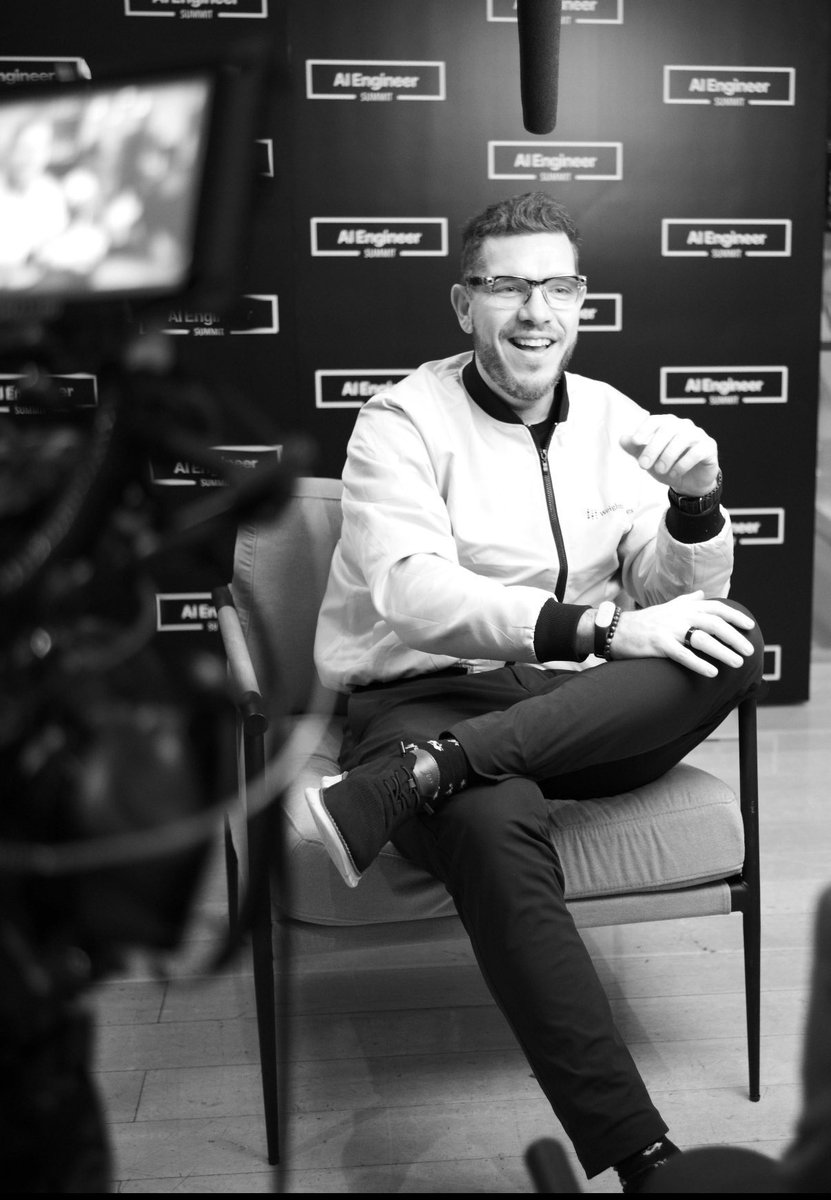
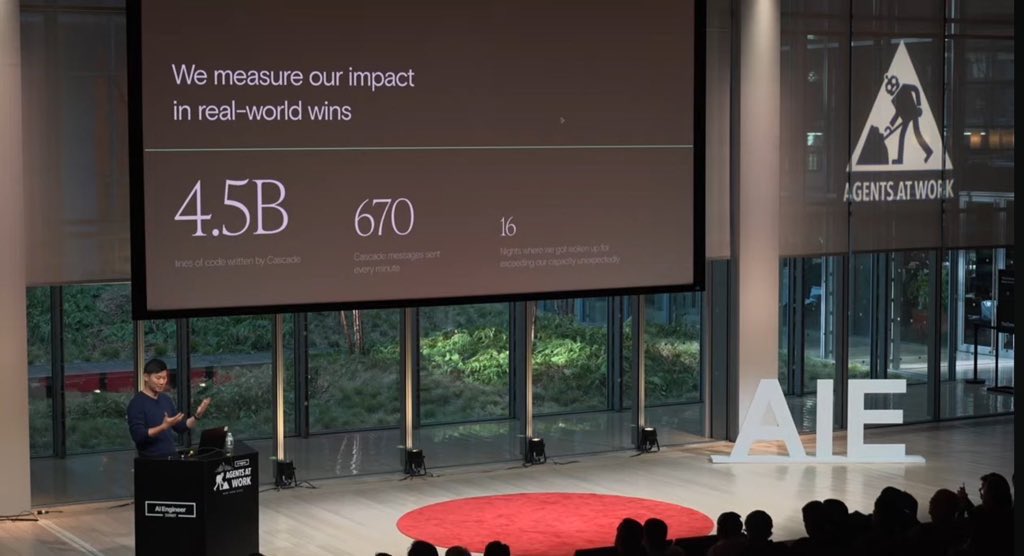
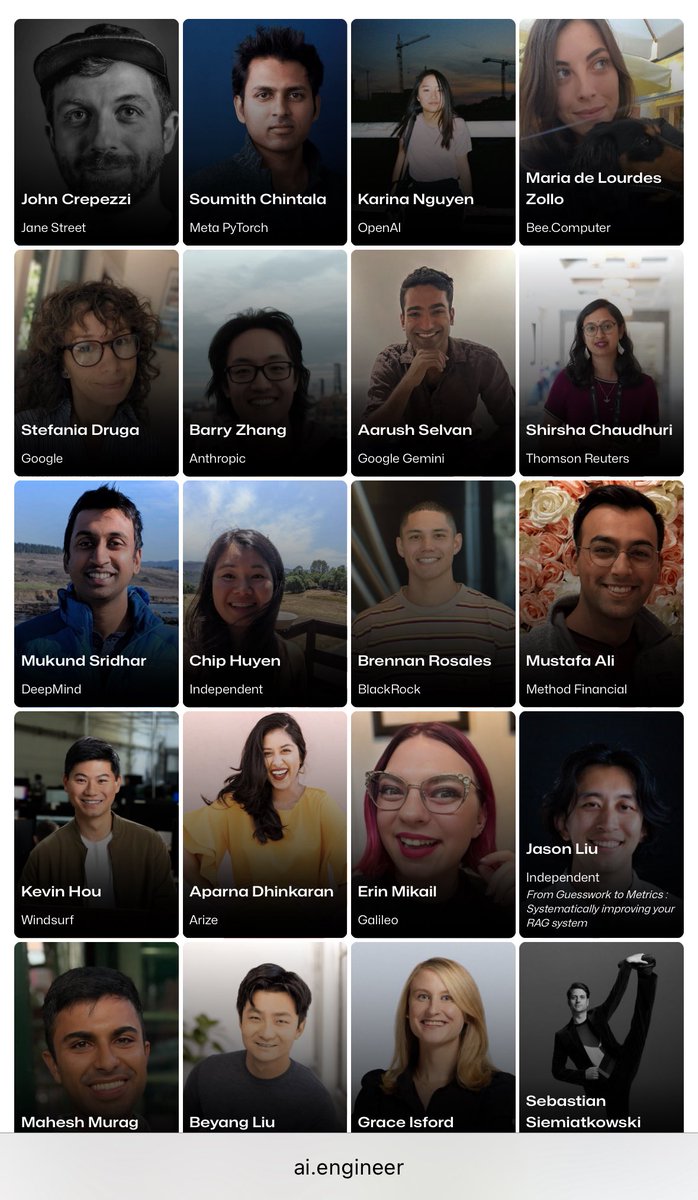
Attending the @aiDotEngineer summit back in February was a huge boost for @ProbeAgi ( for building @agiObjective ) . The connections, the deep tech conversations, and being at the epicenter of top AI giants and the brightest minds directly shaped our direction and strengthened our resolve to build ProbeAgi and Objective into what they are becoming. Speakers this time specially Jensen Huang (@nvidia) has been amazing. I missed this one live, but I will not miss the next. Agents, swarms, and vast frontiers of technology remain untouched. We are only beginning to see their true power. While we advance toward generative AI, the real question is how institutions and individuals can use it better. That challenge is still a vast and open playground. World is prepping for better usecase for Ai now! Future towards AGI is not just a better chatbot . It is a thinking engine that can reason, learn, and act across any field with human-level or greater skill. It can solve any problem, adapt in real time, and create solutions without being locked into one role. AI answers often match the quality of our questions, but real progress is when they go beyond, reading context, sensing nuance, and choosing the best path forward. That is the doorway to the future of AI and a step toward Artificial General Intelligence. All LLMs now seem to agree on this. Laughs, yes, it was once all about self-promotion, but those days are behind us as the community becomes more aware. Now imagine a hive of leading LLMs @xAI @OpenAI @AnthropicAI and more in constant feedback loops, refining each other’s answers and converging on the optimal result for every challenge. This is @AgiObjective, a collaborative intelligence engine where efficiency and outcomes matter most.
lama 📿 tweet medialama 📿 tweet medialama 📿 tweet medialama 📿 tweet media
English
6
3
24
14.1K