Agripowa

419 posts

Agripowa banner
Agripowa

Agripowa

@agripower_on

Agripowa est une organisation de jeunes engagés dans la promotion de la souveraineté alimentaire en utilisant les technologies.

Lome, togo Katılım Mart 2022
90 Takip Edilen69 Takipçiler
Agripowa retweetledi
AFSA
AFSA@Afsafrica·
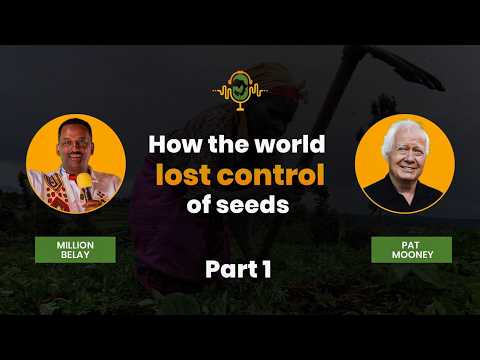
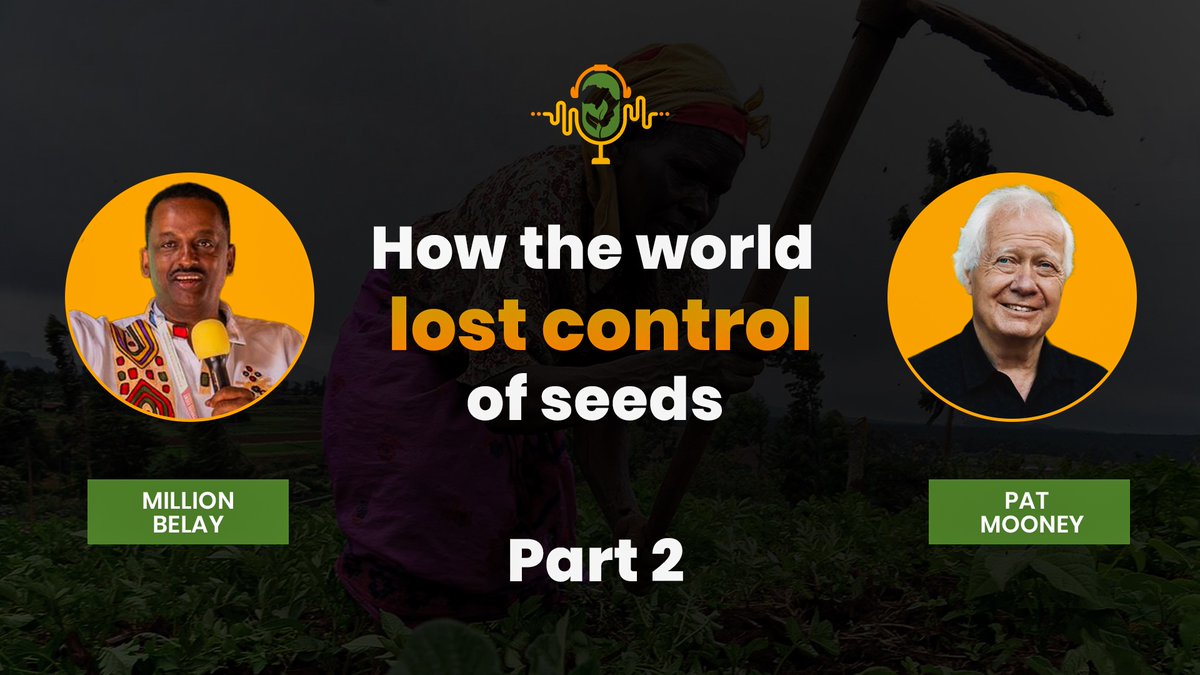
In this episode of The Battle for African Agriculture, the second part of a three part series, Dr. Million Belay speaks with Pat Mooney, member of the IPES-Food, co founder and former director of ETC Group - Action Group on Erosion, Technology and Concentration, IFOAM Ambassador, and chair of the Institute for Agriculture and Trade Policy. Continuing their conversation, Pat reflects on how new technologies are repeatedly introduced as solutions while often creating new forms of dependence. He argues that this is not accidental but part of the economic logic of capitalism, where each new technology is designed not only to replace an older one but also to maintain control over markets and customers. From that perspective, he sees gene editing not as a genuine break from GMOs, but as a logical extension of the same trajectory of manipulating life for commercial control. The discussion then turns to Africa, where Pat Mooney warns that governments are under pressure to loosen biosafety laws and open the door to technologies presented as modern and necessary. He links this pressure to Africa’s land, climatic diversity, rich genetic resources, and rapidly growing population, all of which make the continent attractive to powerful commercial interests. He also addresses synthetic biology and the growing ability of companies to replace crops such as vanilla, cocoa, coffee, and tea with laboratory produced substitutes, shifting value away from farmers in the South toward industrial production in the North. For Pat, the core issue is not simply the novelty of the technologies themselves, but who controls them, who benefits from them, and who gets to decide whether they are safe, useful, or harmful. Pat Mooney also offers a wider critic of digital agriculture and the growing role of big tech companies in farming, warning that firms such as Google, Amazon, and Microsoft approach agriculture not as a living system but as another field of data to capture, process, and monetize. At the same time, he insists that digital tools could still be useful if they remain in the hands of farmers and communities, helping them share knowledge, monitor weather, respond to pests, and strengthen agroecological systems. He contrasts this with what he calls “high tech,” controlled from above, and “wide tech,” rooted in the collective intelligence of farmers working within their own ecosystems. The episode closes with a powerful story of resistance, as he recounts the global campaign against Terminator seeds, where farmers, civil society, and social movements came together to defend the moratorium and stop a technology that would have forced farmers to buy seed every season. Listen to the full conversation: YouTube: youtube.com/watch?v=MnKyz4… Spotify: open.spotify.com/episode/4RYzbu… Apple Podcast: podcasts.apple.com/us/podcast/bat…
YouTube video
YouTube
AFSA tweet media
English
0
8
8
442
Agripowa
Agripowa@agripower_on·
WEBINAIRE de lancement : 𝐌𝐲 𝐅𝐨𝐨𝐝 𝐢𝐬 𝐀𝐟𝐫𝐢𝐜𝐚𝐧 : 𝐕𝐨𝐥𝐮𝐦𝐞 𝟐. Au programme du webinaire : 📅 Mardi 26 mai 2026 | ⏱ 90 minutes 🕐 16 h EAT | 15 h CAT/SAST | 14 h WAT | 13 h GMT 🔗 Inscription : afsafrica-org.zoom.us/meeting/regist…
Agripowa tweet media
Français
0
0
0
36
Agripowa retweetledi
AFSA
AFSA@Afsafrica·
𝐘𝐨𝐮'𝐫𝐞 𝐈𝐧𝐯𝐢𝐭𝐞𝐝 — 𝐁𝐨𝐨𝐤 𝐋𝐚𝐮𝐧𝐜𝐡 𝐖𝐞𝐛𝐢𝐧𝐚𝐫: 𝐌𝐲 𝐅𝐨𝐨𝐝 𝐢𝐬 𝐀𝐟𝐫𝐢𝐜𝐚𝐧: 𝐕𝐨𝐥𝐮𝐦𝐞 𝟐 We invite you to the virtual launch of My Food is African: Volume 2 — How Citizens Are Reclaiming African Food Systems, a new Barefoot Guide published by the Alliance for Food Sovereignty in Africa (AFSA). About the book: Food is never just food. It carries memory, power, culture, and politics. This guide — written collectively by farmers, journalists, activists, market traders, chefs, and researchers from across 50 African countries — documents a growing continental movement asking hard questions: Why are ultra-processed foods flooding our communities while real food becomes harder to find? Why are our seed systems criminalised, our markets marginalised, and our diets medicalised, while corporations shape food policy with ease? Across seven chapters, the book maps real stories of citizens reclaiming their food systems — from community markets and school gardens to national parliaments and global policy forums — and offers practical tools for organising, advocacy, and movement-building. At the webinar, expect: -Stories and reflections directly from the book's contributors -Discussion on agroecology, ultra-processed foods, territorial markets, and policy advocacy -Dialogue on what it means to move from food consumer to food citizen English and French interpretation available Event details: 📅 Tuesday, 26 May 2026 | ⏱ 90 minutes 🕐 4:00 PM EAT | 3:00 PM CAT/SAST | 2:00 PM WAT | 1:00 PM GMT 🔗 Register: afsafrica-org.zoom.us/meeting/regist… This launch is for citizens, journalists, youth, chefs, educators, researchers, farmers' organisations, policymakers, and everyone committed to African food sovereignty. "Food sovereignty is about agency — about who decides, about whose knowledge counts, about whose future is being built." We look forward to seeing you there.
AFSA tweet mediaAFSA tweet media
English
0
6
7
357
Agripowa retweetledi
AFSA
AFSA@Afsafrica·
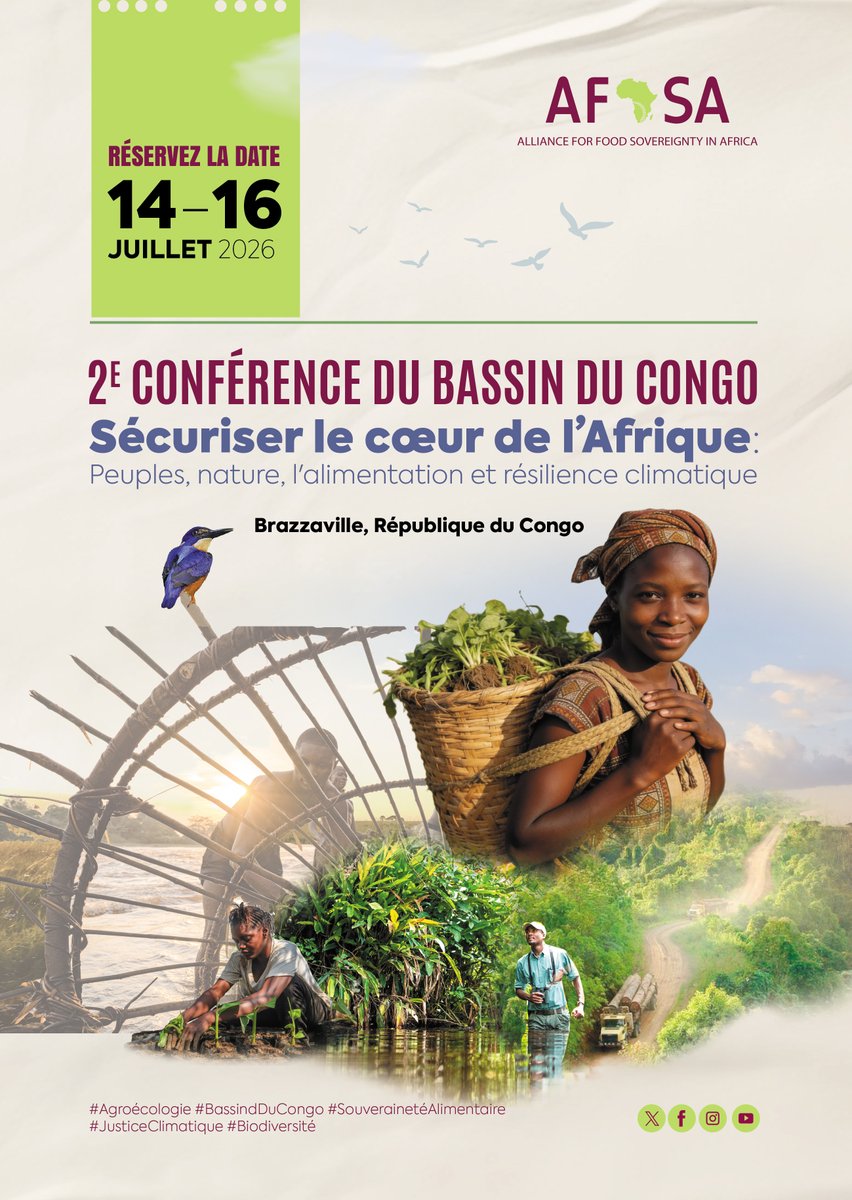
𝐒𝐀𝐕𝐄 𝐓𝐇𝐄 𝐃𝐀𝐓𝐄 | 𝟐𝐧𝐝 𝐂𝐨𝐧𝐠𝐨 𝐁𝐚𝐬𝐢𝐧 𝐂𝐨𝐧𝐯𝐞𝐧𝐢𝐧𝐠 — 𝐉𝐮𝐥𝐲 14-16, 𝟐𝟎𝟐𝟔 | 𝐁𝐫𝐚𝐳𝐳𝐚𝐯𝐢𝐥𝐥𝐞, 𝐑𝐞𝐩𝐮𝐛𝐥𝐢𝐜 𝐨𝐟 𝐂𝐨𝐧𝐠𝐨 AFSA is proud to announce the 2nd Congo Basin Convening: Securing the Heart of Africa — People, Nature, Food and Climate Resilience. Building on the landmark 2023 Kinshasa Summit, this convening will bring together civil society, farmer organisations, Indigenous Peoples and local communities, governments, researchers, and partners from across the six Congo Basin countries and beyond to advance agroecology, food sovereignty, biodiversity conservation, and climate justice in one of the world's most vital ecosystems. Mark your calendars and spread the word! This is a defining moment to review progress since Kinshasa, strengthen regional coordination, and adopt a concrete Brazzaville 2026 Declaration and action roadmap. Together, we are securing the heart of Africa. 🌍 #CongoBasin #FoodSovereignty #Agroecology #ClimateJustice #Biodiversity 🌿 𝐑𝐄́𝐒𝐄𝐑𝐕𝐄𝐙 𝐋𝐀 𝐃𝐀𝐓𝐄 | 𝟐𝐞 𝐂𝐨𝐧𝐟𝐞́𝐫𝐞𝐧𝐜𝐞 𝐝𝐮 𝐁𝐚𝐬𝐬𝐢𝐧 𝐝𝐮 𝐂𝐨𝐧𝐠𝐨 - 14-16, 𝐣𝐮𝐢𝐥𝐥𝐞𝐭 𝟐𝟎𝟐𝟔 | 𝐁𝐫𝐚𝐳𝐳𝐚𝐯𝐢𝐥𝐥𝐞, 𝐑𝐞́𝐩𝐮𝐛𝐥𝐢𝐪𝐮𝐞 𝐝𝐮 𝐂𝐨𝐧𝐠𝐨 L'AFSA est fière d'annoncer la 2e Conférence du Bassin du Congo : Sécuriser le cœur de l'Afrique — Peuples, nature, l'alimentation et résilience climatique. S'appuyant sur le Sommet historique de Kinshasa en 2023, cette conférence réunira la société civile, les organisations paysannes, les peuples autochtones et les communautés locales, les gouvernements, les chercheurs et les partenaires des six pays du Bassin du Congo pour faire avancer l'agroécologie, la souveraineté alimentaire, la conservation de la biodiversité et la justice climatique dans l'un des écosystèmes les plus vitaux au monde. Marquez vos agendas et faites passer le mot ! C'est un moment décisif pour évaluer les progrès réalisés depuis Kinshasa, renforcer la coordination régionale et adopter une Déclaration de Brazzaville 2026 et une feuille de route concrète. Ensemble, nous sécurisons le cœur de l'Afrique. 🌍 #BassindDuCongo #SouverainetéAlimentaire #Agroécologie #JusticeClimatique #Biodiversité
AFSA tweet mediaAFSA tweet media
English
0
7
4
183
Agripowa retweetledi
AFSA
AFSA@Afsafrica·
𝐓𝐡𝐞 𝐁𝐚𝐭𝐭𝐥𝐞 𝐟𝐨𝐫 𝐀𝐟𝐫𝐢𝐜𝐚𝐧 𝐀𝐠𝐫𝐢𝐜𝐮𝐥𝐭𝐮𝐫𝐞 𝐏𝐨𝐝𝐜𝐚𝐬𝐭 || 𝐄𝐩𝐢𝐬𝐨𝐝𝐞 𝟐𝟔 - 𝐖𝐢𝐭𝐡 𝐏𝐚𝐭 𝐌𝐨𝐨𝐧𝐞𝐲 In this episode of The Battle for African Agriculture, the first part of a three part series, Dr. Million Belay speaks with Pat Mooney, a member of the @IPESfood, co founder and former director of @ETC_Group, IFOAM Ambassador, and chair of the Institute for Agriculture and Trade Policy. He is a recipient of the Right Livelihood Award, often known as the Alternative Nobel Prize, the Pearson Peace Prize from Canada’s Governor General, and the American Giraffe Award for “sticking his neck out,” and has also received honorary doctoral degrees from the University of Waterloo in Canada and the 17 Advanced Research Institutes in Mexico. Widely regarded as one of the most influential voices in global civil society struggles for seed sovereignty, biodiversity, and food justice, Pat reflects on a journey that began in the 1960s, when early exposure to global hunger debates and international food politics pushed him beyond a simple belief in development assistance and toward a deeper understanding of power, inequality, and control in food systems. The conversation traces Pat Mooney’s central role in exposing the rise of corporate control over seeds and agricultural research. He explains how, from the 1970s onward, large oil, chemical, and pharmaceutical companies began buying seed companies and pushing intellectual property regimes that would give them monopoly power over agriculture. He discusses the founding of RAFI, later ETC Group, and the long political battles around plant breeders’ rights, farmers’ rights, biopiracy, and the creation of international mechanisms on plant genetic resources. Throughout the discussion, Pat emphasizes that the consolidation of power in agriculture has never been simply about feeding the world, but about control over markets, technologies, and regulatory systems. He argues that patents and other monopoly tools have narrowed diversity, strengthened corporate influence over public research and policy, and enabled a handful of firms to dominate global agriculture. Looking ahead, he warns that the same historical logic is now unfolding through data and digital technologies, with new corporate actors seeking to control agriculture through platforms, artificial intelligence, and information systems. For him, understanding that history is essential, because the future of resistance depends on recognizing how these systems evolved, why they succeeded, and how they continue to reshape the food system today. Listen to the full conversation YouTube youtube.com/watch?v=BgjvSE… Spotify open.spotify.com/episode/6khhMH… Apple Podcast podcasts.apple.com/us/podcast/how…
YouTube video
YouTube
AFSA tweet media
English
0
9
12
526
Agripowa
Agripowa@agripower_on·
🌱 *𝐀𝐮𝐣𝐨𝐮𝐫𝐝'𝐡𝐮𝐢, 𝐜'𝐞𝐬𝐭 𝐥𝐚 𝐉𝐨𝐮𝐫𝐧𝐞́𝐞 𝐢𝐧𝐭𝐞𝐫𝐧𝐚𝐭𝐢𝐨𝐧𝐚𝐥𝐞 𝐝𝐞𝐬 𝐬𝐞𝐦𝐞𝐧𝐜𝐞𝐬. Consultez ces 10 Raisons pour lesquelles Ma Semence Ma Vie* : mailchi.mp/afsafrica.org/…
Agripowa tweet media
Français
1
0
1
11
Agripowa retweetledi
AFSA
AFSA@Afsafrica·
🌱 T𝐨d𝐚y i𝐬 𝐈n𝐭e𝐫n𝐚t𝐢o𝐧a𝐥 𝐒e𝐞d D𝐚y. For millennia, Africa's farmers — especially women — have saved, exchanged, and nurtured seeds with extraordinary wisdom and care. These are not just agricultural inputs. They are living memory. Cultural identity. Spiritual heritage. Climate resilience. Sovereignty. This is the heart of our 2026 #SeedIsLife Campaign and its message is clear: Our seeds are not commodities. They are life. Yet across Africa, corporate seed laws, UPOV-aligned legislation, and GMO expansion are systematically threatening the very seeds that feed 80% of our continent. We are raising our voice. We are defending our heritage. We are claiming our rights. 👉 Read the full campaign — 10 Reasons Why Seed Is Life: mailchi.mp/afsafrica.org/… #SeedIsLife #FMSS #SeedSovereignty #FoodSovereignty #NoToUPOV #OurSeedsOurFuture #AFSA #InternationalSeedDay 🌱 𝐀𝐮𝐣𝐨𝐮𝐫𝐝'𝐡𝐮𝐢, 𝐜'𝐞𝐬𝐭 𝐥𝐚 𝐉𝐨𝐮𝐫𝐧𝐞́𝐞 𝐢𝐧𝐭𝐞𝐫𝐧𝐚𝐭𝐢𝐨𝐧𝐚𝐥𝐞 𝐝𝐞𝐬 𝐬𝐞𝐦𝐞𝐧𝐜𝐞𝐬. Depuis des millénaires, les paysan·nes d'Afrique — en particulier les femmes — ont sauvegardé, échangé et entretenu les semences avec une sagesse et un soin extraordinaires. Ce ne sont pas de simples intrants agricoles. Ce sont mémoire vivante. Identité culturelle. Patrimoine spirituel. Résilience climatique. Souveraineté. C'est le cœur de notre campagne Ma Semence Ma Vie 2026 et son message est clair : Nos semences ne sont pas des marchandises. Elles sont la vie. Pourtant, à travers l'Afrique, les lois semencières des entreprises, les législations alignées sur l'UPOV et l'expansion des OGM menacent systématiquement les semences qui nourrissent 80 % de notre continent. Nous élevons notre voix. Nous défendons notre héritage. Nous revendiquons nos droits. 👉 Lisez la campagne complète — 10 Raisons pour lesquelles Ma Semence Ma Vie : mailchi.mp/afsafrica.org/… #MaSemenceMaVie #SSP #SouverainetéSemencière #SouverainetéAlimentaire #NonÀlUPOV #NosSemencesNotreAvenir #AFSA #JournéeInternationaleDesSemences
AFSA tweet media
English
3
9
11
432
Agripowa
Agripowa@agripower_on·
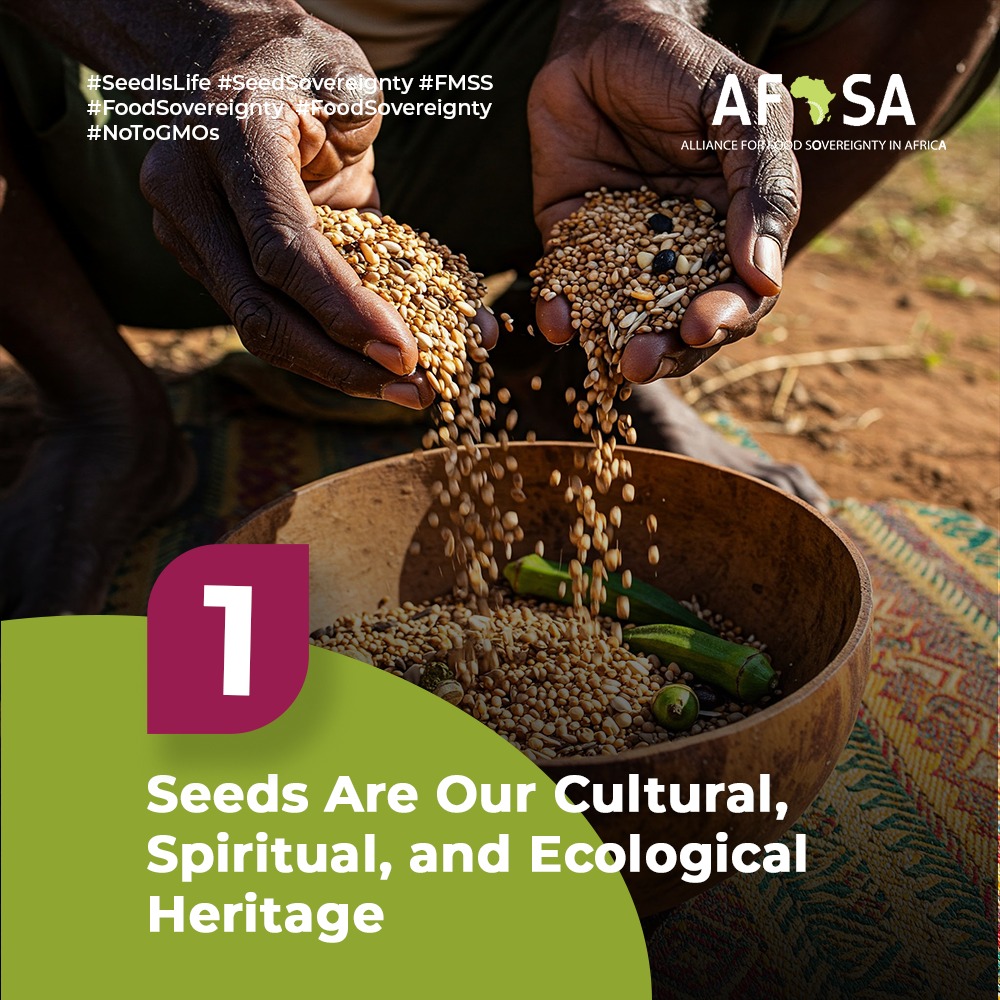
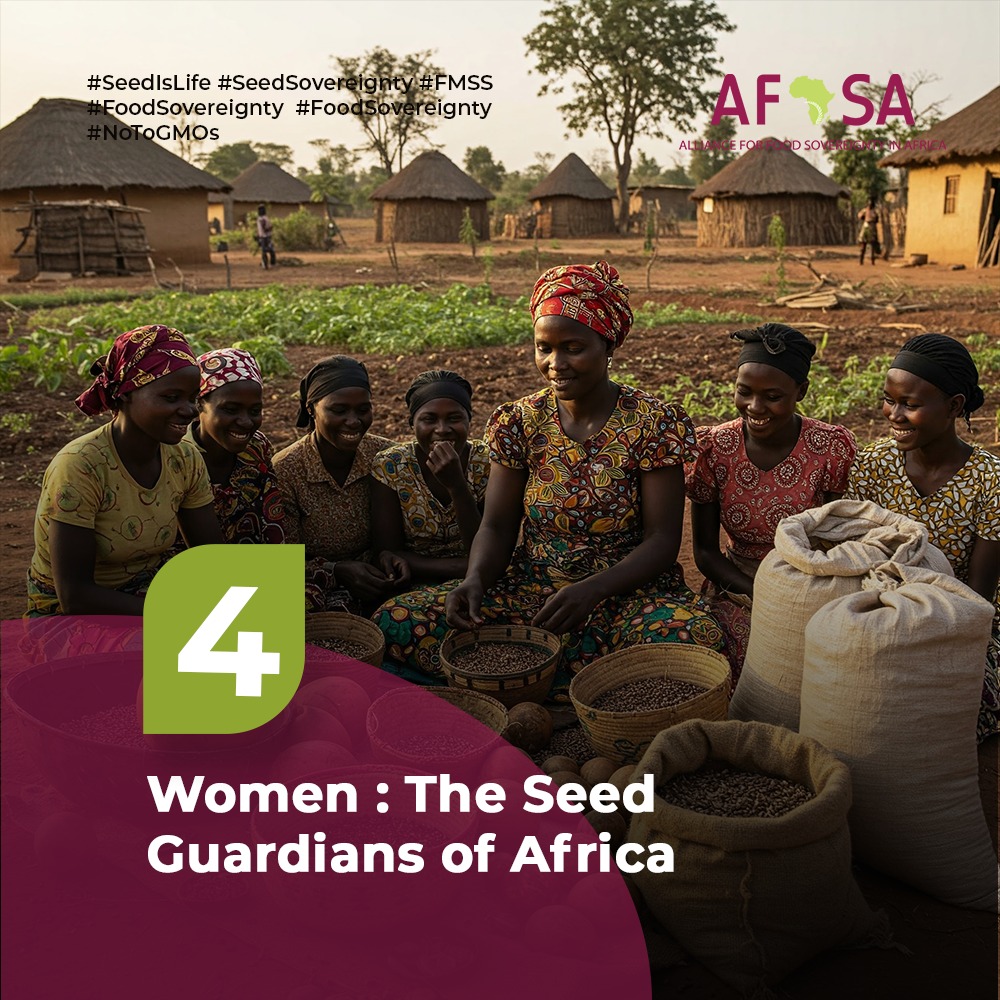
Seed Is Life: Celebrating Our Heritage Honouring the cultural, ecological, and spiritual significance of farmer-managed seeds and the women who have safeguarded them across generations. #SeedIsLife
Agripowa tweet media
English
1
1
0
30
Agripowa retweetledi
AFSA
AFSA@Afsafrica·
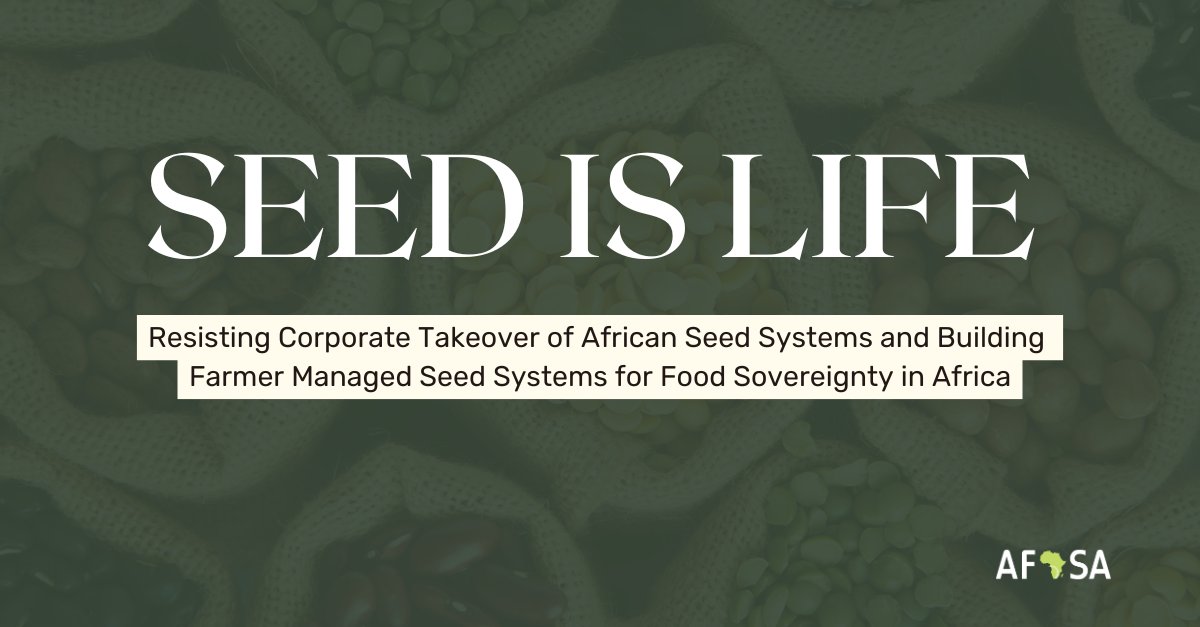
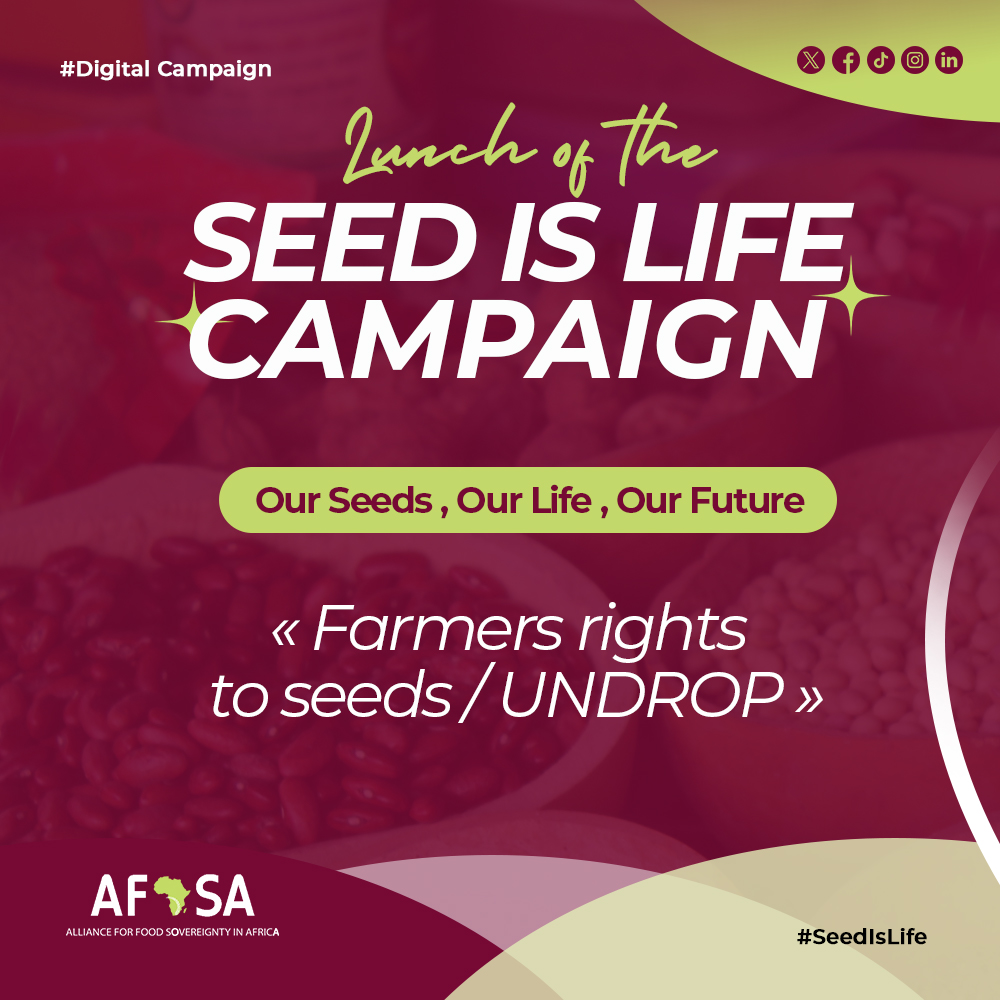
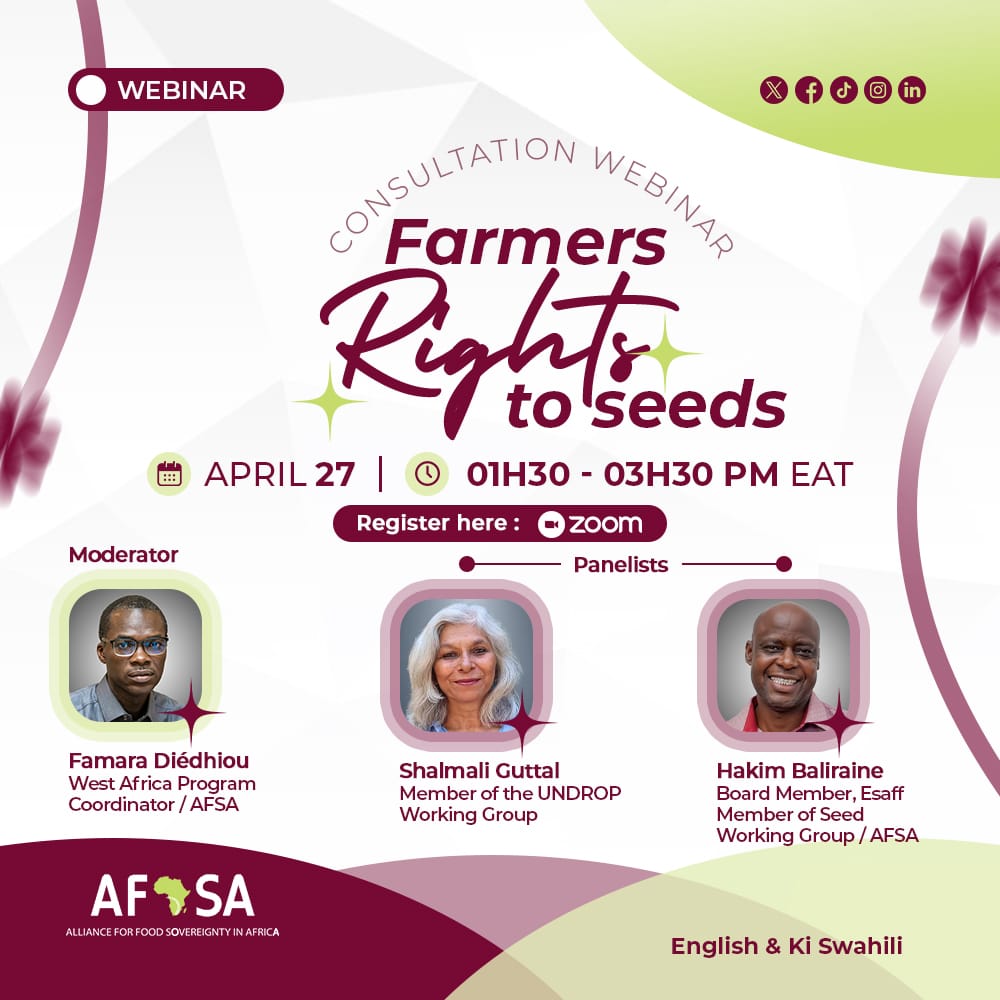
🌱 SEED IS LIFE 2026 IS HERE. Today, AFSA officially launches the 2026 Seed Is Life Campaign — our continent-wide call to protect Farmer-Managed Seed Systems and defend farmers' rights to seed. 80% of Africa's food comes from farmers' seeds. Seeds that have been saved, exchanged, and nurtured across generations. Seeds that feed families, sustain cultures, and anchor food sovereignty. Yet today, these seeds — and the farmers who grow them — are under threat. Corporate seed laws. UPOV-aligned legislation. GMO expansion. All designed to take control of our seeds out of our hands. Not on our watch. 🌿 From April 25–27, join us as we celebrate, claim, and defend our seed sovereignty — on International Seed Day and beyond. This year, AFSA's Seed and Agroecology Working Group — with UNDROP — hosted a landmark trilingual consultation on Farmers' Rights to Seed, bringing together farmers, advocates, and policymakers in English, French, Portuguese and Kiswahili. Because our seeds are not just crops. They are identity. Culture. Sovereignty. Life. 👉 Read the full campaign brief & join the movement: mailchi.mp/afsafrica.org/… mailchi.mp/afsafrica.org/… 🔁 Share this. Tag your networks. Amplify the message. #SeedIsLife #FMSS #SeedSovereignty #FoodSovereignty #OurSeedsOurRights #NoToUPOV #NoToGMOs #AfricanSeeds #Agroecology #AFSA
AFSA tweet mediaAFSA tweet media
English
2
9
14
499
Agripowa retweetledi
AFSA
AFSA@Afsafrica·
🌍 AFSA's New Website is Live — and We Built it For You. After months of dedicated work, the Alliance for Food Sovereignty in Africa is proud to announce the launch of our completely reimagined digital home at afsafrica.org Our new website is more than a refresh — it is a dynamic platform for the largest Civil Society Movement in Africa. Explore our four Pan-African campaigns, discover our Theory of Change, dive into a fully searchable Knowledge Library with hundreds of resources, and meet the 48 member alliances across 50 African countries that make this movement possible. We built this space for our members, partners, donors, journalists, researchers, and everyone who believes Africa has the right to define its own food future. Come explore — and share it with your networks. Read more mailchi.mp/afsafrica.org/… mailchi.mp/afsafrica.org/… 👉 afsafrica.org #AFSA #FoodSovereignty #Agroecology #Africa #FoodSystems
AFSA tweet media
English
0
5
10
505
Agripowa
Agripowa@agripower_on·
🚨Pour les francophones & Arabes Date et heure : 25 avril 2026 à 10 h 30 GMT (10 h 30 au Sénégal/Ghana, 11 h 30 en Tunisie... Un service d'interprétation sera assuré en français et en arabe* Inscription : afsafrica-org.zoom.us/meeting/regist…
Agripowa tweet media
Français
0
0
1
38
Agripowa
Agripowa@agripower_on·
When : Apr 27, 2026 10:30 GMT (10.30am Ghana, 11.30am Nigeria, 12.30pm Southern Africa, 1.30pm East Africa) Interpretation will be provided in English and Kiswahili* Register in advance for this meeting: afsafrica-org.zoom.us/meeting/regist… @Afsafrica
Agripowa tweet media
English
0
2
4
145
Agripowa
Agripowa@agripower_on·
Register here : You are warmly invited to join one of AFSA’s official virtual consultations on peasants’ right to seeds under UNDROP. Interpretation will be provided in English and Portuguese. Register in advance for this meeting: afsafrica-org.zoom.us/meeting/regist… @Afsafrica
Agripowa tweet media
English
0
0
1
8
Agripowa retweetledi
AFSA
AFSA@Afsafrica·
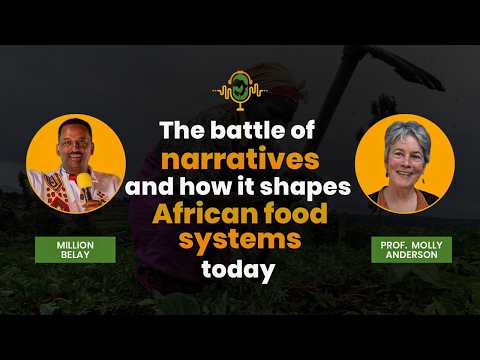
𝐓𝐡𝐞 𝐁𝐚𝐭𝐭𝐥𝐞 𝐟𝐨𝐫 𝐀𝐟𝐫𝐢𝐜𝐚𝐧 𝐀𝐠𝐫𝐢𝐜𝐮𝐥𝐭𝐮𝐫𝐞 𝐏𝐨𝐝𝐜𝐚𝐬𝐭 || 𝐄𝐩𝐢𝐬𝐨𝐝𝐞 𝟐𝟓 - 𝐖𝐢𝐭𝐡 𝐌𝐨𝐥𝐥𝐲 𝐀𝐧𝐝𝐞𝐫𝐬𝐨𝐧 In this episode of The Battle for African Agriculture Podcast, Dr. Million Belay speaks with Molly D. Anderson, professor emerita of food studies at Middlebury College and a member of IPES-Food, about the deeper power relations that shape global food systems. Drawing from her own journey into food justice, Molly reflects on how early experiences with racism in the United States, combined with her academic work in natural resource management and systems analysis, led her to see food not simply as a technical issue but as a matter of justice. She explains that while many environmental and food system problems already have technical solutions, what is missing is the political will to implement them, especially when those most affected have too little voice in the decisions being made. The conversation then turns to her book Transforming Food Systems: Narratives of Power, where she examines how dominant stories shape policy and whose narratives get heard in international food debates. Molly argues that some of the most influential narratives, especially those centered on technological innovation and productivity, remain powerful even when the evidence behind them is weak. She criticizes the continued arrogance of powerful countries and institutions that claim to know what is best for others while ignoring the knowledge, priorities, and lived realities of civil society, Indigenous peoples, and marginalized communities. For her, the real battle in food systems is between narratives that reproduce control, extraction, and commodification, and those that center justice, agency, and food sovereignty. Molly also reflects on the roles of philanthropy, debt, global governance, and corporate influence in shaping food policy, warning that many so called solutions continue older colonial patterns under new language such as modernization, green transition, and innovation. She makes the case that agroecology is fundamentally political because it demands a shift in power toward those who actually hold knowledge and sustain food systems on the ground. Throughout the discussion, she returns to a clear conviction: civil society remains the strongest lever for change. In her view, real transformation will not come from the powerful voluntarily surrendering privilege, but from organized movements insisting on justice, reclaiming food as a commons, and building food systems rooted in dignity, territory, and democratic control. Listen to the full conversation on YouTube, Apple Podcasts, Spotify and across all our social media platforms. Subscribe. Share. Engage. YouTube youtube.com/watch?v=HE6qZB… Spotify open.spotify.com/episode/3K8Zoz… Apple Podcasts podcasts.apple.com/us/podcast/the…
YouTube video
YouTube
AFSA tweet media
English
0
3
7
269
Agripowa retweetledi
Andrew Adem 🇺🇬
Andrew Adem 🇺🇬@AdemAndrew·
Mark the Calendar 📅 ##SeedSovereignty 👇
AFSA@Afsafrica

𝐒𝐀𝐕𝐄 𝐓𝐇𝐄 𝐃𝐀𝐓𝐄 | 𝟐–𝟒 𝐉𝐮𝐧𝐞 𝟐𝟎𝟐𝟔 | 𝐍'𝐃𝐣𝐚𝐦𝐞𝐧𝐚, 𝐂𝐡𝐚𝐝 Africa's seed sovereignty movement is going further. The 4th Pan-African Seed Governance Conference is coming to N'Djamena, Chad, building on three landmark gatherings in Dakar, Dar es Salaam, and Niamey. This year marks a historic expansion — from seed sovereignty to genetic sovereignty — bringing together farmers, pastoralists, civil society, researchers, and policymakers to defend Africa's biodiversity, assert data rights, and protect farmer-managed seed systems ahead of the African Union's continental seed policy framework launch. Join us as we stand together to protect Africa's seed diversity and the Farmer Managed Seed Systems that feed our continent. We will confront the pressures threatening to displace locally adapted seeds — from digital platforms capturing agricultural data, to external funding steering policy away from agroecology, to trade frameworks that privilege commercial varieties over the diverse, resilient seeds in farmers' hands. Together, we will shape how Africa's seed heritage is governed, ensuring that farmers remain at the centre of our food systems. Organized by AFSA, PEPAF-Tchad, and SWISSAID Chad. #SeedIsLife #SeedSovereignty #FoodSovereignty 🌱 𝐑𝐄́𝐒𝐄𝐑𝐕𝐄𝐙 𝐋𝐀 𝐃𝐀𝐓𝐄 | 𝟐–𝟒 𝐉𝐮𝐢𝐧 𝟐𝟎𝟐𝟔 | 𝐍'𝐃𝐣𝐚𝐦𝐞𝐧𝐚, 𝐓𝐜𝐡𝐚𝐝 Le mouvement pour la souveraineté semencière en Afrique franchit une nouvelle étape. La 4ème Conférence Pan-Africaine sur la Gouvernance Semencière se tiendra à N'Djamena, au Tchad, en s'appuyant sur trois rencontres historiques à Dakar, Dar es Salaam et Niamey. Cette édition marque une expansion décisive — de la souveraineté semencière à la souveraineté génétique — en réunissant agriculteurs, pasteurs, société civile, chercheurs et décideurs politiques pour défendre la biodiversité africaine, affirmer les droits sur les données et protéger les systèmes semenciers gérés par les paysans, à la veille du lancement du cadre politique continental de l'Union Africaine sur les semences. Rejoignons-nous pour protéger la diversité semencière de l'Afrique et les Systèmes Semenciers Paysans qui nourrissent notre continent. Nous ferons face aux pressions qui menacent de marginaliser les semences localement adaptées — des plateformes numériques qui captent les données agricoles, aux financements extérieurs qui détournent les politiques de l'agroécologie, en passant par les cadres commerciaux qui privilégient les variétés commerciales au détriment des semences diverses et résilientes entre les mains des paysans. Ensemble, nous façonnerons la gouvernance du patrimoine semencier de l'Afrique, en veillant à ce que les agriculteurs restent au cœur de nos systèmes alimentaires. Organisée par l'AFSA, PEPAF-Tchad et SWISSAID Tchad. #MaSemenceMaVie #SouverainetéSemencière #SouverainetéAlimentaire

English
0
1
1
9
Agripowa retweetledi
AFSA
AFSA@Afsafrica·
𝐒𝐀𝐕𝐄 𝐓𝐇𝐄 𝐃𝐀𝐓𝐄 | 𝟐–𝟒 𝐉𝐮𝐧𝐞 𝟐𝟎𝟐𝟔 | 𝐍'𝐃𝐣𝐚𝐦𝐞𝐧𝐚, 𝐂𝐡𝐚𝐝 Africa's seed sovereignty movement is going further. The 4th Pan-African Seed Governance Conference is coming to N'Djamena, Chad, building on three landmark gatherings in Dakar, Dar es Salaam, and Niamey. This year marks a historic expansion — from seed sovereignty to genetic sovereignty — bringing together farmers, pastoralists, civil society, researchers, and policymakers to defend Africa's biodiversity, assert data rights, and protect farmer-managed seed systems ahead of the African Union's continental seed policy framework launch. Join us as we stand together to protect Africa's seed diversity and the Farmer Managed Seed Systems that feed our continent. We will confront the pressures threatening to displace locally adapted seeds — from digital platforms capturing agricultural data, to external funding steering policy away from agroecology, to trade frameworks that privilege commercial varieties over the diverse, resilient seeds in farmers' hands. Together, we will shape how Africa's seed heritage is governed, ensuring that farmers remain at the centre of our food systems. Organized by AFSA, PEPAF-Tchad, and SWISSAID Chad. #SeedIsLife #SeedSovereignty #FoodSovereignty 🌱 𝐑𝐄́𝐒𝐄𝐑𝐕𝐄𝐙 𝐋𝐀 𝐃𝐀𝐓𝐄 | 𝟐–𝟒 𝐉𝐮𝐢𝐧 𝟐𝟎𝟐𝟔 | 𝐍'𝐃𝐣𝐚𝐦𝐞𝐧𝐚, 𝐓𝐜𝐡𝐚𝐝 Le mouvement pour la souveraineté semencière en Afrique franchit une nouvelle étape. La 4ème Conférence Pan-Africaine sur la Gouvernance Semencière se tiendra à N'Djamena, au Tchad, en s'appuyant sur trois rencontres historiques à Dakar, Dar es Salaam et Niamey. Cette édition marque une expansion décisive — de la souveraineté semencière à la souveraineté génétique — en réunissant agriculteurs, pasteurs, société civile, chercheurs et décideurs politiques pour défendre la biodiversité africaine, affirmer les droits sur les données et protéger les systèmes semenciers gérés par les paysans, à la veille du lancement du cadre politique continental de l'Union Africaine sur les semences. Rejoignons-nous pour protéger la diversité semencière de l'Afrique et les Systèmes Semenciers Paysans qui nourrissent notre continent. Nous ferons face aux pressions qui menacent de marginaliser les semences localement adaptées — des plateformes numériques qui captent les données agricoles, aux financements extérieurs qui détournent les politiques de l'agroécologie, en passant par les cadres commerciaux qui privilégient les variétés commerciales au détriment des semences diverses et résilientes entre les mains des paysans. Ensemble, nous façonnerons la gouvernance du patrimoine semencier de l'Afrique, en veillant à ce que les agriculteurs restent au cœur de nos systèmes alimentaires. Organisée par l'AFSA, PEPAF-Tchad et SWISSAID Tchad. #MaSemenceMaVie #SouverainetéSemencière #SouverainetéAlimentaire
AFSA tweet media
English
0
6
12
430
Agripowa retweetledi
AFSA
AFSA@Afsafrica·
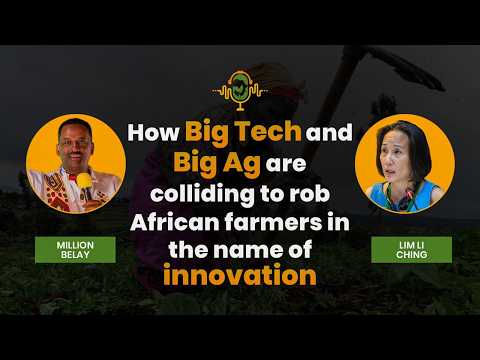
𝐓𝐡𝐞 𝐁𝐚𝐭𝐭𝐥𝐞 𝐟𝐨𝐫 𝐀𝐟𝐫𝐢𝐜𝐚𝐧 𝐀𝐠𝐫𝐢𝐜𝐮𝐥𝐭𝐮𝐫𝐞 𝐏𝐨𝐝𝐜𝐚𝐬𝐭 || 𝐄𝐩𝐢𝐬𝐨𝐝𝐞 𝟐𝟐 - 𝐖𝐢𝐭𝐡 𝐋𝐢𝐦 𝐋𝐢 𝐂𝐡𝐢𝐧𝐠 In this episode of The Battle for African Agriculture, Dr. Million Belay speaks with Lim Li Ching, co chair of IPES-Food @IPESfood and senior researcher at Third World Network (TWN) @3rdworldnetwork, with expertise on biodiversity, biosafety and sustainable agriculture. Lim Li Ching has spent more than two decades working on biodiversity, biosafety, seeds, and corporate power in agriculture. Reflecting on her early engagement with the Cartagena Protocol on Biosafety and global negotiations on GMOs, she explains how debates over agricultural innovation have always been deeply political, shaped by questions of who controls knowledge, who benefits from technological change, and whose interests are prioritized in global food systems. Drawing from the new IPES-Food report Head in the Cloud, Lim Li Ching examines the rapid convergence of big tech companies such as Amazon, Microsoft, and Google with agribusiness giants like Bayer and John Deere. She argues that digital agriculture is not simply a neutral technological evolution but part of a broader shift in which data becomes a new frontier of power and accumulation. Through cloud platforms, artificial intelligence, and data driven decision tools, corporations are increasingly able to collect and control vast amounts of farm level information, shaping agricultural decisions while potentially locking farmers into technological systems that deepen dependency and reinforce industrial farming models. Lim Li Ching warns that the ecological and political consequences of this shift are far reaching. The digital infrastructure behind agriculture requires enormous energy, water, minerals, and data extraction, often sourced from the Global South, while intellectual property regimes linked to gene editing and digital tools may further erode farmers’ autonomy and seed sovereignty. She argues that Africa must approach digital agriculture critically and instead prioritize farmer led innovation, agroecology, and digital sovereignty where communities and governments retain control over technology, knowledge, and food systems. Her message is clear: real innovation must strengthen farmers’ knowledge, rights, and ecological practices rather than concentrate power in the hands of corporations. Listen to the full conversation on YouTube, Apple Podcasts, Spotify and across all our social media platforms. Subscribe. Share. Engage. YouTube youtube.com/watch?v=EWWcwr… Spotify open.spotify.com/episode/2BTHcd… Apple Podcast podcasts.apple.com/us/podcast/how…
YouTube video
YouTube
AFSA tweet media
English
1
9
12
580