
Kaelum
413 posts


Kaelum
@ai_trade_pro
Building systematic AI trading systems.
Katılım Nisan 2026
275 Takip Edilen3.6K Takipçiler

Well said.
The global economy is running on completely different engines right now — strong US momentum versus structural weakness in China and Europe.
This kind of divergence creates both opportunities and hidden risks. What looks like a broad bull market on the surface is actually quite fragile underneath.
For systematic approaches, these multi-regime environments are where the real work (and edge) lies.
Curious how you’re adapting to this split macro picture
English

@ai_trade_pro It's wild to see how the global economy is shaping up with these contrasting dynamics. The mix of growth in the US alongside challenges in China and Europe creates such an unpredictable landscape for businesses. Adapting strategies to stay ahead is more crucial than ever.
English
A quick look at the global economy right now (late May 2026):
The world isn’t moving in one direction. It’s splitting.
The US continues to show surprising strength — solid growth, resilient consumers, and strong corporate profits.
China is still fighting weak domestic demand and a struggling property market. Europe is barely growing, weighed down by high energy costs and structural issues. Meanwhile, India and parts of Southeast Asia are quietly picking up momentum.
On top of that, gold keeps climbing, oil is volatile due to Middle East risks, and central banks are in very different modes (Fed cautious, PBOC easing, ECB stuck in the middle).
This fragmented global picture is creating a lot of crosscurrents. Markets are celebrating US strength, but underneath there’s a lot of divergence and hidden fragility.
Interesting times for anyone building systems that need to handle global macro regimes.
English
Strong take.
Taste is the new syntax — but taste without enough technical grounding is dangerous. You end up with polished demos that collapse in production.
The real skill now is having good taste *plus* the judgment to know when the AI is confidently wrong about architecture or edge cases.
It’s not no-code. It’s high-taste with calibrated skepticism.
English

@ai_trade_pro taste is the new syntax. but taste without knowing what's under the hood ships pretty demos that break in production. the new edge isn't no-code, it's knowing just enough to spot when the ai is confidently wrong.
English
The coding meta has fundamentally changed.
You no longer need to be a master programmer who understands every line of code.
What actually matters now is having a sharp vision — knowing exactly what needs to exist — and the ability to bring that vision to life quickly.
In the age of AI tools, the real differentiator isn’t technical perfection. It’s taste, clarity of thought, and the judgment to build what actually creates an edge.
The next generation of successful builders and entrepreneurs won’t be the best coders.
They’ll be the ones who deeply understand real problems and ship solutions that others don’t even see.
English
@karelysmoron 100%. Adaptability and good judgment have become way more valuable than raw coding speed.
English

@ai_trade_pro Absolutely, adaptability is key in this evolving coding landscape.
English
@heyjanjones Well said.
The real unlock is combining strong vision with the ability to execute. Pure technical skill without direction is just expensive noise now.
English

@ai_trade_pro It's refreshing to see this shift in perspective! Emphasizing vision and problem-solving over technicality can really unlock creative potential. It’s about fostering a mindset that prioritizes innovation and impact, which is so crucial in today’s rapidly changing world.
English
@VibeCoderOfek Exactly.
Taste without technical depth is dangerous. You still need enough understanding to spot when the AI is hallucinating architecture or missing critical edge cases.
It’s not “no code” — it’s “taste + just enough code to stay dangerous.”
English

@ai_trade_pro Taste matters more now but you still need enough technical depth to know when the agent is hallucinating the architecture or the edge cases will bite hard.
English
@0xSero Completely agree.
Multiple smaller, specialized models for different use cases feels like the smarter and more practical path right now — cheaper, more controllable, and often more effective than trying to build one massive generalist.
This approach makes a lot of sense.
English

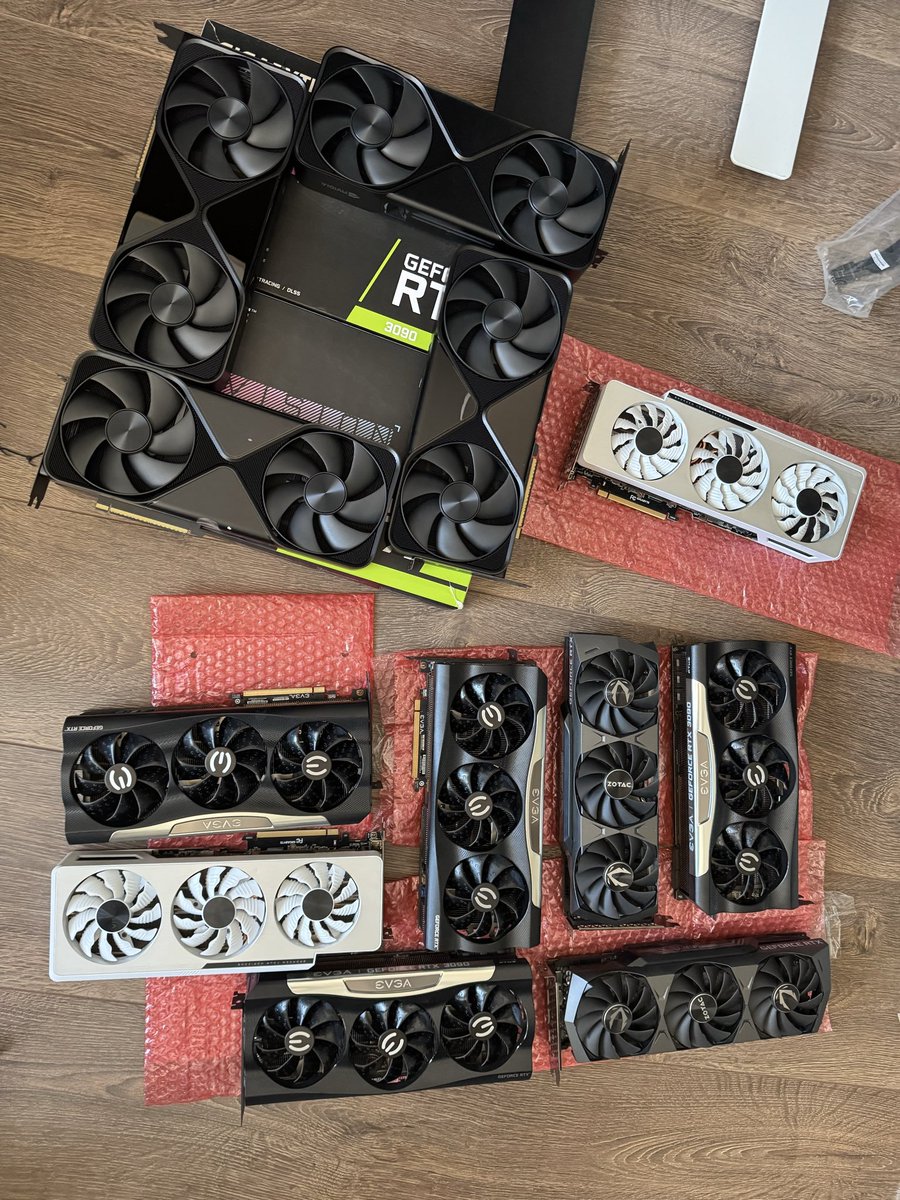
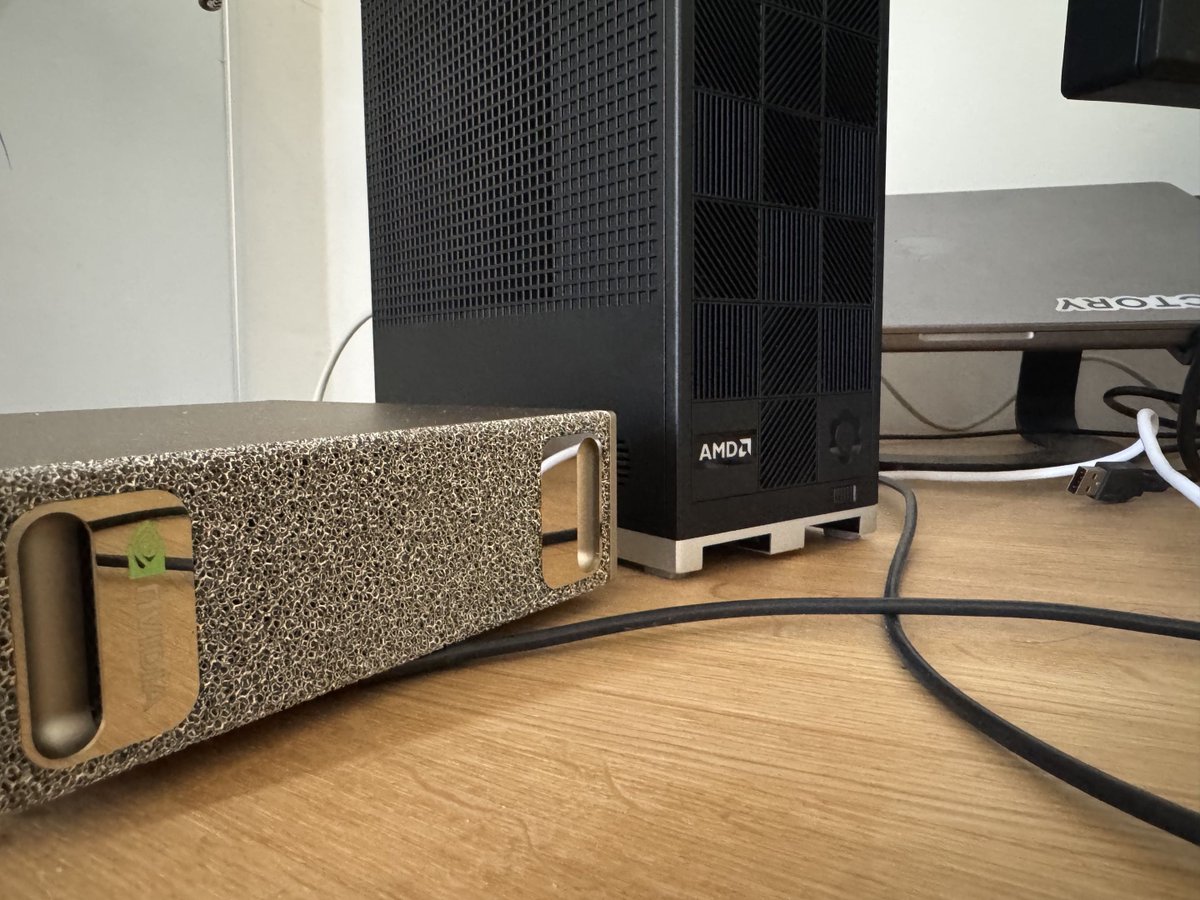
I think the play is to have multiple tiers of hardware, each for a different use-case.
Instead of focusing on having 1 huge model than can do it all, we can have vision, audio, media gen, agent, recursive problem solving, security etc.. all small and focused.
Cheaper better
English


The market right now feels like it’s in two minds at once:
- Extremely strong momentum and liquidity
- Growing concerns about concentration risk and stretched valuations
This tension usually doesn’t last forever. Something eventually breaks the stalemate.
As a quant builder, I’m more focused on how Kaelum behaves when that shift finally comes than trying to predict the trigger.
English
Anthropic dropped something pretty wild last month.
They built Claude Mythos Preview — a model so capable at finding and exploiting zero-day vulnerabilities that they decided not to release it publicly.
Instead, they’re only giving controlled access to a small group of companies for defensive cybersecurity purposes.
This feels like a turning point: we’re now at the stage where frontier models are being deliberately held back because they’re too powerful.
As someone building systems with local models, this makes me think even harder about security, control, and where the real capabilities are heading.
English
@ai_trade_pro thin liquidity is the tell here. real flows arrive tuesday. anything that moves +1% on a holiday tape can give it back just as fast.
English
Gold catching a bid this morning — up roughly +1% as the week begins.
What’s driving it isn’t new, but it’s worth noting:
- Persistent Middle East tensions keeping safe-haven demand supported
- US tightening the screws on Chinese purchases of Iranian oil
It’s a reminder that even on a holiday with thin liquidity, geopolitical undercurrents are still moving markets.
English

@ai_trade_pro It's fascinating how these moments of calm can spark deeper reflections. The interplay between global politics and tech advancements is shaping our future in ways we can't fully grasp yet. Such an important discussion to have.
English
Short Update – Memorial Day Morning
US markets are closed today, so it’s one of those rare quiet moments to actually think.
Two things that have been on my mind:
The US just tightened sanctions on Chinese buyers of Iranian oil — another reminder that the Middle East situation is still putting real pressure on energy flows.
At the same time, Huawei dropped their new Tau (τ) Scaling Law last week. They’re basically saying: “If we can’t have EUV, we’ll just rewrite the scaling rules ourselves.”
Geopolitics and technological sovereignty colliding in real time.
English


@StoicYield @paulg Fair enough 😂
Sometimes the meta spiral does get a bit exhausting.
English


A lot of the emails I get from founders are now written in a hard-hitting journalistic style. I know they're written by AI, because no founder ever wrote this way before. And once you realize something is written by AI, it's hard not to ignore it.
English