Alex Draho

4.3K posts

Alex Draho banner
Alex Draho

Alex Draho

@alexdraho

Strong Marketing That Guarantees To Print 3-4 Figures Extra Per Month For Your Business ● Join https://t.co/qIVDf3jrGF For Free To Learn How

Canada Katılım Aralık 2023
219 Takip Edilen513 Takipçiler
Sabitlenmiş Tweet
Alex Draho
Alex Draho@alexdraho·
4 DEADLY Writing Mistakes: (You are doing at least one of them)
Alex Draho tweet media
English
12
2
58
24.6K
Alex Draho retweetledi
Zyan
Zyan@ZyanBizBoost·
Do you know that Ford only exists today because of ONE insane plan from a Boeing executive? In 2008, Ford was dead. Their stock was at $0.82 and made a $12.7B loss in one year. Four years later, their stock soared over 1000%. Here's the greatest comeback story in history: In 2006, Ford was drowning in problems. - Internal conflicts from brand acquisitions like Jaguar, Volvo, and Land Rover. - Slow decision-making strangled by bureaucracy. - Customers abandoning them for Japanese automakers. But the problems ran deeper than anyone realized. Ford's product lineup was outdated and uninspiring. Sales dropped by 200,000+ units in just two years. Customers saw their cars as unreliable and boring. Meanwhile, Toyota and Honda were winning with better quality and fuel efficiency. Ford was losing the game fast. They needed a radical solution. Enter Alan Mulally, an ex-Boeing executive. He joined Ford as CEO in 2006. His first move was to sell Jaguar, Land Rover, and Volvo to regain focus. Then came the "One Ford" plan that changed everything. Ford had been operating in silos for years. No teamwork. No clear direction. Different divisions competing against each other. Mulally enforced a simple rule: ONE company, ONE team, ONE plan, ONE goal. What did that look like in practice? - Weekly business plan reviews where executives had to show their numbers. - No more power struggles between divisions. - No more hiding bad news to protect careers. Then Ford ditched the gas-guzzlers and focused on what customers actually wanted: Higher quality manufacturing that could compete with Japanese standards. But then 2008 hit like a freight train... The financial crisis crushed auto sales nationwide. Ford's stock plummeted to $1.01, nearly worthless. The solution? In 2006, Mulally had made one brilliant move nobody understood at the time. He mortgaged everything Ford owned. The factories. The logo. Even the iconic blue oval trademark. All for $23.4 billion in cash. People thought he was insane. But when credit markets froze in 2008, Ford had the cash to survive. While GM and Chrysler went bankrupt, Ford stood firm. Ford became the "self-made" underdog, the company that didn't take handouts. Brand loyalty soared overnight: From a $14 billion loss in 2008 to a $6.6 billion profit in 2010. Ford sold 190,000 more cars than its nearest competitor in 2009-2010. Operating margin went from -12% to +6% in just two years. Stock price: $0.82 in 2008 to $10.31 in 2010. That's over 1000% growth. And today? Ford is investing billions in electric vehicles, competing head-to-head with Tesla. Enjoyed this post? Follow me @ZyanBizBoost for more.
English
11
15
65
43.6K
Alex Draho retweetledi
Zyan
Zyan@ZyanBizBoost·
In 2013, Mark Zuckerberg bought an Israeli VPN app for $120M and turned it into a surveillance tool. His goal? Spy on 33M+ users' phones for years. This app helped him buy WhatsApp for $19B and break Snapchat's encryption. It's time to take a closer look at this untold story: Meet the founders of Onavo, an Israeli startup. They launched a VPN app with a simple promise: "Protect your data." In 2013, Facebook came knocking with $120 million. The founders cashed out. But Onavo wasn't about privacy at all. It was the ultimate corporate spy tool disguised as protection. Once users installed Onavo, every bit of internet traffic was routed through Facebook's servers. Not just web browsing. Every app. Every click. Every message. 33 million users thought they were getting security. But they were actually feeding Facebook a live stream of their digital lives. Facebook could see which apps you opened, how long you used them, and what you did inside them. Think about that for a second. You install a "privacy" app. And it becomes the most invasive surveillance tool imaginable. Armed with this data, Facebook discovered exactly which apps were stealing its users. WhatsApp was growing fast. Snapchat was gaining massive momentum. Facebook used Onavo's intelligence to make billion-dollar decisions. The biggest one was their $19 billion WhatsApp acquisition. The largest tech deal in history at the time. Zuckerberg knew EXACTLY how valuable WhatsApp was because Onavo showed him the usage data. Not estimates. Not projections. Real-time surveillance data from millions of phones. When Snapchat started using encryption to block surveillance, Facebook didn't back down. They launched "Project Ghostbusters." It broke Snapchat's security and spied on users inside the app anyway. Court documents revealed that Mark Zuckerberg personally pushed teams to "figure out a new way to get reliable analytics" on encrypted competitors. Dozens of Facebook lawyers approved the interception techniques. They called it legal... The question remains: Can we trust tech companies with our privacy? Enjoyed this post? Follow me @ZyanBizBoost for more.
English
7
21
62
10.4K
Alex Draho retweetledi
Zyan
Zyan@ZyanBizBoost·
Brexit was meant to be a win. Instead, it turned into one of the biggest economic disasters in modern history. 1,800,000 jobs vanished. Trade with Europe collapsed. London's financial empire crumbled. Brexit didn’t free Britain. It broke it. But why? June 2016: 52% of UK voters chose to leave the European Union. The promise was simple: more control, more money, more independence. Politicians painted a picture of Britain freed from Brussels bureaucracy. By 2023, the numbers were devastating. 1,800,000 jobs lost directly because of Brexit. But this was just the beginning... January 1, 2021: The UK officially left the EU Single Market. Overnight, businesses faced: - New tariffs - Border checks - Regulatory red tape - Massive delays Trade that used to flow freely across Europe suddenly hit walls everywhere. London's financial sector took the biggest hit. For decades, London was THE gateway to European markets. Global banks used it as their European headquarters. Then Brexit changed the rules completely. Banks couldn't serve EU clients from London anymore. So they moved. Goldman Sachs relocated hundreds of jobs to Europe. Paris and Frankfurt started winning the business that London used to own. The UK's most valuable industry was bleeding out in real-time. By 2023, the UK economy was £140 billion smaller than if it had stayed in the Single Market. And the projections for the future were even worse: By 2035, economists project: - 3 million fewer jobs - 32% less investment - 5% lower exports - 16% lower imports - £311 billion smaller economy All compared to staying in the EU. Brexit fundamentally changed Britain's economic trajectory.... What do you think? Was it meant to fail from the beginning?
English
17
28
63
21.2K
Logan Weaver
Logan Weaver@LogWeaver·
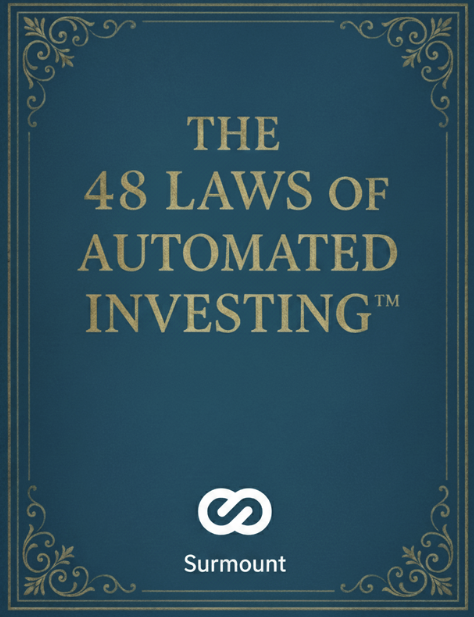
If you don't have The 48 Laws of Automated Investing™ like and comment “48” and I’ll send the link to you.
Logan Weaver tweet media
English
29
16
64
9.6K
Alex Draho retweetledi
Zyan
Zyan@ZyanBizBoost·
If you don't have The 48 Laws of B2B Lead Generation™ Like and comment “48” and I’ll DM you the link for FREE.
Zyan tweet media
English
14
12
20
4.5K
Alex Draho retweetledi
Logan Weaver
Logan Weaver@LogWeaver·
Michael Burry just closed his hedge fund after 20 years. Reminder: It's the guy who predicted the 2008 crash. And his last move was betting 79% of his portfolio AGAINST AI. Then he deregistered his hedge fund and said he's "onto much better things." There's something off... One of the most successful contrarian investors in history just said managing other people's money the old way isn't worth it anymore. This is the same guy who made billions betting against the housing market when everyone else thought he was crazy. He doesn't make moves like this lightly. In Q2 2025, Burry had bullish positions across healthcare, consumer goods, and tech. By Q3, he liquidated everything. Complete portfolio reset. Then he rebuilt with put options against two of the hottest AI stocks in the market. He's bearish on the entire premise that's driving this market rally: The idea that AI valuations are justified by current fundamentals. Burry's saying what most professional investors won't: The emperor has no clothes. Stock prices are rising on expectations, not revenue. On hype, not fundamentals. On what might happen, not what is happening. And now he's closing his fund. After two decades of beating the market and proving the skeptics wrong again and again. He's shutting it down. "Onto much better things," he said. What does that actually mean? Look at what he did before closing: Liquidated Meta, Alibaba, UnitedHealth, and Regeneron. All major positions. Then put 79% of his portfolio into put options on Palantir and NVIDIA. The remaining 21%? Pfizer, Halliburton, Molina Healthcare, Bruker. Every single one of those companies has strong cash flow and trades at reasonable valuations. He's not exiting the market. He's taking a massive short position on the AI rally while staying long on fundamentals. Then he deregistered Scion Asset Management. Named Phil Clifton as his successor. And walked away from public fund management entirely. No more SEC filings. No more quarterly 13F disclosures showing his positions. No more regulatory compliance overhead. He can now invest however he wants without the world watching. That's how the ultra-wealthy have always invested. Burry just switched from managing a public hedge fund to managing private capital. Same investing. Different structure. Why now? Because he's positioning for a market correction and doesn't want the scrutiny. When you're making massive contrarian bets, public disclosure works against you. Everyone sees your positions. Everyone knows your thesis. And everyone can trade against you or front-run your exits. By going private, Burry removes that disadvantage. He can build positions quietly. Exit quietly. Adjust quietly. This is 2008 all over again, just structured differently. Back then, he bought credit default swaps on mortgage bonds while everyone called him crazy. He stayed public because he was managing outside capital and legally had to. Now he's betting against the AI bubble. But this time, he's managing his own money and can operate in private...
Logan Weaver tweet mediaLogan Weaver tweet media
English
8
15
83
17.6K
Alex Draho retweetledi
Logan Weaver
Logan Weaver@LogWeaver·
Europe just killed financial privacy. In 847 days, cash transactions above €10,000 will become illegal across the eurozone. Not regulated. Illegal. The EU Anti-Money Laundering package (AMLA) doesn't just target criminals. It treats all 340 million Europeans like suspects. Want to buy a car with cash? Criminal. Want to send €1,001 in Bitcoin? State approval required. Anonymous crypto wallets? Gone. Every transaction is logged in a centralized Brussels database. They're calling it "fighting money laundering." The EU estimates €500 billion is laundered yearly. So their solution is to surveil 340 million people to catch the fraction committing crimes. But the real kicker comes in 2029. The Digital Euro launches after the ECB spent €1.3 billion developing it. Leaked proposals show a €3,000 holding cap per person. Every purchase is tracked. Every pattern is analyzed. Every transaction is subject to state scrutiny. China's digital yuan already does this. Programmable money that can expire, restrict purchases, or be frozen based on behavior. The ECB promises Europe will be different. €20 trillion flows through the eurozone annually. Soon, every cent requires approval from Frankfurt. The infrastructure of control gets built in the name of safety. Every. Single. Time. This is why understanding the tech behind your money isn't optional anymore. 847 days until cash above €10,000 becomes contraband. 1,308 days until every euro is digital, tracked, and controlled. Zero days of mainstream coverage asking the question that matters: Who decides what you're allowed to buy when money becomes permission? The clock is running. And most people still don't see it coming....
Logan Weaver tweet media
English
622
2.2K
4.9K
484K
Alex Draho retweetledi
Zyan
Zyan@ZyanBizBoost·
Everything you’ve been told about B2B outreach is wrong. You don’t need to spam follow-ups. You don’t need to send 100,000 cold emails per day. You don’t need to settle for the terrible leads agencies give you. Here are the top 5 B2B outreach mistakes you keep making:
Zyan tweet media
English
5
10
33
9.7K
Daly Asset Management
Daly Asset Management@DalyAManagement·
Three financial experts just destroyed everything you've been taught about money. They called out Wall Street, exposed the retirement myth, and revealed why your savings account is a "guaranteed loss." Here are the top 8 takeaways from the latest Diary of a CEO podcast (don't miss the last one):🧵 1 - Stop being a saver, start being an investor Keeping money in a bank account is a "guaranteed loss." With inflation at 3% and bank accounts paying 0.1%, you're losing 2.9% of purchasing power annually. That's $29,000 lost on every million dollars sitting in savings. —————— 2 - Your primary residence is NOT an investment For the first 20 years of a 6.5% mortgage, more than half your payment goes to interest, not equity. When you refinance, that clock resets to zero. Treat your house like an expense, not a wealth-building strategy. —————— 3 - The biggest money mistake? Spending everything first Wealthy people save and invest BEFORE they spend. Everyone else spends everything, then tries to save what's left (which is usually nothing). Pay yourself first, spend what remains. —————— 4 - Master the income vs. expense equation Personal finance comes down to two numbers: what you earn minus what you spend. Know both intimately. Most people can't tell you what they spent last month. Track expenses for 90 days, you'll be shocked by the results. —————— 5 - Time is your most valuable asset when investing If you're 25 and get wiped out financially, you can recover multiple times. If you're 50 and make the same mistake, you're done. The younger you are, the more risk you can afford to take. —————— 6 - Geographic arbitrage is real wealth creation Spain offers lifestyle arbitrage, with half the cost of living compared to the UK. But the US offers intellectual and financial capital density that's unmatched globally. Choose your location based on your wealth-building stage. —————— 7 -Networks compound faster than money The people who have the best networks always ask "How can I help you?" first. They give value before taking it. One introduction can be worth more than years of investment returns. —————— 8 - Dollar-cost averaging removes emotion from investing Set up automatic investments so you buy more when prices are low, less when they're high. The best-performing brokerage accounts in America belong to dead people, because they don't panic and sell. —————— The bottom line: Building wealth isn't about getting rich quick. It's about getting the fundamentals right, staying consistent, and letting time work in your favor. Most people know what to do, they just don't do it. Learn more here:
English
7
10
26
6.3K
Alex Draho retweetledi
Insider Trackers
Insider Trackers@InsiderTrackers·
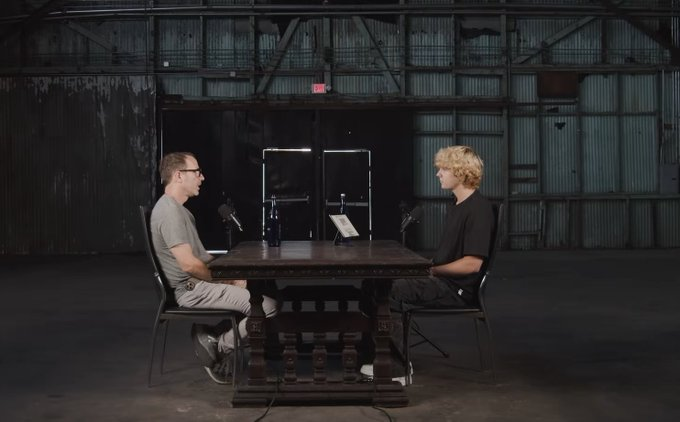
Forget Warren Buffett for a second. This trader spends 4 hours every night reading TikTok comments... Turning $84,000 into $42 MILLION without any financial background. The best part? He just revealed all his strategies in a secret interview. Comment “TikTok” + Like and I’ll auto DM you the link (Must be following so I can DM you)
Insider Trackers tweet media
English
14
14
28
10.1K
Alex Draho retweetledi
Insider Trackers
Insider Trackers@InsiderTrackers·
Someone made $2.5 million betting against airlines before 9/11. When the towers fell, they vanished without claiming the money. But the bank processing the trades? Run by a CIA Executive Director's former company. Here's what's behind 20+ years of buried evidence:🧵
Insider Trackers tweet mediaInsider Trackers tweet media
English
9
21
62
37.6K