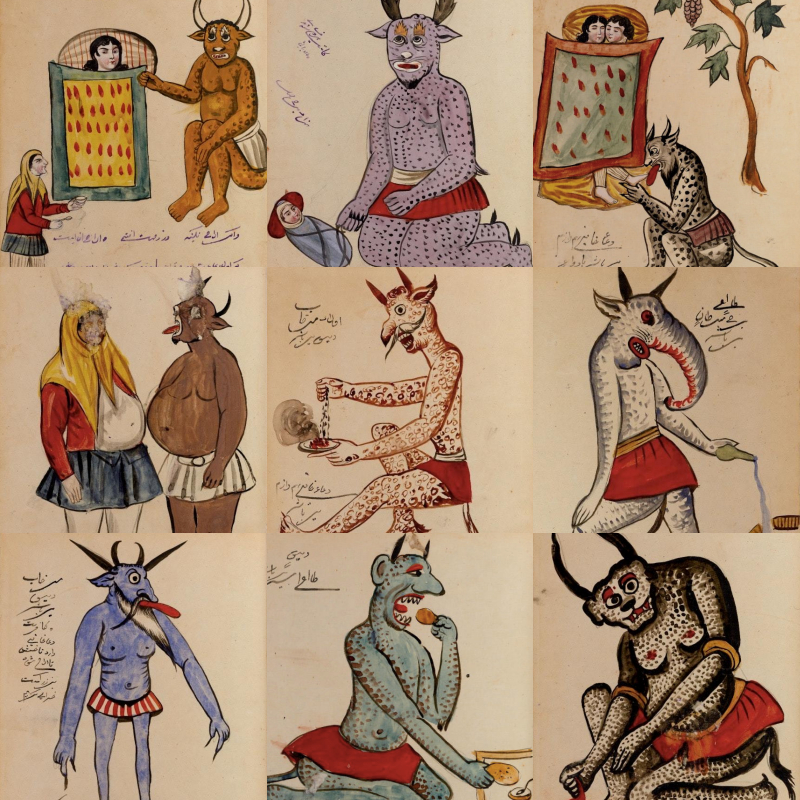
Depictions of Demons (Divs) from a Divination Book on Magic and Astrology. Culture: Iran (Late Qajar Period). Date: 1921. Medium: Ink and watercolor on paper. Collection: Princeton University Library, Islamic Manuscripts Collection.
A Phoenician or Carthaginian Necklace or Amulets in the form of bearded heads made of sand-core carthaginian glass paste beads (4th-3rd Century BC).....
Necklace was popular among people of Carthage at that time. Faces in necklace mean some religious beliefs, such as expelling evil spirits or bringing good luck.
According to scholars, these beaded faces possibly the representation of Melqart, a Phoenician god and chief deity of Tyre and of two of its colonies, Carthage and Gadir (Cádiz, Spain). He was also called the Tyrian Baal.
In phoenician society, Melqart was usually depicted as a bearded figure, wearing a high, rounded hat and a kilt and holding an Egyptian ankh, symbol of life, and, as a symbol of death, a fenestrated ax. His sanctuary in Tyre, described by Greek historian Herodotus (who called the temple that of Heracles), was the scene of annual winter and spring festivals and is believed to have been the model for Solomon’s temple in Jerusalem.
National Archaeological Museum, Cagliari 🇮🇹
#archaeohistories
My design for Scarlet Witch as SORCERER SUPREME! ✧‧₊☽☾˚.⋆✧
I redesigned Wanda for her new role and I’m doing a series of variant covers for the SORCERER SUPREME book — here’s my issue 1 cover!
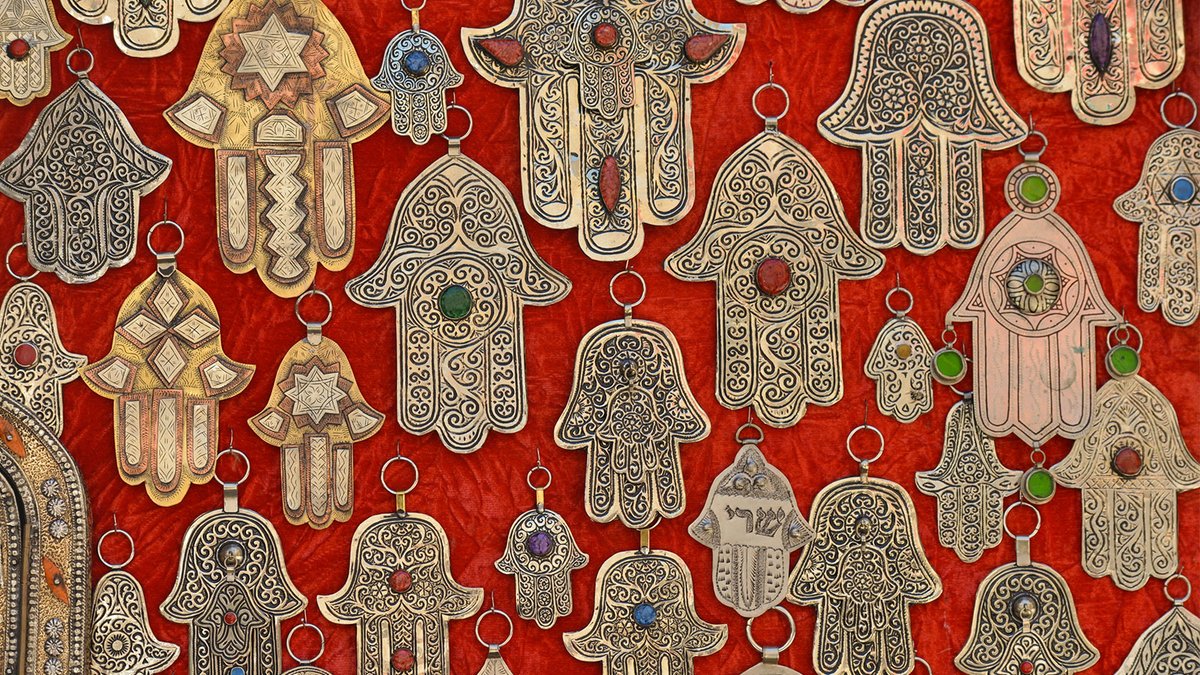
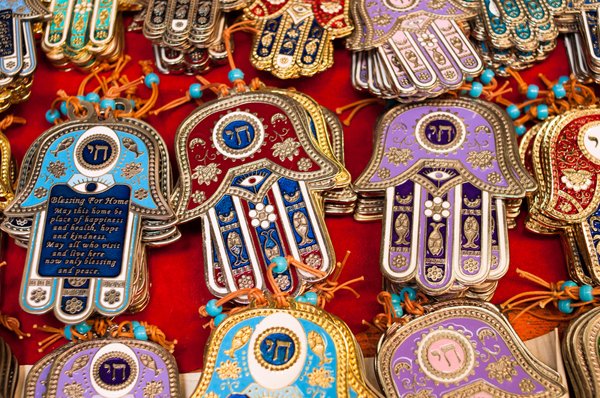
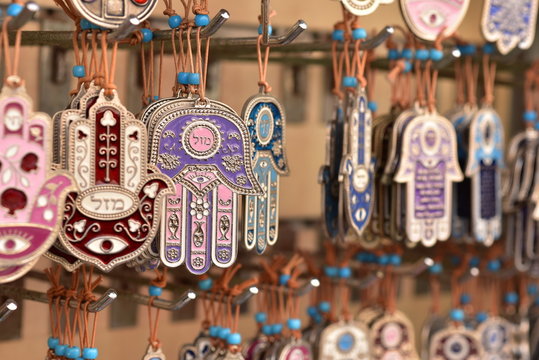
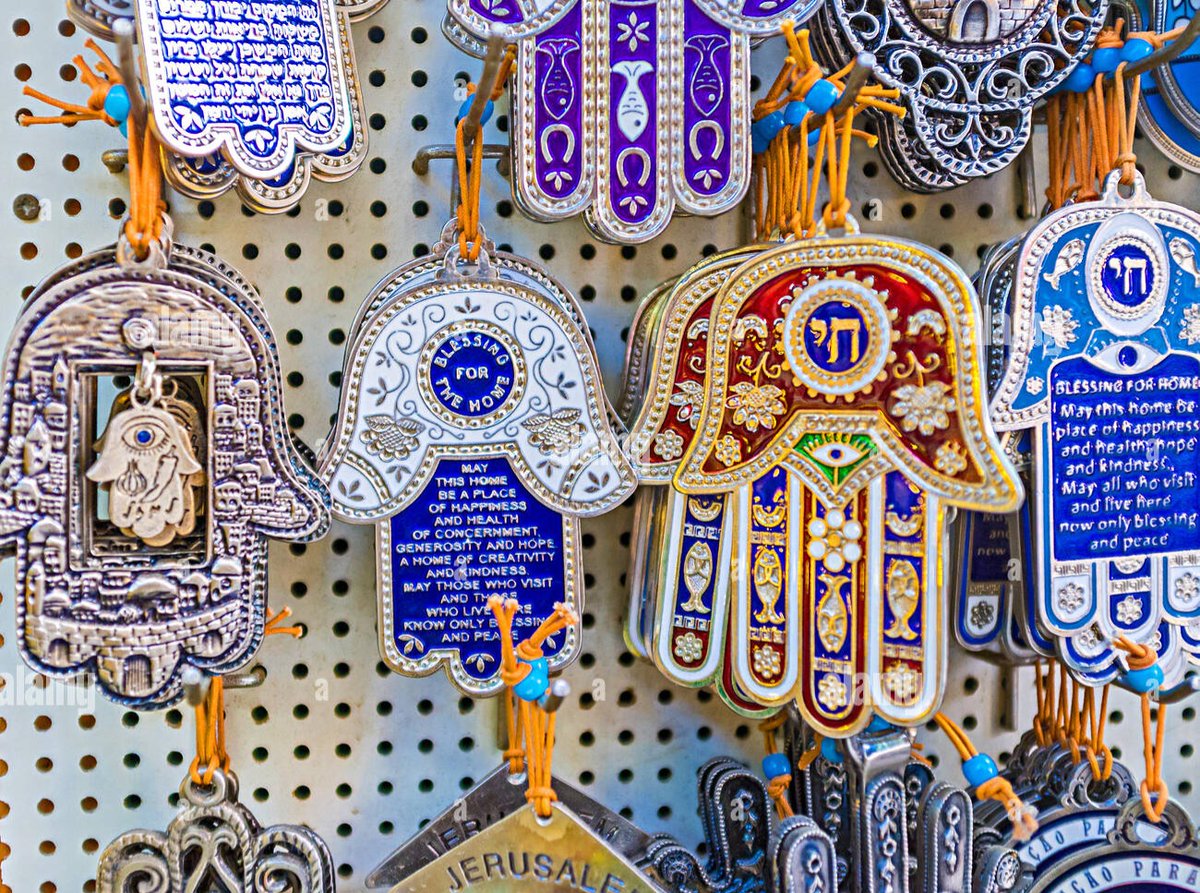
Popular in North Africa & the Middle East, the hamsa—also known as the Hand of Ishtar, Hand of Fatimah, or Hand of Mary—is an amulet representing divine blessings, worn for protection against the Evil Eye. Women have worn it for fertility & healthy pregnancies. #FolkloreSunday
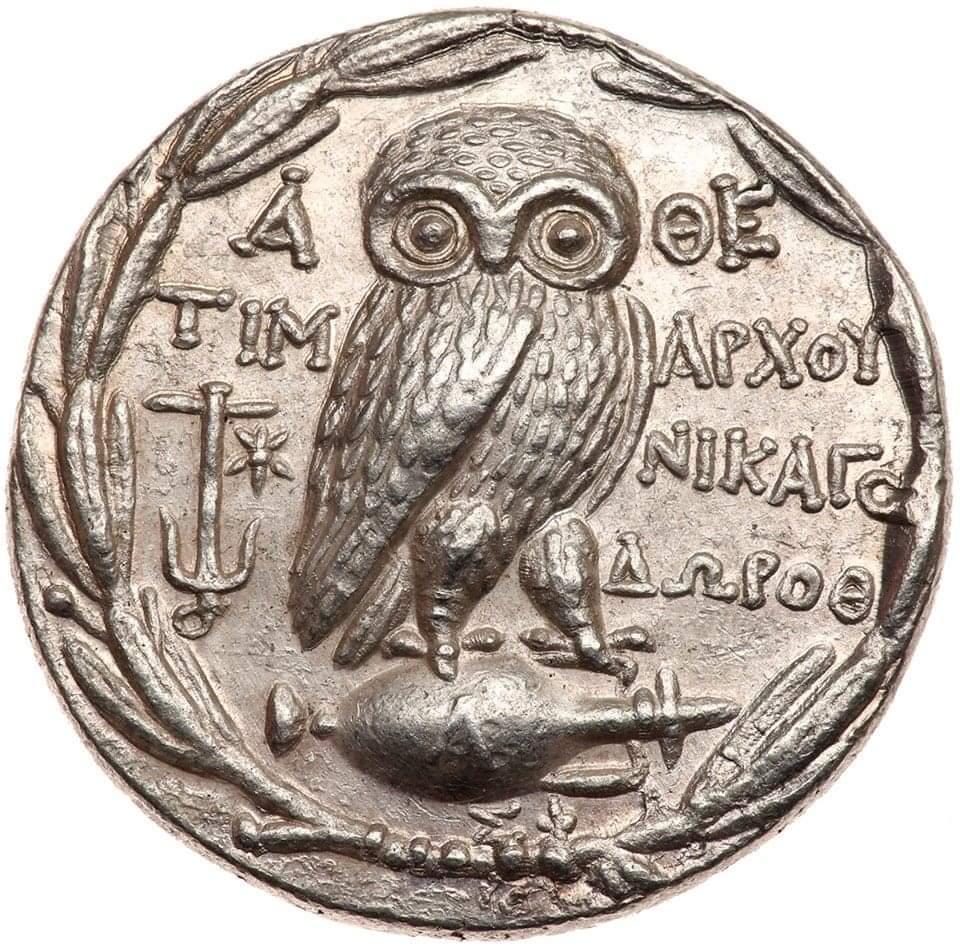
Athenian owl coin is a famous ancient Greek coin featuring the symbol of wisdom - the owl. These coins have captured the imagination of many, including President Roosevelt who carried one with him. Not only were these coins used as currency in ancient Athens between 510-38 BC, but they were also widely circulated throughout the Greek world and beyond. There is much to say about these coins and the changes that were made over the centuries in which they were produced. The scope of this blog is limited, focusing on most popular period: 450-404 BC. Among others, we will discuss the appearance of the coin, its meaning, how authenticity was checked and its value, both in the past and now.
Athenian "owls," as they were called, were minted in Athens for over four hundred years, beginning in the 510s BCE. The coin type of these coins is called a “tetradrachm”. “Tetra” comes from Greek τετρα meaning four. Hence one tetradrachm is equivalent to four drachmae. The coin weighs approximately 17.2g which makes it heavier than 3 US quarters. Aside from the imagery and relief of the coin, this feature makes them an impressive and heavy coin to behold.
Athenians minted these coins prolifically using its own silver mines. Coins were used to finance Parthenon and Acropolis as well as several wars. Moreover, owls became the standard throughout the ancient world, not merely Athens. This popularity caused their design to remain nearly identical for centuries, even though other city-states were experimenting with more intricate designs. As you’ve now seen, these coins feature both an owl and a woman: Goddess Athena. Although the style evolved, the coins retained same basic design over centuries. The obverse of the tetradrachm featured the head of Athena, who was patron goddess of the city of Athens. She features a characteristic almond-shaped eye and a stunning decorative scroll on her helmet. The reverse of the coin featured an image of an owl, which was the symbol of Athens, along with the inscription "Ἀθηναίων", meaning "of the Athenians”.
According to Greek mythology, the owl was considered symbolic of intelligence, wisdom, vigilance, and strength – attributes that were all valued by ancient Athenian city-state. Why is Owl the symbol of wisdom? Because it is a nocturnal bird and was believed to have the ability to see in the dark. This was thought to represent a deeper understanding of the world, and the owl was therefore considered to be a wise bird. Besides the owl and inscription, a wreath of olive leaves and crescent moon were added sometime around 480 BC. Owl was also considered to be a good luck charm, thought to bring good fortune to those who carried it. The owl remained a powerful symbol in Greek culture for centuries. Its influence has appeared in pottery, architecture, statues and art.
As mentioned, owl coins represent Greek goddess Athena, who was the patron goddess of Athens. The owl’s presence on Athena's shoulder also represented her patronage and authority over the nation – signifying strength in their defense and justice in their courts. Athena was associated with wisdom, intelligence, and military strategy.
📷: (Reverse) - Owl standing on oil amphora, all surrounded by a wreath of olive leaves. Silver Tetradrachm from Athens, "new style" (200-150 BC).
(Obverse) - Head of Athena right, wearing crested Attic helmet, bowl decorated with tendrils, griffin and the protomes of four horses above the visor.
Greek Inscription -
A – ΘE
TIM – APXOY
NIKAΓ[O]
ΣΩΣIΓE
ME
NAM, Athens
#archaeohistories
Here’s a video of the complete series of pieces inspired by Jeffrey Kripal’s Mutants & Mystics. Follow Elissa Ezekiel and the mysterious space goddess, Etrastع, through all the Mythemes. Thank you for going on this journey with us!
How about some more Comics Kabbalah/Qabalah, since we’re on a roll this week? X-Men writers Chris Claremont and Grant Morrison both explicitly linked Jean Grey and the all-powerful Phoenix force she embodies to the sixth sphere of the Tree of Life: Tiferet, or Tiphareth.