
Ivan
4.6K posts

Ivan
@alfabrk
Posting na srpskom and in English. (all photos are my own except for retweets or if otherwise stated)

Belgrade, Serbia Katılım Eylül 2010
671 Takip Edilen243 Takipçiler

Ivan retweetledi


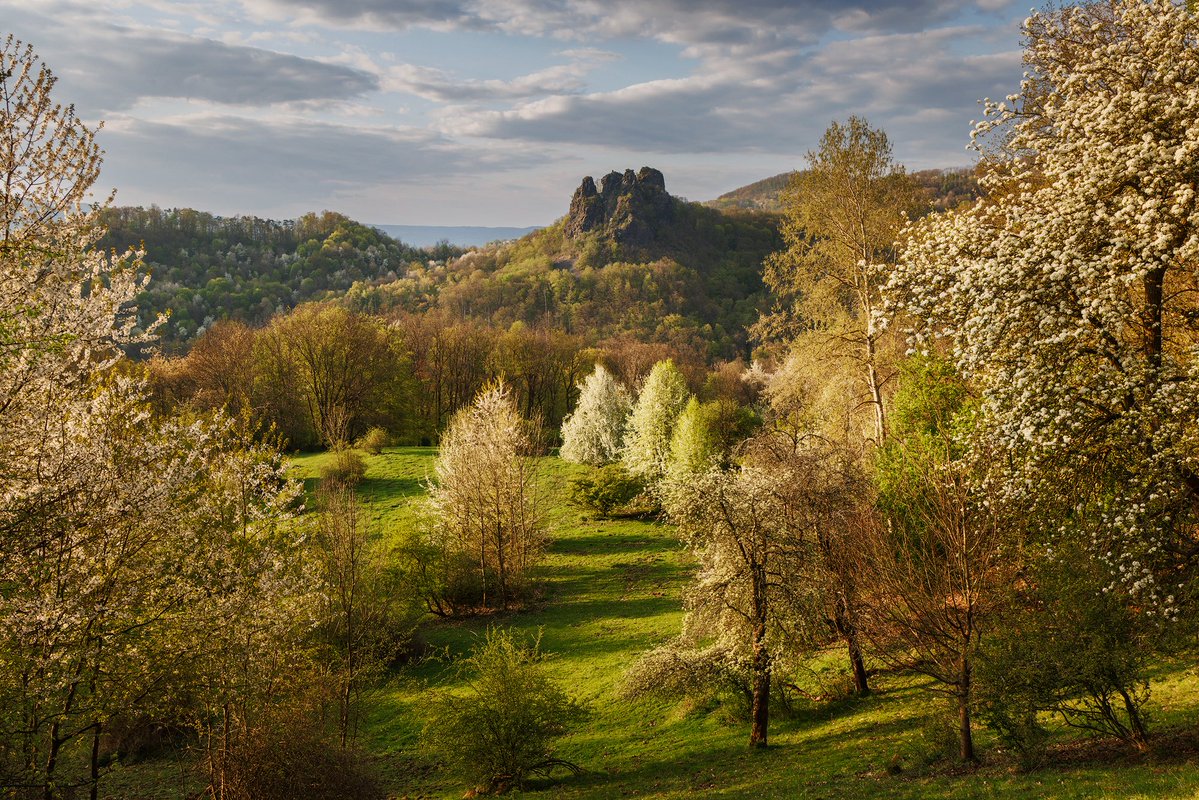
If this isn't a view onto Weathertop (just being the village of Bree, on the way to Rivendell), then I don't know what is.
Martin Rak@martas_
Spring evening in the orchard
English

@martas_ @nena_n80445713 "sublime" doesn't even cover it. This is idyllic!
English
Ivan retweetledi

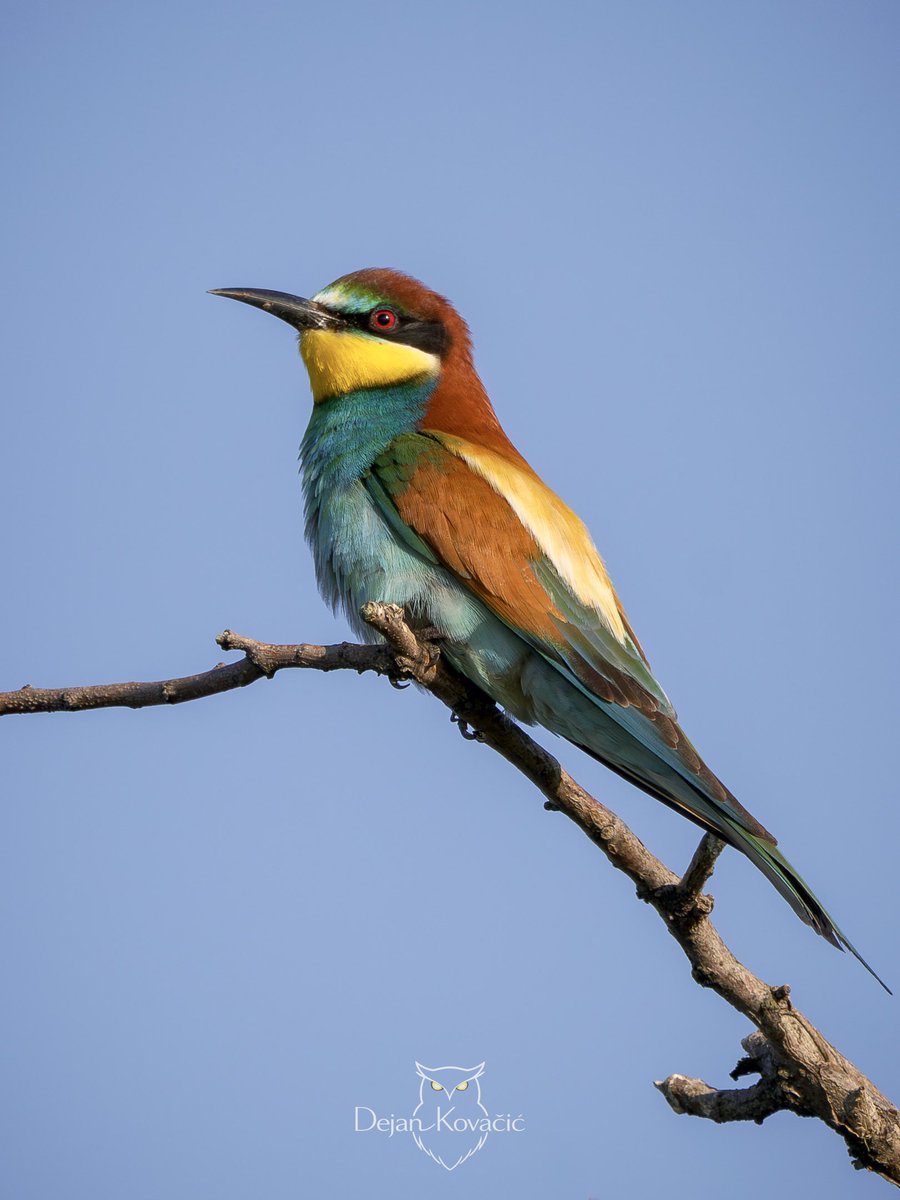
Pčelarica (Merops apiaster) European Bee-eater
Veličina: 25–29 cm
Karakteristike: Jedna od najživopisnijih ptica Evrope, telo u nijansama tirkizne, žute i rđasto-crvene, dug blago povijen kljun i elegantan let sličan lastavicama
Stanište: Otvoreni predeli sa rastresitim zemljištem, rečne obale i lesne litice gde kopa duge tunele za gnežđenje
Ishrana: Leteći insekti, često pčele, ali i ose, stršljeni i vilini konjici
Ugroženost: Nije globalno ugrožena, ali zavisi od očuvanosti staništa
Trivija: Pre nego što proguta pčelu, udara je o granu da bi uklonila žalac i otrov
Pčelarica nosi reputaciju koja joj često više šteti nego što je zaslužila. Kod pčelara važi za gotovo neprijatelja, simbol gubitka i praznih košnica. Ime joj ne pomaže jer zvuči kao da živi isključivo od pčela. Istina je daleko nijansiranija. Iako pčele jesu deo njenog jelovnika, one su samo jedan segment širokog spektra insekata koje lovi, često i onih koje ljudi smatraju štetočinama.
Predrasuda opstaje jer je vidljiva. Jato pčelarica iznad pčelinjaka deluje kao direktna pretnja. Ali priroda retko funkcioniše tako jednostavno. Ova ptica je deo balansa, lovac koji uzima ono što je dostupno. Njena prisutnost ne znači nužno katastrofu, već podsećanje da ekosistem ne prati naše podele na korisno i štetno.
Između boja koje izgledaju kao da ne pripadaju našem pejzažu i reputacije koju nosi, pčelarica ostaje jedna od najneshvaćenijih ptica kod nas, lepa, glasna i nepravedno osuđena.

Ivan retweetledi
Ivan retweetledi
Ivan retweetledi

Stigle, taman za jednu fotku da zavrsim i ovaj dan.

Dejan Kovacic@DejanKovacic79
Aj da vidimo jel su stigle pcelarice.

@MerriamWebster @lmspear1 Any story as to why it’s Wednesday though and not Wedensday?
English
Ivan retweetledi
Ivan retweetledi
Ivan retweetledi

This was, without doubt, one of the most beautiful mornings I've ever had the privilege to witness. The hills and fields shone with a soft, golden, misty light, and the birdsong echoed along the lanes. At one point I paused on my walk to admire a particularly lovely tree, as I often do, and a little roe deer strolled into the frame and stood in the perfect spot under the boughs. I'm pretty sure she was captivated by how beautiful the world was at that moment too. We exchanged a glance, I whispered "Thank you", and then we both went about our days, with me feeling about as lucky as it's possible to feel.
📍 Peak District, England

English
Ivan retweetledi

There's a forest in Utah where every single tree is actually the same tree. 47,000 trunks growing out of one giant root system, all clones of the same parent. The whole thing weighs about 13 million pounds, around 40 blue whales worth. It's called Pando, and it's been alive for around 80,000 years. Humans hadn't even started painting in caves yet when this thing took root. It's the heaviest living thing on Earth.
Trees do some properly weird stuff. When a giraffe starts eating an acacia tree in Africa, the tree releases a warning smell into the air within minutes. Other acacia trees nearby pick up that smell and immediately start pumping bitter chemicals into their own leaves, before the giraffe even gets there. Giraffes have actually figured this out and learned to walk upwind, so they can get a few bites in before the trees notice them.
In 1997, a Canadian scientist named Suzanne Simard found that trees in a forest are connected to each other underground, through a giant web of tiny fungus threads that link them all together. Her experiments showed that one tree can send food and chemical messages to another tree through this fungus network. The press nicknamed it "the wood wide web." Some of the bigger claims about trees being one happy family are still being argued over by scientists, but the basic idea, that trees pass signals to each other underground, is now solid science.
And some live for thousands of years. There's a tree in California called Methuselah, a kind of pine, that is almost 4,860 years old. It was already 200 years old when the first Egyptian pyramid was built. There's another one growing nearby that scientists think is over 5,000 years old. Both were already ancient when Stonehenge went up.
Trees also do something to your body when you're around them. A Japanese researcher named Qing Li ran an experiment. He had people spend a few days walking in forests, then took their blood. The cells in their immune system that fight off viruses and tumors had jumped sharply, and the boost lasted for over a week after they got home. He had another group take the same kind of trip but to a city instead. They got nothing. The trees were releasing some kind of compound into the air that the city didn't have.
The tallest tree in the world is in California too, a coast redwood named Hyperion. 381 feet tall (taller than the Statue of Liberty), around 700 years old. A single trunk holds 550 million leaves. You're sharing the planet with all of this.
tya@elenielframes
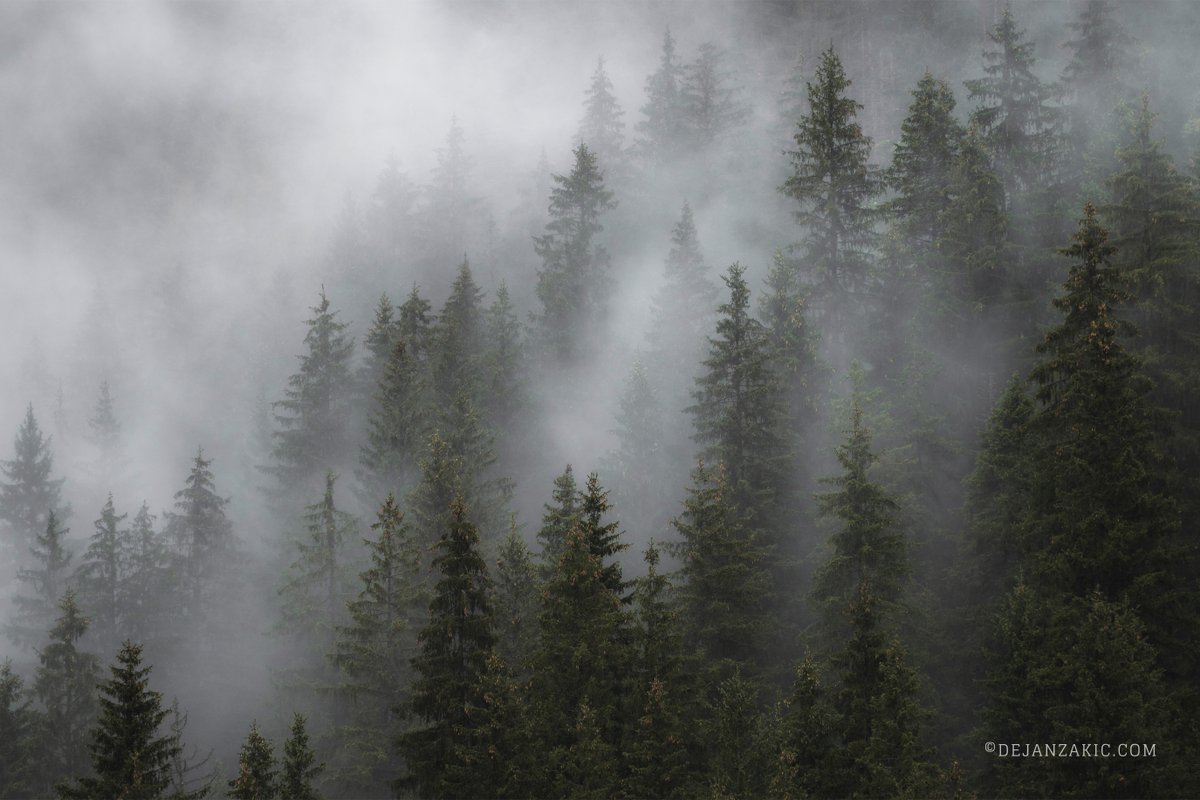
one of the things I love about earth is its trees 🍃
English

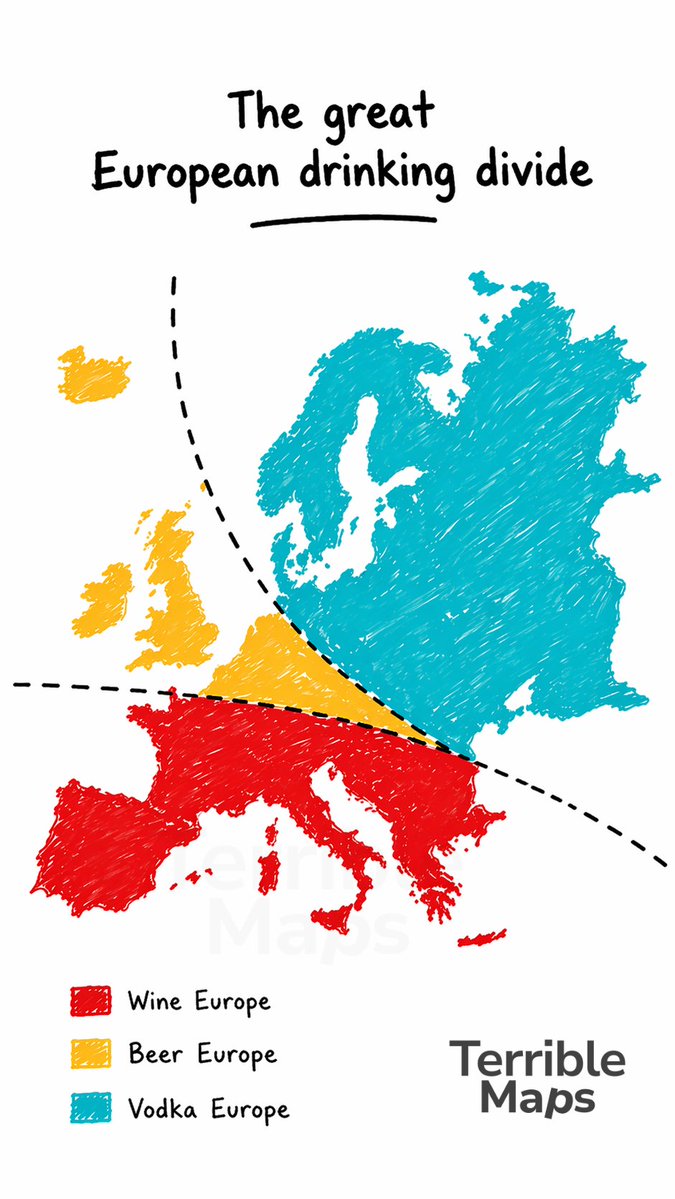
@ninodelrebelde7 @TerribleMaps This is better but we also love beer in Eastern Europe and the Balkans, man. If it gets us drunk we love it!
English
Ivan retweetledi
Ivan retweetledi