alkine
4.7K posts

alkine
@alkineee
solana is home - janitor at @sanctumso


Your product is so good that competitors feel the need to block it at the program level. @kamino is openly ignoring open-finance principles by stopping users from leaving their platform via @jup_lend refinancing, all while preaching ‘transparency.’ Peak 5/10 multisig power, able to upgrade the program whenever they want. What’s next, blocking users individually? At least their code includes a hall-of-fame mention to Jupiter lend, finally something superior in their codebase. ‘If you can’t win fairly, just change the rules, it’s easier.”

It’s never been easier to switch to @jup_lend Introducing: Refinance. Move your active borrow/lend positions from other protocols to Jupiter in just a few clicks. Better rates, better LTVs, and zero slippage on the move. Details 👇



SUKI! sing me one more happy birthday. we’ll all take turns to sneak you cake. pull the leash so hard i stumble. rushing home now! i won’t be late! up the mountain. run girl! run! catch that squirrel. he was mocking you! neighborhood dogs. one by one. now our house is empty too. we love you and we miss you. shake my hand for a snack or two. rest your head. close your eyes. when you wake you’ll eat a nice surprise.




INF from @sanctumso just got an upgrade! Multiplier limits are now 12.5x with a Max Net APY of 41.55%.
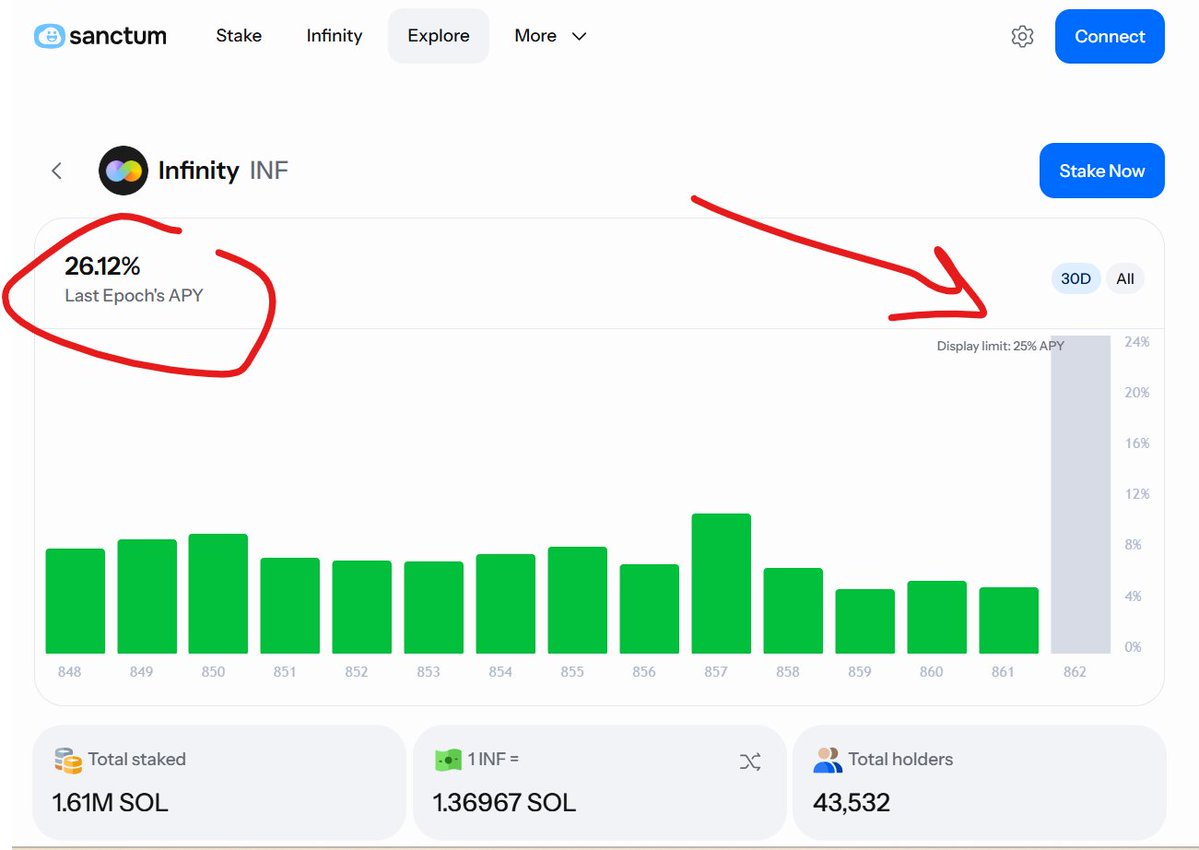
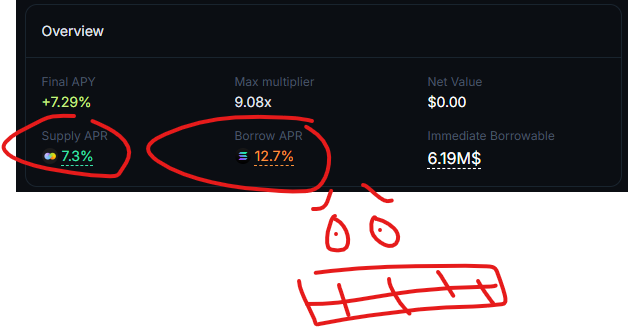
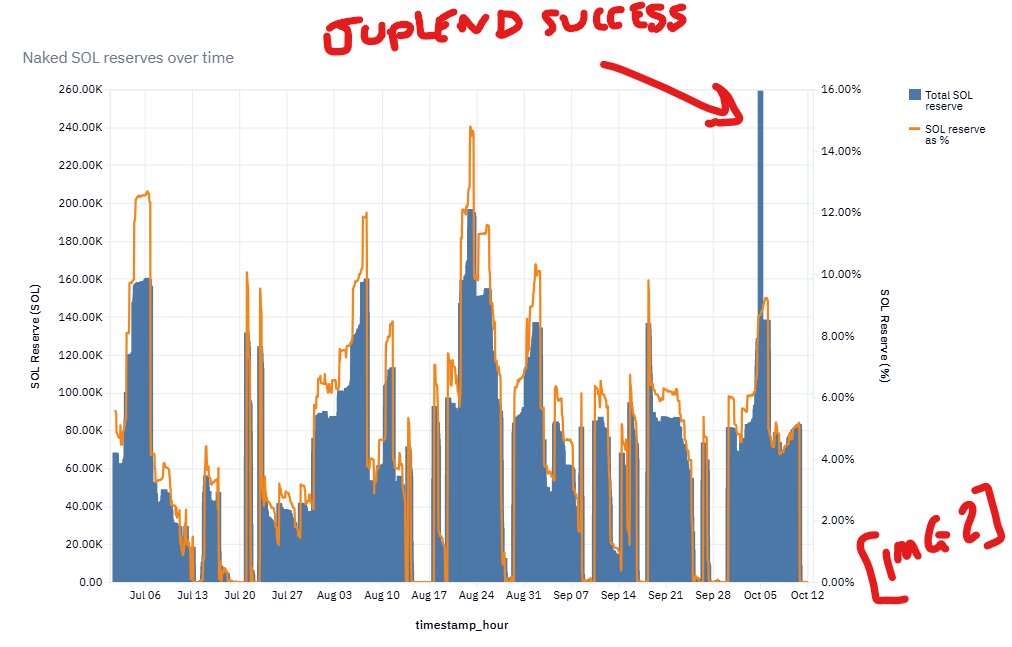
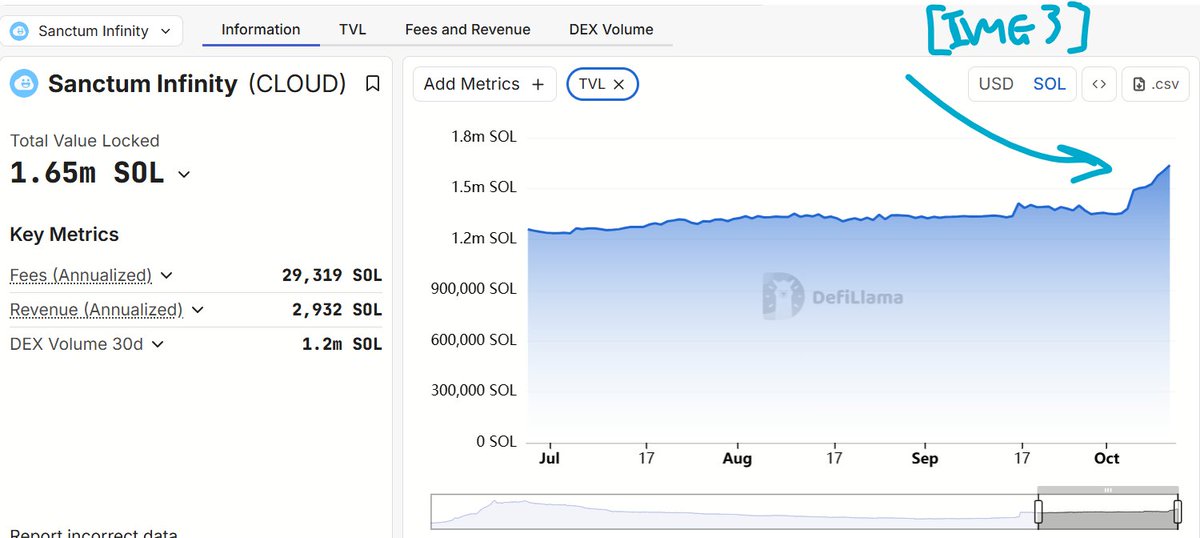
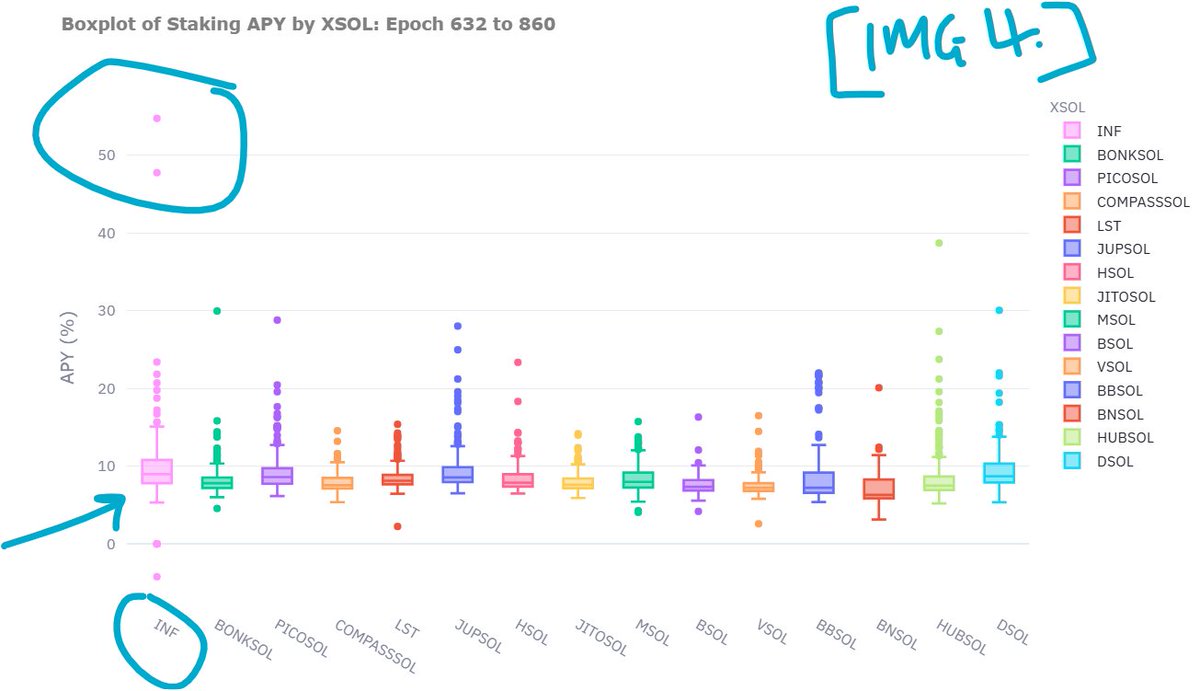
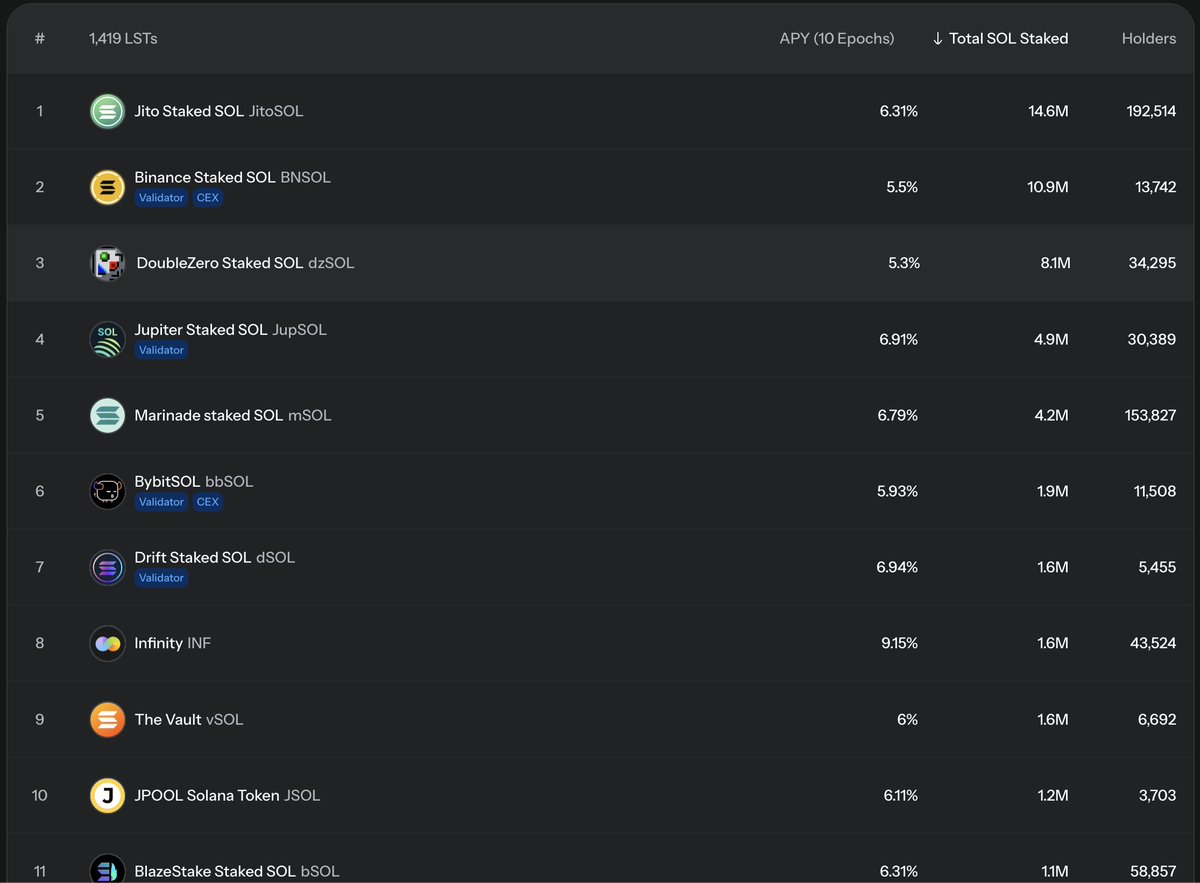
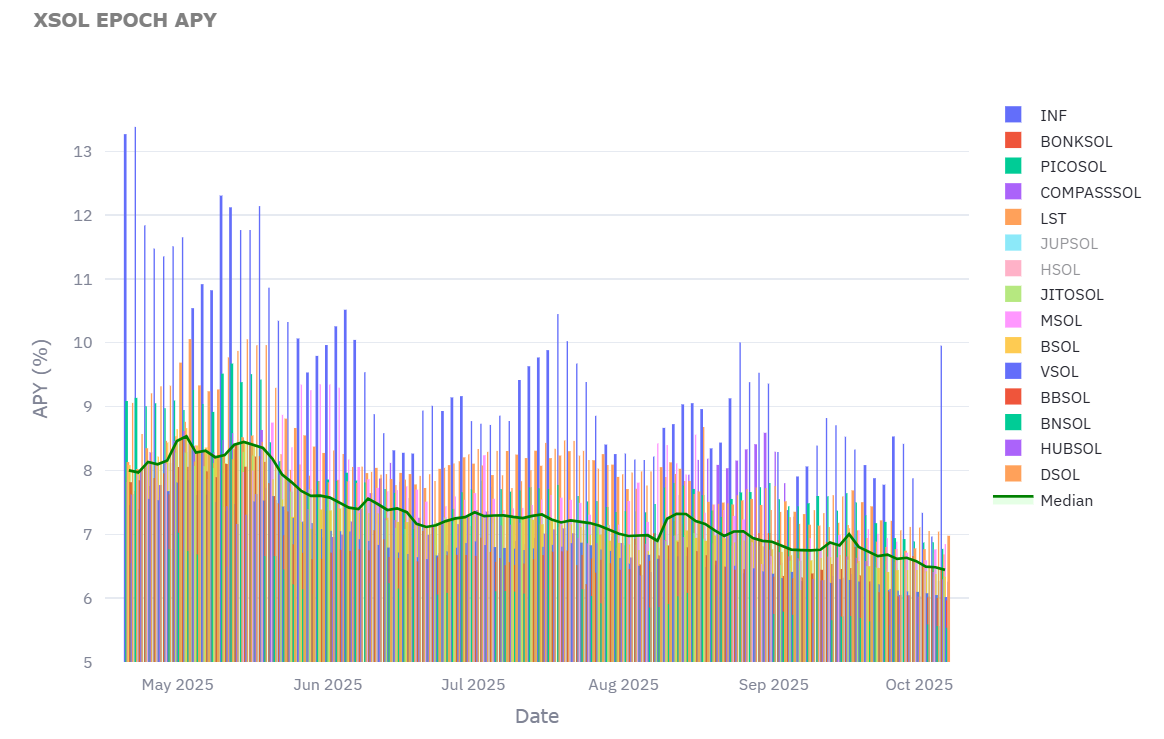
Holders of LST Multiply positions are concerned today. The past 24hrs put a lot of pressure on them as on-chain SOL liquidity dried up. I spoke with an INF Multiply whale this morning. He asked what to do and I thought I'd share with you what I shared with him. TL;DR [*NFA*] I'd personally wait and see. Borrow rates will likely resolve down and INF's APY is likely to spike up in the coming epochs from all the extra activity on the network. So, what happened and why are Multiply positions showing negative APY? Flash shock demand for SOL liquidity in the past ~24 hrs caused SOL borrow rates to spike extremely high as demand for unstaked SOL shot through the roof. This put pressure on Multiply users as multiply is really a leveraged bet that an LSTs APY will be higher than the cost to borrow SOL over time. Usually high borrow rates like this don't sustain for long. Market forces - users unwinding multiply loops or traders lending SOL to capture some of the high APY - inevitably bring them back to reality. [See Image 1] Why does INF APY seem low in recent epochs? INF's launch on @jup_lend last week was a smashing success - INF TVL, in SOL terms, grew %22 in a little over one week. However, INF's APY in the few epochs following tell a very different story: That INF is currently suffering from success. Why? When new traders deposit SOL into INF, it takes an epoch for that SOL to start staking (earning) inside INF. That means immediately after large deposits, the headline APY of INF can be lower. This new SOL inside INF can act as a short-term drag on APY. Note: this isn't always the case, but more on that in a separate post. Importantly, there are upgrades in the works for INF which will mitigate this short-term SOL drag impact on INF's APY. [See Image 2 & 3] So, what drives INF's APY and will it be high again soon? INF's APY fluctuates but generally outperforms over-time. Due to the nature of where it's APY comes from, it tends to be higher than LST's average APY with big outlier spikes (See Image 4). You can see this in the boxplot below. This is because INF earns the weighted average yield of the LSTs it holds PLUS extra trading fees on top. In market conditions like the past couple of days, there is a lot of swapping activity for LSTs on chain. Much of this swapping activity gets routed through INF. When these swaps are routed through INF, it earns fees. These fees show up in the APY figures in future epochs after the swap activity. What this means is, we can expect INF APY to spike up in the next epoch or two as these extra swap fees are digested by INF. Secondly, in times of high-network activity, traders sometimes pay higher priority fees. At the same time, the extra network activity tends to result in higher MEV which tends to boost the APY of LSTs. Well, since INF is a basket of LSTs, this bump will also show up in INF's APY. Why not just unwind INF multiply position now and then wind up again once conditions look better? Unwinding multiply positions incurs fees - as you need to find unstaked SOL, usually by swapping, to repay the multiply loop - which can eat into the profitability of the strategy. As noted above, the big liquidity crunch for unstaked SOL past ~24hrs could make an unwind extremely expensive due to a shortage of unstaked SOL... At least until the next epoch ticks over and INF tops up its reserves 😉👍 Finally, to get out of INF now would be to forgo all those extra fees just earned by the pool! Remember - the fees show up in the APY AFTER the trading activity takes place. In summary It may be worth watching and waiting an epoch or two before rushing to unwind a Multiply position. With any luck, there'll be some epochs of juiced up APY coming and borrow rates may naturally return to equilibrium. Special shoutout to @kamino and @AllezLabs for the great INF and LST dashboards I've used here.