Sabitlenmiş Tweet

Ally Fortis
212 posts
@allyfortis
Cyber threat intelligence analyst. OSINT | SOCMINT | HUMINT | CYBINT | CTI | Blockchain analysis. Due diligence. Random posts.
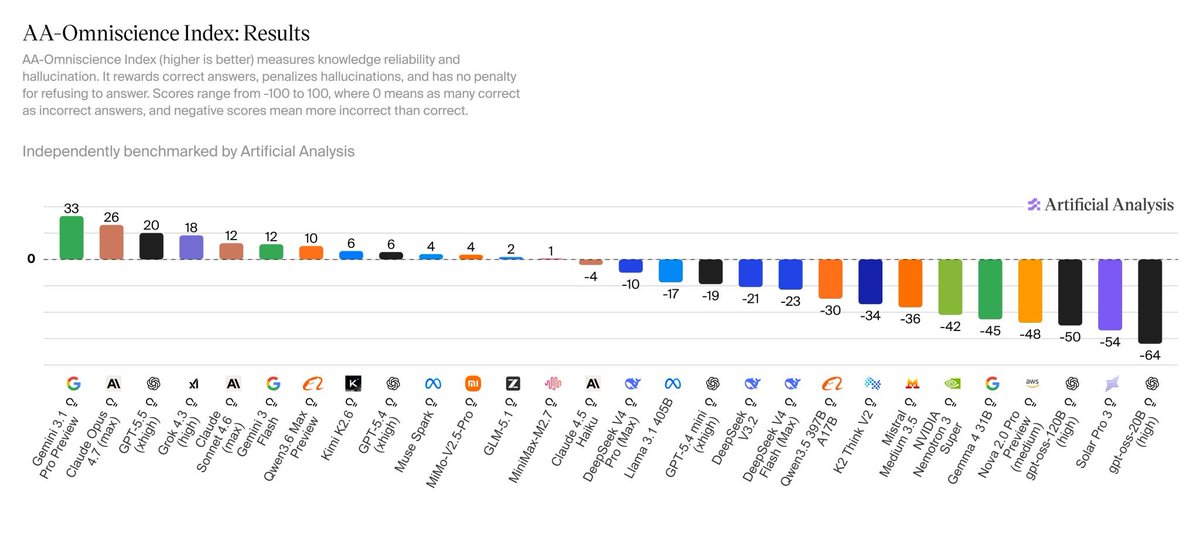
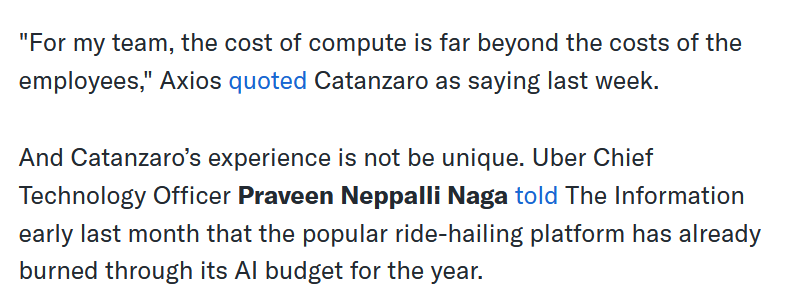
🚨 THE AI COST CRISIS HAS STARTED. Microsoft reportedly told engineers to stop using Claude because AI bills were exploding, while Uber says its entire yearly AI budget was already destroyed by April.
An analysis from 2025 shows that AI is wrong more times than it's right. And AI currently costs more than employing humans, as companies are finding that the expenses associated with AI technology, such as compute costs, often exceed the salaries of their employees.

Enough already! A few years ago no one knew what OSINT was and now you need a cert? It's ok to take courses to learn about things, but soon the industry will require a cert for something as easy as OSINT to get an entry-level job while ...

🔥 Stop Using 10 Tools. Use This Instead for Website Recon Most OSINT investigators waste time juggling 5–10 different tools just to understand a single website… But what if you could get the full picture in one scan? ⚡ When I start a website investigation, I don’t look at content first. I look at infrastructure. Because a single domain can reveal far more than people expect 🔍 That’s where all-in-one recon tools become extremely useful. One of my go-to tools is Web Check. It aggregates multiple OSINT data points into a single structured report. With one scan, you can: 🌐 Extract IP, DNS, and hosting information 🔐 Analyze SSL/TLS configuration and security headers 🧩 Identify technologies, frameworks, and libraries used 📡 Detect redirects, open ports, and server behavior Instead of switching between tools, everything is centralized in one view. And in real investigations, that speed matters. For example, during a recon workflow, a quick scan revealed: • Hosting provider • Underlying tech stack • Misconfigured security headers That alone was enough to map potential weaknesses and guide deeper investigation paths 🔗 This kind of tool is especially useful for: 🕵️ Website footprinting 📡 Attack surface mapping 🔍 Rapid infrastructure reconnaissance It’s not about replacing deep manual analysis. It’s about accelerating the first pass so you know where to dig. For OSINT workflows, that initial clarity is everything 🧠 🔗 Explore it here: web-check.xyz
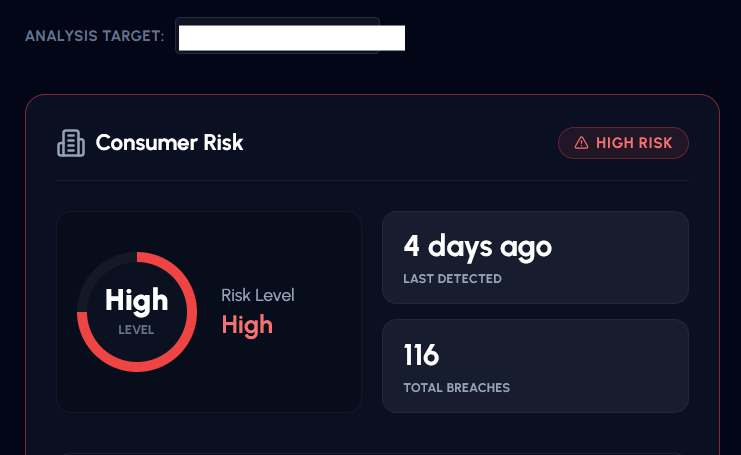
I think I just got hacked 🥲🥲

South Carolina passed a law that aims to protect kids from addictive social media use. The law requires large social media companies to estimate a user’s age using information they already collect, such as behavior, activity, account details, or device data. >If someone uses the app for more than 25 hours within six months, the company must be at least 80% confident the person is older than 15. >If the person reaches 50 hours of use, the company must be 90% confident. >If the company cannot reach that confidence level, it must assume the user is a child. The company must also recheck the age estimate every additional 100 hours of use and whenever it uses recommendation systems or analyzes user behavior. If the company wrongly treats a child as an adult, it can face fines up to $10,000 per violation. When a user is treated as a child, the platform must add protections such as parental permission tools, fewer addictive features like infinite scrolling or highly personalized feeds, stronger privacy settings, less data collection, more parental controls, and yearly safety reviews focused on risks to minors. The law applies to major online platforms that operate in South Carolina and are likely to be used by people under 18. Sc: reclaimthenet.org/south-carolina…
Most people don’t realize how dangerous this is until it actually happens. Imagine your phone gets stolen in a crowded metro station. The thief’s FIRST move usually isn’t resetting the phone. It’s turning it off instantly. Why? Because the second your phone powers down: • Find My Device stops updating • live location dies • remote lock becomes useless • tracking gets delayed • recovery chances drop massively That tiny 2 second action changes everything. Evolution X’s “Power Off Verify” blocks that. If the phone is locked, you now need the PIN/password before shutting it down or restarting it. So in a real theft scenario: • the thief grabs your phone • tries to power it off • gets blocked at the lockscreen • your device stays online longer • you still have time to track, ring, or remotely secure it And honestly… that extra time can be the difference between recovering your phone and losing it forever. Simple feature. Very underrated security upgrade.
maybe show me the email before asking
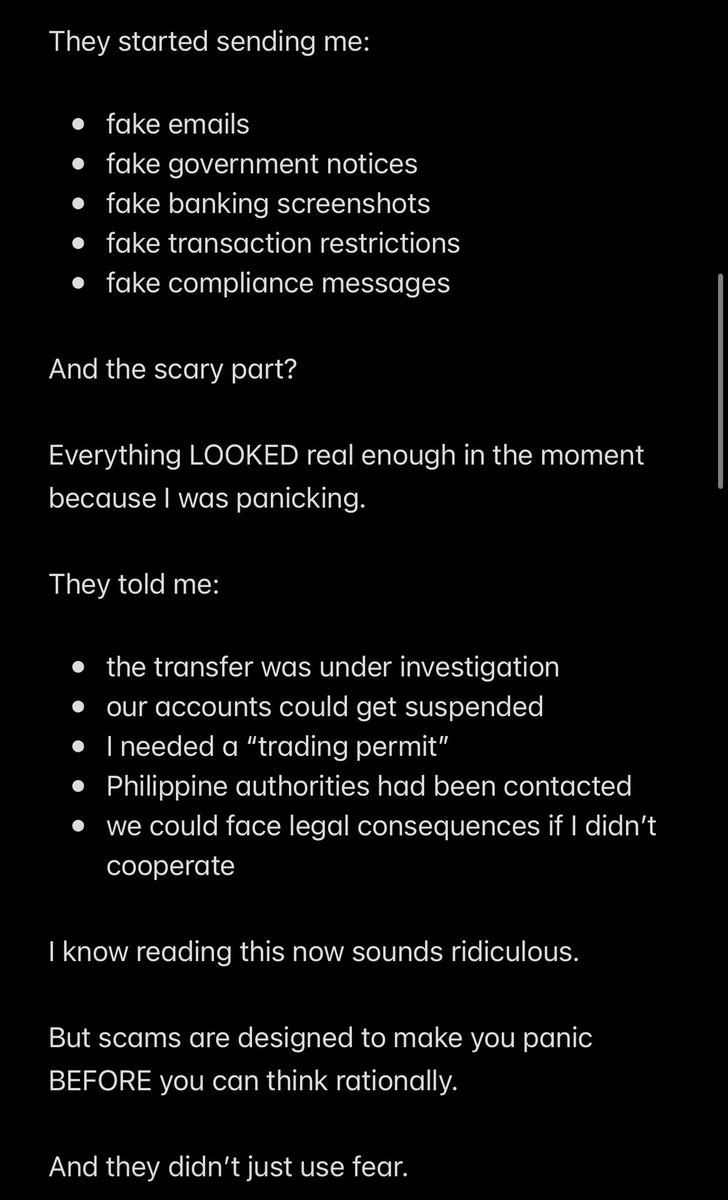
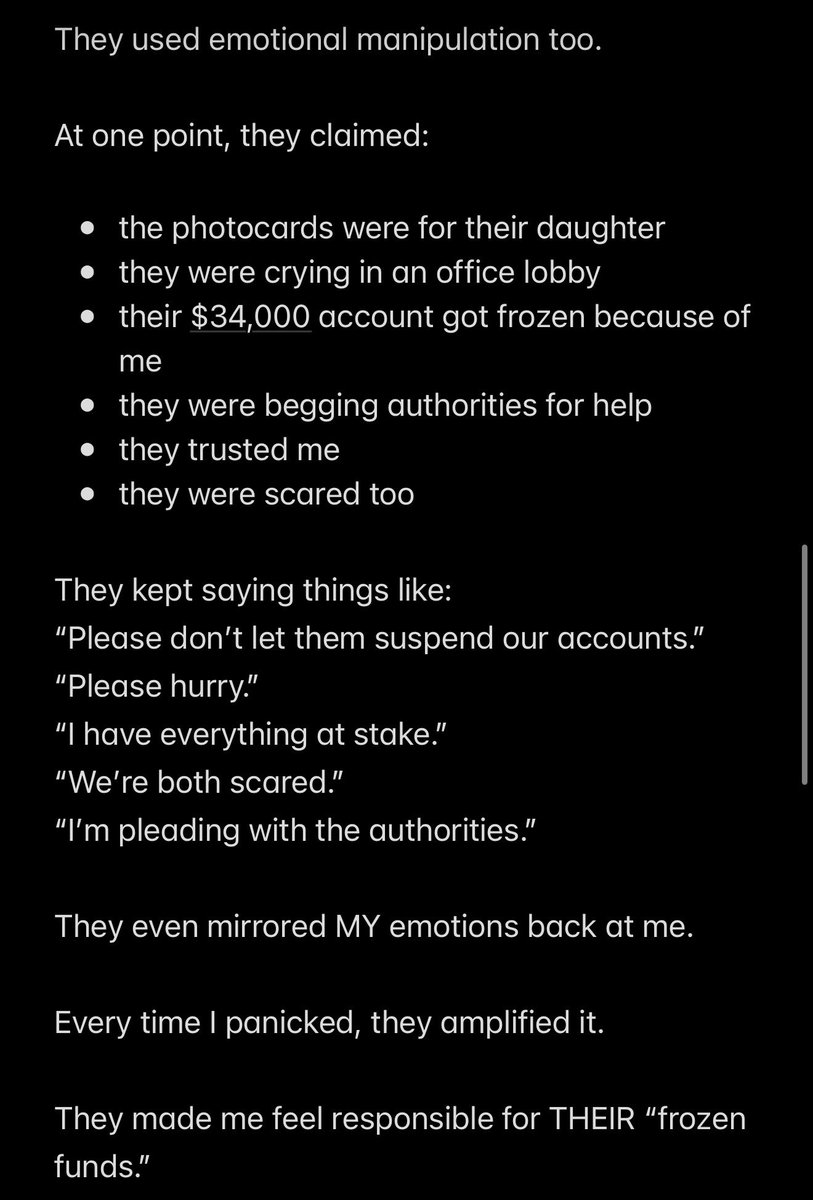
PLEASE SPREAD AWARENESS! I GOT SCAMMED IN THE MOST CREATIVE WAY. (1) I will pictures of the fake receipts, emails and invoices they gave me. Including the manipulation etc- ALL THE RECEIPTS. It only hit when I realized how op changed her username and @.